
Pantry Staples and Family Meals: A Practical Guide
TOJEXPRESS.COM-Antonio HenryTL;DR:
- Keeping core pantry staples enables families to cook dinner quickly, nutritiously, and affordably on weeknights. Building a pantry around shelf-stable proteins, carbohydrates, flavor enhancers, and fats allows for flexible, repeatable meal formulas without extra shopping. Regularly restocking on sale items and maintaining proper storage practices helps keep the pantry functional and minimizes waste.
Pantry staples are the single biggest decision-eliminator in your kitchen. According to Food & Nutrition, keeping core shelf-stable items on hand is what separates families who cook on weeknights from families who default to takeout. Tojexpress stocks exactly these items, from American canned goods to Caribbean seasonings, so you can build a functional pantry without hunting across multiple stores. The role of pantry staples in family meals comes down to three things:
- Convenience: A stocked pantry means dinner is already decided before 5 PM.
- Nutrition: Shelf-stable proteins, whole grains, and frozen vegetables deliver balanced meals without fresh-produce pressure.
- Budget: Buying staples on sale and in bulk stretches every dollar across multiple meals.
Try this tonight without any extra shopping: grain + canned legume + flavor builder + fat. Rice, canned black beans, salsa, and a drizzle of olive oil can make a meal in around twenty minutes for a typical family serving.
Table of Contents
- What actually counts as a pantry staple?
- Your family pantry checklist (print and shop)
- How pantry staples support convenient, nutritious family meals
- Budget and shopping strategies that actually work
- Storage, shelf life, and food safety basics
- Quick family-friendly recipes you can make tonight
- How to build balanced, kid-friendly meals from pantry staples
- Why family meals matter and how pantry staples make them consistent
- A simple monthly pantry maintenance routine
- Key Takeaways
- The pantry is the most underrated tool in your kitchen
- Stock your pantry from Tojexpress
- Useful sources and further reading
What actually counts as a pantry staple?
Not everything in your kitchen qualifies. A functional pantry is built around four categories: shelf-stable protein, fiber-rich carbohydrate, flavor builder, and fat. Each one plays a specific role in getting dinner on the table fast.
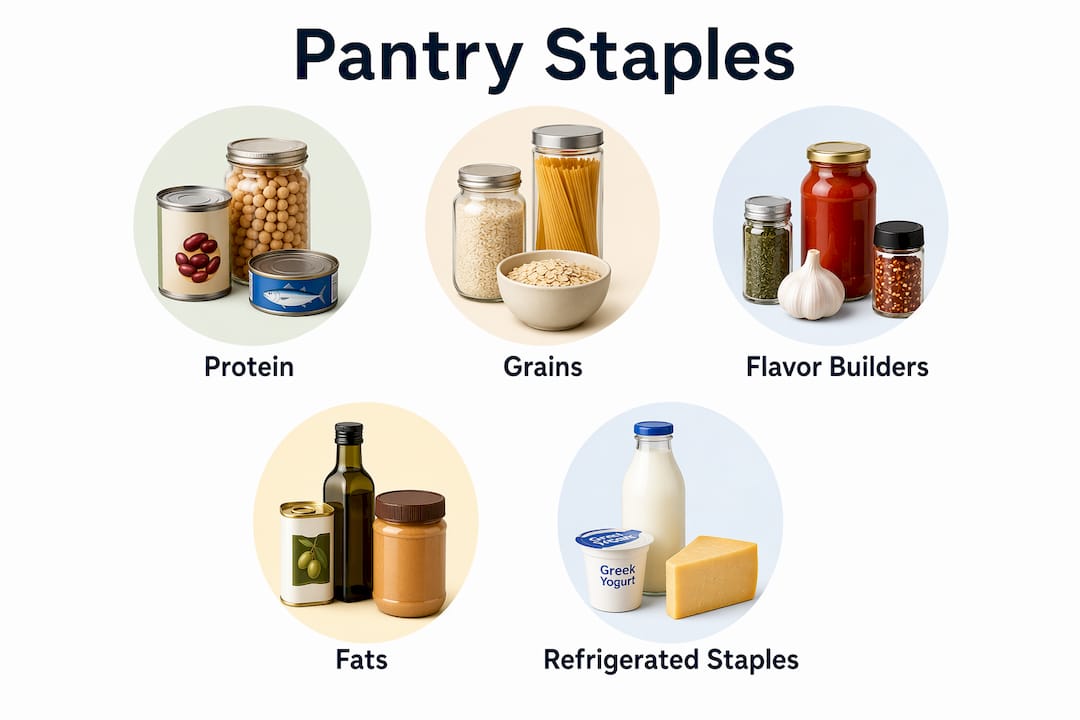
Shelf-stable staples are the backbone. Think canned chickpeas, canned tomatoes, dried lentils, bouillon cubes, and long-grain rice. These items sit on a shelf for months and require zero daily attention.
Refrigerated staples function like pantry items because they last weeks, not days. Eggs, hard cheeses like Parmesan or sharp cheddar, and plain Greek yogurt all fall here. They add protein, fat, and creaminess to meals without a trip to the store.
Freezer basics round out the system. Frozen vegetables, bread (stored in the freezer immediately after purchase), and aromatic cubes, pre-portioned garlic, ginger, or herb blends, are practical shortcuts that preserve quality and cut prep time. A bag of frozen spinach or mixed vegetables can turn a simple grain bowl into a complete meal in under two minutes.
Here is how the categories map to cooking functions:
- Structure: Grains and pasta give meals body and fill plates.
- Protein: Canned beans, lentils, tuna, and eggs carry the nutritional load.
- Flavor: Spices, tomato paste, curry paste, and bouillon add depth without fresh aromatics.
- Finishing: Oils, vinegars, and condiments pull everything together at the end.
Your family pantry checklist (print and shop)
A starter pantry does not need to be elaborate. The goal is to stock items that unlock multiple meals, not items tied to one specific recipe. Organize your list by function, and keep minimum stock rules so you never hit zero on a critical item.
Shelf-stable proteins (keep at least 2 of each):
- Canned chickpeas, black beans, kidney beans, or lentils
- Canned tuna or salmon
- Peanut butter or almond butter
- Dried red or green lentils
Fiber-rich carbohydrates (keep at least 1 base grain + 1 pasta):
- Long-grain white or brown rice
- Dried pasta (any shape)
- Rolled oats
- Whole-grain tortillas or bread (freeze immediately)
Flavor builders (keep at least 3–4 active):
- Canned diced or crushed tomatoes
- Tomato paste
- Curry paste or curry powder
- Cumin, garlic powder, smoked paprika, dried oregano
- Bouillon cubes or low-sodium broth
Cooking fats (keep 1 neutral + 1 finishing):
- Olive oil or avocado oil
- Coconut oil (especially useful for Caribbean recipes)
Acidic elements and condiments:
- Apple cider vinegar or white wine vinegar
- Soy sauce or coconut aminos
- Hot sauce
- Salsa (jarred)
Freezer helpers:
- Frozen mixed vegetables or spinach
- Frozen corn
- Bread (sliced, in a zip bag)
- Aromatic cubes (garlic/ginger/herb blends)
Kid-friendly swaps and allergy notes:
- Swap canned tuna for canned chicken if fish is a hard no.
- Use sunflower seed butter instead of peanut butter for nut-free households.
- Chickpea pasta replaces wheat pasta for gluten-sensitive kids and nearly doubles the protein.
Pro Tip: Shop your pantry checklist by function, not by recipe. If you need a “protein” and a “grain,” you can make dinner. Organizing shopping lists around multiple planned meals rather than single recipes cuts waste and keeps your cart focused.
How pantry staples support convenient, nutritious family meals
The mechanics are straightforward. A four-category pantry turns dinner from a daily decision into a repeatable execution. You are not inventing a new meal every night; you are running a formula. That shift alone removes the evening stress that sends families to the drive-through.
The formula: protein + fiber carbohydrate + flavor builder + fat. Map it to a meal type and you have dinner:
- Rice bowl — Rice + canned black beans + salsa + olive oil. About 20 minutes, 4 servings.
- Lentil soup — Dried lentils + canned tomatoes + cumin + bouillon + olive oil. About 30 minutes, 6 servings.
- Chickpea curry — Canned chickpeas + canned tomatoes + curry paste + coconut oil. About 25 minutes, 4 servings.
- Tuna pasta — Dried pasta + canned tuna + olive oil + garlic powder + capers or olives. About 20 minutes, 4 servings.
- Skillet oats — Rolled oats + peanut butter + frozen banana slices + a pinch of salt. About 10 minutes, 2 servings.
Each formula works with pantry meal planning because it is flexible by design. Swap chickpeas for kidney beans. Use pasta instead of rice. Add frozen spinach to any of them for a nutrition boost. Picky eaters get accommodated without cooking a separate meal.
Pro Tip: Stock based on what your family already eats, not aspirational recipes. If your kids have never touched quinoa, a five-pound bag will collect dust. Start with rice and pasta, prove the formula works, then test one new grain at a time in small quantities.
The dried goods pantry at Tojexpress carries many of these staples, including Caribbean-specific items like coconut milk, scotch bonnet hot sauce, and jerk seasoning that plug directly into these formulas and add authentic flavor without extra effort.
Budget and shopping strategies that actually work
The cost advantage of pantry cooking is real. Dried lentils and staples like rice, beans, pasta, and canned tomatoes offer affordable bases for family meals. Rice, dried beans, pasta, canned tomatoes, oats, and peanut butter are the lowest-cost, highest-utility items in any grocery store, and they anchor dozens of inexpensive meals.
Three tactics make the most difference:
- Buy on sale, not on need. When canned tomatoes or dried pasta go on sale, buy four to six units. You will use them, and you will pay less per meal.
- Favor store brands for staples. Canned beans are canned beans. The store brand at the same sodium level costs less and performs identically in soups and stews.
- Prioritize items that unlock multiple meals. A jar of curry paste makes chickpea curry, a lentil soup, and a marinade. A single-use specialty ingredient is a budget leak.
Buying in bulk when on sale supports budget-friendly nutrition and minimizes food waste by stretching more expensive fresh items further. The logic: when your pantry is stocked, you only need to buy fresh protein and produce each week, which keeps the grocery bill predictable.
The restock rule that prevents overspending: replace an item when you open the last one rather than waiting until it is fully used up. That one habit keeps your pantry functional without detailed tracking or a complicated inventory system.
For Atlanta-area families, Tojexpress offers shopping guidance on sourcing American and Caribbean staples locally, which is useful when you want specific brands or specialty items without paying specialty-store prices.
Storage, shelf life, and food safety basics
Knowing how long things last prevents waste and keeps your family safe. Here are realistic shelf-life ranges for the staples you will use most:
| Staple | Pantry shelf life | Notes |
|---|---|---|
| Canned tomatoes | 18 months | Store in a cool, dry place; use within a week of opening |
| Dried pasta | 2 years | Airtight container extends quality |
| White rice | 4–5 years | Brown rice: 6 months due to oil content |
| Dried lentils/beans | 2–3 years | Older beans cook unevenly; still safe |
| Cooking oil (olive) | 18 months | Keep away from heat and light |
| Ground spices | 2–3 years | Potency fades; replace when aroma is weak |
| Bread (frozen) | 3 months | Slice before freezing for easy thawing |
| Frozen vegetables | 8 months | Quality best within 6 months |
Simple storage rules:
- Keep pantry items in a cool, dry spot away from the stove and direct sunlight. Heat degrades both flavor and shelf life.
- Use FIFO (first in, first out): put new purchases behind older stock so you always reach for the oldest item first.
- Freeze bread immediately after purchase and pull out slices as needed. Toasting from frozen takes about two minutes and tastes better than week-old room-temperature bread.
Pro Tip: Before opening any canned good, check for bulging lids, rust, or dents along the seam. A can that hisses or smells off when opened goes straight in the trash, no tasting required. The FDA’s guidance on canned food safety is the definitive reference if you are ever unsure.
Quick family-friendly recipes you can make tonight
These recipes use the pantry checklist above. Each one works on a weeknight with no special equipment.
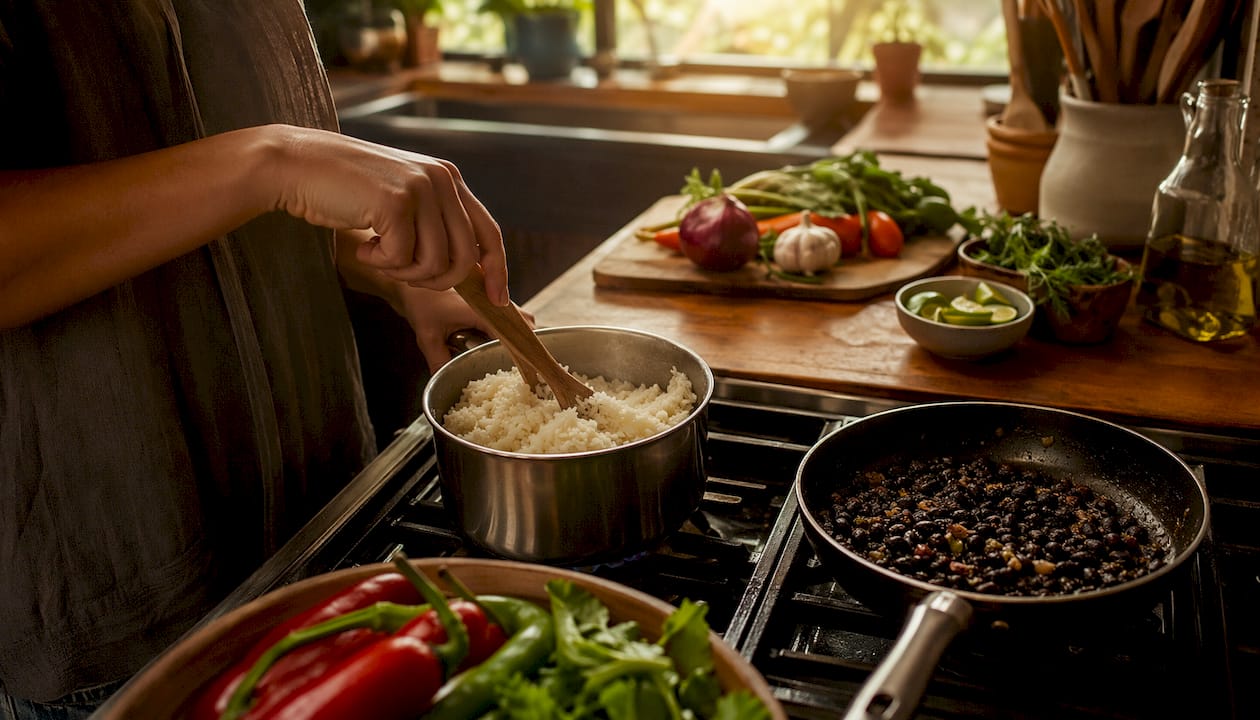
1. Rice and beans bowl
Pantry formula: grain + legume + fat + flavor builder Time: 20 minutes | Serves: 4
Cook rice. Warm canned black beans with cumin, garlic powder, and a pinch of salt. Serve over rice with salsa and a drizzle of olive oil. Add frozen corn for color. Kids can customize their own bowl.
2. Chickpea curry
Pantry formula: legume + tomato + fat + spice Time: 25 minutes | Serves: 4
Sauté curry paste in coconut oil for one minute. Add one can of chickpeas and one can of crushed tomatoes. Simmer for 15 minutes. Serve over rice or with warmed tortillas. Swap chickpeas for canned lentils for a smoother texture.
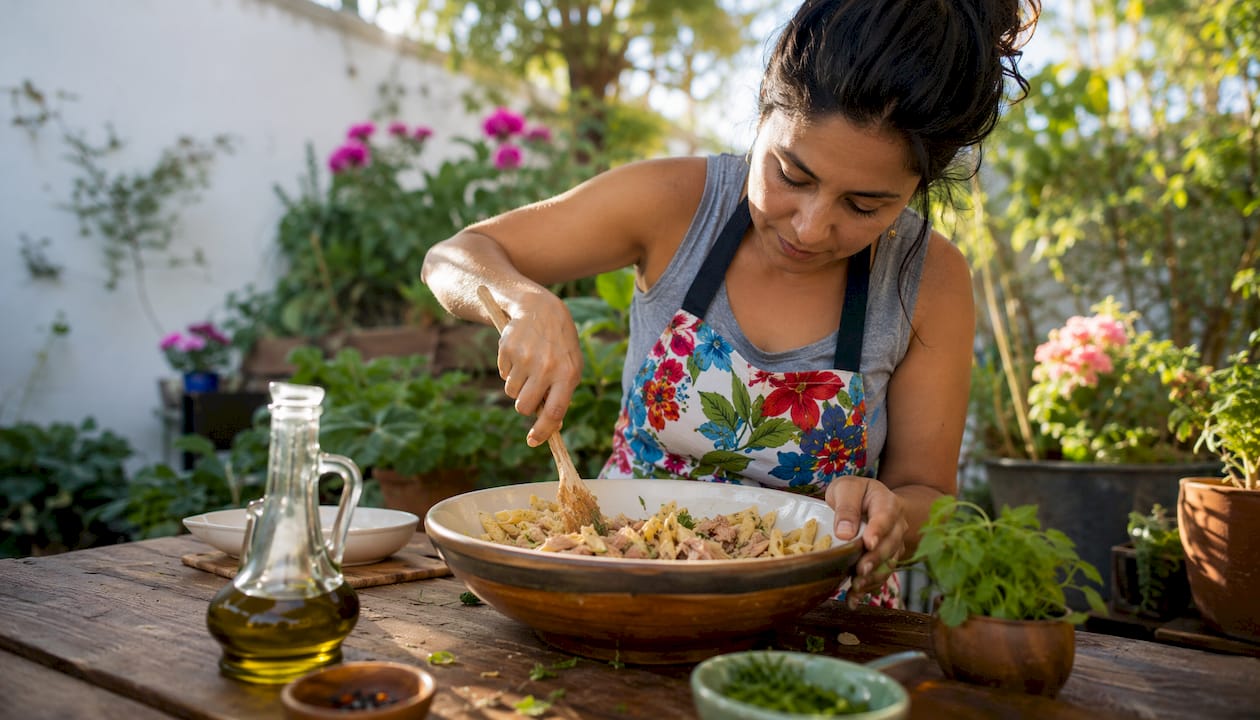
3. Tuna pasta
Pantry formula: pasta + protein + fat + acid Time: 20 minutes | Serves: 4
Cook pasta. Drain and toss with olive oil, canned tuna, garlic powder, and a splash of vinegar or lemon juice. Add capers or olives if you have them. Stir in frozen spinach (thawed and squeezed dry) for a vegetable boost.
4. Lentil soup
Pantry formula: legume + tomato + broth + spice Time: 35 minutes | Serves: 6
Combine dried red lentils, canned diced tomatoes, bouillon, cumin, and water in a pot. Simmer until lentils are soft. Finish with a squeeze of vinegar and a drizzle of olive oil. Freezes well for next week.
5. Peanut butter oat bowl (breakfast or dinner)
Pantry formula: grain + fat/protein + sweetener Time: 10 minutes | Serves: 2
Cook rolled oats with water. Stir in peanut butter and a pinch of salt. Top with frozen fruit (thawed) or a drizzle of honey. High in fiber and protein; kids almost always eat it.
6. Emergency no-grocery skillet
Pantry formula: grain + legume + spice + fat Time: 15 minutes | Serves: 3–4
This one uses only what is already on the shelf. Warm olive oil in a skillet. Add canned kidney beans, a spoonful of tomato paste, smoked paprika, and garlic powder. Stir two minutes. Serve over instant rice or with crackers. No fresh ingredients needed.
For Caribbean meal prep ideas that use these same formulas with jerk seasoning, coconut milk, and scotch bonnet, Tojexpress has a dedicated guide worth bookmarking.
How to build balanced, kid-friendly meals from pantry staples
Pantry-based meals can absolutely meet nutritional needs. El Camino Health’s meal planning guidance frames it simply: a balanced plate combines a protein, a fiber-rich carbohydrate, a vegetable, a fat, and a fruit or dairy element. Every pantry formula in this article maps to that structure.
Quick nutrition-boost swaps:
- Add canned salmon instead of tuna for omega-3 fatty acids.
- Toss a handful of frozen spinach or mixed vegetables into any soup, curry, or pasta.
- Use Greek yogurt as a sauce base or topping instead of sour cream; it adds protein and probiotics.
- Swap white rice for brown rice or quinoa to increase fiber and micronutrients.
- Stir a tablespoon of nut butter into oatmeal or smoothies for healthy fat and staying power.
Canned and frozen vegetables are nutritionally comparable to fresh; frozen produce is picked and frozen at peak ripeness, which locks in vitamins and minerals. That means a bag of frozen spinach is not a compromise. It is a practical choice.
For kids specifically:
- Serve components separately when possible. A child who refuses “mixed food” will often eat the same ingredients side by side.
- Season lightly and let kids add their own hot sauce, salsa, or cheese. Control and customization increase acceptance.
- Keep portions small and offer seconds. A full plate can feel like a demand; a small plate feels manageable.
The Operation Food Search pantry guide is a solid reference for family-friendly staple combinations that work across different age groups.
Why family meals matter and how pantry staples make them consistent
Research consistently links regular family meals to better outcomes for children, including stronger communication, healthier eating habits, and reduced stress. The barrier is almost never motivation. It is time and decision fatigue.
A stocked pantry removes the biggest friction point: the daily question of “what are we having tonight?” When the answer is already in the cabinet, dinner happens. The pantry functions as a household reset button, shifting the evening from a decision task to an execution task.
Family-style dining, where bases, toppings, and sauces are served separately, helps households accommodate picky eaters and supports inclusive meals without cooking multiple versions of the same dish. Pantry staples are ideal for this approach because they are naturally modular: rice goes in one bowl, beans in another, salsa on the side.
Pro Tip: Set up a “build your own bowl” night once a week using whatever pantry staples are open. Put out four or five components and let everyone assemble their plate. It reduces your cooking load, increases buy-in from kids, and uses up partial cans before they go bad.
For caregivers managing toddlers and young children, consistent meal routines reduce behavioral friction at the table. A predictable dinner structure, even a simple one, supports the kind of routine that makes evenings calmer.
A simple monthly pantry maintenance routine
A functional pantry does not maintain itself, but it does not require much. Set aside 10–20 minutes once a month and follow this sequence:
- Quick visual scan (3–5 minutes). Pull items forward and check for anything past its best-by date. Toss anything that is bulging, rusted, or smells off.
- Note low-stock items (2–3 minutes). Anything you are down to one unit of goes on the shopping list now, not when you run out.
- Freeze bread and aromatics (2 minutes). Any bread that will not be eaten in the next two days goes into the freezer. Same for fresh garlic or ginger: freeze in small portions or use pre-made aromatic cubes.
- Rotate stock (3–5 minutes). Move older items to the front, newer purchases to the back. FIFO in practice.
- Test one new staple (ongoing). Buy a single small unit of something unfamiliar, like a new spice blend or a Caribbean hot sauce. If the family likes it, add it to the regular list. If not, you have wasted one small purchase, not a bulk buy.
The restock rule from Food & Nutrition applies here too: replace items when you open the last one. That habit alone keeps the pantry functional between monthly checks without any tracking app or spreadsheet.
For seasonal adjustments and holiday stocking, Tojexpress has a holiday grocery checklist that covers both American and Caribbean staples worth adding before busy periods.
Key Takeaways
A stocked functional pantry, organized by protein, carbohydrate, flavor builder, and fat, is the most reliable system for getting nutritious family meals on the table fast and within budget.
| Point | Details |
|---|---|
| Stock by function, not recipe | Keep at least one protein, one grain, one flavor builder, and one fat on hand at all times. |
| Use the bowl formula tonight | Grain + canned legume + flavor builder + fat = a complete meal in about 20 minutes. |
| Replace before you run out | Restock an item when you open the last unit, not when the shelf is empty. |
| Buy staples on sale | Purchasing canned goods and dried grains on sale, rather than on need, cuts cost per meal significantly. |
| Tojexpress for American and Caribbean staples | Tojexpress carries the American and Caribbean pantry items, from canned goods to jerk seasoning, that support these formulas. |
The pantry is the most underrated tool in your kitchen
Most cooking advice focuses on technique or recipes. The pantry gets treated as background. That is backwards.
A well-stocked pantry does not just make cooking easier; it changes the decision architecture of your entire week. When the answer to “what’s for dinner” is already in the cabinet, you stop negotiating with yourself at 5:30 PM. You stop defaulting to takeout not because you lack motivation but because you lack options. The pantry provides the options.
What I have seen working with American and Caribbean pantry goods at Tojexpress is that the families who cook most consistently are not the ones with the most elaborate kitchens or the most time. They are the ones who keep a short list of reliable staples and rotate through three or four formulas. Rice and beans one night, pasta the next, a quick curry on Thursday. The variety comes from the flavor builders, not from reinventing the base every time.
Caribbean pantry staples, specifically, are underused in American households that are not already familiar with them. Coconut milk, scotch bonnet sauce, and jerk seasoning are not specialty ingredients. They are flavor builders that work in the same formulas as any other pantry item and add genuine depth without extra effort. A chickpea curry made with coconut milk and a half-teaspoon of jerk seasoning is a different meal than one made with olive oil and cumin, and it takes the same amount of time.
Stock what your family eats. Test one new thing at a time. Keep the formulas simple. That is the whole system.
Stock your pantry from Tojexpress
If you are building or restocking a family pantry, Tojexpress carries the American and Caribbean grocery items that make these formulas work: canned goods, dried staples, seasonings, hot sauces, coconut milk, and more, available online and in-store in the Atlanta area, including Stone Mountain, Decatur, Lithonia, Conyers, Tucker, Snellville, and Rockdale.
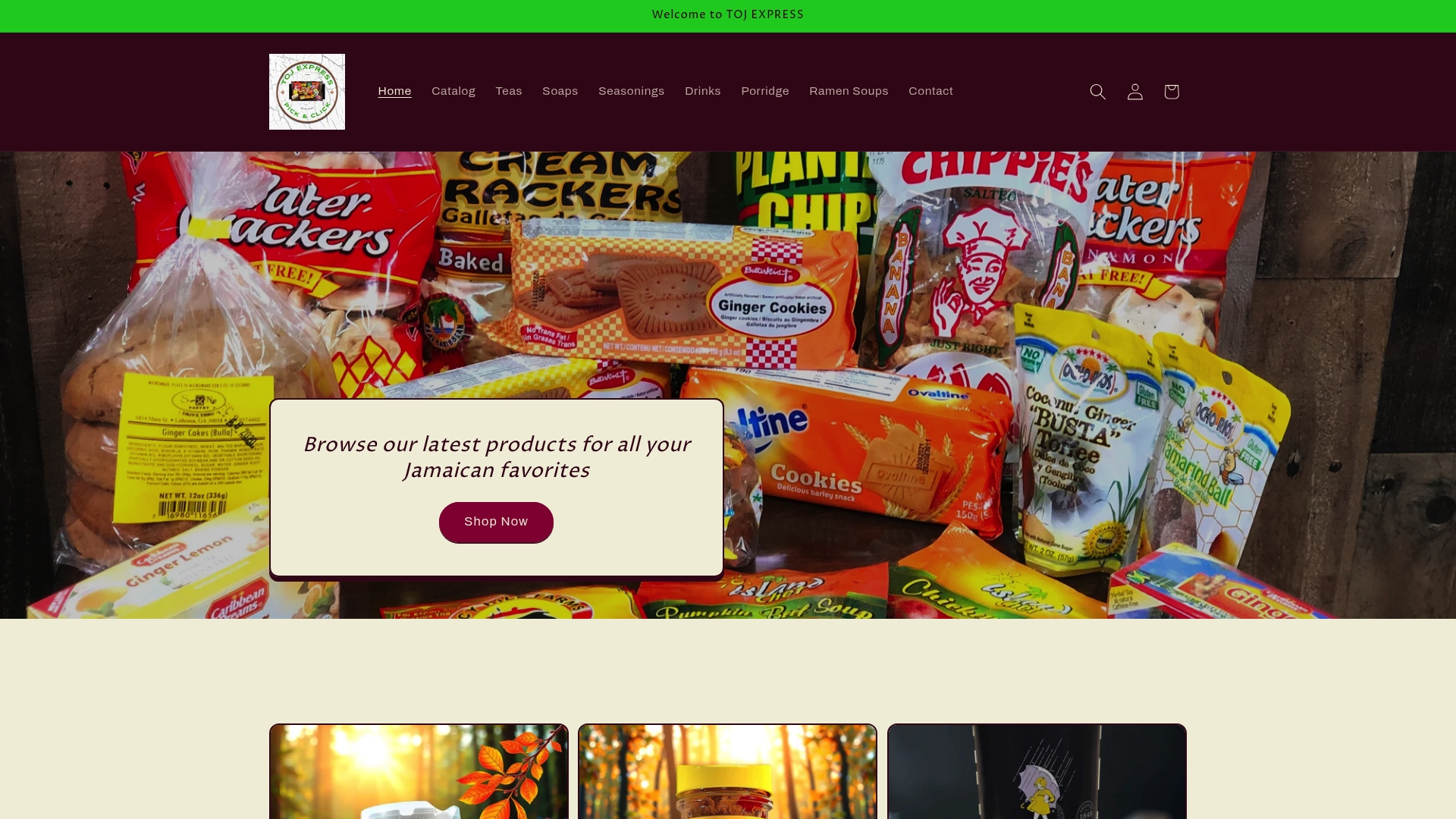
The snacks category is a good starting point for kid-friendly pantry additions, from crackers and chips to Caribbean sweets that round out lunchboxes and after-school plates. For beverages, the drinks section covers pantry staples from juices to sodas your family will actually reach for. If you want to add Caribbean flavor to your pantry without guesswork, the Caribbean pantry checklist on the Tojexpress blog walks you through exactly what to grab. Shop what your family will use, and build from there.
Useful sources and further reading
These are the primary sources used throughout this article. Each one is worth bookmarking for deeper reference.
- Food & Nutrition: How to Build a Pantry That Supports Weeknight Cooking — Covers the decision-elimination principle and the restock rule.
- Food & Nutrition: How to Build a Functional Pantry — Explains the four-category framework (protein, grain, flavor builder, fat).
- PairDish: Pantry Meal Planning — Meal-formula approach and shopping-list strategy for multiple meals.
- Frugal Family Table: Pantry Staples for Frugal Cooking — Cost-stretch examples and low-cost staple lists for family budgets.
- Bon Appétit: Pantry Starter Kit — Minimal starter checklist and freezer tips from recipe developers.
- El Camino Health: Meal Planning With Pantry Staples — Balanced plate formula and nutritional guidance for pantry-based meals.
- Virtual Lab School: Family-Style Dining in Child Care Settings — Research-backed guidance on family-style serving and picky eaters.
- Operation Food Search: Family Friendly Pantry Staples — Practical staple combinations for families across age groups.
- FDA: Canned Food Safety Guidance — Definitive reference for identifying unsafe canned goods.
- PennyHoarder: Pantry Essentials for Cooking — Bulk-buy and sale strategies for budget-friendly pantry stocking.