

Jerk Seasoning Types: Dry Rub, Paste, and Mop Sauce
TOJEXPRESS.COM-Antonio HenryJerk seasoning comes in three practical forms, and which one you reach for depends almost entirely on how much time you have and what you’re cooking. A dry rub is your weeknight move: coat the meat, cook it, done. A wet paste (also called a jerk marinade) is what you want when you can plan ahead — it penetrates deeply and rewards an overnight rest. A mop sauce is a thinner, liquid version brushed on during low-and-slow cooking to keep moisture and flavor building throughout the cook.
Every form, regardless of style or region, is built on two non-negotiables:
- Allspice (pimento): The flavor backbone — a single berry that tastes like clove, cinnamon, and nutmeg combined. No allspice, no jerk.
- Scotch bonnet pepper: The signature fruity heat. Habanero is the most practical U.S. substitute when Scotch bonnet is hard to find.
- Dry rub: Best for quick grilling or roasting; no marinating required; works especially well on chicken thighs and pork chops.
- Wet paste/marinade: Best for overnight marinating; penetrates dense cuts like pork shoulder, whole chicken, or beef; produces deeper, more complex flavor.
- Mop sauce: Best for smoking or low-and-slow BBQ; applied during cooking to refresh flavor and prevent drying out.
Key Takeaways
Jerk seasoning is defined by allspice and Scotch bonnet, comes in three practical forms (dry rub, wet paste, mop sauce), and the form you choose should match your cooking method and available time.
| Point | Details |
|---|---|
| Two non-negotiables | Allspice (pimento) and Scotch bonnet pepper define every authentic jerk blend; removing either breaks the flavor identity. |
| Match form to method | Use a dry rub for quick weeknight grilling; use a wet paste for overnight marinating; use a mop sauce for low-and-slow smoking. |
| Best substitute for Scotch bonnet | Habanero is the closest 1:1 swap; cayenne works in dry rubs but loses the fruity character. |
| Storage windows | Dry rubs peak within 6 months; wet pastes keep 1–2 weeks refrigerated or up to 3 months frozen. |
| Tojexpress recommendation | Tojexpress carries Walkerswood Jamaican Jerk Seasoning (mild and hot) in Atlanta and online for cooks who want an authentic ready-made paste. |
Table of Contents
- What types of jerk seasonings are made of
- How dry rub, wet paste, and mop sauce compare
- Regional variations and modern twists on classic jerk
- Two kitchen-ready jerk seasoning recipes
- How to substitute and control heat in jerk blends
- Using jerk seasoning across proteins, vegetables, and creative applications
- How to store jerk seasoning and what to look for when buying
- What customers actually ask about jerk seasoning
- Caribbean seasonings and jerk staples, available at Tojexpress
- Sources
What types of jerk seasonings are made of
The two ingredients that define jerk seasoning) above all others are allspice and Scotch bonnet pepper. Allspice, known in Jamaica as pimento, delivers a layered warmth that no combination of separate spices quite replicates. Scotch bonnet brings fruity, almost apricot-like heat alongside serious capsaicin punch. Together, they create the flavor fingerprint that makes a blend recognizably jerk rather than just “spiced.”
The two non-negotiables in any authentic jerk blend are allspice (pimento) and Scotch bonnet pepper. Every other ingredient supports, balances, or extends what these two establish. According to the Caribbean Jerk BBQ Guide, removing either one breaks the identity of the blend entirely.
Beyond those anchors, the supporting cast does real work:
- Thyme: Earthy and herbal; dried works, but fresh thyme has more brightness.
- Garlic and ginger: Pungent base notes that deepen during marination.
- Scallion (green onion): Mild allium sweetness; standard in wet pastes.
- Cinnamon and nutmeg: Warm spice notes that echo the allspice without duplicating it.
- Cloves: Intense and slightly medicinal; use sparingly or the blend tips bitter.
- Brown sugar: Balances heat and promotes caramelization on the grill.
- Citrus (lime or orange juice) and vinegar: Acid that brightens flavor and, in wet pastes, begins tenderizing the meat.
Binders and liquids are what separate a dry rub from a paste. Oil carries fat-soluble flavor compounds into the meat. Soy sauce adds umami and salt. Dark rum or molasses deepens sweetness and adds complexity. Vinegar or lime juice provides the acid that makes a wet marinade work. A professional jerk paste typically combines all of these: ground whole spices, fresh aromatics, acid, oil, and a flavor booster like dark rum.
How dry rub, wet paste, and mop sauce compare
Each form interacts with heat and protein differently. Here is how they break down across the decisions that matter most in the kitchen.
| Form | Typical ingredients | Binder/acid | Best uses | Marinating time | Heat control |
|---|---|---|---|---|---|
| Dry rub | Ground allspice, cayenne, thyme, garlic powder, brown sugar, cinnamon, nutmeg, cloves | None | Quick grill, roast, pan-sear | 30–60 min (or none) | Reduce cayenne; omit or halve Scotch bonnet powder |
| Wet paste | All dry spices + fresh Scotch bonnet/habanero, scallion, garlic, ginger, lime, oil, soy, rum | Oil + acid (lime/vinegar) | Overnight marinade, slow roast, braise | 4 hours minimum; overnight for pork/beef | Seed the chiles; use fewer peppers |
| Mop sauce | Wet paste thinned with vinegar, citrus juice, or broth | Liquid-heavy | Low-and-slow BBQ, smoking, basting | Applied during cooking (every 30–45 min) | Dilute with more liquid; reduce pepper quantity |
A dry rub forms a spiced crust at high heat, which is exactly what you want on chicken thighs or pork chops over a hot grill. The Simply Recipes dry rub method notes that dry rubs impart much of their flavor on contact with the cooking surface, so they don’t need long marinating times — a genuine advantage on a Tuesday night.
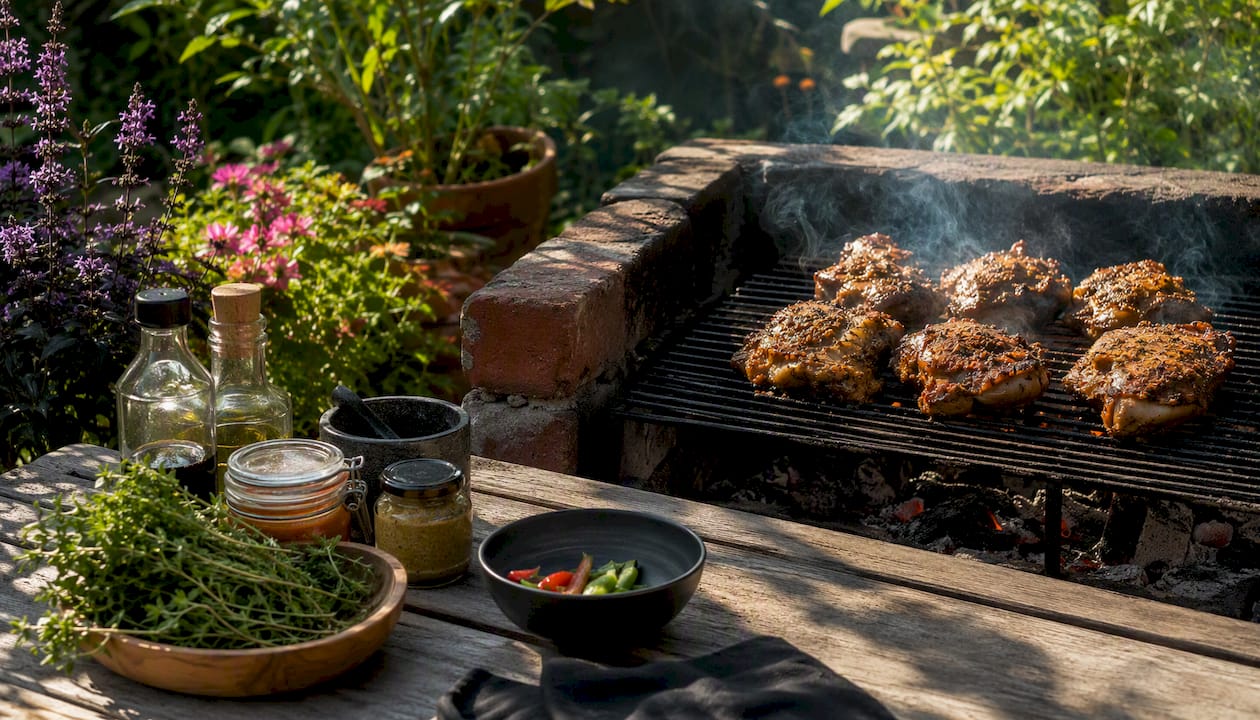
Wet paste is a different commitment. The acid in lime juice or vinegar starts breaking down muscle fibers, and the oil carries fat-soluble spice compounds deep into the meat. For a pork shoulder or a whole chicken, overnight is the minimum worth doing. For beef, 8–12 hours is reasonable. Seafood and tofu are the exceptions: 30–60 minutes is enough, and longer risks a mushy texture.
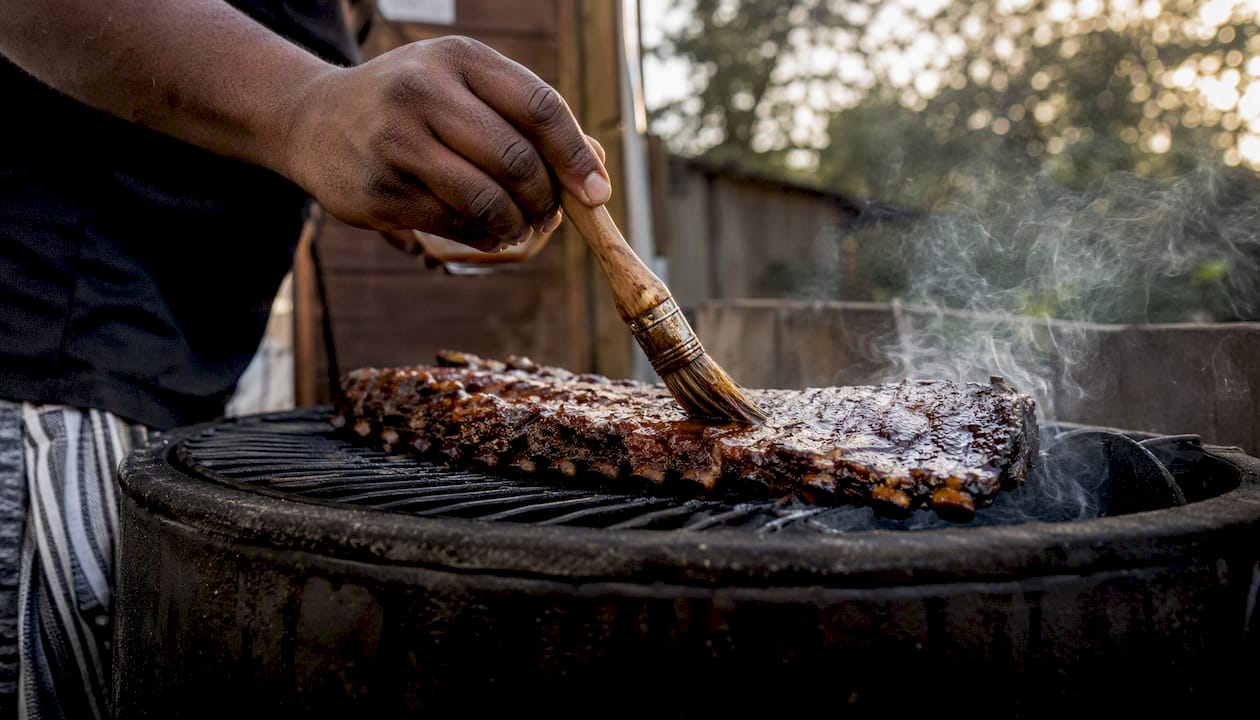
Mop sauce is the least common form at home but the most useful for anyone smoking ribs or a whole bird. Thin your wet paste with vinegar, citrus juice, or chicken broth until it’s pourable, then brush it on every 30–45 minutes during the cook. It keeps the surface moist and layers flavor as the smoke builds.
Regional variations and modern twists on classic jerk
Traditional Jamaican jerk, as practiced at roadside stands in Boston Bay (Portland Parish) and along the north coast, relies on three things: aggressive seasoning, long marination, and pimento wood smoke. Pimento wood adds a light, sweet smoke that apple or cherry wood can approximate but not fully replicate. When pimento wood is unavailable, blending apple or oak smoke with a handful of whole allspice berries tossed on the coals gets you closer than most alternatives.
Regional differences within Jamaica are real but subtle. Port Royal and Kingston-area jerk tends to be saltier and heavier on scallion. Rural inland versions often lean harder on allspice and smoke and lighter on sugar. Commercial pastes sold under Jamaican labels, including mild and hot variants, typically standardize these differences into two heat levels rather than regional profiles.
Modern twists have expanded the category without breaking it. A few worth knowing:
- Coffee-rubbed jerk: A tablespoon of finely ground dark roast added to a dry rub deepens bitterness and pairs well with pork ribs.
- Cocoa-forward jerk: Unsweetened cocoa powder (about 1 teaspoon per batch) adds earthiness that works especially well with beef.
- Smoked paprika jerk: Replaces or supplements cayenne for color and a milder, smoky heat without the fruity punch of Scotch bonnet.
- Citrus-forward wet paste: Extra lime zest and orange juice brighten the blend for seafood and chicken.
- Soy-rum fusion paste: Heavier on soy sauce and dark rum, common in restaurant-style jerk that needs to hold up under high-volume cooking.
- Vegan/vegetarian jerk: Same spice profile, applied to cauliflower steaks, jackfruit, or firm tofu; skip the soy sauce if you need gluten-free and use coconut aminos instead.
Pro Tip: To convert a wet paste into a shelf-stable dry shortcut, spread it thin on a parchment-lined sheet pan and dry it in a 200°F oven for 2–3 hours, then crumble and store in an airtight jar. The flavor is concentrated and the paste keeps for weeks at room temperature.
Two kitchen-ready jerk seasoning recipes
Basic dry jerk rub
This blend works on chicken, pork, or vegetables with no marinating required. Scale up and store the rest.
Ingredients (makes about ½ cup):
- 2 tablespoons ground allspice
- 1 tablespoon dried thyme
- 1 tablespoon garlic powder
- 1 tablespoon onion powder
- 1 tablespoon brown sugar
- 1 teaspoon ground cinnamon
- 1 teaspoon ground ginger
- ½ teaspoon ground nutmeg
- ½ teaspoon ground cloves
- 1–2 teaspoons cayenne pepper (adjust for heat)
- 1 teaspoon smoked paprika
- 1½ teaspoons kosher salt
Instructions: Combine all ingredients in a bowl and whisk until uniform. Apply 1–1½ tablespoons per pound of meat, pressing firmly so the rub adheres. For chicken thighs or pork chops, rest 30–60 minutes before grilling or roasting. No marinating required, though 2–4 hours in the fridge deepens the flavor noticeably.
Swap notes:
- Use habanero powder instead of cayenne for more fruity heat closer to Scotch bonnet.
- Reduce cayenne to ½ teaspoon for a mild version kids can eat.
- Add an extra teaspoon of brown sugar if you want stronger caramelization on the grill.
Basic wet jerk paste
This is the version for weekend grilling or a slow-roasted pork shoulder. It takes 10 minutes to make and rewards an overnight rest.
Ingredients (makes about 1 cup):
- 3–4 Scotch bonnet or habanero peppers (seeded for less heat)
- 4 scallions, roughly chopped
- 4 garlic cloves
- 1-inch piece fresh ginger, peeled
- 3 tablespoons ground allspice
- 1 tablespoon fresh thyme leaves (or 1½ teaspoons dried)
- 2 tablespoons soy sauce
- 2 tablespoons lime juice
- 2 tablespoons neutral oil
- 1 tablespoon dark rum (optional but recommended)
- 1 teaspoon brown sugar
- 1 teaspoon ground cinnamon
- ½ teaspoon ground nutmeg
- Salt to taste
Instructions: Combine everything in a blender or food processor and blend until smooth. Taste and adjust salt, acid, or heat. Coat meat thoroughly, cover, and refrigerate. Marinate chicken pieces for at least 4 hours (overnight preferred); pork shoulder for 12–24 hours; seafood and tofu for 30–60 minutes only.
Safety note: Wear rubber gloves when handling Scotch bonnet or habanero peppers. Capsaicin transfers easily to skin and eyes, and washing with water alone doesn’t remove it — use dish soap or a small amount of oil on your hands first, then wash with soap and water. Per BarbecueBible’s jerk paste guidance, glove use is standard practice when working with Capsicum chinense varieties.
How to substitute and control heat in jerk blends
Scotch bonnet peppers are the traditional choice, but they’re not always on the shelf at a standard U.S. grocery store. Here are the most practical substitutions, with notes on how the swap changes the flavor.
| Ingredient | Substitute | Ratio | Flavor note |
|---|---|---|---|
| Scotch bonnet (fresh) | Habanero (fresh) | 1:1 | Nearly identical heat and fruity character; the closest available substitute |
| Scotch bonnet (fresh) | Cayenne powder | ¼ tsp per pepper | Much milder; loses the fruity note; best for dry rubs |
| Fresh thyme | Dried thyme | 1 tbsp fresh = 1 tsp dried | Dried is more concentrated; add toward the end of mixing |
| Pimento wood smoke | Apple wood + allspice berries on coals | Approximate | Adds sweetness; not identical but the best home workaround |
| Dark rum | Molasses + splash of water | 1:1 by volume | Deeper sweetness, less boozy; works well in pastes |
Heat-control tactics that actually work:
- Seed the chiles before blending. Most of the capsaicin lives in the membrane and seeds, not the flesh. Seeding a habanero drops the heat by roughly half without changing the flavor profile.
- Use fewer peppers and taste as you go. Start with one Scotch bonnet or habanero in a full batch of paste, blend, taste, then add more if needed.
- Blend hot peppers with a mild capsicum (like a red bell pepper) to stretch the volume and dilute the heat without losing the pepper flavor.
- Always test a small piece of meat before committing the whole batch. Grill or pan-fry one piece, taste it, and adjust the remaining paste before marinating everything.
Pro Tip: If capsaicin gets on your skin, rub the area with a small amount of vegetable oil first to dissolve the capsaicin, then wash thoroughly with soap and water. Water alone pushes it around; oil lifts it. Keep a dedicated cutting board for hot chiles and wash it with hot soapy water immediately after use.
Using jerk seasoning across proteins, vegetables, and creative applications
Jerk seasoning was built for chicken and pork, but it adapts well beyond those two proteins. The Simply Recipes approach notes that modern jerk blends work on seafood, tofu, cauliflower, and even eggs — which is accurate and worth taking seriously.
By protein and method:
- Chicken thighs/drumsticks: Dry rub, 30–60 minutes, grill over medium-high heat. Skin-on pieces hold the rub better and develop a better crust.
- Whole chicken: Wet paste, overnight, roasted at 375°F or spatchcocked on the grill.
- Pork shoulder/ribs: Wet paste, 12–24 hours, smoked low and slow (225–250°F) with a mop sauce applied every 45 minutes.
- Pork chops: Dry rub, 30 minutes, pan-seared or grilled hot and fast.
- Beef (flank steak, short ribs): Wet paste, 8–12 hours; the acid in the marinade helps tenderize tougher cuts.
- Shrimp: Dry rub or light paste, 20–30 minutes maximum, grilled or sautéed quickly.
- Salmon/firm fish: Dry rub only; 15–20 minutes; high heat for 3–4 minutes per side.
- Tofu (firm or extra-firm): Wet paste, 30–60 minutes; press tofu first to remove excess water so the paste actually penetrates.
- Cauliflower: Wet paste, 30 minutes, roasted at 425°F until charred at the edges.
Pairing ideas: Jerk mains pair naturally with Caribbean side dishes like rice and peas, fried plantains, festival (fried dough), and cucumber-cabbage slaw. The cooling effect of the slaw against the heat of the jerk is not accidental — it’s a classic balance. For Caribbean food combinations that go beyond the basics, mango salsa and coconut rice both cut through the spice without competing with it.
Creative applications worth trying:
- Jerk mayo: stir 1–2 teaspoons of dry rub into ½ cup mayonnaise; use on sandwiches, burgers, or as a dipping sauce.
- Jerk-seasoned roasted vegetables: toss with wet paste and roast at 425°F; works especially well with sweet potato, zucchini, and corn.
- Jerk tacos: shredded jerk chicken or pork in corn tortillas with pickled red onion and avocado.
- Jerk scrambled eggs: ¼ teaspoon dry rub stirred into eggs before cooking; surprisingly good.
One timing warning: don’t over-marinate delicate proteins. Shrimp left in an acid-heavy jerk paste for more than an hour starts to “cook” from the lime juice and turns mushy. The same applies to thin fish fillets. Dense cuts like pork shoulder can handle 24 hours; shrimp cannot handle 2.
How to store jerk seasoning and what to look for when buying
Storing what you make:
- Dry rubs keep best in an airtight glass jar, stored in a cool, dark cabinet away from the stove. Jo Cooks’ storage guidance notes that flavor intensity fades noticeably after about six months, even when the blend is sealed. A sniff test is the most reliable freshness check: if the allspice smells faint or the thyme smells like hay, the blend is past its peak.
- Wet pastes are perishable. Refrigerate in a sealed container and use within 1–2 weeks. For longer storage, freeze in ice cube trays, then transfer the cubes to a freezer bag. Frozen paste keeps well for up to 3 months without significant flavor loss.
- Never double-dip a spoon from raw meat back into your paste jar. Keep a separate portion for basting if you’re using the same batch for marinating and finishing.
Buying checklist for commercial jerk seasonings:
- Check for allspice/pimento first. If it’s not listed in the first three ingredients, the blend is likely a generic “Caribbean-style” spice mix, not authentic jerk.
- Look for the pepper type. Scotch bonnet or habanero listed on the label signals authenticity. “Chili pepper” or “red pepper” is vague and usually means cayenne or a mild blend.
- Watch the salt level. Some commercial blends are heavy on salt as a filler. If sodium is the first or second ingredient, the blend will over-salt your food before it seasons it.
- Paste vs. dry rub. Pastes are more convenient for marinating; dry rubs are easier to store and control. Both have their place.
- Walkerswood Jamaican Jerk Seasoning is one of the most consistently recommended authentic paste options for home cooks in the U.S. It comes in mild and hot variants, uses Scotch bonnet peppers, and is widely available. Tojexpress carries Walkerswood for shoppers in the Atlanta area and online, alongside other packaged Caribbean seasonings worth keeping in your pantry.
What customers actually ask about jerk seasoning
The question that comes up most often at Tojexpress isn’t “which form is best?” — it’s “is this the real thing?” Customers who grew up eating jerk in Jamaica or the Caribbean diaspora can tell immediately when a blend is missing allspice or uses a generic chili instead of Scotch bonnet. That gap between authentic and approximate is exactly why the ingredient list on a label matters so much.
Paste formats consistently outsell dry rubs at Tojexpress, which makes sense: most customers are marinating chicken or pork for a weekend cook, and a paste does that job with less effort than building a dry blend from scratch. Walkerswood is the most requested brand by name, and the hot variant gets the edge over mild among regular buyers.
The practical advice that holds up across every conversation: start with a quality paste like Walkerswood when you’re learning the flavor profile, then build your own dry rub or wet paste once you know what balance of heat, allspice, and acid you prefer. The two approaches aren’t in competition. They serve different kitchen moments.
Caribbean seasonings and jerk staples, available at Tojexpress
If you’ve read this far, you already know what separates a real jerk blend from a generic spice mix: allspice, Scotch bonnet (or habanero), and the right form for your cooking method. Finding those ingredients together in one reliable product is the harder part.

Tojexpress stocks Walkerswood Jamaican Jerk Seasoning, both mild and hot, alongside a full range of Caribbean spices, sauces, and pantry staples at its Atlanta-area store and online. Whether you’re building a dry rub from scratch or grabbing a paste for a weekend grill, the ingredients you need are in one place. Shop the full Caribbean seasoning selection at Tojexpress and have your order ready before the weekend.
Sources
- Jamaican jerk seasoning (dry rub) - Simply Recipes
- Jerk seasoning recipe - BarbecueBible
- Jamaican jerk seasoning - Jo Cooks
- Walkerswood Jamaican Jerk Seasoning Mixed Pack - 10 Oz Each Mild, Hot & Spicy