

Caribbean Sauces Checklist: 10 Must-Have Recipes
TOJEXPRESS.COM-Antonio HenryTL;DR:
- Caribbean sauces are essential condiments that balance fruity heat, acidity, and aromatics, defining island cuisine. Proper preparation emphasizes fresh ingredients, resting times, and pairing sauces with complementary dishes for authentic flavor. Storing sauces in ice cubes and sourcing quality ingredients enhances their taste and convenience at home.
A Caribbean sauces checklist is a curated guide to the essential condiments that define island cooking through their balance of fruity heat, bright acidity, and layered aromatics. Sauces like Jerk sauce, Sauce Chien, Pikliz, and Poyo Poyo are not optional extras. They are the flavor backbone of Caribbean cuisine, built on ingredients like Scotch bonnet peppers, allspice, fresh thyme, and lime juice. Whether you are grilling jerk chicken, frying plantains, or steaming fish, the right sauce transforms a good dish into an authentic one. This guide covers the ten most important sauces, their recipes, and how to use them.
1. Your Caribbean sauces checklist starts here: what to know
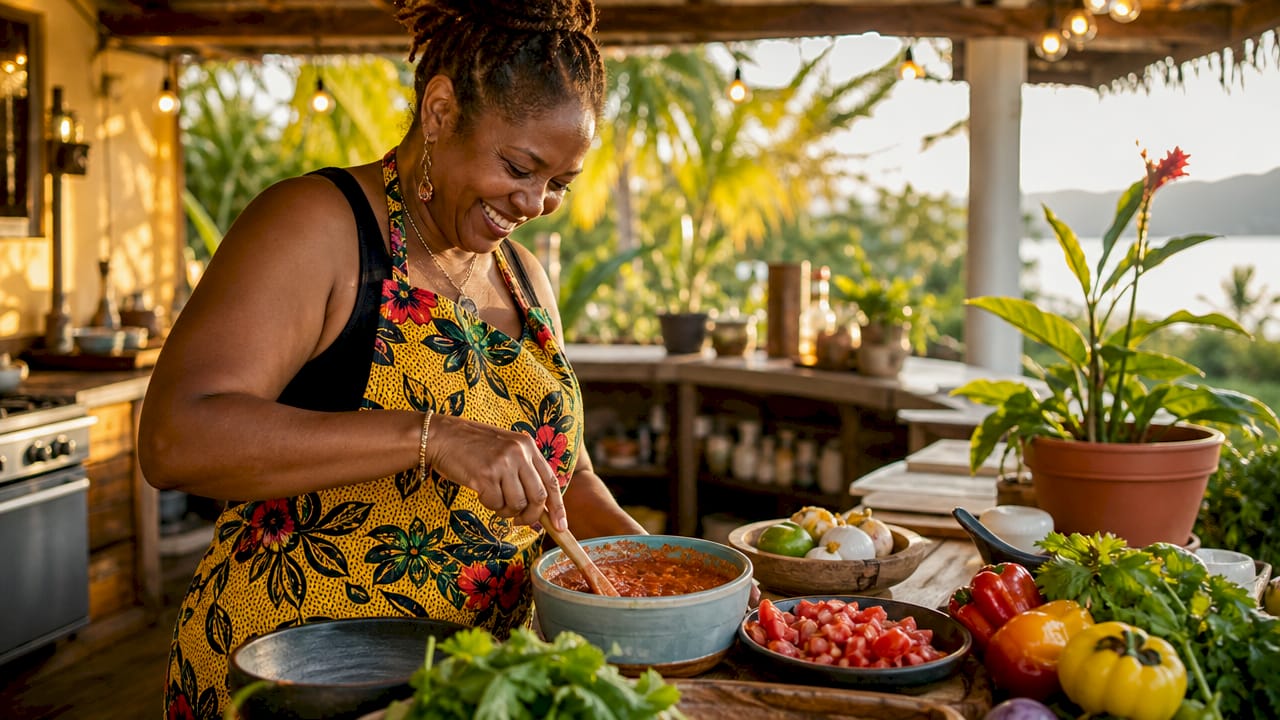
The most popular Caribbean sauces share three defining qualities: heat from Scotch bonnet or habanero peppers, acidity from citrus or vinegar, and sweetness from fruit or brown sugar. Authentic Caribbean pepper sauces are defined more by balance of freshness, acidity, and fruity-citrus notes than by raw spiciness alone. That distinction matters because it explains why Caribbean sauces taste so different from generic hot sauces.
The ten sauces below cover the full spectrum of the Caribbean condiment guide, from Jamaican to Haitian to French Antillean traditions. Each one has a distinct flavor profile, a clear culinary purpose, and a practical home recipe. Understanding the role of Caribbean spices behind each sauce makes the difference between a flat imitation and the real thing.
2. Jerk sauce
Jerk sauce is the most recognized Caribbean sauce globally, built on a base of Scotch bonnet peppers, allspice, thyme, garlic, cinnamon, and brown sugar. Expert home cooks layer spices including allspice, thyme, and cinnamon rather than relying on heat alone, which is what gives authentic Jamaican jerk its depth. A standard homemade batch yields 2 cups after 30 minutes of simmering and freezes well for up to 3 months.
Use jerk sauce as a marinade for chicken, pork, or shrimp at least 4 hours before grilling. It also works as a finishing glaze brushed on during the last 5 minutes of cooking. The sugar content means it burns quickly over direct flame, so keep the heat moderate.
3. Sauce Chien
Sauce Chien is the signature condiment of the French Antilles, particularly Martinique and Guadeloupe, made from finely chopped shallots, garlic, Scotch bonnet, parsley, lime juice, and olive oil. It requires just 10 minutes of prep time and benefits from 1 hour of resting to fully infuse the aromatics without any cooking. That resting period is not optional. It is what separates a bright, complex sauce from a sharp, raw one.
The quality of fresh herbs and olive oil significantly impacts the final flavor, so use flat-leaf parsley and a good extra-virgin olive oil. Sauce Chien pairs best with grilled fish and seafood, where its citrus brightness cuts through the richness of the protein.
4. Pikliz
Pikliz is Haiti’s national condiment, a spicy pickled slaw made from shredded cabbage, carrots, Scotch bonnet peppers, and white vinegar. Sauces like Pikliz are not just condiments but crucial elements for balancing richness and texture in Caribbean meals. It is served alongside fried pork (griot), fried plantains, and rice dishes where the acidity cuts through the fat.
Pikliz takes 15 minutes to prepare and needs at least 24 hours in the refrigerator before serving, though 48 hours produces a better result. Store it in a sealed glass jar in the fridge for up to 2 weeks. The vinegar acts as a natural preservative, so freshness is not a concern over that window.
5. Poyo Poyo sauce
Poyo Poyo sauce is a West African-influenced Caribbean sauce made from roasted peppers, garlic, onion, and spices, popular across the Caribbean diaspora as a topping for chicken and tacos. Preparation takes just 20 minutes total and yields 12 servings of 2 tablespoons each at 65 calories per serving. That makes it one of the most efficient sauces on this list for batch cooking.
Its flavor is smoky, slightly sweet, and moderately spicy, which gives it versatility across proteins. Poyo Poyo works as a dipping sauce, a taco topping, or a drizzle over rice bowls. Its quick prep time makes it a practical weeknight option for home cooks who want Caribbean flavor without a long cooking session.
6. Pickapeppa sauce
Pickapeppa is a Jamaican bottled sauce produced since 1921, made from tomatoes, onions, cane vinegar, mangoes, raisins, and a proprietary spice blend. It is aged in oak barrels for a minimum of one year, which gives it a depth closer to Worcestershire sauce than a standard hot sauce. That aging process is why Pickapeppa has a following among chefs who use it as a flavor enhancer rather than a condiment.
Use Pickapeppa as a marinade base, a glaze for roasted meats, or a finishing sauce stirred into stews. It pairs particularly well with Caribbean stew dishes where its sweet-tangy complexity adds background depth. A small amount goes a long way.
7. French Creole sauce
French Creole sauce is a tomato-based sauce from Martinique and Trinidad, built with onions, garlic, thyme, allspice, and Scotch bonnet peppers, simmered until thick and fragrant. It functions as both a cooking sauce and a finishing condiment, making it one of the most versatile options in the Caribbean sauce recipes catalog. The tomato base softens the heat of the Scotch bonnet while the allspice and thyme add an herbal, slightly sweet undertone.
Simmer French Creole sauce for at least 25 minutes to develop the flavor fully. It pairs well with baked fish, chicken, and rice. For a richer version, add a splash of coconut milk in the last 5 minutes of cooking.
8. Mango habanero sauce
Mango habanero sauce is one of the best Caribbean sauces for cooks who want fruit-forward heat, combining ripe mango, habanero peppers, lime juice, and ginger into a sauce that is simultaneously sweet, fiery, and bright. Habanero peppers deliver a sharper, more immediate heat than Scotch bonnet, so the mango is not just a flavor note. It is a necessary counterbalance. The ratio of mango to habanero controls the heat level more than any other variable.
Blend the sauce until smooth and simmer for 10 minutes to meld the flavors. It works as a dipping sauce for fried chicken, a glaze for grilled shrimp, or a topping for fish tacos. For a spicy-sweet pairing idea, the flavor logic here is similar to what makes mango chilli pickle so compelling across different culinary traditions.
9. Sofrito
Sofrito is the aromatic base sauce of Puerto Rican and Dominican cooking, made by blending culantro, cilantro, ají dulce peppers, garlic, onion, and tomatoes into a thick green paste. It is not served as a table condiment. It is cooked into rice, beans, stews, and meat dishes as the foundational flavor layer. Most Puerto Rican home cooks keep a jar of sofrito in the refrigerator at all times, using 2 to 3 tablespoons as the starting point for nearly every savory dish.
Sofrito freezes exceptionally well in ice cube trays, with each cube equaling roughly 1 tablespoon. Freezing sauces in ice cube trays preserves freshness for up to 3 months and makes portioning effortless. Make a large batch on Sunday and use it throughout the week.
10. Tamarind sauce
Tamarind sauce is a sweet-sour Caribbean dipping sauce made from tamarind paste, brown sugar, water, and warming spices like cumin and cinnamon. It is widely used across Trinidad and Tobago as a street food condiment, particularly with doubles (curried chickpea sandwiches) and fried snacks. The tartness of tamarind is more intense than lime juice, which makes it the right choice when a dish needs acidity with body rather than brightness.
To make it at home, dissolve tamarind paste in warm water, strain out the fibers, and simmer with sugar and spices for 10 minutes. Adjust sweetness and tartness to taste. Tamarind sauce also pairs well with Caribbean side dishes like fried bake or aloo pie.
How to prepare homemade Caribbean sauces
Preparing homemade Caribbean sauces at home requires attention to three things: ingredient quality, heat management, and resting time. Fresh herbs, ripe fruit, and good olive oil are not interchangeable with dried or processed substitutes. The flavor difference is immediate and significant.
Here is a practical preparation sequence for the most common sauces:
- Jerk sauce: Blend all ingredients, then simmer on low heat for 30 minutes, stirring occasionally to prevent scorching.
- Sauce Chien: Chop all ingredients finely, combine with lime juice and olive oil, then rest at room temperature for 1 hour before serving.
- Pikliz: Shred vegetables, combine with vinegar and peppers, pack into a glass jar, and refrigerate for at least 24 hours.
- Poyo Poyo: Roast peppers and garlic, blend with spices, and cook for 10 minutes on medium heat.
- Sofrito: Blend all raw ingredients until smooth, then store in the refrigerator or freeze in ice cube trays.
Scotch bonnet peppers must be handled carefully, with seeds and membranes removed to moderate heat without losing the fruity, floral flavor. Always wear gloves when cutting them and avoid touching your face.
Pro Tip: Freeze finished sauces in ice cube trays for portion-controlled storage. Each cube equals roughly 1 to 2 tablespoons, and the sauces stay at peak flavor for up to 3 months.
Sauce pairings for Caribbean food
Matching the right sauce to the right dish is where Caribbean cooking becomes genuinely expressive. Caribbean sauces and condiments bring brightness and acidity that contrast rich fried or stewed dishes, which is why the pairing logic matters as much as the recipe itself.
Here are the most effective sauce pairings for Caribbean food:
- Jerk sauce pairs with grilled chicken, pork ribs, and jerk shrimp skewers.
- Sauce Chien pairs with grilled snapper, mahi-mahi, and lobster.
- Pikliz pairs with griot (fried pork), fried plantains, and rice and beans.
- Poyo Poyo pairs with roasted chicken, tacos, and rice bowls.
- Pickapeppa pairs with pot roast, oxtail stew, and cream cheese as an appetizer dip.
- Mango habanero pairs with fried chicken, grilled shrimp, and fish tacos.
- Tamarind sauce pairs with doubles, fried bake, and aloo pie.
- Sofrito is cooked into rice, beans, and braised meats rather than served on the side.
Understanding Caribbean food combinations helps you see why these pairings work. Acidity and brightness balance fat. Sweetness softens heat. Herbaceous notes lift heavier proteins.
Pro Tip: Do not limit sauces to their traditional pairings. Poyo Poyo works on eggs. Pikliz brightens a pulled pork sandwich. Sauce Chien drizzled over roasted vegetables is outstanding.
Key takeaways
A complete Caribbean sauces checklist covers ten distinct sauces, each with a specific flavor role, preparation method, and pairing purpose that together define authentic island cooking.
| Point | Details |
|---|---|
| Balance defines Caribbean sauces | Scotch bonnet heat, citrus acidity, and fruit sweetness work together in every great Caribbean sauce. |
| Resting time matters | Sauce Chien needs 1 hour to rest; Pikliz needs 24 to 48 hours. Skipping this step costs you flavor. |
| Freeze for convenience | Ice cube tray freezing preserves sauce freshness for up to 3 months with perfect portion control. |
| Pair by contrast | Rich, fried, or fatty dishes need bright, acidic sauces like Pikliz or Sauce Chien to stay balanced. |
| Ingredient quality is non-negotiable | Fresh herbs and good olive oil produce noticeably better results than dried or low-quality substitutes. |
What I have learned from years of making Caribbean sauces
The biggest mistake home cooks make with Caribbean sauces is treating heat as the main event. Scotch bonnet peppers are not just hot. They have a fruity, almost floral character that disappears the moment you overcook them or bury them under too many competing spices. The best Jerk sauce I have ever made used less pepper than the recipe called for and more allspice and thyme. The heat was still there, but the complexity was what made it memorable.
I have also found that sourcing matters more than technique for most of these sauces. A Sauce Chien made with flat-leaf parsley from a farmers market and a decent French olive oil tastes completely different from one made with supermarket herbs and generic vegetable oil. The recipe is the same. The result is not. If you are serious about Caribbean cooking, invest in the ingredients before you invest in the equipment.
One more thing: do not rush the resting and marinating steps. Jerk sauce needs time to penetrate the meat. Pikliz needs time for the vinegar to soften the vegetables and pull out their flavor. Sauce Chien needs that hour at room temperature for the lime juice to mellow the raw shallots. These are not suggestions. They are the difference between a sauce that tastes assembled and one that tastes made.
— ANTONIO
Stock your kitchen with authentic Caribbean products at Tojexpress

The sauces in this guide are only as good as the ingredients behind them. At Tojexpress, a convenience store specializing in American and Caribbean products, you will find the authentic pantry staples that make these recipes work. From Scotch bonnet-based hot sauces to Pickapeppa and Caribbean spice blends, the selection is built for home cooks who want the real thing. Browse the Caribbean snacks collection for authentic accompaniments that pair perfectly with your homemade sauces, from plantain chips to fried snack favorites. Pair your meals with something from the Caribbean drinks selection to complete the island experience at your table.
FAQ
What are the most popular Caribbean sauces?
The most popular Caribbean sauces include Jerk sauce, Sauce Chien, Pikliz, Poyo Poyo, Pickapeppa, sofrito, and mango habanero sauce. Each comes from a distinct island tradition and serves a specific culinary function.
What pepper is used in most Caribbean sauces?
Scotch bonnet peppers are the most common heat source in Caribbean sauces, prized for their fruity, citrus-like flavor alongside their heat. Habanero peppers are a close substitute with a sharper, more immediate burn.
How long do homemade Caribbean sauces last?
Most homemade Caribbean sauces last 1 to 2 weeks refrigerated in a sealed glass jar. Jerk sauce and sofrito freeze well for up to 3 months when stored in ice cube trays for easy portioning.
Can I reduce the heat in Caribbean sauces without losing flavor?
Removing the seeds and membranes from Scotch bonnet peppers reduces heat significantly while preserving the fruity, floral flavor notes that define authentic Caribbean sauces. Reducing the number of peppers while increasing allspice and thyme also maintains complexity without the burn.
What dishes use Caribbean dipping sauces?
Caribbean dipping sauces like tamarind sauce, Poyo Poyo, and mango habanero pair with fried snacks, grilled proteins, and street foods like doubles and fish tacos. Pikliz and Sauce Chien work as table condiments alongside fried and grilled dishes.