

Black Pudding Explained: A Complete U.S. Guide
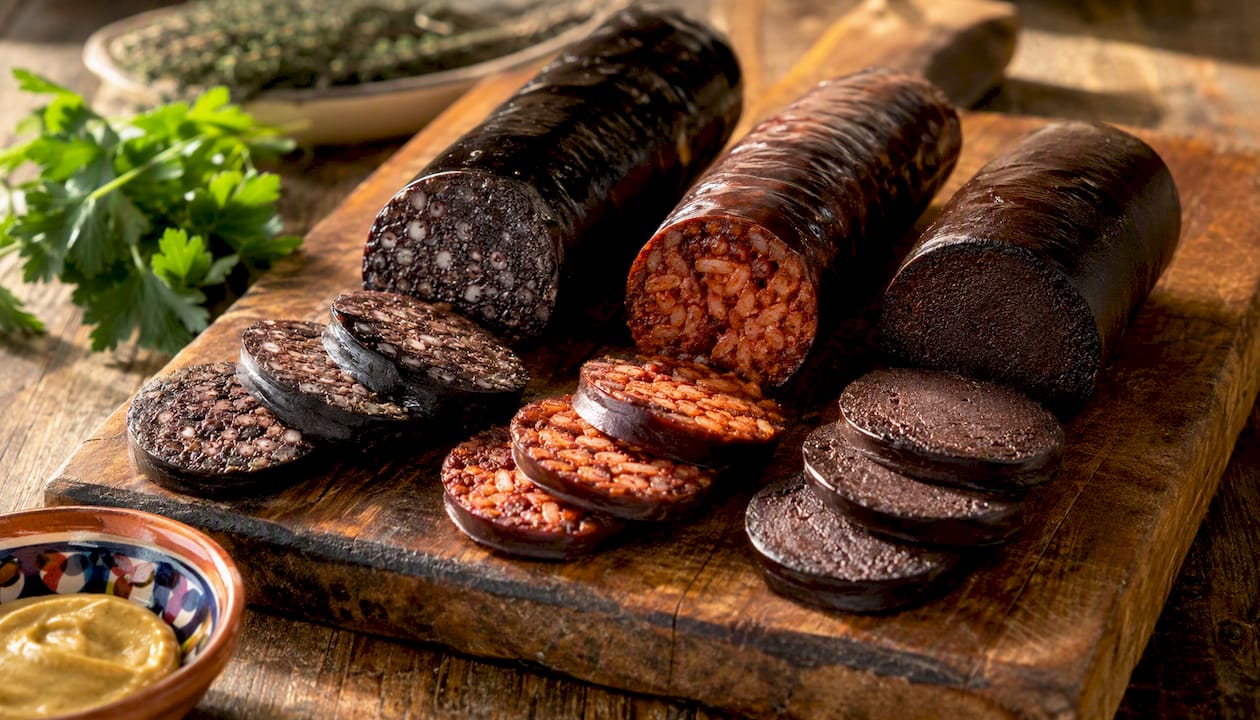
TOJEXPRESS.COM-Antonio HenryBlack pudding is a type of blood sausage made primarily from pig’s blood, fat, and a cereal binder like oatmeal or barley, stuffed into a casing and cooked. You may also see it called blood pudding or blood sausage in North America, boudin noir in France, or morcilla in Spain. It originated in the United Kingdom and Ireland, where it has been a breakfast staple for centuries, and it remains one of the most distinctive items on a full English or full Irish breakfast plate.
The word “pudding” here has nothing to do with dessert. It comes from an older culinary tradition of calling any stuffed sausage a pudding, as noted by food historians who trace the term back through centuries of British kitchen practice.
Key Takeaways
Black pudding is a British and Irish blood sausage made from pig’s blood, fat, and oatmeal, with a savory flavor and firm texture that works best when pan-fried until the edges crisp.
| Point | Details |
|---|---|
| What it is | A blood sausage from the UK and Ireland made from pig’s blood, fat, and oatmeal or barley. |
| How it tastes | Savory and umami-forward, with a firm texture that crisps when fried at medium-high heat. |
| Key nutrition flags | Good source of iron and protein; check labels for gluten, sodium, and pork content. |
| Global cousins | Spanish morcilla uses rice filler; French boudin noir uses cream; North American labels vary widely. |
| Where to buy in the U.S. | Specialty British delis, ethnic grocers, online importers, and Tojexpress in the Atlanta area. |
Table of Contents
- What is black pudding, and where did it come from?
- Core ingredients and what each one does
- How black pudding is made, step by step
- How black pudding compares to morcilla, boudin noir, and other blood sausages
- What black pudding tastes like and how to serve it
- Nutrition, safety, and dietary flags
- Where to find black pudding in the United States
- How to cook black pudding at home
- A note from Antonio at Tojexpress
- Black pudding is worth trying — here’s how to get it
- Sources
What is black pudding, and where did it come from?
Black pudding’s roots are practical, not gourmet. After a pig was slaughtered, blood spoiled fast. Mixing it with fat and grain to make a sausage was the most efficient way to preserve it, and the result turned out to be genuinely good to eat. That nose-to-tail logic made black pudding a staple across the British Isles long before refrigeration existed.
Over time, it moved from farmhouse necessity to beloved regional tradition. Key cultural facts:
- It became a fixture on the full English breakfast alongside eggs, bacon, beans, and toast, and on the full Irish breakfast with white pudding and soda bread.
- Regional butchers developed their own recipes, guarding spice blends the way American BBQ pitmasters guard their rubs.
- Northern English recipes historically used pennyroyal, a strongly aromatic herb, while other regions favored marjoram, thyme, or even cumin, according to Wikipedia’s entry on black pudding.
- Scotland developed its own version, often with a higher oat content and a drier, crumblier texture than the English style.
- Irish black pudding tends to be milder and less spiced than its British counterparts, with brands like Clonakilty becoming well known internationally.
Core ingredients and what each one does
A traditional black pudding recipe is short and honest. The River Cottage recipe gives a clear picture of what goes into a classic batch:
- Pig’s blood: The base and binding agent. It gives the sausage its dark color and iron-rich flavor.
- Back fat or beef suet: Adds richness and keeps the texture from becoming rubbery.
- Soaked oatmeal or barley: The cereal binder that absorbs blood and fat, giving the sausage body and a slightly grainy texture.
- Onions: Cooked down and folded in for sweetness and depth.
- Salt and spices: Black pepper, mace, and herbs like thyme or marjoram are common. The spice blend is where regional identity lives.
- Casings: Traditional recipes use natural beef intestine casings. Commercial products often use cellulose or synthetic skins.
Pro Tip: When buying packaged black pudding, check whether the filler is oatmeal or rice. Oatmeal is the British standard and gives a firmer, earthier result. Rice filler is more common in Spanish morcilla and produces a softer, looser texture. Neither is wrong, but they cook and taste differently.
How black pudding is made, step by step
The production process is straightforward whether you’re making it at home or reading a commercial label.
- Prepare the blood. Fresh pig’s blood is strained and sometimes mixed with a small amount of vinegar to prevent clotting. Commercial producers typically use imported dried blood powder reconstituted with water.
- Cook the onions and fat. Diced back fat and onions are rendered or softened before mixing, which prevents raw pockets in the finished sausage.
- Mix the binder. Oatmeal or barley is soaked, then combined with the fat, onions, salt, and spices to form a thick paste.
- Add the blood. The blood is stirred into the mixture until fully incorporated. The result is a dark, loose filling.
- Fill the casings. The mixture is piped into natural or synthetic casings and tied off into links or a ring shape.
- Simmer. The filled casings are submerged in hot water (not a rolling boil, which can burst them) and cooked through, typically for a period of time sufficient to cook through.
- Cool and slice. Once cooled, the sausage firms up and can be sliced into rounds for frying, grilling, or crumbling.
Artisanal producers use fresh blood and natural casings, which produce a richer flavor and a more delicate texture. Most commercial products sold in U.S. stores use dried blood and cellulose skins, and they arrive pre-cooked. That pre-cooked status matters: you’re reheating, not cooking raw meat.
How black pudding compares to morcilla, boudin noir, and other blood sausages
Black pudding belongs to a large global family of blood sausages. The three most relevant to U.S. shoppers are the British/Irish original, Spanish morcilla, and French boudin noir. The Spruce Eats notes that morcilla commonly uses rice as a filler rather than oats, which is one of the clearest practical differences between the styles.
| Feature | Black pudding (UK/Ireland) | Morcilla (Spain) | Boudin noir (France) |
|---|---|---|---|
| Primary filler | Oatmeal or barley | Rice (most regions) | Cream or breadcrumbs |
| Spice profile | Pepper, mace, thyme, pennyroyal | Paprika, cumin, onion | Quatre épices, onion |
| Typical texture | Firm, slightly grainy | Soft, loose | Smooth, creamy |
| Common dishes | Full English breakfast, salads | Tapas, stews | Charcuterie boards, pan-fried |
North American “blood sausage” is a catch-all label that can refer to any of these styles depending on the producer’s background. Eastern European butchers in the U.S. often make their own versions using buckwheat or barley, closer to Polish kaszanka. When you see “blood sausage” on a label without further description, the ingredient list tells you more than the name does.
For readers curious about other regional sausage traditions, the Botifarra sausage guide from Els Pescadors covers another European blood sausage worth knowing about.
What black pudding tastes like and how to serve it
The flavor is savory and deeply umami, with a mild iron note that the spices and oatmeal keep from tasting metallic. Think of it as somewhere between a well-seasoned pork sausage and a rich liver pâté, but firmer and less gamey than either. When fried, the exterior crisps into something almost nutty, while the interior stays dense and moist.
Common ways to eat it:
- Sliced and pan-fried alongside eggs and bacon on a breakfast plate, per the Britannica description of the full English and full Irish traditions.
- Crumbled into dishes like salads, risottos, or pasta, where it functions as a savory, textured topping.
- Grilled on a breakfast plate or as part of a charcuterie spread.
- Paired with apples or pears, whose acidity cuts through the richness of the fat.
- Served with potato dishes, from hash browns to colcannon, which is a classic Irish pairing.
Pro Tip: Slice the pudding about ½ inch thick before frying. Thinner slices fall apart; thicker ones stay gummy in the center. Medium-high heat and a dry or lightly oiled pan give you the crisp edge that makes the texture work.
For Caribbean-inspired side dish ideas that pair well with a fried sausage like this, the best Caribbean side dishes guide at Tojexpress has solid options.
Nutrition, safety, and dietary flags
Black pudding is a genuinely good source of iron and protein, which makes sense given that blood is its primary ingredient. The exact nutrient levels vary considerably between manufacturers, so reading the label matters more than relying on general claims, as BBC Good Food points out. Some commercial versions add breadcrumbs as a filler, which raises the carbohydrate count and introduces gluten.
Key dietary and safety flags:
- Pork: Black pudding almost always contains pork blood and pork fat, making it unsuitable for people who avoid pork for religious or dietary reasons.
- Gluten: Oatmeal-based versions may contain gluten, and some commercial recipes add wheat-based breadcrumbs. Check the label if you have celiac disease or a gluten sensitivity.
- Suet: Traditional recipes use beef suet, which is not vegetarian or vegan.
- Salt: Commercial products can be high in sodium. Compare labels if that matters to you.
- Pre-cooked status: Most packaged black pudding sold in the U.S. is pre-cooked. You still need to heat it thoroughly before eating, but you are not handling raw blood.
For refrigerated black pudding, use it within two to three days of opening. Frozen black pudding keeps well for up to two months; thaw it overnight in the refrigerator before cooking. If you want guidance on evaluating frozen food packaging quality more broadly, the frozen foods guide for Atlanta shoppers at Tojexpress covers what to look for.
If you suspect a sensitivity to any ingredient commonly found in processed sausages, the FoodConnection blog on food sensitivity testing explains what the evidence actually says about testing options.
This article provides general food information, not medical or dietary advice. Consult a qualified professional for personal health guidance.
Where to find black pudding in the United States
Black pudding is not on every grocery shelf in the U.S., but it is far more available than most people expect. Here is where to look:
- Specialty British and Irish delis: Cities with large British or Irish communities (Boston, Chicago, New York, Atlanta) often have delis that stock imported brands.
- European butcher shops: Many stock their own blood sausage or carry imported British-style versions.
- Ethnic grocery stores: Caribbean, Latin, and Eastern European grocers frequently carry blood sausage products that are close relatives of black pudding.
- Online retailers: Several importers ship vacuum-sealed or frozen black pudding directly to U.S. addresses. Frozen shipping is reliable for this product.
- Tojexpress: Carries specialty food products including Caribbean and international items at its Atlanta-area location and online.
Buying tips:
- Look for “pre-cooked” on the label so you know what you’re working with.
- Check the filler: oatmeal for British style, rice for Spanish-style morcilla.
- Review the casing type: natural casings are a quality signal; cellulose is standard for commercial products.
- Check the allergen statement for gluten, wheat, and pork.
- For frozen orders, confirm the seller uses insulated packaging with ice packs.
How to cook black pudding at home
Most store-bought black pudding is pre-cooked, so the goal is to reheat it while building texture.
Pan-frying method (recommended):
- Slice the pudding into rounds about ½ inch thick.
- Heat a skillet over medium-high heat with a small amount of neutral oil or butter.
- Add the slices in a single layer without crowding the pan.
- Cook for 2–3 minutes per side until the edges are visibly crisped and the center is heated through.
- Serve immediately.
Oven method: Place slices on a baking sheet at 400°F for 10–12 minutes, flipping once halfway through. This works well when you’re cooking a large batch alongside other breakfast items.
From frozen: Thaw overnight in the refrigerator, then follow the pan-frying method above. Cooking from frozen is possible but produces uneven results.
Pro Tip: Resist the urge to press the slices down with a spatula. Let them sit undisturbed so the bottom crust forms properly. Moving them too early tears the crust and leaves you with a flat, gummy result.
A note from Antonio at Tojexpress
Black pudding comes up more often than you’d expect at Tojexpress. Customers from the UK, Ireland, and the Caribbean all ask about it, and the interest from American customers who’ve tried it abroad has grown steadily. The product sits at an interesting crossroads: it’s a British breakfast classic, but blood sausage traditions run deep in Caribbean cooking too, which makes it a natural fit for what Tojexpress carries. The Atlanta area has a genuinely diverse food community, and products like this one reflect that.
Black pudding is worth trying — here’s how to get it
If you’ve been curious about black pudding after seeing it on a British cooking show or a restaurant menu, Tojexpress is a practical starting point. The store carries specialty food products at its Atlanta-area location and online, with options for local pickup or shipping. Check the website for current stock, or reach out directly to ask about availability for specific brands or formats.

Tojexpress focuses on American and Caribbean grocery staples, which means the product selection reflects real demand from a diverse customer base rather than a generic import catalog. If black pudding is in stock, you’ll find it alongside other specialty items worth exploring.
Sources
- Black pudding - Wikipedia
- All you need to know about black pudding | Good Food
- What Is Black Pudding? - The Spruce Eats
- Black pudding - Britannica
- Homemade Black Pudding Recipe - River Cottage