

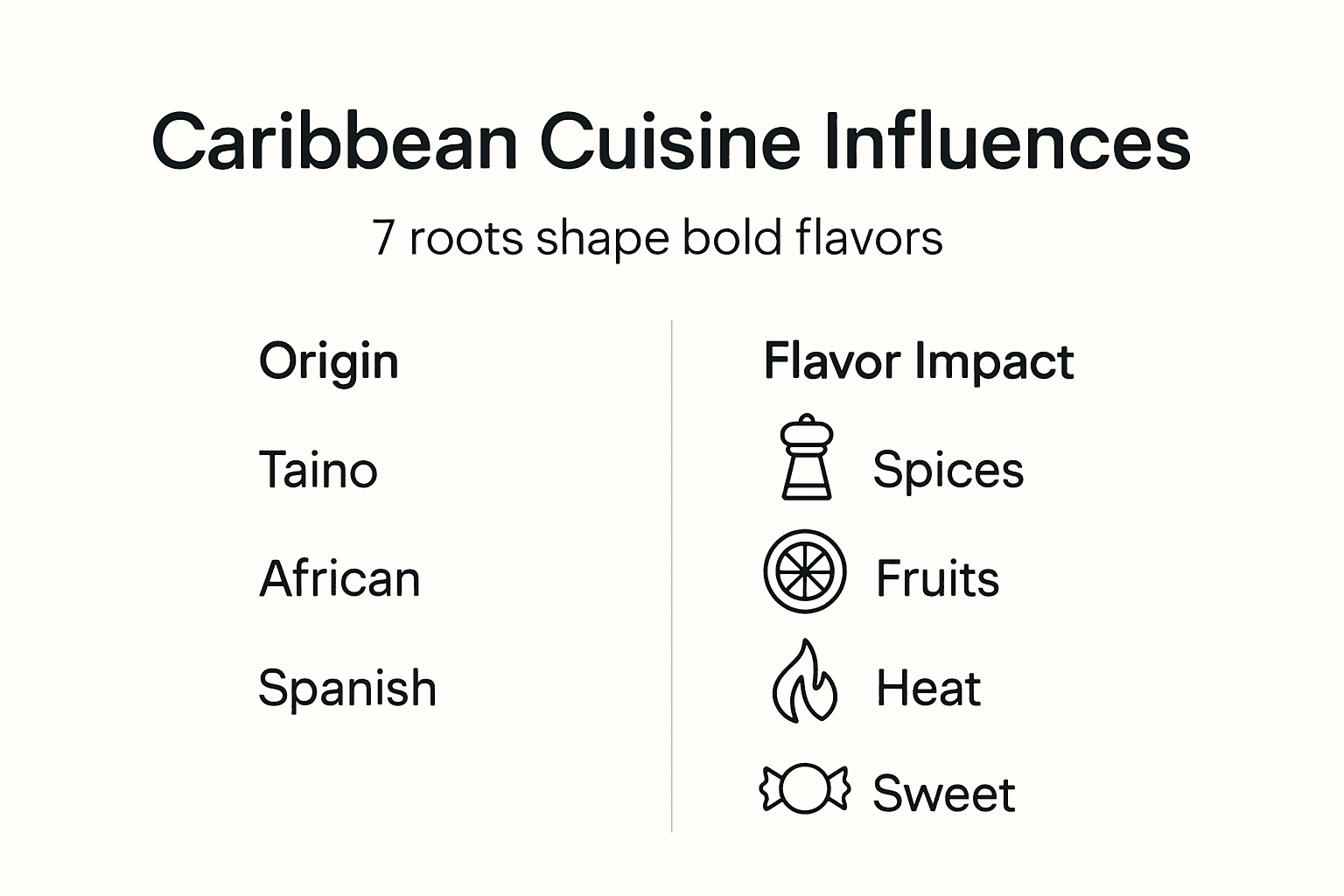
What is Caribbean cuisine? 7 influences shape bold flavors
TOJEXPRESS.COM-Antonio HenryCaribbean cuisine goes far beyond jerk chicken and rum cocktails. It represents a living fusion of indigenous, African, European, and Asian culinary traditions spanning five centuries. This article explains its complex origins, essential ingredients, authentic cooking techniques, and how you can recreate traditional dishes at home using ingredients available in Georgia.
Table of Contents
- Introduction To Caribbean Cuisine
- Historical And Cultural Origins Of Caribbean Cuisine
- Key Ingredients And Flavor Profiles In Caribbean Cuisine
- Traditional Cooking Techniques In Caribbean Cuisine
- Regional Variations And Signature Caribbean Dishes
- Common Misconceptions About Caribbean Cuisine
- Practical Application: Cooking Authentic Caribbean Recipes At Home
- Explore Authentic Caribbean Ingredients And Recipes At Toj Express
- Frequently Asked Questions About Caribbean Cuisine
Key takeaways
| Point | Details |
|---|---|
| Cultural fusion | Caribbean cuisine blends indigenous Taíno, African, European, and Asian influences creating unique regional flavors. |
| Essential ingredients | Scotch bonnet peppers, allspice, plantains, cassava, and coconut milk define authentic taste profiles. |
| Regional diversity | Each island features distinct signature dishes reflecting its specific colonial and cultural history. |
| Cooking methods | Traditional techniques include jerk marinating, pimento wood grilling, and slow stewing for deep flavors. |
| Home cooking access | Authentic Caribbean ingredients and recipes are accessible through specialty stores in Georgia. |
Introduction to Caribbean cuisine
Caribbean cuisine represents one of the world’s most complex culinary traditions. Centuries of cultural blending involving indigenous, African, European, and Asian influences created this distinctive food heritage. It spans over 7,000 islands across the Caribbean Sea, each contributing unique dishes and preparation methods.
The cuisine extends far beyond stereotypical spicy dishes. It encompasses subtle flavor balances, diverse cooking techniques, and ingredients ranging from root vegetables to tropical fruits. Understanding this diversity helps you appreciate why Caribbean food holds such cultural significance for millions of people.
Iconic dishes include:
- Jamaican jerk chicken marinated with pimento and Scotch bonnet peppers
- Trinidadian doubles featuring curried chickpeas in fried flatbread
- Cuban ropa vieja showcasing Spanish influenced shredded beef
- Barbadian cou cou combining cornmeal with okra
- Puerto Rican mofongo made from fried plantains
These dishes represent distinct island identities while sharing common ancestral roots. The cuisine serves as cultural heritage, preserving traditions passed through generations. Food connects Caribbean communities to their complex history while evolving with contemporary influences.
Caribbean products are trending in American markets as more people discover authentic flavors. Access to traditional ingredients makes recreating these dishes at home increasingly practical for food enthusiasts in Georgia.
Historical and cultural origins of Caribbean cuisine
The Caribbean’s culinary foundation begins with indigenous peoples. The Taíno, Arawak, and Carib communities cultivated cassava and native peppers that formed the early culinary base. They developed barbacoa, a cooking method using wooden frameworks over fire that evolved into modern barbecue. Sweet potatoes, corn, and various peppers were staple crops before European contact.
African influence transformed Caribbean cooking fundamentally. The forced migration introduced yams and okra, plus cooking methods like marinating that became signature techniques. Enslaved Africans brought knowledge of rice cultivation, spice blending, and preservation methods. They adapted available ingredients to recreate familiar dishes, creating entirely new flavor profiles in the process.
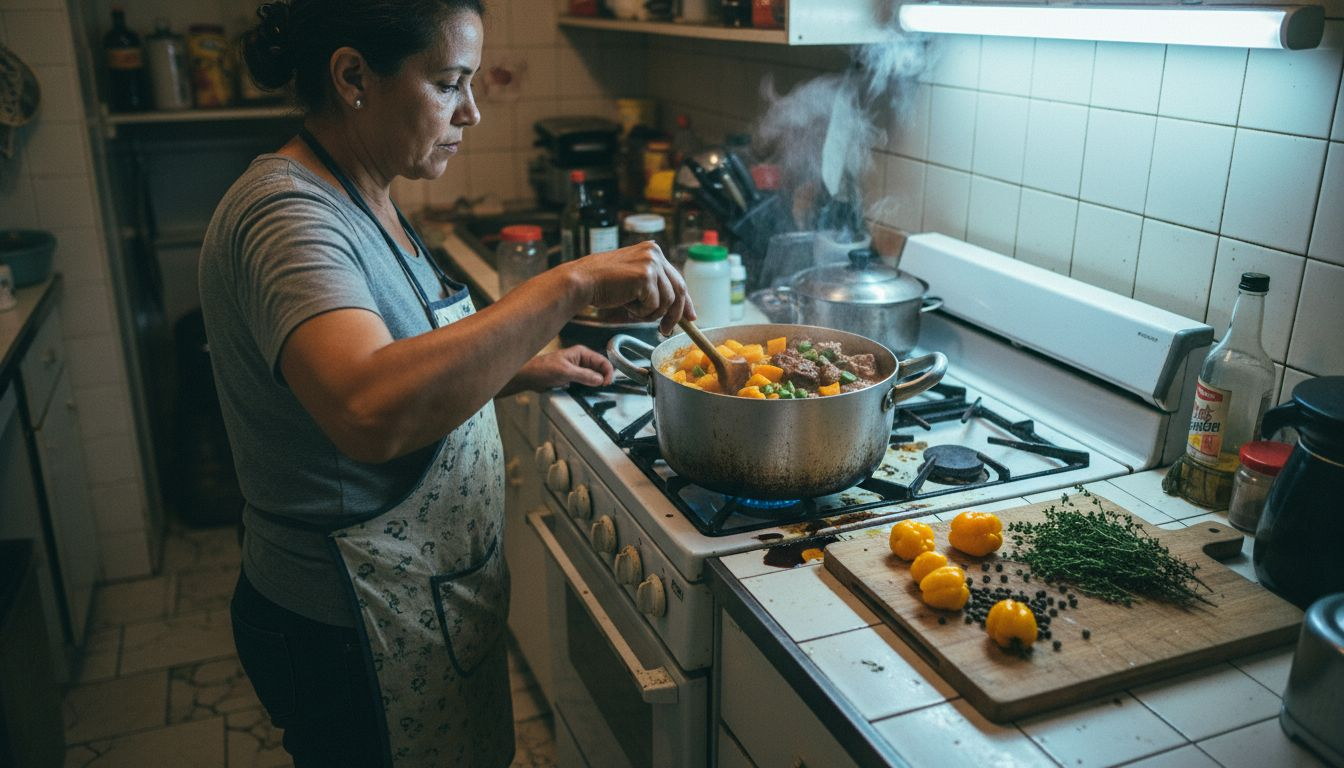
European colonization added another layer of complexity. Colonial powers brought livestock, sugarcane, and new cooking methods including baking and stewing. Spanish colonizers introduced citrus fruits, garlic, and olive oil. British influence brought curry powder through trade with India. French techniques refined sauces and pastries across French speaking islands.
Asian immigration during the 19th and 20th centuries completed the fusion. Indian and Chinese laborers brought:
- Curry spices and roti flatbreads
- Wok cooking and stir fry techniques
- Soy sauce and ginger flavor profiles
- Rice as a central dietary staple
These historical origins of Caribbean cuisine created a mosaic where each island reflects its specific colonial and migration patterns. Understanding these roots helps explain why Trinidad features Indian influenced doubles while Cuba showcases Spanish style stews. The cultural product influences continue shaping modern American food trends.
Key ingredients and flavor profiles in Caribbean cuisine
Authentic Caribbean flavors depend on specific ingredients that create bold, layered taste profiles. Essential spices include allspice, thyme, and Scotch bonnet pepper. Allspice, native to Jamaica, provides warm notes resembling cinnamon, nutmeg, and cloves combined. Scotch bonnet peppers deliver intense heat balanced by fruity undertones.
Staple root vegetables and starches form meal foundations:
- Plantains used green for savory dishes or ripe for sweet preparations
- Yams and sweet potatoes providing dense, nutritious carbohydrates
- Cassava processed into flour, bread, or side dishes
- Breadfruit offering starchy texture when roasted or fried
Tropical fruits add sweetness and acidity. Mangoes, pineapples, and papayas appear in salsas, marinades, and desserts. Coconut milk enriches stews and rice dishes with creamy texture. Lime juice brightens flavors while helping tenderize meats through acid marination.
Flavor profiles balance multiple taste elements simultaneously. Heat from peppers contrasts with sweetness from fruits or brown sugar. Aromatic herbs like cilantro and scallions add freshness. Acid from citrus or vinegar cuts through rich, fatty meats. This complexity distinguishes Caribbean cooking from simpler single note flavor approaches.
Caribbean spices matter because authentic blends cannot be replicated with generic supermarket alternatives. Proper jerk seasoning requires specific ratios of allspice, thyme, Scotch bonnet, and additional aromatics. Finding Caribbean groceries in Atlanta ensures access to genuine ingredients that deliver traditional tastes. Understanding key Caribbean ingredients helps you select quality products for home cooking.
Traditional cooking techniques in Caribbean cuisine
Authentic Caribbean dishes rely on specific preparation methods that develop deep flavors. Marinating with jerk seasoning, grilling over pimento wood, and slow stewing preserve flavors and cultural traditions. These techniques were refined over centuries to maximize taste while working with available resources.
Marinating stands as the foundation of Caribbean flavor development:
- Blend spices, herbs, and peppers into wet or dry rubs
- Apply generously to proteins, coating all surfaces thoroughly
- Refrigerate for minimum 4 hours, preferably overnight
- Allow acids and enzymes to tenderize while flavors penetrate deep
Grilling over pimento wood adds signature smoky character impossible to replicate with gas grills. The wood from allspice trees imparts aromatic compounds that complement jerk seasonings perfectly. Traditional jerk pits use green pimento branches laid over charcoal, creating smoke that infuses chicken or pork during slow cooking.
Slow cooking and stewing create tender, richly flavored dishes. Oxtail, goat, and tough cuts transform through hours of gentle simmering. Liquid reduces and concentrates, coating meat with thick, savory sauces. This method works perfectly for one pot meals combining proteins, root vegetables, and aromatic seasonings.
Frying produces beloved street foods and snacks. Doubles feature fried flatbread surrounding curried chickpeas. Accra, or saltfish fritters, combine salted cod with peppers in crispy battered bites. Festival, a slightly sweet fried dumpling, accompanies many meals.
Pro Tip: If you cannot find pimento wood, combine hickory chips with whole allspice berries soaked in water for 30 minutes before adding to your grill for a similar aromatic effect.
Shopping Caribbean groceries in Atlanta gives you access to proper ingredients and tools for authentic cooking techniques. Quality matters when traditional methods depend on specific flavor profiles.
Regional variations and signature Caribbean dishes
Each Caribbean island developed distinct culinary identities reflecting unique colonial histories and available ingredients. Jamaican jerk chicken, Trinidadian doubles, and Cuban ropa vieja each reflect distinct island histories and ingredient choices. Understanding these differences reveals the cuisine’s true diversity.
Jamaican cuisine showcases intense spice blends and grilling traditions. Jerk chicken combines allspice, Scotch bonnet peppers, thyme, and scallions in a fiery marinade. Ackee and saltfish, the national dish, pairs the creamy fruit with salted cod. Oxtail stew simmers for hours in rich brown sauce with butter beans.
Trinidadian food reflects strong Indian influences from 19th century immigration:
- Doubles featuring bara flatbread with curried channa chickpeas
- Roti wraps filled with curry chicken, goat, or vegetables
- Pelau, a one pot rice dish with pigeon peas and caramelized meat
- Callaloo soup made from dasheen leaves similar to spinach
Cuban cuisine leans heavily on Spanish traditions. Ropa vieja shreds flank steak in tomato based sauce with peppers and olives. Moros y cristianos combines black beans with rice. Lechón asado, or roast pork, marinates in mojo sauce featuring sour orange juice and garlic.
| Island | Signature Dish | Key Ingredients | Cooking Method |
|---|---|---|---|
| Jamaica | Jerk chicken | Allspice, Scotch bonnet, thyme | Grilled over pimento wood |
| Trinidad | Doubles | Chickpeas, curry powder, bara bread | Fried flatbread |
| Cuba | Ropa vieja | Flank steak, tomatoes, peppers | Slow braised |
| Puerto Rico | Mofongo | Green plantains, garlic, pork | Mashed and fried |
| Barbados | Flying fish | Fresh fish, breadfruit, hot sauce | Pan fried |
Spice blends vary significantly between islands. Jamaican jerk differs completely from Puerto Rican adobo despite both being marinades. Understanding regional Caribbean dishes helps you select recipes matching your heat tolerance and flavor preferences.
Pro Tip: Start with Trinidadian or Puerto Rican recipes if you prefer milder heat levels, then progress to Jamaican dishes as your tolerance builds.
Caribbean spices importance becomes clear when comparing these regional variations. Authentic island flavors require proper spice blends specific to each tradition.
Common misconceptions about Caribbean cuisine
Several myths limit people’s understanding and appreciation of Caribbean food’s true diversity. Not all Caribbean dishes are intensely spicy; many balance heat with sweetness and aromatics. This misconception prevents many from exploring the cuisine’s full range.
The heat level myth stems from focus on dishes like jerk chicken. Reality shows tremendous variety:
- Callaloo soup offers mild, earthy flavors similar to spinach dishes
- Coconut rice and peas provides subtle sweetness without heat
- Stewed chicken features savory brown sauce with minimal pepper
- Festival dumplings taste slightly sweet with no spice content
Another misconception reduces Caribbean cuisine to jerk chicken alone. While iconic, jerk represents one preparation method from one island. Hundreds of traditional dishes span the region, from Cuban sandwiches to Haitian griot to Barbadian pudding and souse. Each island contributes dozens of unique recipes.
Indigenous contributions often get overlooked in favor of African and European influences. The Taíno people provided foundational ingredients like cassava, which remains central to modern Caribbean cooking. Barbacoa cooking methods directly influenced contemporary grilling techniques across the Americas.
People assume Caribbean cuisine requires exotic, impossible to find ingredients. While authentic products improve results, many dishes adapt well to widely available substitutes. Caribbean food misconceptions prevent home cooks from attempting recipes that actually work with accessible ingredients.
Preference for Caribbean groceries exists because authentic products deliver better results, but specialty ingredients are not always mandatory for beginners learning basic preparations.
Practical application: cooking authentic Caribbean recipes at home
Success with Caribbean cooking starts with sourcing quality ingredients. Fresh spices deliver dramatically better flavor than years old supermarket options. Shopping Caribbean groceries in Atlanta connects you with specialty stores stocking authentic products.
Beginner friendly recipes build confidence while teaching fundamental techniques:
- Coconut rice and peas using canned coconut milk and dried beans
- Simple jerk chicken with store bought jerk paste for initial attempts
- Fried plantains requiring only green plantains, oil, and salt
- Callaloo soup adapting fresh spinach when dasheen leaves are unavailable
Authentic spice blends make the biggest flavor difference. Pre mixed jerk seasoning, curry powder, and complete seasoning blends eliminate guesswork for beginners. As skills develop, mixing custom blends from individual spices allows adjusting heat levels and flavor profiles to personal preferences.
Substitutions work when necessary but understanding limitations helps. Habanero peppers approximate Scotch bonnet heat but lack the fruity undertones. Regular thyme substitutes Caribbean thyme adequately. However, some ingredients like green seasoning or cassava flour perform uniquely and justify seeking authentic versions.
Pro Tip: Buy whole spices and grind them fresh for maximum flavor impact. Allspice berries, whole cloves, and cinnamon sticks stay potent far longer than pre ground versions.
Caribbean frozen foods for home cooks offer convenient options when fresh ingredients are impractical. Frozen plantains, pre made roti, and prepared patties simplify weeknight cooking while maintaining authentic tastes.
Explore authentic Caribbean ingredients and recipes at Toj Express
Ready to start cooking authentic Caribbean dishes? Finding the right ingredients makes all the difference between mediocre results and restaurant quality flavors at home.

Toj Express provides Georgia food enthusiasts with comprehensive access to traditional Caribbean products. Our Caribbean grocery collection includes essential spices, hard to find ingredients, and specialty items that bring island authenticity to your kitchen. We understand the importance of quality ingredients because we serve communities that demand genuine flavors.
From Scotch bonnet peppers to cassava flour, from jerk seasoning blends to coconut milk, our selection covers everything needed for traditional recipes. Shop Caribbean groceries in Atlanta and discover how authentic ingredients transform your cooking. Our knowledgeable staff helps you select products suited to your skill level and recipe requirements. Learn why Caribbean products provide flavor boost and culture in 2026 for American home cooks.
Frequently asked questions about Caribbean cuisine
What are the staple ingredients in Caribbean cooking?
Essential staples include plantains, cassava, yams, rice, beans, coconut milk, allspice, thyme, Scotch bonnet peppers, and various tropical fruits. These ingredients appear across most island cuisines despite regional variations in preparation methods.
How can I find authentic Caribbean spices in Georgia?
Specialty Caribbean markets in Atlanta and surrounding areas stock authentic spice blends, fresh peppers, and traditional ingredients. Online retailers also ship genuine products directly to Georgia addresses when local options are limited.
Is all Caribbean food very spicy?
No, heat levels vary significantly across dishes and islands. Many traditional recipes feature mild, savory flavors with little to no pepper heat. Spicy dishes like jerk are famous but represent only one segment of the diverse cuisine.
Can I make Caribbean dishes without special equipment?
Most Caribbean recipes require only standard kitchen tools like pots, pans, and knives. While traditional jerk benefits from outdoor grills, oven baking produces excellent results. A mortar and pestle helps with spice blending but food processors work adequately.
What dishes are best for beginners learning Caribbean cooking?
Start with coconut rice and peas, fried plantains, or simple stewed chicken using pre mixed seasonings. These recipes teach fundamental techniques without overwhelming complexity. Progress to jerk chicken, curry goat, or oxtail stew as confidence builds.
How do I adjust spice levels in Caribbean recipes?
Reduce or eliminate Scotch bonnet peppers while maintaining other seasonings for milder versions. Add heat gradually using hot sauce at the table rather than during cooking. Most marinades and spice blends work excellently without intense pepper heat.