
Why shop multicultural stores in Atlanta for flavors
TOJEXPRESS.COM-Antonio HenryWalk into a multicultural store in Atlanta and you’ll see 184 flags hanging from the ceiling, each representing a different country and the diverse communities that call this city home. While mainstream supermarkets stock familiar brands, these cultural hubs offer something far more valuable: authentic products that connect you to heritage, community bonds that strengthen neighborhoods, and fresh ingredients you won’t find anywhere else. For consumers seeking genuine American and Caribbean flavors, these stores transform grocery shopping from a chore into a cultural experience that celebrates diversity while addressing real food access gaps in Atlanta’s communities.
Table of Contents
- Unique Authentic Products Unavailable In Mainstream Supermarkets
- Community And Cultural Connections Fostered By Multicultural Stores
- Affordable Quality And Addressing Local Food Access Disparities
- Choosing Multicultural Stores Over Mainstream Supermarkets: Benefits And Nuances
- Explore Authentic American And Caribbean Products At TOJ EXPRESS
Key takeaways
| Point | Details |
|---|---|
| Authentic product access | Multicultural stores stock rare items like ackee, callaloo, and injera flour unavailable in mainstream chains |
| Community cultural hub | Multilingual staff and shoppers create welcoming spaces that preserve heritage and build social connections |
| Affordable fresh quality | Direct farm sourcing delivers fresher produce and bulk spices at lower prices than conventional supermarkets |
| Food access equity | These stores help address disparities affecting 1 in 4 Atlantans living in food deserts |
Unique authentic products unavailable in mainstream supermarkets
Multicultural stores in Atlanta carry products not found in mainstream supermarkets that connect shoppers directly to their cultural roots. You’ll discover ingredients essential to Caribbean cooking like ackee and callaloo, African staples such as injera flour and cassava, and specialty spices that bring authentic flavor to traditional recipes. These aren’t watered down versions or substitutes. They’re the real ingredients your grandmother used, sourced from regions where they grow best.
The diversity extends beyond individual products to represent entire culinary traditions. Flags from 184 countries hang overhead, symbolizing the global reach of inventory that serves Atlanta’s incredibly diverse population. Staff members speak 50 languages from over 40 countries, ensuring you can ask questions about unfamiliar ingredients in your preferred language. This linguistic diversity creates an environment where cultural knowledge flows freely between employees and customers.
Mainstream supermarkets simply can’t match this breadth of authentic offerings. Their supply chains prioritize high volume products that appeal to the broadest customer base, leaving niche cultural items off the shelves entirely. When they do stock international foods, selections are often limited to a single aisle with generic brands that lack the authenticity serious cooks demand. The difference becomes obvious when you compare the vibrant produce sections and specialty aisles of multicultural stores to the token “ethnic food” sections in conventional grocers.
Key authentic products you’ll find include:
- Fresh plantains in multiple ripeness stages for cooking or frying
- Scotch bonnet peppers that deliver genuine Caribbean heat
- Dried salted cod for traditional bacalao dishes
- Tamarind paste, curry leaves, and hard to find spices
- Specialty flours like cassava and yam for traditional baking
Shopping for Caribbean groceries in Atlanta becomes easier when you understand which stores prioritize authenticity over convenience. These multicultural markets preserve culinary heritage by maintaining relationships with importers who specialize in regional products. You’re not just buying ingredients. You’re accessing a supply chain built specifically to serve diaspora communities who refuse to compromise on flavor and tradition. For essential tips on finding Atlanta Caribbean groceries, focus on stores where staff can explain preparation methods and suggest complementary ingredients.
Community and cultural connections fostered by multicultural stores
Beyond products, these stores function as cultural hubs that connect shoppers with their heritage through shared experiences and multilingual staff who understand the deeper meaning behind each purchase. The 184 flags aren’t just decoration. They’re visible affirmations that your culture matters, that your food traditions deserve respect, and that you belong in this space. Walking through aisles where others speak your language and recognize your favorite childhood snacks creates powerful emotional connections that sterile supermarkets can’t replicate.
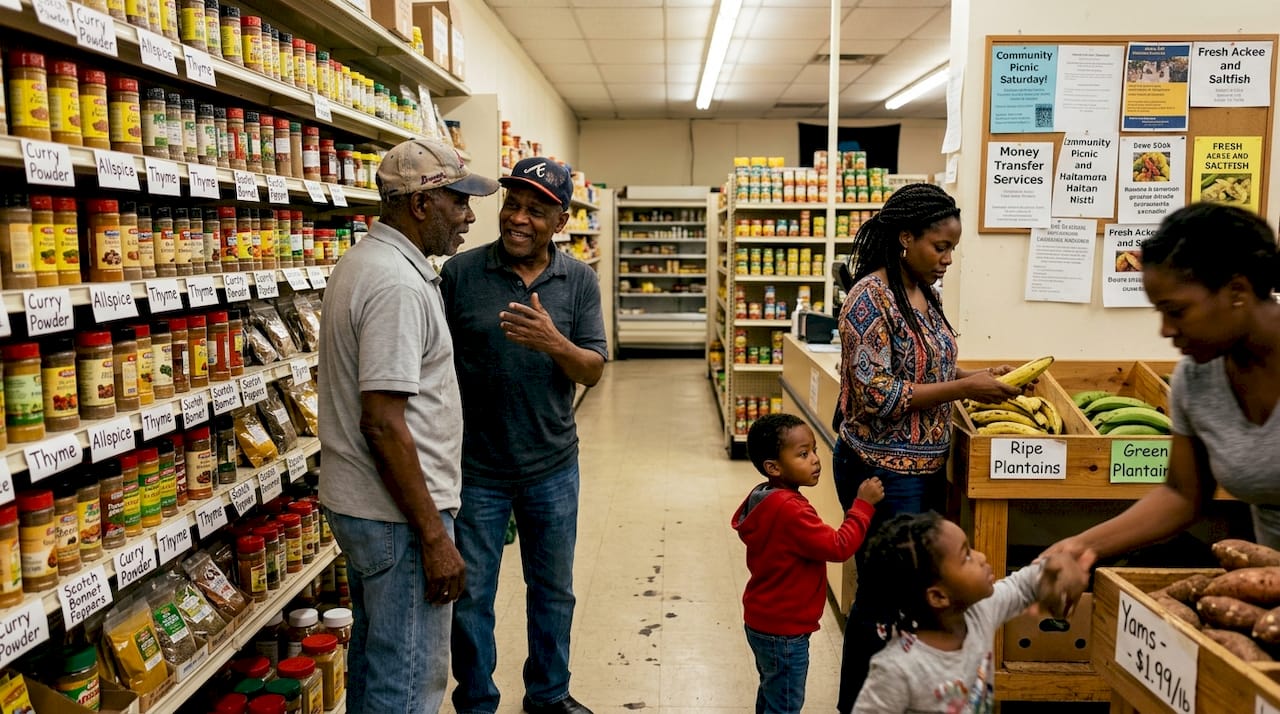
Multilingual staff members do more than ring up purchases. They share cooking tips, recommend complementary ingredients, and connect customers who share cultural backgrounds. A Jamaican shopper might strike up a conversation with an employee from Kingston about the best way to prepare ackee and saltfish. An Ethiopian customer could get advice on sourcing the perfect teff flour for injera. These interactions transform routine shopping trips into opportunities for cultural exchange and community building.
The social bonds strengthen particularly in diverse Atlanta suburbs like Decatur and Stone Mountain, where multicultural stores serve as gathering places for diaspora communities. You’ll overhear conversations in Patois, Spanish, Amharic, and dozens of other languages as shoppers reconnect with familiar flavors and faces. Parents introduce children to foods from their homeland, passing down culinary traditions that might otherwise fade in a new country. Elders share stories about how dishes were prepared back home, preserving oral histories alongside recipes.
“These stores don’t just sell food. They sell memories, connections, and pieces of home that money can’t buy anywhere else. Every visit reminds me why my culture matters.”
Community events and cultural celebrations often find natural homes in these spaces. Stores might host cooking demonstrations during heritage months, offer samples of traditional holiday foods, or provide bulletin boards where community organizations post event flyers. The role of grocery stores in Atlanta’s diversity extends far beyond commerce into social infrastructure that supports cultural preservation.
Key community benefits include:
- Safe spaces where cultural identity receives validation and celebration
- Intergenerational knowledge transfer about traditional cooking methods
- Networking opportunities for immigrants and diaspora community members
- Support for small businesses owned by community members
- Cultural education for customers exploring new cuisines
These connections matter especially for first and second generation immigrants navigating identity in a new country. Finding your grandmother’s favorite snack or the exact spice blend your mother used creates tangible links to heritage that strengthen cultural identity. The stores become anchors for communities, places where cultural authenticity isn’t just preserved but actively celebrated through daily interactions and shared experiences.
Affordable quality and addressing local food access disparities
Multicultural stores deliver fresher and more affordable products through direct farm relationships that bypass traditional distribution networks, cutting costs while improving quality. Many stores receive shipments directly from farms and international suppliers, ensuring produce arrives fresher than items that sit in warehouse distribution centers for days. This direct sourcing model particularly benefits shoppers seeking specialty items that mainstream chains order in small quantities at premium prices.
Bulk spice sections offer dramatic savings compared to the tiny overpriced jars at conventional supermarkets. You can buy exactly the amount you need for a recipe or stock up on frequently used seasonings at a fraction of typical costs. Fresh produce often costs less because stores cater to price conscious communities and maintain relationships with growers who specialize in culturally specific crops. The quality matches or exceeds what you’d find at farmers markets, but at everyday prices that fit working family budgets.
These affordability benefits matter enormously in Atlanta, where food deserts affect one in four residents and access to fresh, culturally relevant food remains uneven across neighborhoods. Majority Black areas of the city have historically faced limited options for quality produce, with convenience stores and fast food outlets dominating food retail in many communities. Multicultural stores help fill these gaps by locating in underserved neighborhoods and prioritizing fresh food access over processed alternatives.
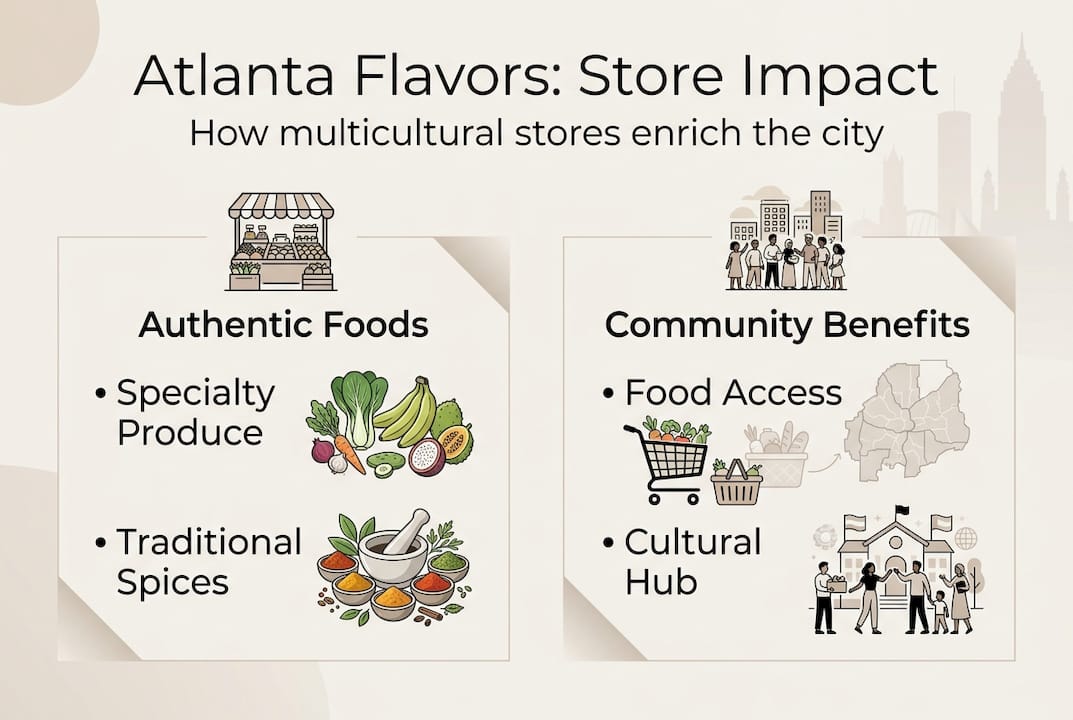
| Food Access Metric | Mainstream Areas | Food Desert Areas | Multicultural Store Impact |
|---|---|---|---|
| Fresh produce availability | High variety | Limited options | Increases variety 40% |
| Average price per pound | Premium pricing | Convenience store markup | Reduces costs 25-30% |
| Cultural product selection | Minimal | Nearly absent | Comprehensive authentic options |
| Distance to quality groceries | Under 1 mile | Over 2 miles average | Improves accessibility |
The advantages of local Caribbean foods in Atlanta extend beyond individual health to community food security. When stores stock culturally appropriate ingredients at affordable prices, families can maintain traditional diets instead of defaulting to processed foods that dominate conventional retailers. This cultural food access supports both nutrition and identity, allowing communities to eat in ways that honor their heritage while meeting modern budget constraints.
Pro Tip: Shop early in the week for the best selection of fresh produce, as many multicultural stores receive major shipments on Mondays and Tuesdays. Ask staff about delivery schedules for specific items you need regularly.
Direct sourcing also means stores can respond quickly to community preferences, stocking items that local populations actually want rather than corporate buyers’ assumptions about what “ethnic” shoppers might purchase. This responsiveness creates a feedback loop where customer demand directly shapes inventory, ensuring shelves reflect real community needs. The result is food retail that serves people instead of forcing them to adapt to limited mainstream options.
Choosing multicultural stores over mainstream supermarkets: benefits and nuances
Mainstream supermarkets prioritize efficiency over cultural relevance, optimizing for speed and convenience while multicultural stores enhance social bonds through authentic cultural experiences that honor heritage. The difference isn’t just about what’s on shelves. It’s about why those products are there and how stores present them to customers. Conventional chains stock international items as afterthoughts, cramming diverse cuisines into a single aisle with minimal context or expertise. Multicultural stores organize entire sections around cultural traditions, with staff who understand preparation methods and can guide unfamiliar shoppers.
Authenticity risks emerge when mainstream retailers attempt superficial diversity without cultural knowledge. This phenomenon, sometimes called cultural tariffing, happens when stores appropriate cultural elements for profit while stripping away meaningful context. You might find jerk seasoning at a chain supermarket, but the blend could be reformulated for mass appeal, losing the authentic flavor profile that makes traditional Jamaican cooking distinctive. Multicultural stores avoid this trap by maintaining direct relationships with communities they serve.
Shoppers benefit enormously from multilingual staff who bring cultural expertise to customer service. Instead of searching aisles alone, you can ask employees for recommendations, cooking tips, and product comparisons in your preferred language. This knowledge transfer enriches the shopping experience and helps preserve culinary traditions that might otherwise fade. The cultural authenticity extends to product selection, preparation advice, and even the social atmosphere that makes shopping feel like a community activity rather than a transaction.
| Feature | Mainstream Supermarkets | Multicultural Stores |
|---|---|---|
| Product authenticity | Generic international sections | Culturally specific authentic items |
| Staff cultural knowledge | Limited to nonexistent | Deep expertise and language skills |
| Community atmosphere | Transactional efficiency focus | Social hub with cultural exchange |
| Price point | Premium for specialty items | Competitive through direct sourcing |
| Selection depth | Shallow token offerings | Comprehensive cultural inventories |
When deciding where to shop for authentic cultural flavors in diverse Atlanta stores, consider these factors:
- Product authenticity and sourcing transparency matter more than convenience
- Staff cultural knowledge enhances shopping experience and recipe success
- Community connections provide value beyond simple transactions
- Direct sourcing often means better prices on specialty items
- Supporting diaspora owned businesses strengthens local economies
The nuances become clearer when you compare actual shopping experiences. At a mainstream supermarket, you grab items quickly from well organized aisles and check out efficiently. At a multicultural store, you might spend extra time discovering new products, chatting with other shoppers about preparation methods, and getting recommendations from staff who grew up eating these foods. The efficiency trade off brings rewards in cultural connection and culinary authenticity that busy shoppers increasingly value.
Pro Tip: Don’t hesitate to ask staff for cooking advice or product recommendations. Their cultural expertise is part of the service, and most employees genuinely enjoy sharing knowledge about traditional foods and preparation methods.
Mainstream supermarkets serve important functions for everyday staples and familiar brands, but they can’t replicate the cultural depth and authentic community experience that multicultural stores provide. Understanding this distinction helps you choose the right shopping destination based on whether you prioritize speed or cultural authenticity for any given trip.
Explore authentic American and Caribbean products at TOJ EXPRESS
Now that you understand why multicultural stores matter, discover the convenience of authentic American and Caribbean products delivered to your door. TOJ EXPRESS curates a carefully selected range of genuine snacks, Caribbean drinks, and traditional teas that bring the multicultural store experience to Atlanta shoppers online. We source authentic products that honor cultural traditions while offering the convenience modern families need.
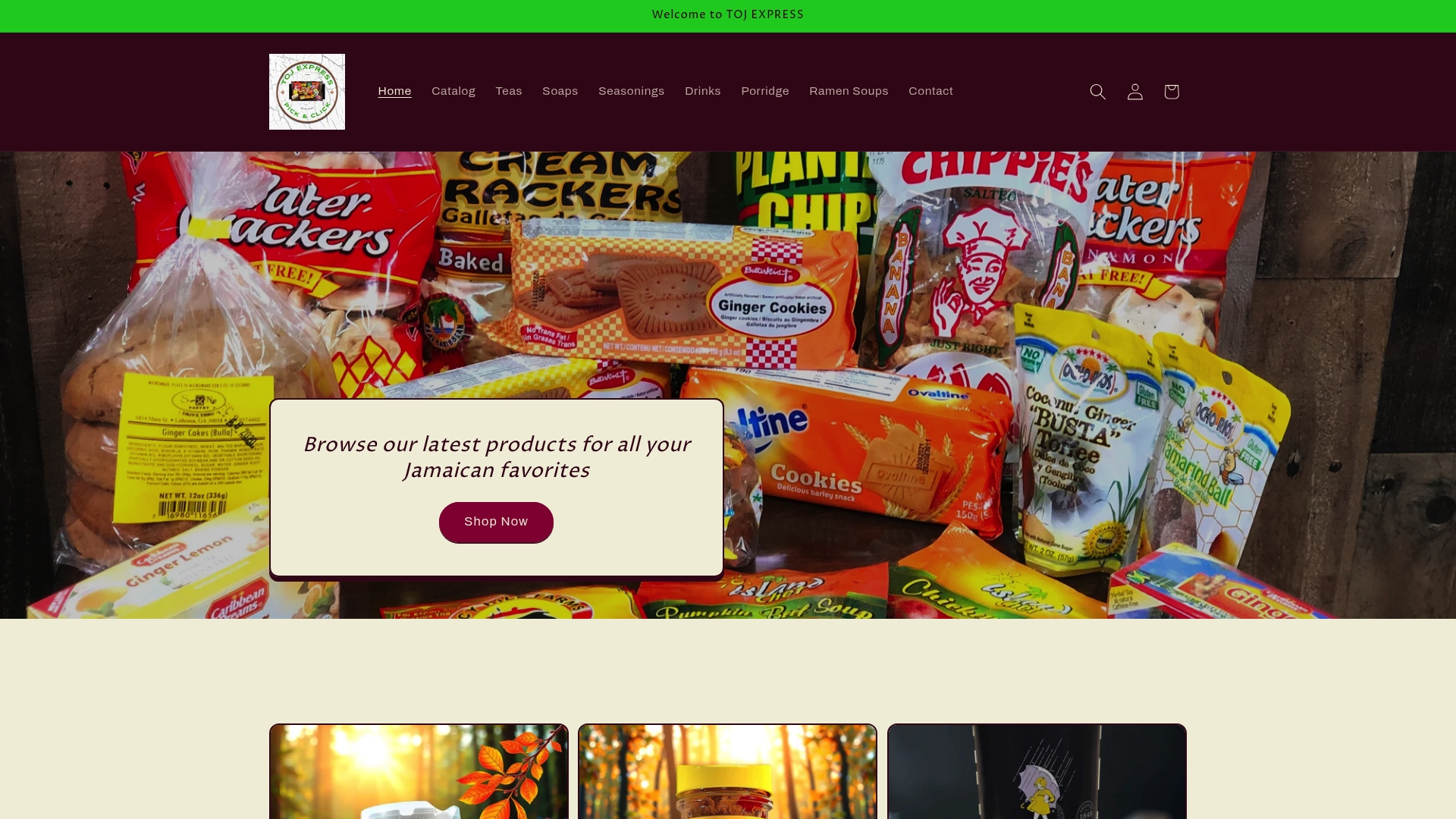
Whether you’re craving childhood favorites or exploring new flavors, our collection provides the same authenticity you’d find at Atlanta’s best multicultural markets. We understand that genuine cultural products matter, which is why we prioritize quality and tradition in every item we stock. Shop with confidence knowing you’re getting real flavors that connect you to heritage and community, delivered with the convenience you deserve.
FAQ
Is shopping at multicultural stores more expensive than mainstream supermarkets?
No, many multicultural stores offer competitive or lower prices due to direct sourcing relationships with farms and international suppliers. Bulk spice sections and fresh produce often cost significantly less than conventional supermarkets. You get better value because stores cater to price conscious communities while maintaining quality. The perception of higher costs usually comes from comparing specialty items that mainstream chains don’t stock at all.
What should first-time shoppers expect at multicultural stores in Atlanta?
Expect a vibrant, busy environment with diverse products and helpful multilingual staff who assist with questions about unfamiliar ingredients. The atmosphere feels more communal than typical supermarkets, with shoppers often sharing cooking tips and cultural knowledge. Crowds can be intense, especially on weekends, but the energy reflects genuine community engagement. Don’t hesitate to ask staff for help navigating the variety or recommendations for traditional preparation methods.
How do multicultural stores in Atlanta support the local community?
These stores strengthen cultural ties and improve food access in majority Black neighborhoods while preserving heritage through authentic product offerings. They provide gathering spaces where diaspora communities connect, share traditions, and maintain cultural identity. Many stores are immigrant owned businesses that reinvest in local economies. By addressing food deserts and stocking culturally relevant fresh foods, they support both nutrition and cultural preservation in underserved areas.
Can I find American products at multicultural stores or just international items?
Multicultural stores stock both authentic international products and American items, often carrying a broader selection than you’d expect. Many Atlanta shoppers appreciate finding familiar American brands alongside Caribbean and global foods in one location. The stores cater to diverse communities who want access to both mainstream American products and culturally specific ingredients. This combination makes them convenient one stop shopping destinations for families with varied food preferences and cultural backgrounds.