
Why shop diverse stores in Atlanta for cultural flavors
TOJEXPRESS.COM-Antonio HenryYou grab your usual cart at the big-box supermarket, scanning aisles stocked with predictable brands. But what if the ingredients you need for authentic jerk chicken or a proper Caribbean stew simply aren’t there? Mainstream supermarkets often miss the mark on cultural authenticity, leaving adventurous cooks and culture enthusiasts searching elsewhere. Atlanta’s diverse stores along Buford Highway and in Caribbean neighborhoods offer something different: genuine flavors, community connections, and culinary discoveries that transform your kitchen into a gateway for cultural exploration. This article reveals why these stores matter for your palate, your community, and your understanding of Atlanta’s rich cultural fabric.
Table of Contents
- How Diverse Atlanta Stores Unlock Authentic Culinary Experiences
- Supporting Atlanta’s Immigrant Economies And Local Communities
- How Diverse Markets Improve Food Access In Atlanta’s Underserved Areas
- Understanding Challenges And Economic Nuances In Diverse Shopping Neighborhoods
- Shop Authentic Caribbean And American Products At Toj Express
Key takeaways
| Point | Details |
|---|---|
| Authentic ingredients unlock culinary creativity | Diverse stores provide plantain fufu, ackee, jerk seasonings, and tropical produce unavailable in mainstream supermarkets |
| Local spending strengthens immigrant economies | Independent stores retain $68 of every $100 spent locally versus $43 at chains, supporting Atlanta entrepreneurs |
| Markets combat food deserts effectively | Diverse stores provide fresh, culturally relevant produce in underserved neighborhoods lacking supermarket access |
| Personal service enhances cultural learning | Staff share cooking techniques and product knowledge that deepen your appreciation of cultural cuisines |
| Economic challenges require awareness | Some diverse neighborhoods face property value pressures and development priorities that may not serve existing residents |
How diverse Atlanta stores unlock authentic culinary experiences
Walk into a Caribbean market on Buford Highway, and you immediately notice the difference. Shelves display products you’ve never seen at Kroger or Publix. Fresh ackee sits beside saltfish, ready for Jamaica’s national breakfast dish. Scotch bonnet peppers promise authentic heat for jerk marinades. Plantain fufu mix waits to become the perfect accompaniment for peppery soups.
Buford Highway hosts over 1,000 immigrant-owned businesses, creating Atlanta’s most diverse international corridor. These stores don’t just stock different products. They source from specialized suppliers who understand cultural authenticity matters. You won’t find watered-down “international aisle” versions here. Instead, you discover authentic ingredients like plantain fufu, ackee, saltfish, and jerk seasonings that make the difference between approximating a dish and nailing it.
Fresh tropical produce presents another advantage. Mainstream supermarkets rarely stock breadfruit, callaloo, or proper yams (not the orange sweet potatoes Americans often mislabel). Caribbean and international markets maintain relationships with importers who bring these items weekly. Your culinary exploration expands beyond recipes to include ingredients you didn’t know existed.
The variety extends across categories:
- Spice blends crafted for specific regional dishes, not generic “Caribbean seasoning”
- Frozen specialties like patties, roti shells, and prepared foods for quick authentic meals
- Beverages including sorrel concentrate, mauby syrup, and tropical fruit nectars
- Baking essentials like cassava flour and coconut milk powder for traditional desserts
Staff knowledge elevates the experience beyond product availability. Ask about preparing breadfruit, and you’ll receive detailed cooking instructions plus recipe suggestions. Wonder which pepper sauce matches your heat tolerance? Someone will guide you through the options, explaining flavor profiles and regional preferences. This personalized service transforms shopping into cultural and culinary education.
Pro Tip: Visit diverse stores during weekend mornings when staff have more time for questions and fresh shipments have just arrived, ensuring the best produce selection and opportunities to learn preparation techniques.
These stores recognize that imported Caribbean items shape Atlanta’s culinary scene by providing home cooks and restaurants access to genuine ingredients. When you cook with authentic products, you honor the cultures behind the dishes. Your jerk chicken tastes right because you used proper seasoning. Your stew peas achieves the correct texture because you found real gungo peas, not substitutes.
Supporting Atlanta’s immigrant economies and local communities
Every dollar you spend creates ripples through the local economy. But where those ripples flow matters significantly. Research shows $68 of every $100 spent at independent stores stays local versus $43 at chains. That $25 difference per hundred dollars funds community growth, job creation, and neighborhood stability.
Diverse stores typically operate as immigrant-owned small businesses. Your patronage directly supports entrepreneurs who took significant risks establishing themselves in a new country. These owners often hire from their communities, creating employment opportunities for recent immigrants and established residents alike. The money circulates locally, funding other small businesses, paying local taxes, and strengthening neighborhood economic health.
Buford Highway exemplifies this immigrant entrepreneurial success. What began as a few international businesses has blossomed into a thriving corridor where Korean, Mexican, Vietnamese, and Caribbean entrepreneurs operate side by side. Each store represents someone’s dream of building a better life while sharing their culture with Atlanta.
The community benefits extend beyond pure economics:
- Personal relationships develop between shoppers and staff, creating social connections across cultural lines
- Store owners often sponsor community events, supporting local schools and cultural celebrations
- These businesses become gathering places where immigrant communities maintain cultural ties
- Younger generations learn about their heritage through foods and products their parents and grandparents recognize
Shopping at diverse stores counters economic marginalization. Immigrant entrepreneurs face significant barriers: language challenges, limited access to capital, and unfamiliarity with American business regulations. Your support helps overcome these obstacles. When these businesses thrive, they demonstrate that Atlanta values diversity not just as a concept but through concrete economic action.
Supporting local Caribbean food businesses means investing in community resilience. These stores provide more than products; they offer cultural anchors that help immigrant families maintain identity while building new lives.
The social impact matters too. Unlike impersonal big-box experiences, diverse stores foster genuine human connection. Staff remember your preferences, suggest new products based on past purchases, and share cultural insights that deepen your appreciation. This personalized service reflects values many communities hold dear: relationships matter more than transactions.
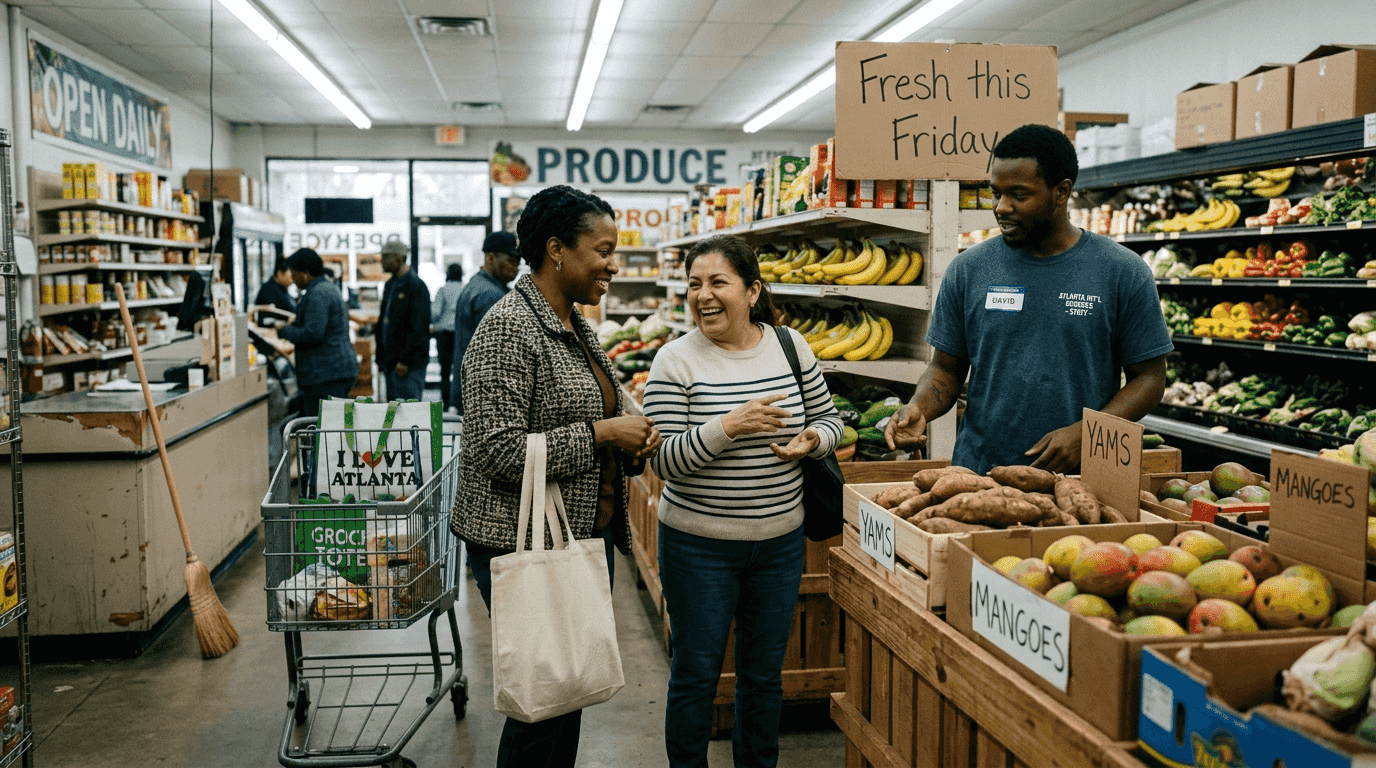
Recent boycotts and economic movements highlight how consumer choices shape community power. When shoppers redirect spending toward Black-owned and immigrant businesses, they signal priorities. Your grocery budget becomes a tool for building the Atlanta you want to see: diverse, economically inclusive, and culturally rich.
How diverse markets improve food access in Atlanta’s underserved areas
Food deserts plague many American cities, and Atlanta is no exception. Certain neighborhoods, particularly majority-Black areas, lack convenient access to fresh produce and healthy food options. Residents face a choice between traveling significant distances to supermarkets or settling for convenience store offerings heavy on processed foods and light on nutrition.
Diverse markets help bridge this gap. Azalea Fresh Market combats food deserts by providing downtown Atlanta residents access to fresh fruits, vegetables, and culturally appropriate foods. This market recognizes that food access isn’t just about availability. Cultural relevance matters. A store stocking only mainstream American produce doesn’t fully serve communities craving ingredients for traditional dishes.
Caribbean and international markets naturally address both challenges. They stock fresh produce because their customer base demands it. They carry culturally specific items because authenticity drives their business model. This combination improves nutrition and food satisfaction simultaneously.
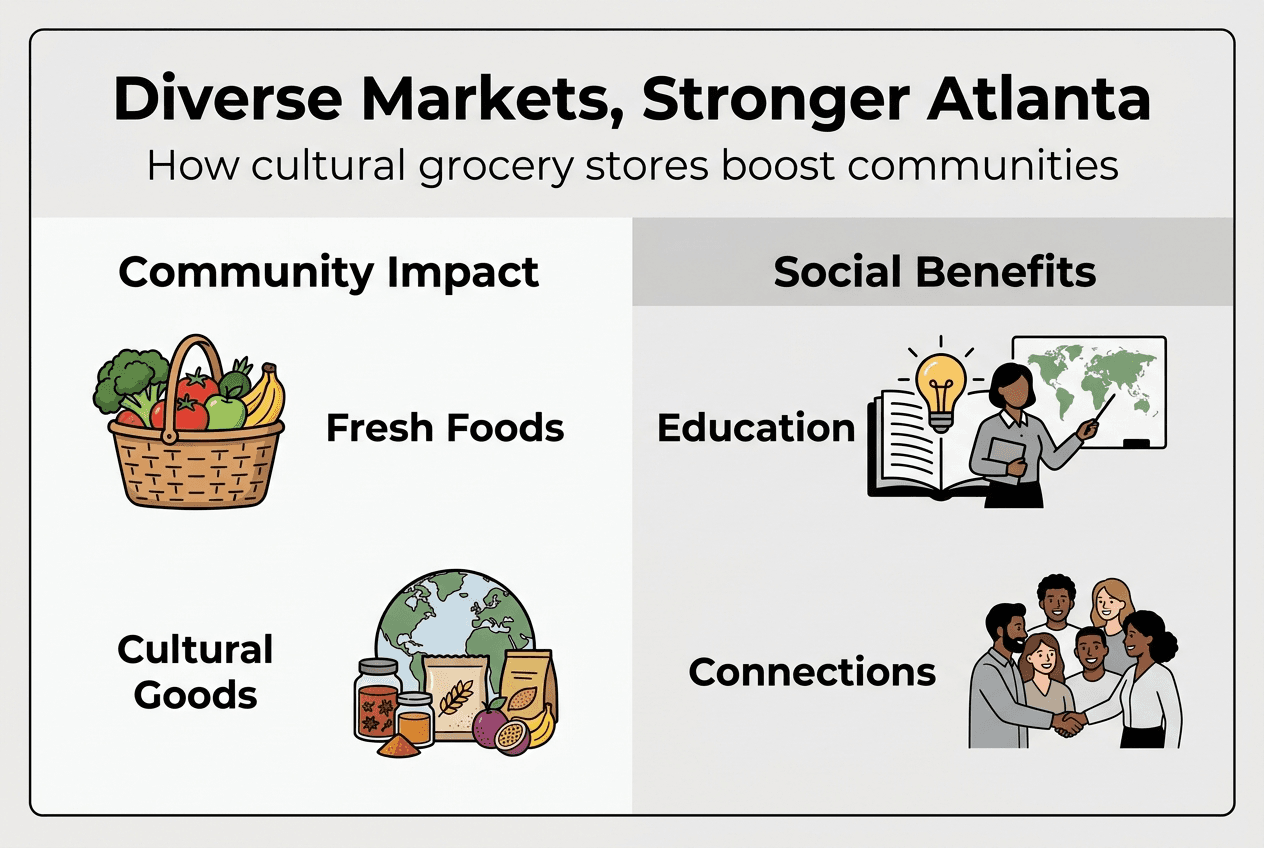
Consider the contrast:
| Store Type | Fresh Produce | Cultural Items | Nutrition Education | Community Connection |
|---|---|---|---|---|
| Convenience Store | Minimal, often low quality | Rare, generic options | None | Transactional |
| Diverse Market | Extensive, regularly restocked | Authentic, specialized | Staff provide guidance | Personal, community-focused |
| Mainstream Supermarket | Good variety, standard items | Limited “international aisle” | Occasional, generic | Impersonal, corporate |
The health implications extend beyond individual meals. Communities with better fresh food access show improved health outcomes. Lower rates of diet-related diseases like diabetes and heart disease correlate with fresh produce availability. When diverse markets locate in underserved areas, they contribute to public health improvements.
Neighborhood stores boost food access by operating where larger chains won’t invest. These smaller businesses accept thinner profit margins because owners live in or near the communities they serve. They understand their role extends beyond commerce into community wellbeing.
Pro Tip: Many diverse markets offer competitive prices on produce compared to mainstream supermarkets because they source directly from specialized distributors, cutting out middlemen and passing savings to customers while maintaining quality.
Cultural appropriateness deserves emphasis. A food desert isn’t just about lacking any fresh food. It’s about lacking foods that match cultural preferences and cooking traditions. An immigrant family might have access to apples and lettuce but struggle to find callaloo or breadfruit. Diverse markets understand this nuance, ensuring communities can eat healthily while maintaining cultural food traditions.
The education component matters too. Staff at diverse markets often share preparation tips, recipe ideas, and cooking techniques. This knowledge transfer helps shoppers maximize nutritional value and culinary satisfaction. You learn not just what to buy but how to use it effectively.
Understanding challenges and economic nuances in diverse shopping neighborhoods
Diverse neighborhoods offer tremendous benefits, but honest discussion requires acknowledging complexities. Not everything about these areas represents unqualified success. Economic pressures and development patterns create challenges that affect both businesses and residents.
Diverse neighborhoods often sell at discounts even accounting for ethnic clientele effects. Property values remain lower than comparable areas with less diversity. This reflects ongoing discrimination and economic marginalization. While diverse stores provide cultural and culinary value, the neighborhoods housing them sometimes struggle economically.
Development initiatives present another complexity. Some projects aimed at improving underserved areas prioritize attracting new, often wealthier residents over serving existing low-income communities. A new market might offer fresh produce but price it beyond reach for long-term residents. Development becomes gentrification when it displaces rather than uplifts existing communities.
These tensions affect diverse stores directly:
- Rising rents may force longtime businesses to relocate or close
- New developments might attract chain stores that compete with established immigrant businesses
- Changing neighborhood demographics can shift demand away from cultural specialty items
- Property value increases benefit building owners but challenge small business sustainability
Awareness of these nuances matters for responsible consumer choices. Supporting authentic local businesses helps counter displacement pressures. When diverse stores maintain strong customer bases, they’re better positioned to negotiate leases and sustain operations despite neighborhood changes.
The challenge involves balancing improvement with preservation. Communities deserve better infrastructure, services, and economic opportunities. But development should enhance rather than erase existing cultural character. Grocery stores play a role in diversity by anchoring cultural identity even as neighborhoods evolve.
Some diverse markets navigate these tensions successfully by adapting product mixes. They maintain core cultural items while expanding offerings to appeal to new residents. This strategy sustains the business while introducing newcomers to cultural foods they might not otherwise discover. Done thoughtfully, it builds bridges rather than divisions.
Consumer awareness empowers better choices. When you understand the economic pressures diverse stores face, you can support them more intentionally. Choosing these businesses over chains, even when chains offer convenience, helps sustain cultural and economic diversity. Your shopping patterns influence which businesses survive and thrive.
The goal isn’t romanticizing diverse neighborhoods while ignoring real challenges. Instead, it’s recognizing both the value these areas provide and the support they need to flourish sustainably. Your patronage represents one form of support, but advocacy for equitable development policies matters too.
Shop authentic Caribbean and American products at TOJ EXPRESS
Ready to experience the authentic flavors this article describes? TOJ EXPRESS brings diverse, genuine Caribbean and American products directly to you. Our curated selection reflects the cultural authenticity and culinary quality that make diverse stores special.
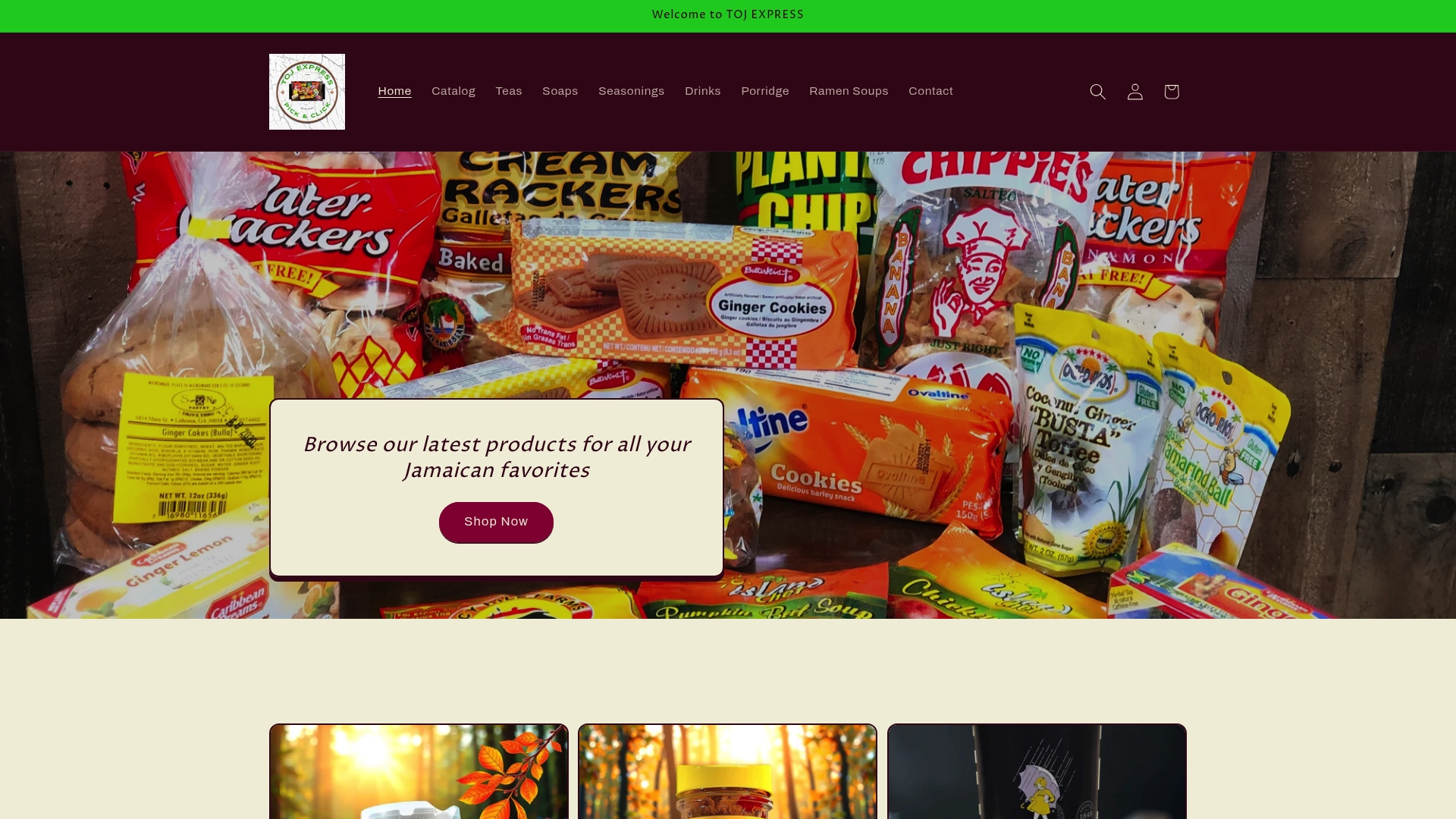
Explore our authentic Caribbean snacks featuring hard-to-find treats that transport you to the islands. Discover Caribbean and American drinks ranging from tropical fruit nectars to traditional beverages you won’t spot in mainstream stores. Browse our Caribbean teas collection for unique blends that offer both flavor and cultural connection. Every product supports the immigrant entrepreneurship and cultural appreciation this article champions. Shopping with TOJ EXPRESS means choosing authenticity, supporting diverse business ownership, and enriching your culinary adventures with genuine cultural flavors.
FAQ
What makes diverse stores different from regular supermarkets?
Diverse stores specialize in authentic cultural ingredients unavailable at mainstream supermarkets, sourcing from specialized suppliers who prioritize cultural accuracy over mass appeal. Staff provide expert knowledge about product usage, preparation techniques, and cultural context that typical supermarket employees can’t offer. The shopping experience emphasizes personal service and community connection rather than impersonal efficiency.
How do diverse stores support local immigrant communities economically?
Independent diverse stores retain significantly more money locally compared to chains, with $68 of every $100 staying in the community versus $43 at corporate retailers. This difference funds local job creation, supports other small businesses, and strengthens neighborhood economic stability. Patronizing these stores directly supports immigrant entrepreneurs who often hire from their communities and sponsor local cultural events.
Are diverse markets helping reduce food deserts in Atlanta?
Diverse markets like Azalea Fresh Market provide crucial fresh produce access in neighborhoods lacking supermarkets, directly combating food desert conditions. These stores offer both nutritional value through fresh fruits and vegetables and cultural appropriateness by stocking ingredients that match community cooking traditions. Their presence improves public health outcomes by making healthy, culturally relevant food conveniently available.
Why does cultural authenticity matter in food shopping?
Cultural authenticity ensures dishes taste correct and honor the traditions behind them, transforming cooking from approximation to genuine cultural expression. Authentic ingredients contain proper flavor profiles, textures, and qualities that substitutes can’t replicate. Using genuine products deepens your cultural appreciation and respects the communities whose cuisines you’re exploring.
What challenges do diverse shopping neighborhoods face?
Diverse neighborhoods often experience lower property values despite cultural vibrancy, reflecting ongoing economic marginalization and discrimination. Development pressures sometimes prioritize attracting new residents over serving existing low-income communities, potentially displacing longtime businesses and residents. Rising rents and changing demographics can threaten the sustainability of cultural specialty stores that anchor neighborhood identity.