
Why Try Caribbean Candy: Flavors, Culture, and Craft
TOJEXPRESS.COM-Antonio HenryTL;DR:
- Caribbean candy features layered flavors and authentic local ingredients that reflect island traditions. These small-batch confections emphasize complex taste, artisanal craft, and cultural significance. They serve as meaningful symbols in celebrations and community life across Caribbean communities worldwide.
Caribbean candy is a distinctive confectionery that combines bold flavors, deep cultural heritage, and artisanal tradition into every piece. Unlike mass-produced sweets, these treats carry the fingerprints of island history, from tamarind groves to coconut palms. Food enthusiasts asking why try Caribbean candy will find the answer lives in three places: the complexity of the flavor, the craft behind the making, and the community that gives each sweet its meaning. Tojexpress stocks a wide selection of authentic Caribbean treats for anyone ready to move past ordinary confections.
Why try Caribbean candy: what makes it different?
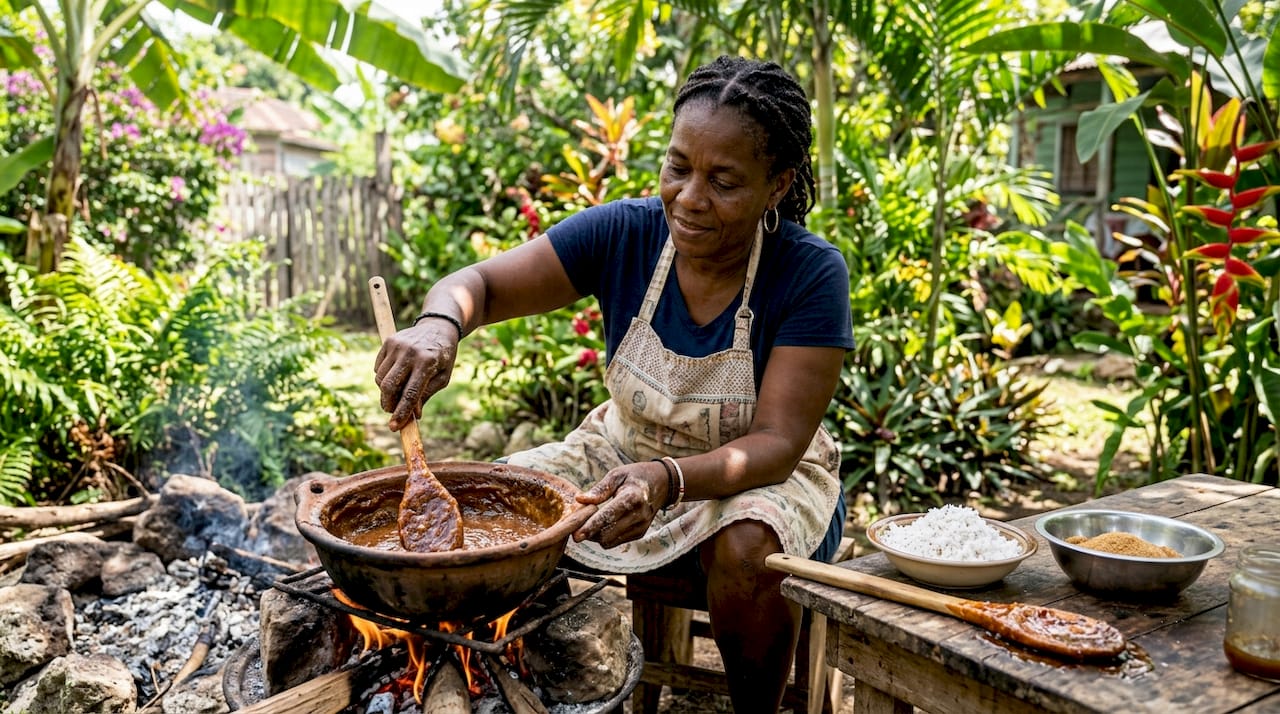
Caribbean candy is defined by its layered flavor profiles, which balance sweetness, sourness, spice, and aroma in ways that most Western confections never attempt. A single tamarind ball delivers a multi-layer flavor experience: granulated sugar on the outside, sharp tamarind pulp at the center, and sometimes a hit of chili or ginger underneath. That complexity challenges the assumption that candy is just sugar. It is a sensory argument for why Caribbean sweets deserve a place in any serious food enthusiast’s catalog.
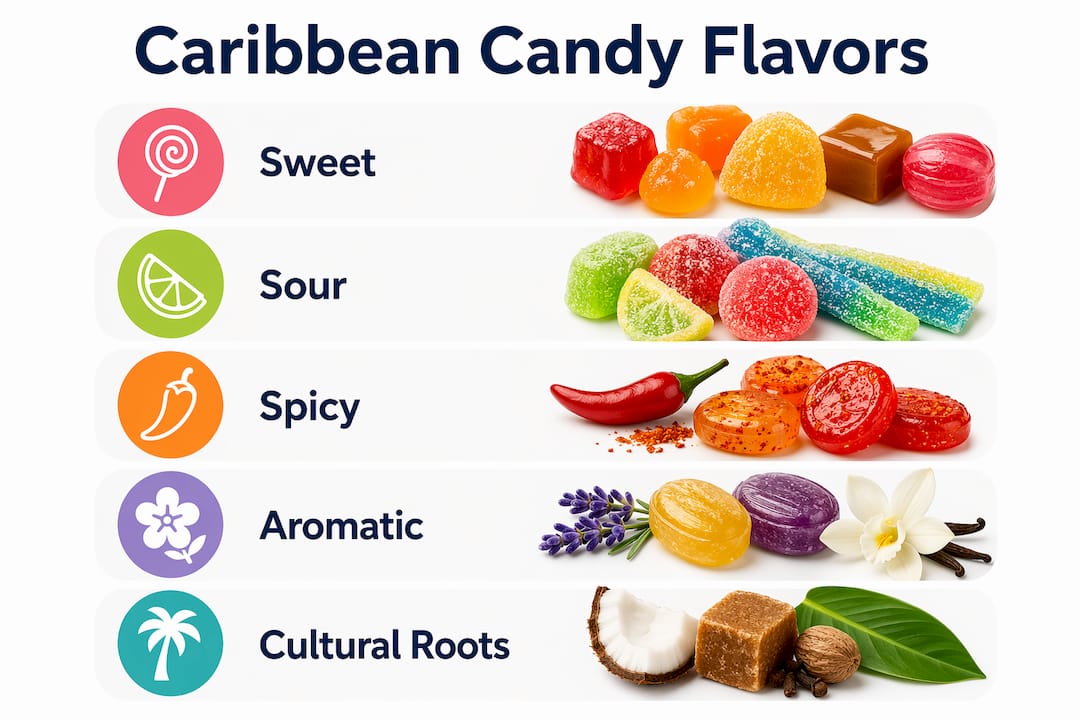
The ingredients tell the story of the islands themselves. Tamarind, coconut, brown sugar, ginger, cinnamon, and unrefined cane sugars like panela are not flavor additives. They are agricultural products native to or deeply embedded in Caribbean farming traditions. Each ingredient carries a regional identity that mass-produced candy simply cannot replicate. That authenticity is the core of the Caribbean candy experience.
What flavors and ingredients define Caribbean candy?
The flavor range across Caribbean sweets is wider than most people expect. Tamarind-based candies lean sour and tangy. Coconut drops push toward rich, caramel sweetness. Ginger-forward pieces carry warmth and a mild burn. The best examples layer two or three of these notes at once, creating a progression of taste rather than a single flat sweetness.
The most recognized ingredients include:
- Tamarind: Delivers tartness and depth; offers fiber and antioxidants along with minerals like magnesium and potassium
- Coconut: Adds richness and chew; provides medium-chain triglycerides and manganese
- Brown sugar and panela: Contribute molasses notes and deep color that white sugar cannot produce
- Ginger and cinnamon: Provide warmth and aromatic complexity
- Rum: Used in small amounts to deepen aroma and connect the candy to regional tradition
Tamarind candy is high in sugar and best enjoyed occasionally. That context matters because it frames Caribbean candy as an indulgence worth savoring, not a daily snack to consume mindlessly.
The table below shows how the most popular Caribbean candies differ in flavor and core ingredients:
| Candy | Primary Flavor | Key Ingredients |
|---|---|---|
| Tamarind balls | Sweet, sour, spicy | Tamarind pulp, sugar, chili or ginger |
| Coconut drops | Rich, caramel, warm | Dried coconut, dark unrefined sugar, ginger |
| Dulce de coco | Sweet, chewy, aromatic | Grated coconut, brown sugar |
| Cocadas de panela | Deep, molasses-sweet | Coconut, panela, spices |
| Ginger candy | Sharp, warm, sweet | Ginger root, sugar, sometimes rum |
Each candy on this list represents a distinct island tradition. Trying all five gives you a tour of Caribbean flavor culture without leaving your kitchen.
Pro Tip: Start with tamarind balls if you want the most representative introduction to Caribbean candy. They showcase the sweet-sour-spice balance that defines the broader category.
How is Caribbean candy traditionally made?
Traditional Caribbean candy production is a manual, small-batch process that relies on timing, temperature, and local ingredients. The craft is not complicated, but it demands attention. Sugar must be cooked to precise stages. Coconut must be fresh for the best moisture and flavor. Spices are added by feel, not formula.
Coconut drops are made by caramelizing dark unprocessed sugar to the hard-crack stage, then folding in ginger and dried coconut. That specific sugar stage determines whether the final candy is brittle, chewy, or somewhere between. Miss the temperature and the texture fails. This precision is what separates authentic Caribbean candy from factory versions.
The role of unrefined sugar is central to authenticity. Panela is an unrefined cane sugar that gives traditional coconut candy its deep mahogany color and molasses-like flavor. White sugar produces a paler, flatter result. The difference is visible and unmistakable on the palate.
Spices and flavor enhancers follow a similar logic. Adding grated ginger, cinnamon, or a dash of rum elevates the base candy and connects it to regional traditions. These additions are not decorative. They are the difference between a generic sweet and a culturally specific one.
Puerto Rican dulce de coco is a clear example of this philosophy. The classic recipe uses 2 cups of grated coconut and 1.5 cups of brown sugar, cooked to a chewy, firm texture. That ratio and that technique produce a sensory experience no mass-produced candy can match.
Pro Tip: When making Caribbean candy at home, source fresh coconuts rather than dried packaged versions. Fresh coconut delivers more moisture and a cleaner flavor that transforms the final result.
What cultural and social roles does Caribbean candy play?
Caribbean candy is not just food. It is a social object. These sweets appear at family gatherings, religious celebrations, street markets, and school fairs. They mark occasions and signal belonging. Sharing a bag of tamarind balls or a plate of coconut drops is a gesture of hospitality as much as it is a snack.
The cultural significance of these sweets runs deep. Recipes pass from grandmothers to grandchildren. The act of making candy together is a ritual that preserves language, memory, and identity. For Caribbean diaspora communities living abroad, these sweets carry the emotional weight of home.
The social roles Caribbean candy plays can be organized into four clear categories:
- Family heritage: Recipes are handed down across generations, keeping culinary traditions alive in households far from the islands.
- Festive celebration: Coconut drops, tamarind balls, and ginger candies appear at Christmas, Carnival, and harvest festivals as markers of the season.
- Street vendor culture: Informal vendors selling handmade sweets represent a living part of the Caribbean informal economy and community life.
- Diaspora connection: For Caribbean communities in the United States and elsewhere, these candies serve as cultural touchstones that reconnect people to their roots.
The sweet and spicy flavors in Caribbean candy are a cultural expression tied to local ingredients and culinary history. Every piece carries that history forward.
How can food enthusiasts enjoy Caribbean candy?
Finding authentic Caribbean candy is easier than most food enthusiasts expect. Specialty grocery stores, Caribbean markets, and online retailers all carry a solid range. Tojexpress offers a curated selection of Caribbean sweets and snacks that covers the major flavor categories, from tamarind-based treats to coconut confections.
Pairing Caribbean candy with beverages opens up the flavor experience considerably. Strong coffee cuts through the sweetness of coconut drops and highlights their caramel notes. Tropical fruit juices amplify the tartness in tamarind balls. Ginger tea echoes the spice in ginger candy and creates a warm, layered combination. For a full pairing guide, the Caribbean beverages catalog at Tojexpress covers the best drink matches.
Caribbean candy also works well as a culinary ingredient:
- Crush tamarind balls and use them as a topping for vanilla ice cream
- Chop coconut drops and fold them into brownie batter for texture and flavor
- Use ginger candy as a garnish on tropical fruit salads
- Melt dulce de coco into warm milk for a quick Caribbean-style dessert drink
- Crumble cocadas over yogurt for a breakfast with real flavor depth
Pro Tip: Taste Caribbean candy slowly. Let it sit on your tongue for a few seconds before chewing. The flavor layers reveal themselves in sequence, and rushing past the first impression means missing the most interesting part.
Respectful exploration matters here. Caribbean candy comes from living traditions, not a theme park version of island culture. Approaching these sweets with curiosity and genuine interest honors the communities that created them. Reading about the cultural roots of Caribbean desserts before buying adds context that makes the tasting experience richer.
Key Takeaways
Caribbean candy is worth trying because it delivers flavor complexity, cultural depth, and artisanal craft that mass-produced confections cannot replicate.
| Point | Details |
|---|---|
| Flavor complexity | Caribbean candy balances sweet, sour, spicy, and aromatic notes in ways most Western sweets do not attempt. |
| Artisanal production | Small-batch techniques like sugar boiling to hard-crack stage and fresh coconut use create textures no factory can copy. |
| Authentic ingredients | Unrefined sugars like panela and fresh spices like ginger define the taste and separate authentic candy from imitations. |
| Cultural significance | These sweets mark celebrations, preserve family recipes, and serve as identity anchors for Caribbean diaspora communities. |
| Practical versatility | Caribbean candy pairs with coffee, tropical juices, and tea, and works as a culinary ingredient in desserts and baking. |
What I’ve learned from years of tasting Caribbean candy
The first time I tried a tamarind ball, I expected something simple. What I got was a small, dense piece of candy that shifted flavor three times before I finished it. Sweet, then sour, then a slow warmth that I later identified as ginger. That experience reset my expectations for what candy could be.
What strikes me most about Caribbean sweets is how honest they are. There is no artificial cherry flavor or synthetic vanilla coating. The tamarind tastes like tamarind. The coconut tastes like coconut. The ginger bites back. That directness is rare in the confectionery world, and it is the reason I keep coming back.
The cultural layer adds something that flavor alone cannot. Knowing that a coconut drop recipe traveled from a grandmother’s kitchen in Jamaica to a street market to a jar on a shelf in the United States makes the candy taste different. Not better in a chemical sense, but richer in a human one. Food enthusiasts who skip the context miss half the experience.
My honest recommendation is to start with at least three different types before forming an opinion. One candy gives you a data point. Three give you a pattern. And the pattern, in Caribbean candy, is always more interesting than any single piece.
— ANTONIO
Caribbean candy at Tojexpress
Tojexpress carries authentic Caribbean candy alongside a full range of American and Caribbean grocery products, all in one place.
The selection at Tojexpress covers tamarind balls, coconut-based sweets, ginger candies, and more, sourced to reflect the real flavor traditions of the islands. Food enthusiasts who want to go deeper can browse the full Caribbean products collection and find treats that pair well with the beverages and snacks already in the store. Whether you are building a Caribbean-themed tasting spread or simply want to try something genuinely new, Tojexpress makes it straightforward to find the real thing without hunting through specialty markets.
FAQ
What is Caribbean candy made of?
Caribbean candy is made from ingredients like tamarind, coconut, brown sugar, ginger, cinnamon, and unrefined cane sugars such as panela. These local agricultural products give each candy its distinctive flavor and texture.
Are Caribbean sweets healthy?
Tamarind-based candies offer fiber, antioxidants, and minerals like magnesium and potassium, but they are high in sugar and best enjoyed as occasional treats rather than everyday snacks.
What does Caribbean candy taste like?
Caribbean candy balances sweet, sour, spicy, and aromatic flavors. Tamarind balls are tangy with a sugar coating, coconut drops are rich and caramel-forward, and ginger candies carry a warm, sharp bite.
Where can I buy authentic Caribbean candy in the United States?
Tojexpress stocks a curated range of authentic Caribbean sweets online, covering the major flavor categories from tamarind to coconut. Caribbean specialty grocery stores in major cities also carry regional varieties.
Why is Caribbean candy different from regular candy?
Caribbean candy uses unrefined sugars, fresh local ingredients, and small-batch cooking techniques that mass-produced candy does not replicate. The result is a more complex flavor and a direct connection to island culinary tradition.