

Ethnic foods in Atlanta: Caribbean cuisine's growing role
TOJEXPRESS.COM-Antonio HenryImmigrants who hold onto their traditional food habits often score higher on diet quality measures than people who have lived in the United States their whole lives. That is not a small footnote. It is a signal worth paying attention to, especially in a city like Atlanta, where the population is as diverse as the menu at any given block. Ethnic foods play a key role in cultural heritage preservation, health-conscious meal planning, and dietary diversity for multicultural consumers. Caribbean cuisine sits right at the center of that story here in Atlanta, and understanding why can change how you think about what goes on your plate every week.
Table of Contents
- What makes ethnic foods essential for Atlanta households?
- Caribbean cuisine: A cornerstone of Atlanta’s multicultural flavor
- Cultural heritage meets healthy eating: The nutritional edge
- Meal planning made practical: How Atlanta residents bring ethnic foods home
- Discover ethnic flavors for your Atlanta kitchen
- Frequently asked questions
Key Takeaways
| Point | Details |
|---|---|
| Cultural connection | Ethnic foods, especially Caribbean, keep heritage and community traditions alive in Atlanta. |
| Health benefits | Traditional diets offer better nutritional profiles and support diverse dietary needs. |
| Accessible flavors | Shoppers in Atlanta can incorporate ethnic and Caribbean foods with practical meal planning and store options. |
| Generational impact | Millennials and Gen Z drive new demand for authenticity and plant-based choices in ethnic foods. |
What makes ethnic foods essential for Atlanta households?
Atlanta is not a one-flavor city. Walk through Clarkston, Chamblee, or Decatur and you will find families cooking recipes that trace back generations across the Caribbean, West Africa, Southeast Asia, and Latin America. That culinary richness is not just a nice cultural detail. It shapes how households eat, how kids grow up thinking about food, and how communities stay connected to their roots.
Ethnic foods blend cultural heritage, local innovation, and evolving tastes in ways that standard American grocery staples simply cannot replicate. Family mealtime in many Atlanta households is where cross-cultural influences show up most naturally. A Jamaican household might serve rice and peas alongside collard greens. A Trinidadian family might fold roti into a weeknight dinner that also includes a Southern-style side dish.
Millennials and Gen Z drive demand for ethnic foods through adventurous palates, social media influence, and a preference for plant-based, convenient, and authentic options. That demand is reshaping what Atlanta stores stock and what restaurants put on their menus. Younger shoppers are not just curious. They are intentional.
Here is what makes ethnic foods stand out in Atlanta kitchens:
- Cultural continuity: Recipes passed down through generations keep family identity alive at the dinner table.
- Nutritional variety: Diverse ingredients introduce nutrients that standard American diets often miss.
- Affordability: Many ethnic staples like dried beans, plantains, and root vegetables are budget-friendly.
- Flavor depth: Spice blends and cooking techniques create complexity without relying on processed ingredients.
- Community connection: Sharing traditional meals strengthens bonds within neighborhoods and across cultures.
Exploring Atlanta culinary diversity is not just a food trend. It is a reflection of who lives here and what they value.
Caribbean cuisine: A cornerstone of Atlanta’s multicultural flavor
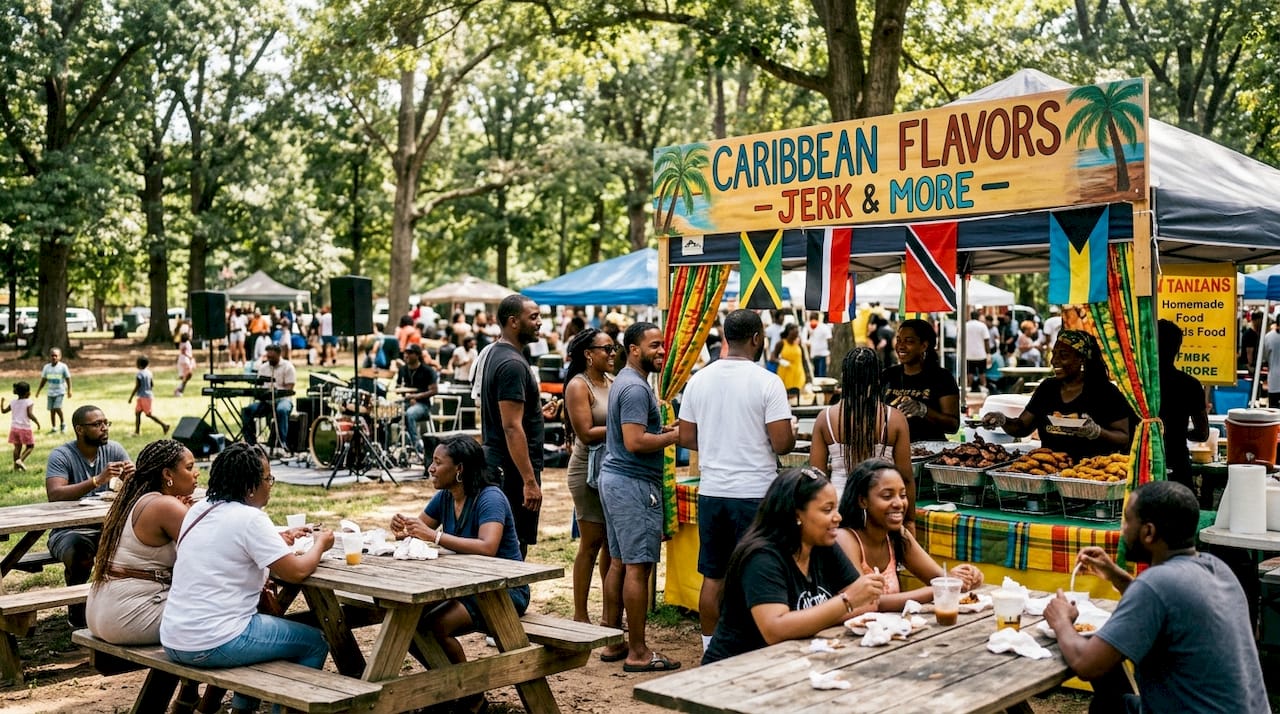
Caribbean food has carved out a real presence in Atlanta. Restaurants like Spice House and Jouvert bring island flavors to local diners, while specialty groceries stock the staples that home cooks need: plantains, ackee, scotch bonnet peppers, callaloo, and jerk seasoning blends. Spice House Atlanta sponsors events like the Atlanta Caribbean Festival, which keeps cultural traditions alive and visible in the broader community.
Understanding Caribbean cuisine influences helps explain why the food resonates so widely. It draws from African, Indigenous, Indian, European, and Chinese culinary traditions, creating a layered flavor profile that is both bold and deeply rooted in history.
“Caribbean food is not just about taste. It is about memory, identity, and the way a single dish can carry an entire community’s story across an ocean and into a new home.”
Here is a quick look at how traditional Caribbean ingredients compare to common Atlanta substitutes:
| Traditional Caribbean ingredient | Common Atlanta substitute | Flavor/use notes |
|---|---|---|
| Scotch bonnet pepper | Habanero pepper | Similar heat, slightly different fruity note |
| Ackee | Scrambled eggs or firm tofu | Mild, buttery texture works in savory dishes |
| Breadfruit | Russet potato | Starchy base for roasting or boiling |
| Callaloo | Spinach or collard greens | Leafy green used in soups and sides |
| Green banana | Unripe plantain | Starchy, used boiled or in stews |
Seasonal events and community celebrations play a huge role in keeping these flavors front and center. Discovering local Caribbean foods available in Atlanta makes it easier to cook authentically at home year-round. And when the holidays come around, Caribbean holiday foods bring families together in ways that no store-bought meal kit can match.
Cultural heritage meets healthy eating: The nutritional edge
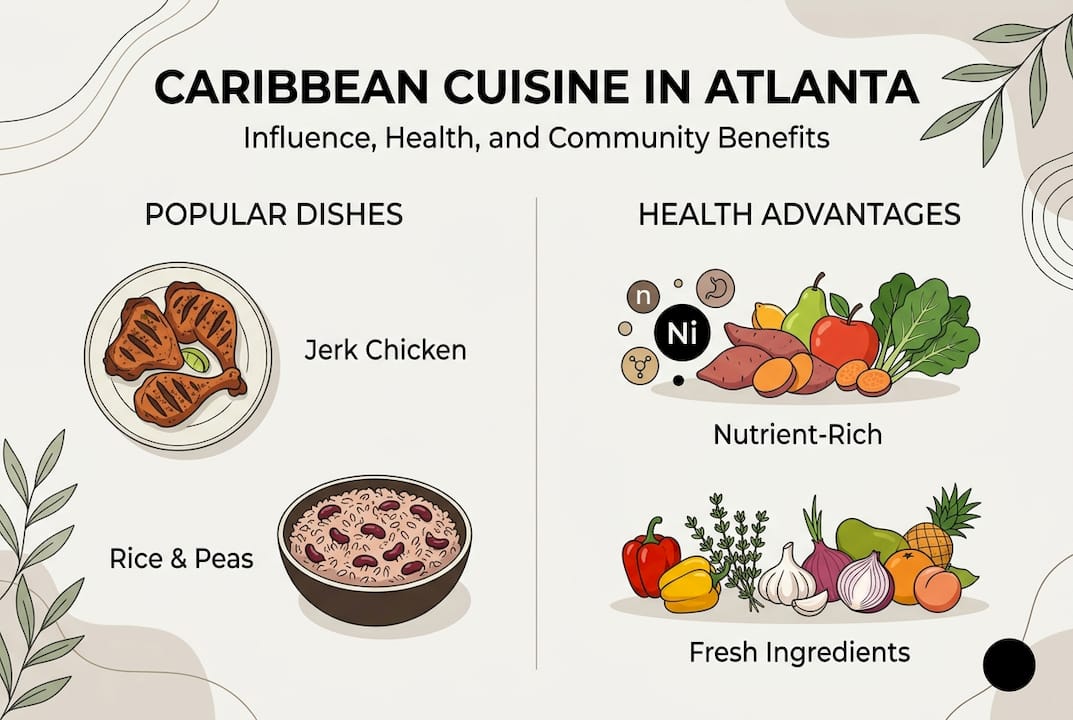
The health case for Caribbean cuisine is strong and backed by real data. The traditional Caribbean diet is rich in fruits, vegetables, lean proteins, whole grains, and healthy fats. It supports heart health and reduces inflammation. It is also naturally adaptable for vegan and gluten-free needs, which makes it accessible to a wide range of Atlanta households.
Research shows that immigrants score higher on diet quality measures like the Healthy Eating Index than US-born individuals, largely because traditional food patterns emphasize whole foods over processed ones. Plant-based and seafood-forward ethnic eating patterns can improve diet quality scores by roughly 5 points. That is a meaningful difference.
| Dish | Key nutrients | Typical American equivalent | Nutritional advantage |
|---|---|---|---|
| Stewed chicken with rice and peas | Protein, fiber, iron | Fried chicken with white rice | More fiber, less saturated fat |
| Callaloo soup | Vitamins A, C, K, calcium | Cream of mushroom soup | Far more micronutrients |
| Roasted breadfruit | Complex carbs, potassium | Mashed potatoes with butter | Lower glycemic load |
| Grilled fish with festival | Omega-3s, lean protein | Fish sandwich (fast food) | Less sodium, more healthy fat |
Pro Tip: To adapt a classic Caribbean dish for vegan needs, swap chicken or fish for chickpeas or jackfruit. Both absorb jerk seasoning beautifully and hold up well in stews. Use coconut milk as your base and load up on root vegetables for a filling, plant-powered meal.
Essential ingredients for a healthy Caribbean-inspired meal plan include:
- Plantains (green for savory, ripe for sweet)
- Black-eyed peas and kidney beans (protein and fiber)
- Fresh thyme and allspice (flavor without sodium)
- Sweet potatoes and yams (complex carbohydrates)
- Coconut milk (healthy fat, creamy base)
- Fresh citrus (vitamin C, brightens flavors)
Shopping at stores that prioritize Atlanta grocery diversity makes sourcing these ingredients far easier than most people expect.
Meal planning made practical: How Atlanta residents bring ethnic foods home
Knowing the benefits is one thing. Building a weekly routine around Caribbean cuisine is another. The good news is that it does not require a culinary degree or a long drive to a specialty market. It requires a plan and a few reliable sources for ingredients.
Multicultural consumers plan meals weekly, blending tradition with convenience, and about 80% view home cooking as a meaningful way to save money. That mindset applies directly to Atlanta families who want to eat well without overspending.
However, access is a real barrier for some. Dietary acculturation/04%3A_Implementing_Culinary_Medicine_in_Your_Community/4.03%3A_Culturally_Centered_Approaches_to_Culinary_Medicine) over time can lead to poorer diet quality as traditional habits give way to fast food and processed convenience items. Food insecurity is also higher in some Atlanta neighborhoods, making access to fresh ethnic ingredients a genuine challenge.
Pro Tip: Before your weekly grocery run, check which diverse stores in Atlanta carry Caribbean staples. Many convenience stores and specialty markets stock items like scotch bonnet peppers, Grace brand products, and dried provisions that larger supermarkets skip entirely.
Here is a simple 5-step guide for planning a Caribbean-inspired weeknight menu:
- Pick your protein anchor. Choose one protein for the week: jerk chicken, stewed oxtail, salt fish, or chickpeas for a plant-based option.
- Build your starch base. Rice and peas, boiled green banana, or roasted breadfruit all work well and cook in under 30 minutes.
- Add a leafy green. Callaloo, spinach, or steamed cabbage rounds out the plate with vitamins and fiber.
- Season intentionally. Use fresh thyme, allspice, garlic, and scotch bonnet to build flavor without relying on sodium-heavy sauces.
- Batch cook on Sunday. Most Caribbean dishes taste better the next day. Cook a large pot of stew or rice and peas and portion it out for three to four weeknight meals.
Finding the right stores matters. Knowing why multicultural stores in Atlanta carry items that mainstream supermarkets do not can save you time and frustration. And understanding how neighborhood stores boost food access in Atlanta helps you see local shopping as a community investment, not just a transaction.
Discover ethnic flavors for your Atlanta kitchen
At TOJ Express, we stock both American and Caribbean products because we know Atlanta’s kitchens reflect the full range of the city’s cultures. Whether you are looking for Grace coconut milk, scotch bonnet peppers, jerk seasoning, or everyday American staples, we bring it all under one roof so your meal planning does not require five stops across town.

Visiting TOJ Express means you get access to authentic Caribbean ingredients alongside the American products your household already relies on. We are here to make it easier for Atlanta families to cook with intention, eat with purpose, and keep their culinary traditions alive without the hassle. Stop by and see what is on the shelves. Your next great weeknight meal might be one ingredient away.
Frequently asked questions
What are the health benefits of eating Caribbean cuisine?
Caribbean cuisine is rich in fruits, vegetables, lean protein, and healthy fats, which supports heart health and helps reduce inflammation over time.
How can I find authentic Caribbean ingredients in Atlanta?
Local Caribbean and multicultural grocery stores carry staples like plantains, ackee, and seasoning blends that most mainstream supermarkets do not stock.
Does eating ethnic foods help maintain cultural heritage?
Yes. Keeping family recipes and traditional ingredients in your weekly routine preserves cultural identity and strengthens the bonds that hold communities together.
What challenges do Atlanta residents face in accessing ethnic foods?
Barriers include limited selection in low-income neighborhoods, higher prices at specialty stores, and food access gaps/04%3A_Implementing_Culinary_Medicine_in_Your_Community/4.03%3A_Culturally_Centered_Approaches_to_Culinary_Medicine) that affect many Atlanta communities.
How do millennials and Gen Z shape Atlanta’s ethnic food scene?
Younger generations seek authentic, plant-based options and use social media to discover and share ethnic foods, which drives demand and keeps the scene growing.