

How to select Caribbean spices for authentic flavor
TOJEXPRESS.COM-Antonio HenryYou’ve followed the recipe, used the right proteins, and even marinated overnight. But the dish still tastes flat. For many home cooks in Atlanta’s suburbs, poor spice selection is the hidden reason Caribbean food never quite hits the way it should. This guide walks you through exactly how to identify, buy, test, and store authentic Caribbean spices so your jerk chicken, curry goat, and rice and peas taste like the real thing.
Table of Contents
- What makes a spice authentically Caribbean?
- Essential tools and buying checklist
- How and where to shop for Caribbean spices in Atlanta suburbs
- Step-by-step: Testing and selecting the freshest Caribbean spices
- Best practices for storing Caribbean spices in Atlanta’s climate
- Expert tips and common mistakes in Caribbean spice selection
- Find authentic Caribbean spices at Toj Express
- Frequently asked questions
Key Takeaways
| Point | Details |
|---|---|
| Buy whole, imported spices | Choosing whole spices imported from Caribbean regions ensures the most authentic flavor. |
| Test for freshness | Use the color, aroma, and pinch test to select only the freshest spices. |
| Shop at Caribbean markets | Atlanta’s Caribbean markets offer the best access to genuine, direct-import Caribbean spices. |
| Store for Atlanta’s climate | Keep spices in airtight containers away from heat and moisture for maximum shelf life. |
| Avoid pre-ground blends | Skip spice blends with fillers or excessive salt; prioritize those with visible, whole ingredients. |
What makes a spice authentically Caribbean?
Before sharing how to select and buy spices, let’s clarify what makes a spice truly Caribbean and why your choices matter. Not every spice on a grocery store shelf labeled “Caribbean blend” deserves that name. Authenticity comes down to origin, processing, and ingredients.
Whole spices from Jamaica, Trinidad, and other Caribbean islands offer the most genuine flavor because they carry the terroir (the unique taste of the soil and climate where they were grown) of those regions. When you buy single-origin allspice from Jamaica or Scotch bonnet pepper from Trinidad, you’re getting a flavor profile that no generic supermarket blend can replicate. Understanding why Caribbean spices matter helps you make smarter choices from the start.
Here’s a quick comparison of what separates authentic spices from generic ones:
| Feature | Authentic Caribbean spice | Generic store blend |
|---|---|---|
| Origin | Single-origin, direct import | Mixed or unknown sources |
| Ingredients | Whole or coarsely ground | Fine powder with fillers |
| Labeling | Country of origin listed | Vague or missing origin |
| Salt content | Little to none | Often high |
| Aroma | Bold and distinct | Mild or flat |
The essential Caribbean spices every home cook should know include allspice, Scotch bonnet, thyme, cumin, turmeric, and jerk blends. Look for blends where you can actually see whole seeds, dried pepper flakes, or herb leaves. If it’s a uniform fine powder with no visible texture, that’s a red flag.
“The best Caribbean spice blends use whole or minimally processed ingredients from their country of origin, not fillers or artificial flavor enhancers.”
Avoid any blend that lists salt as the first or second ingredient. Salt is a seasoning, not a spice, and heavy salt content usually means the manufacturer is cutting corners on actual flavor.
Essential tools and buying checklist
With a sense of what sets true Caribbean spices apart, let’s gather the tools and information you need to buy and store them properly. Walking into a Caribbean market without a plan is a fast way to leave with the wrong things.
Here’s what to bring and buy:
- A shopping list of the specific spices you need (allspice, Scotch bonnet, green seasoning, curry powder, etc.)
- Airtight glass jars to transfer spices into as soon as you get home
- A small notepad or phone notes app to record purchase dates and sources
- A budget for smaller quantities so you buy fresh more often
This Caribbean spice shopping checklist approach keeps you organized and prevents the common mistake of buying in bulk and letting spices go stale. Buying whole spices and storing them in airtight containers is one of the most effective ways to extend freshness and protect flavor.
Here’s a practical reference table for your shopping trip:
| Spice | Form to buy | Shelf life (airtight) | Common use |
|---|---|---|---|
| Allspice | Whole berries | Up to 4 years | Jerk seasoning, stews |
| Scotch bonnet | Dried whole or flakes | 1-2 years | Hot sauces, marinades |
| Curry powder | Freshly blended | 6-12 months | Curry goat, vegetables |
| Thyme | Dried whole leaves | 1-2 years | Rice and peas, soups |
| Cumin | Whole seeds | 3-4 years | Rubs, rice dishes |
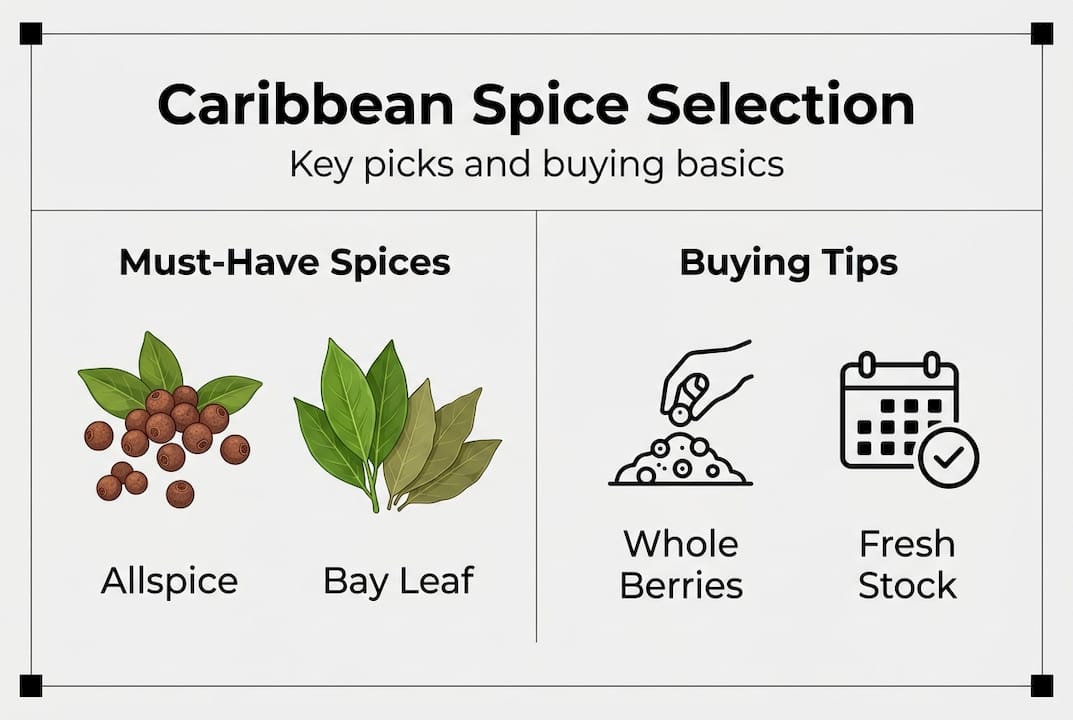
Pro Tip: Ask the store staff which spices arrived most recently. Fresh stock rotates faster at Caribbean specialty stores than at big-box grocery chains, so timing your visit matters.
Also check out Caribbean seasonal products to know which spices are best sourced at different times of year.
How and where to shop for Caribbean spices in Atlanta suburbs
Now that you know what to look for and what you need, here’s where and how to shop locally in Atlanta’s suburbs for genuine Caribbean spices. The good news is that the Atlanta metro area has a growing Caribbean community, which means more access to authentic ingredients than ever before.
Start with the Caribbean Farmers Market in Decatur, which carries one of the largest selections of Caribbean spices and groceries in the area. Staff there are often from the islands themselves and can point you toward direct-imported products from Jamaica, Trinidad, and Barbados. Don’t be shy about asking questions.
Here are smart shopping habits to build:
- Ask specifically for direct-imported Jamaican or Trinidadian spices, not repackaged generic blends
- Check the label for a country of origin and an import date if available
- Smell the product through the packaging if possible, or ask to open a sample
- Cross-reference your list with what’s in stock and substitute whole spices when a ground version looks old
- Browse Atlanta Caribbean markets on Yelp to find additional stores near you
For a deeper look at navigating local options, the guide on shopping Caribbean groceries in Atlanta covers store-by-store tips. You can also find a curated breakdown in this list of Atlanta Caribbean grocery tips.
Pro Tip: Visit on weekday mornings when new stock is more likely to have just arrived and shelves haven’t been picked over by weekend shoppers.
Stat to know: Atlanta’s Caribbean immigrant population has grown significantly over the past decade, driving demand for authentic imported groceries and making specialty Caribbean markets more stocked and competitive than ever.
If you prefer shopping online or want to supplement local finds, imported Caribbean groceries in Atlanta are increasingly available through specialty retailers who ship directly from the islands.
Step-by-step: Testing and selecting the freshest Caribbean spices
After you’ve found a reputable shop, here’s exactly how to verify spice quality and freshness before purchasing. This process takes less than two minutes per spice and can save you from a disappointing meal.
- Look at the color. Vibrant, deep color means the spice still has its essential oils intact. Faded or grayish color is a sign of age.
- Do the pinch test. Rub a small amount between your fingers. A fresh spice releases a strong, immediate aroma. A faded or musty smell means it’s stale.
- Taste a tiny amount. Fresh spices hit fast with bold flavor. If it tastes like nothing or just vaguely bitter, it’s past its prime.
- Check the texture. Clumping in ground spices signals moisture exposure. Whole spices should feel firm and dry.
- Read the label. Look for a pack date or best-by date. No date at all is a warning sign.
Knowing Caribbean spice shelf life helps you set realistic expectations. Whole spices last 3-4 years; ground spices lose most of their potency within 6-12 months. That’s a big difference, and it’s one of the strongest reasons to buy whole when you can.
For more guidance on checking spice expiration, Southern Living has a practical breakdown worth bookmarking.
Pro Tip: Bring a small piece of white paper to the store. Tap a pinch of ground spice onto it. Rich color that transfers immediately signals freshness. Pale or barely-there color means skip it.
Best practices for storing Caribbean spices in Atlanta’s climate
Once you’ve selected your spices, proper storage ensures your investment stays flavorful and authentic for months. Atlanta’s humidity is no joke, and it’s one of the biggest threats to spice quality in this region.
Here’s how to protect your spices:
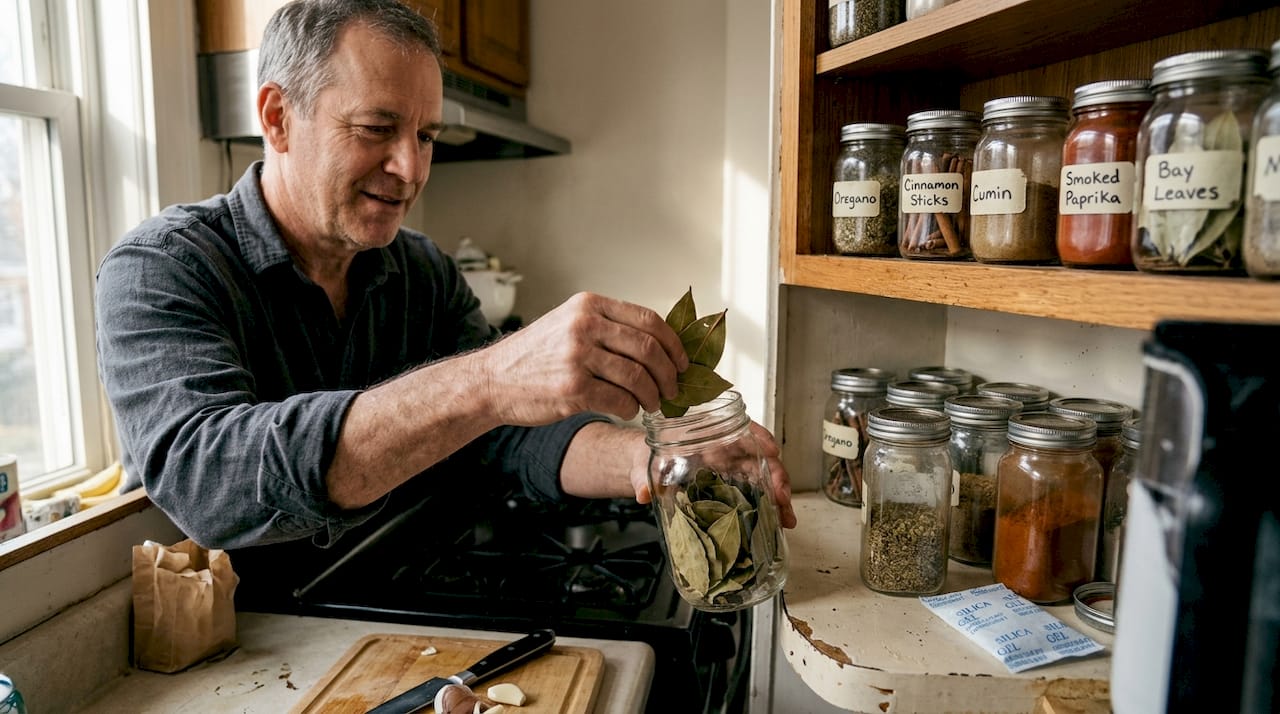
- Use airtight glass jars. Plastic containers let in more air over time. Glass is the gold standard.
- Keep away from the stove. Heat and steam from cooking degrade spices fast. A cabinet across the kitchen is better than one right above the burners.
- Avoid windowsill storage. UV light breaks down essential oils and fades color quickly.
- Label every jar with the spice name and the date you bought it.
- Buy smaller amounts more often rather than stocking up. Freshness beats convenience every time.
Storing spices in airtight containers away from heat and moisture keeps ground spices viable for 6-12 months and whole spices for up to 2 years in Atlanta’s climate. For more detailed advice, check out these Caribbean spice storage tips specific to humid Southern climates.
“In high-humidity environments like Atlanta, even a briefly opened jar can introduce enough moisture to start clumping in ground spices within weeks.”
Pro Tip: Add a small food-safe silica gel packet inside each jar to absorb excess moisture. These are inexpensive and extend the life of your spices noticeably in Atlanta’s summer months.
Expert tips and common mistakes in Caribbean spice selection
Before you start cooking, consider these expert techniques and common mistakes that Atlanta home cooks make when working with Caribbean spices.
- Toast whole spices before grinding. A dry pan on medium heat for 60-90 seconds activates the essential oils and dramatically deepens flavor. Toasting whole spices before grinding is one of the most impactful techniques you can add to your routine.
- Balance heat with sweetness. Scotch bonnet is fiery, but Caribbean cuisine balances that with coconut milk, brown sugar, or fruit. Don’t just add heat; build a full flavor profile.
- Avoid pre-ground blends with fillers. If salt, starch, or “natural flavors” appear early in the ingredient list, put it back. Whole spice blends give you control and freshness.
- Watch for clumping. In Atlanta’s humid summers, even well-stored spices can clump. Clumping doesn’t always mean spoilage, but it does mean moisture got in. Smell and taste before using.
- Rotate your stock. Move older jars to the front and newer purchases to the back. It’s a simple habit that prevents waste.
For advanced spice selection techniques, including how to build your own jerk blend from scratch, our blog has step-by-step guides worth exploring.
Pro Tip: Grind only what you need for each recipe. Pre-ground spices lose potency within days of grinding. A small mortar and pestle or a dedicated spice grinder pays for itself in flavor.
Find authentic Caribbean spices at Toj Express
You now have everything you need to shop smart, test for freshness, and store your spices correctly. The next step is finding a reliable source that does the sourcing work for you.

At Toj Express, we stock a curated selection of authentic American and Caribbean products, including direct-imported spices, seasonings, and grocery staples that Atlanta-area home cooks trust. Whether you’re looking for Walkerswood jerk seasoning, Grace curry powder, or whole allspice berries, we carry products chosen for authenticity and freshness. Stop by or browse online to build your Caribbean pantry with confidence. Our team knows these products personally and can help you find exactly what your recipe calls for.
Frequently asked questions
How can I tell if Caribbean spices have gone stale?
Check for faded color, weak aroma, and bland taste. If a pinch has no scent or tastes flat, the spice is likely expired and should be replaced.
How long do whole and ground Caribbean spices last?
Whole spices last 3-4 years; ground spices stay potent for 6-12 months when stored properly in airtight containers away from heat and moisture.
What’s the best way to store Caribbean spices in Atlanta’s climate?
Use airtight glass jars and keep away from heat, light, and humidity. A cool, dry cabinet away from the stove is ideal for Atlanta’s humid conditions.
Are certain brands more authentic than others?
Yes. Walkerswood and Grace are widely recognized for authentic Caribbean sourcing and consistent quality across their spice and seasoning lines.
Why should I avoid pre-ground spice blends?
Pre-ground blends lose freshness quickly and often contain fillers or excessive salt. Whole spice blends give you more control over flavor and stay fresh significantly longer.