

Master Caribbean meal planning: Atlanta guide for success
TOJEXPRESS.COM-Antonio HenryTL;DR:
- Stock essentials like canned coconut milk, dried spices, and frozen tropical fruits for quick Caribbean meals.
- Use theme days and batch prep to simplify weekly planning and enhance flavor development.
- Embrace local Atlanta ingredients and flexible substitutions to maintain authentic Caribbean flavors sustainably.
Master Caribbean meal planning: Atlanta guide for success
Planning Caribbean-inspired meals in Atlanta sounds exciting until you hit the grocery store aisle and can’t find scotch bonnet peppers or fresh callaloo anywhere. Between a packed schedule, limited specialty ingredient access, and the pressure to keep meals interesting every week, it’s easy to fall back on the same rotation of dishes. This guide cuts through that frustration with a practical, step-by-step system built specifically for Atlanta households. You’ll learn how to stock your kitchen, build flexible weekly menus, layer bold flavors quickly, and make smart nutritional swaps without sacrificing a single bite of that vibrant Caribbean taste.
Table of Contents
- The essentials: Tools, ingredients, and shopping tips
- Building your weekly plan: Themes, variety, and batch prep
- Flavor layering for fast, tasty meals
- Healthy adaptations: Balancing tradition and nutrition
- A fresh take: What most meal planners miss about Caribbean cooking in Atlanta
- Ready to bring bold Caribbean flavor to your Atlanta kitchen?
- Frequently asked questions
Key Takeaways
| Point | Details |
|---|---|
| Start with themes | Using theme days simplifies meal planning and ensures variety all week. |
| Batch prep essentials | Prepping seasonings and key ingredients ahead saves time and boosts flavor. |
| Adapt to local stores | Mix Caribbean spices with Atlanta-available produce for true fusion cooking. |
| Focus on nutrition | Balance traditional flavors with a half-plate of veggies for healthier Caribbean meals. |
The essentials: Tools, ingredients, and shopping tips
Having set the stage for why meal planning matters, let’s begin with the core essentials you need for easy, flavorful Caribbean cooking in Atlanta.
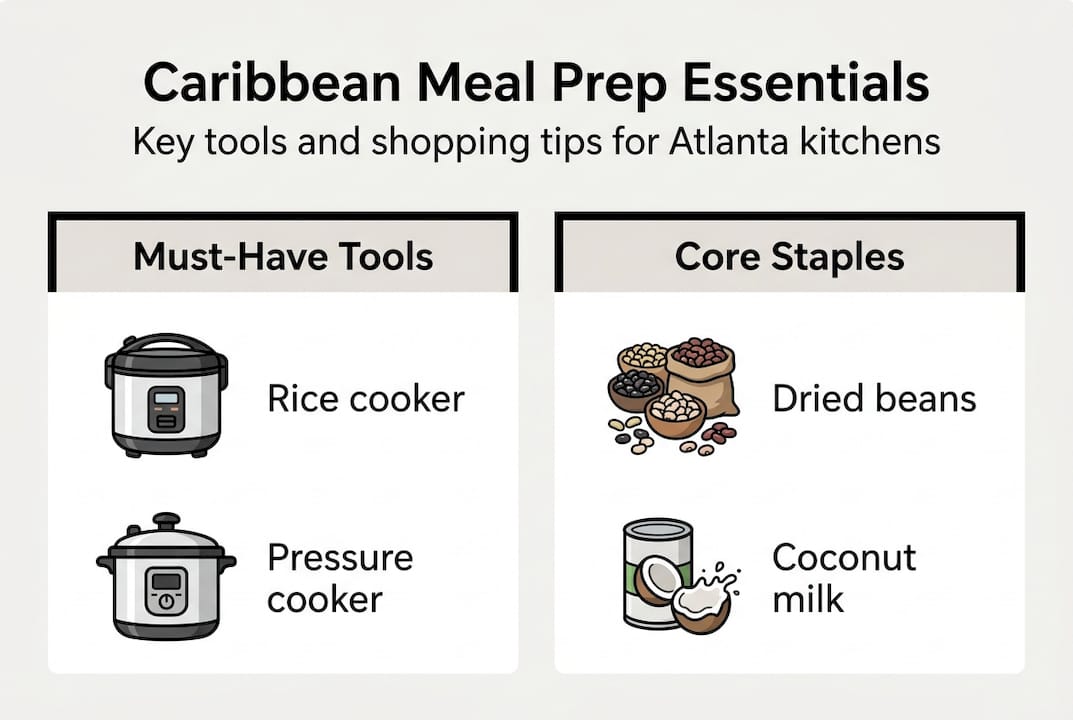
The pantry foundation matters more than any single recipe. Caribbean cooking relies on a consistent set of aromatics, dried spices, canned goods, and grains that you should always have on hand. Once your pantry is stocked, pulling together a full meal on a Tuesday night becomes surprisingly fast.
Here are the key pantry staples every Atlanta home cook should keep ready:
- Canned coconut milk and canned black or kidney beans
- Dried thyme, allspice, and cumin
- Curry powder and jerk seasoning blend
- Long-grain white rice and dried lentils
- Scotch bonnet hot sauce or crushed red pepper as a substitute
- Frozen plantains and frozen mango chunks
- Chicken or vegetable broth, low-sodium preferred
Finding authentic Caribbean ingredients in Atlanta is easier than most people think. Shopping Caribbean groceries in Atlanta has become more accessible thanks to specialty stores in areas like Clarkston and Buford Highway, which stock everything from green seasoning to Grace brand products. For everyday staples, major American supermarket chains fill the gap well. As noted by Caribbean Green Living, bulk staples like chicken from warehouse stores like Costco, frozen plantains, frozen mango, canned coconut milk, canned beans, and widely available jerk or curry powder make it possible to cook Caribbean-inspired food affordably and consistently without hunting down specialty items every week.
Not every ingredient has a direct replacement, but smart substitutions keep your meals authentic in spirit. The table below covers the most common swaps:
| Caribbean ingredient | Substitute | Best Atlanta source |
|---|---|---|
| Scotch bonnet pepper | Habanero or jalapeño | Any major supermarket |
| Callaloo | Fresh spinach or collard greens | Publix, Kroger, farmers markets |
| Breadfruit | Yukon Gold potatoes | Kroger, Walmart |
| Green seasoning (epis) | Fresh herb paste (cilantro, garlic, onion) | Make at home |
| Sorrel (hibiscus) | Dried hibiscus flowers | Whole Foods, international markets |
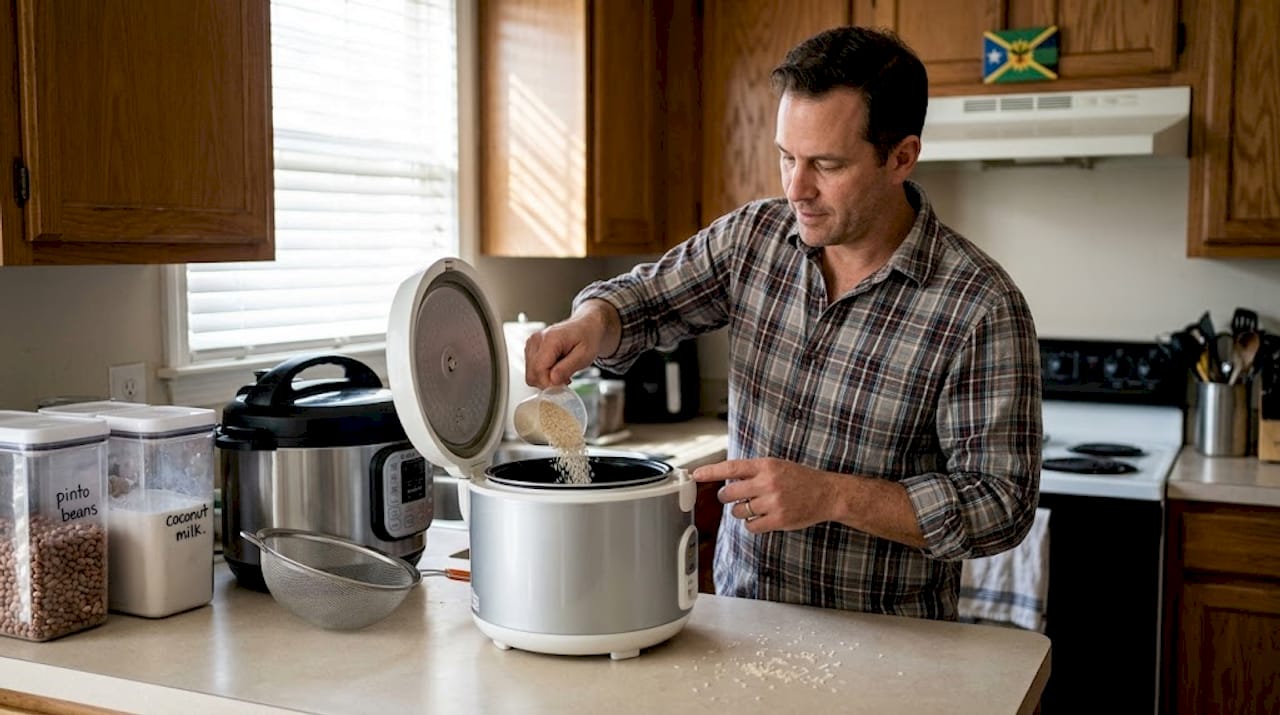
For kitchen tools, a rice cooker removes one of the most time-consuming tasks in Caribbean cooking. A pressure cooker or Instant Pot cuts dried bean cooking time from 90 minutes to under 25. A food processor lets you batch-blend epis (the Haitian and Caribbean base marinade) in minutes. These three tools alone can cut your weekly prep time by nearly half.
When it comes to the essential Caribbean spices you need, focus on building a core spice library rather than buying everything at once. Start with allspice, thyme, curry powder, and a quality jerk blend.
Pro Tip: Buy your rice, dried beans, and coconut milk in bulk every month. Portion them into labeled containers right away. This one habit alone removes the biggest obstacle to weeknight Caribbean cooking: not having what you need when time is short.
Building your weekly plan: Themes, variety, and batch prep
Once your kitchen and shopping lists are set, it’s time to turn these staples into a workable weekly plan.
Theme days are one of the most underrated tools in meal planning. Instead of deciding every night what to cook, you assign a general category to each day of the week. This simplifies your grocery list because you shop by theme, not by individual recipe. It also reduces decision fatigue, which is real and exhausting after a long Atlanta workday.
Here’s a simple example of how a traditional Caribbean menu cycle compares to an Atlanta-adapted weekly rotation:
| Day | Traditional Caribbean | Atlanta-adapted version |
|---|---|---|
| Monday | Stewed chicken with rice and peas | Jerk chicken thighs, rice cooker rice, canned kidney beans |
| Tuesday | Saltfish and ackee | Salmon fillet with scrambled eggs and frozen plantains |
| Wednesday | Lentil soup and roti | Red lentil soup, store-bought flatbread |
| Thursday | Curry goat | Curry chicken thighs (bone-in, from Kroger) |
| Friday | Fried fish with festival | Tilapia in herb crust, cornmeal dumplings |
| Saturday | Pelau or cook-up rice | One-pot rice with mixed beans and chicken |
| Sunday | Batch prep and leftovers | Double any stew, freeze half for next week |
Caribbean Green Living recommends a rotating weekly meal plan that dedicates specific days to themes like stews on Monday and legumes on Wednesday. The real benefit here is that leftovers from stews and bean dishes taste significantly better on day two because the spices have more time to bloom and deepen into the protein.
To set up your own rotating plan, follow these steps:
- Choose four to five theme categories that match your household’s preferences: stews, fish, legumes, one-pot meals, and grilled proteins are a solid starting set.
- Map themes to days based on your schedule. Reserve the heaviest prep for Sunday when you have more time.
- Write one flexible recipe per theme rather than locking in exact dishes. This lets you swap ingredients based on what’s on sale or freshest that week.
- Batch prep on Sundays: blend a large batch of epis, cook two cups of dried beans, marinate proteins, and portion into fridge or freezer containers.
- Label everything with the date and contents before it goes into the fridge. This removes the mystery container problem that kills meal plans.
- Review and rotate your plan every four weeks to introduce one or two new dishes while keeping favorites in the rotation.
For top Caribbean seasonings that hold up well through freezing and reheating, green seasoning blends, curry paste, and jerk marinades are your most reliable options.
Pro Tip: When you make a stew or legume dish, always double the batch intentionally. Freeze the second half in two-serving portions. Three weeks later, you’ll have a full ready-made dinner that tastes freshly cooked.
Flavor layering for fast, tasty meals
With your plan in place, let’s turn to making every meal sing with bold Caribbean flavors, even on a busy weeknight.
Flavor layering means building complexity in stages rather than adding everything at once. Caribbean cooking is naturally built around this approach, which is why even simple dishes carry remarkable depth. The good news is that this technique is fast once you understand the sequence.
Research from Cook Smarts confirms that sautéing aromatics like onion, garlic, and peppers for just 2 to 3 minutes before adding other ingredients activates and deepens the flavor compounds significantly. Follow that with a dry rub applied directly to your protein before searing on high heat, and you’ve already built two full layers of flavor before the liquid even hits the pan.
Here are the most efficient flavor layering moves every Atlanta home cook should master:
- Start with oil and aromatics. Heat oil until shimmering, then add diced onion, garlic, and scotch bonnet or habanero. Cook 2 to 3 minutes until softened and fragrant.
- Apply your dry rub early. Pat proteins dry before applying jerk seasoning or curry powder. This helps the spices adhere and form a crust during searing.
- Sear on high heat. Don’t crowd the pan. High heat creates the Maillard reaction, which is the chemical process that creates that deep, browned crust responsible for layers of savory flavor.
- Deglaze to capture fond. After searing, add a splash of broth or citrus juice to lift the browned bits from the pan. That liquid becomes the base of your sauce.
- Add canned or frozen ingredients last. Canned coconut milk, canned beans, and frozen vegetables go in near the end to preserve their texture and color.
- Finish with fresh herbs. A handful of fresh thyme or cilantro added just before serving brightens the whole dish.
For preparing Caribbean spices at home, toasting whole allspice berries in a dry pan before grinding releases oils that dramatically boost aroma and flavor intensity. It takes under two minutes and transforms store-bought spices.
Time-saving hacks worth adding to your weekly routine include buying pre-chopped bell pepper and onion blends from the frozen aisle, keeping a jar of pre-minced garlic in the fridge, and stocking a few ready-made spice blends for nights when blending from scratch isn’t realistic. Understanding Caribbean spice culture also helps you prioritize which flavors are non-negotiable and which you can simplify without losing the soul of the dish.
Healthy adaptations: Balancing tradition and nutrition
Great flavors should support your health, too. Here’s how to adapt Caribbean classics for varied nutrition and dietary needs.
Traditional Caribbean cooking is already rich in vegetables, legumes, and lean proteins. But many classic dishes are also heavy in white rice, fried components, and salt. With a few structural changes, you keep the flavor and gain real nutritional advantages without feeling like you’re eating diet food.
Here are the steps to adapt a rice-heavy Caribbean dish into a plant-forward plate:
- Reduce rice to one quarter of the plate rather than half. Fill the space with roasted or steamed non-starchy vegetables like zucchini, green beans, or spinach.
- Add a plant protein alongside or instead of meat. Black beans, chickpeas, or lentils provide fiber, protein, and body to any dish.
- Swap frying for baking or air frying. Plantains baked at 400°F with a light brush of olive oil deliver almost identical caramelization with significantly less fat.
- Use low-sodium canned goods. Rinsing canned beans removes up to 40% of their sodium content, a simple step that matters over the course of a week.
- Increase aromatics. More garlic, fresh ginger, and herbs mean you can reduce salt without the food tasting flat.
Prioritize filling at least half your plate with non-starchy vegetables and choose immunity-boosting ingredients like ginger, garlic, and citrus wherever they naturally fit into the dish.
The Diabetes Canada 7-day Caribbean meal plan targets 1,400 to 1,600 calories per day with 30 to 55 grams of net carbs per meal. Dishes like cornmeal porridge and vegetable-heavy stews are central to this structure, proving that healthy Caribbean eating is completely achievable without stripping away cultural authenticity.
Here are the top vegetable swaps using Atlanta market produce:
- Spinach or collard greens instead of callaloo
- Cabbage and carrots instead of cho cho (chayote)
- Zucchini instead of breadfruit in stews
- Sweet potato instead of white potato for more fiber and a lower glycemic load
- Frozen peas instead of pigeon peas when fresh or canned are unavailable
For a full set of practical ideas, healthy Caribbean recipe swaps covers Atlanta-specific ingredient alternatives that maintain flavor while supporting better eating habits across the week.
A fresh take: What most meal planners miss about Caribbean cooking in Atlanta
Most people who struggle with Caribbean meal planning in Atlanta are trying too hard to be perfectly authentic, and that pressure is exactly what makes them quit after two weeks. Real success in this kitchen tradition has never been about rigid replication. Caribbean cooking itself evolved through improvisation, using whatever was available on the island, adapting techniques across African, Indian, Spanish, and British culinary traditions. Atlanta gives you a different set of available ingredients, but the principle is exactly the same.
The planners who stick with it long-term are the ones who embrace the local. They use Georgia peaches in a jerk marinade. They swap turnip greens for callaloo without a second thought. They treat their Instant Pot like it belongs in a Kingston kitchen. Discovering local Caribbean food advantages in Atlanta means recognizing that the freshness and affordability of local Southern produce actually enhances Caribbean dishes rather than compromising them.
Batch prep is also massively underestimated. Most guides mention it briefly, but the real leverage is in the labeling and rotation system. Pre-label your freezer containers before you fill them. Rotate older portions to the front every Sunday. This one habit reduces food waste and keeps your meal variety genuinely rotating rather than drifting back to the same two dishes on repeat.
Ready to bring bold Caribbean flavor to your Atlanta kitchen?
If you’re ready to put these tips into action and elevate your weekly menus, having the right ingredients on hand makes every step easier and more enjoyable.

At Toj Express, we carry a curated selection of authentic Caribbean products alongside American staples so you can build your pantry without driving across town to five different stores. From specialty spice blends and jerk seasonings to canned coconut milk, dried legumes, and frozen tropical fruits, everything you need is in one place. Visit our store to explore our Caribbean product catalog, find recipe guides, and stock up on the ingredients that make this kind of cooking feel effortless week after week. Your boldest meals are one shopping trip away.
Frequently asked questions
What’s the easiest way to start Caribbean meal planning if I’m new to these flavors?
Begin with a simple theme day system and focus on one or two key spice blends like jerk seasoning and curry powder to build confidence before expanding your repertoire.
How do I substitute Caribbean vegetables if I can’t find them in Atlanta?
Swap with greens like spinach for callaloo, or use cabbage and carrots as affordable stand-ins. Cooksmarts notes that these substitutions keep flavor profiles largely intact when seasoning is applied correctly.
What’s the most cost-effective way to meal prep Caribbean food?
Buy staples in bulk at warehouse stores and lean into stews and batch-cooked proteins. Bulk chicken and stews from Costco actually improve in flavor by day two or three, making leftovers a feature rather than a fallback.
How can I adapt Caribbean meals for a healthier or diabetes-friendly diet?
Follow the half-plate vegetables rule and limit refined carbs per meal. The Diabetes Canada plan targets 1,400 to 1,600 calories daily with 30 to 55 grams of net carbs per meal as a practical, sustainable structure.