

Essential Caribbean spices list: authentic cooking guide
TOJEXPRESS.COM-Antonio HenryChoosing authentic Caribbean spices can transform your home cooking from ordinary to extraordinary. If you’re exploring Caribbean cuisine in Atlanta, understanding which spices deliver genuine island flavors is your first step toward creating dishes that taste like they came straight from the islands. The right spices bring warmth, complexity, and that unmistakable Caribbean character to every meal. This guide walks you through selecting, understanding, and using the essential spices that define Caribbean cooking, helping you build confidence in your kitchen while honoring traditional flavors that have shaped island cuisine for generations.
Table of Contents
- Key takeaways
- How to choose authentic Caribbean spices: selection criteria
- The essential Caribbean spices list with flavor profiles and uses
- Comparing Caribbean spice blends and when to use each
- Tips to incorporate Caribbean spices into your cooking routine
- Discover authentic Caribbean spices and products at TOJ Express
- Frequently asked questions
Key Takeaways
| Point | Details |
|---|---|
| Freshness matters | Fresh spices release more aromatic oils and deliver stronger flavor, making them worth seeking out even if they cost slightly more. |
| Aroma and color | Open containers to assess aroma intensity and look for rich color to indicate freshness. |
| Whole spice advantage | Buy whole spices when possible and grind as needed to preserve essential oils and potency. |
| Pairing awareness | Understand how spices work together such as allspice with thyme or cumin with coriander to guide smarter purchases and cooking. |
How to choose authentic Caribbean spices: selection criteria
Selecting genuine Caribbean spices requires attention to several quality markers that separate authentic products from generic alternatives. Choosing spices based on freshness and provenance enhances authentic flavor and ensures your dishes capture true island character. Fresh spices release more aromatic oils and deliver stronger flavor profiles, making them worth seeking out even if they cost slightly more than older stock.
When evaluating spices, consider these essential criteria:
- Aroma intensity: Open containers and smell the spices. Vibrant, strong scents indicate freshness and proper storage.
- Color vibrancy: Faded colors suggest age and oxidation. Look for rich, deep hues in whole and ground spices.
- Texture consistency: Whole spices should feel firm and intact. Ground spices should be fine and free-flowing, not clumped.
- Origin labeling: Products marked with specific Caribbean islands or regions often indicate more authentic sourcing.
- Packaging quality: Airtight containers protect against moisture and light, preserving essential oils longer.
Understanding how spices work together in traditional Caribbean cooking helps you make smarter purchasing decisions. Many island dishes layer multiple spices to create complex flavor profiles, so buying complementary spices as a group makes practical sense. Consider how allspice pairs with thyme in jerk preparations, or how cumin and coriander work together in curry blends.
Pro Tip: Buy whole spices when possible and grind them as needed. Whole spices retain their essential oils and potency much longer than pre-ground versions, giving you more intense flavors in your cooking.
Texture considerations matter more than many home cooks realize. Some recipes call for coarse grinds that release flavor slowly during long cooking, while others need fine powders that dissolve quickly into marinades. Understanding these distinctions helps you select the right form for your intended dishes. Visit local Caribbean markets in Atlanta where staff can guide you toward products that match your cooking style and experience level.
The essential Caribbean spices list with flavor profiles and uses
A core group of spices like allspice, thyme, and Scotch bonnet pepper define Caribbean flavor and appear across countless traditional recipes. Each spice contributes distinct characteristics that work individually or combine to create the layered tastes island cuisine is known for. Understanding these profiles helps you use spices more effectively and troubleshoot when dishes don’t taste quite right.
| Spice | Flavor Profile | Common Uses | Heat Level |
|---|---|---|---|
| Allspice (Pimento) | Warm, sweet, peppery with notes of cinnamon, nutmeg, and cloves | Jerk seasoning, stews, rice dishes, baked goods | None |
| Thyme | Earthy, herbal, slightly minty | Marinades, soups, rice and peas, meat rubs | None |
| Scotch Bonnet Pepper | Fruity, tropical heat with sweetness | Hot sauces, jerk marinades, pepper sauces, stews | Very high |
| Nutmeg | Sweet, warm, slightly nutty | Beverages, desserts, savory stews, rum punches | None |
| Cinnamon | Sweet, woody, warm | Curries, rice dishes, beverages, baked goods | None |
| Cumin | Earthy, warm, slightly bitter | Curry powders, rice dishes, meat seasonings | None |
| Ginger | Spicy, peppery, citrusy | Marinades, beverages, curries, baked goods | Mild |
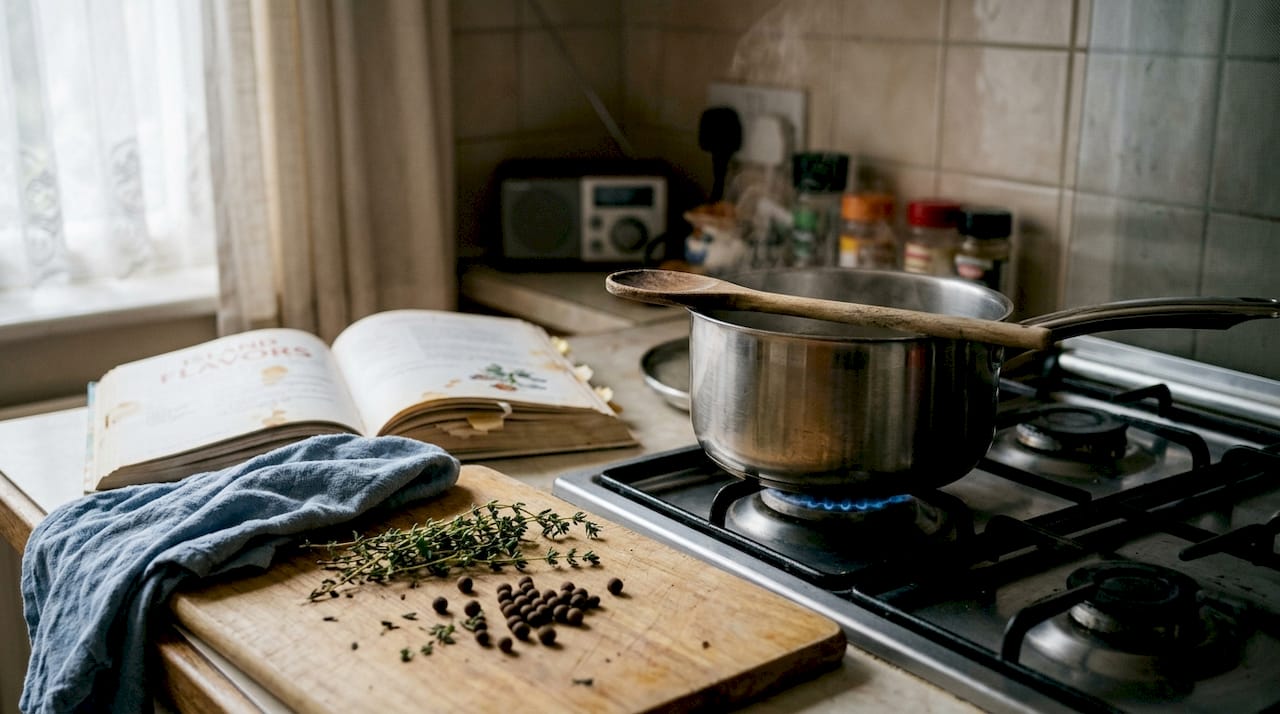
Allspice stands as perhaps the most iconic Caribbean spice, earning its name from its ability to taste like a blend of multiple warming spices. Jamaican allspice is particularly prized for its superior oil content and complex flavor. Use it generously in jerk preparations, where it provides the signature warmth that balances the fierce heat of Scotch bonnet peppers.
Thyme appears in nearly every savory Caribbean dish, from simple rice and peas to complex meat marinades. Fresh thyme delivers more vibrant flavor than dried, but dried thyme works well when fresh isn’t available. The herb’s earthy notes ground richer spices and provide an herbal backbone to heavier dishes.
Scotch bonnet peppers bring both heat and fruity complexity that jalapeños and other peppers can’t replicate. Their tropical sweetness shines through even at high heat levels, adding dimension beyond pure spiciness. Start with small amounts and increase gradually as you build tolerance and preference for their intensity.
Pro Tip: Toast whole spices in a dry pan for 30 seconds before grinding. This simple step releases aromatic oils and intensifies flavors dramatically, making even older spices taste fresher and more vibrant.
Nutmeg and cinnamon bridge the gap between sweet and savory in Caribbean cooking. They appear in traditional beverages like sorrel and ginger beer, but also enhance savory curries and meat dishes with subtle warmth. Fresh-grated nutmeg delivers far superior flavor compared to pre-ground versions.
Comparing Caribbean spice blends and when to use each
Popular Caribbean spice blends offer convenient flavor solutions while honoring traditional combinations that have evolved over generations. Different blends and spice mixes have traditional uses and flavor impacts in Caribbean cooking, making them valuable shortcuts for busy home cooks. Understanding each blend’s composition and ideal applications helps you choose the right option for specific dishes.
| Blend | Key Ingredients | Flavor Profile | Best Uses |
|---|---|---|---|
| Jerk Seasoning | Allspice, Scotch bonnet, thyme, cinnamon, nutmeg | Smoky, spicy, warm with intense heat | Grilled meats, chicken, pork, vegetables |
| Caribbean Curry Powder | Turmeric, coriander, cumin, fenugreek, allspice | Earthy, warm, slightly sweet | Curried chicken, goat, vegetables, chickpeas |
| Green Seasoning | Fresh herbs, garlic, peppers, cilantro, scallions | Bright, fresh, herbaceous | Marinades, fish, chicken, vegetable dishes |
Jerk seasoning represents Jamaica’s most famous culinary export, combining smoky allspice with fiery Scotch bonnet peppers and aromatic herbs. Traditional jerk uses both wet and dry versions, with wet marinades penetrating deeper into meats during long marinating periods. The blend works best with proteins that can handle bold flavors and high-heat cooking methods like grilling or smoking.
Caribbean curry powder differs significantly from Indian curry powders, incorporating allspice and other island spices alongside traditional curry components. The result tastes warmer and slightly sweeter than its Indian counterparts, with turmeric providing the characteristic golden color. Use this blend for goat curry, chicken curry, and vegetable curries that pair perfectly with rice and peas or roti.
Green seasoning functions as a fresh herb paste rather than a dry spice blend, combining cilantro, scallions, peppers, and aromatics into a vibrant marinade base. Trinidadian cooks consider it essential for proper seasoning, applying it to meats and fish hours before cooking. The fresh, bright flavors complement rather than overpower delicate proteins like fish and shrimp.
Key considerations when selecting blends:
- Heat tolerance: Jerk seasoning delivers the most intense heat, while curry powder offers moderate warmth
- Cooking method: Dry rubs work for grilling, wet marinades for slow cooking
- Protein pairing: Match bold blends with red meats, lighter blends with fish and poultry
- Preparation time: Dry blends work immediately, wet marinades need several hours for flavor development
Mixing your own blends gives you control over heat levels and flavor intensity while ensuring maximum freshness. Start with pre-made blends to understand traditional proportions, then experiment with adjusting ratios to match your preferences. Many Caribbean home cooks maintain signature blend recipes passed down through families, tweaking proportions to create unique flavor profiles.
Tips to incorporate Caribbean spices into your cooking routine
Successfully integrating Caribbean spices into your everyday cooking requires both proper storage techniques and a willingness to experiment with new flavor combinations. Proper storage and gradual experimentation enhance flavor and culinary confidence, helping you build skills progressively rather than feeling overwhelmed by unfamiliar ingredients.
Storage practices directly impact how long your spices maintain their potency and aromatic qualities:
- Use airtight containers: Glass jars with tight seals prevent moisture and air from degrading essential oils
- Store in cool, dark places: Heat and light accelerate flavor loss, so avoid cabinets near stoves or windows
- Label with purchase dates: Whole spices last 2-3 years, ground spices 1-2 years when stored properly
- Keep whole and ground versions separate: Grind whole spices in small batches to maintain maximum freshness
- Avoid storing above the stove: Temperature fluctuations in this area dramatically shorten spice life
Pro Tip: Create a spice rotation system by moving older containers to the front of your storage area. This simple organization trick ensures you use spices while they’re still at peak flavor rather than discovering forgotten jars years later.
Start your Caribbean cooking journey by incorporating one or two new spices into familiar dishes. Add allspice to your regular chili recipe or sprinkle thyme into roasted vegetables. This gradual approach helps you understand how each spice behaves without overwhelming your palate or your confidence. As you become comfortable, layer multiple spices to create more complex flavor profiles.
Balancing heat levels requires attention and adjustment based on your personal tolerance. Scotch bonnet peppers pack serious intensity, so start with tiny amounts and increase gradually. Remove seeds and membranes to reduce heat while maintaining the pepper’s fruity flavor. Combining hot spices with cooling elements like citrus juice, coconut milk, or fresh herbs creates balanced dishes that deliver warmth without overwhelming heat.
Experimentation yields the best learning experiences in Caribbean cooking. Try these approaches:
- Taste as you cook: Add spices in stages, tasting between additions to understand their impact
- Keep a cooking journal: Note which spice combinations worked well and which ratios need adjustment
- Cook traditional recipes first: Master authentic preparations before creating your own variations
- Seek feedback: Share dishes with friends familiar with Caribbean cuisine for honest assessments
Visit local Caribbean markets in Atlanta to discover authentic products and connect with staff who can offer cooking advice based on their own cultural knowledge. These specialty stores often carry spice brands and blends unavailable in mainstream grocery stores, plus fresh ingredients like Scotch bonnet peppers and fresh thyme that make significant differences in final dish quality.
Combining spices with fresh herbs and citrus creates the bright, layered flavors characteristic of Caribbean cooking. Lime juice cuts through rich, spicy dishes while enhancing other flavors. Fresh cilantro, scallions, and parsley add herbaceous notes that complement rather than compete with warming spices. This balance between fresh and dried, bright and warm, defines successful Caribbean dishes.
Discover authentic Caribbean spices and products at TOJ Express
Building your Caribbean spice collection becomes simpler when you have access to authentic products that deliver genuine island flavors. TOJ Express specializes in providing Atlanta’s Caribbean community and food enthusiasts with the spices, blends, and fresh ingredients needed to create traditional dishes at home. Their carefully curated selection ensures you’re getting products that meet the quality standards serious Caribbean cooks expect.

Whether you’re searching for whole allspice berries, authentic jerk seasoning, or fresh Scotch bonnet peppers, TOJ Express maintains inventory that reflects the diversity of Caribbean cuisine. Their knowledgeable staff understands why Caribbean spices matter for both flavor and cultural authenticity, and they’re ready to guide you toward products that match your cooking goals and experience level.
Explore their blog for recipes, cooking techniques, and tips that help you make the most of your spice purchases. Learning to shop for Caribbean groceries in Atlanta effectively saves time and ensures you’re selecting the freshest, most authentic ingredients available. Visit TOJ Express to start your journey toward mastering Caribbean flavors in your own kitchen.
Frequently asked questions
What are the most common spices in Caribbean cooking?
The most essential Caribbean spices include allspice, thyme, Scotch bonnet pepper, nutmeg, cinnamon, cumin, and ginger. These spices create the distinctive warm, complex, and sometimes fiery flavors found across island cuisines. Allspice and thyme appear in nearly every savory dish, while Scotch bonnet peppers provide the signature heat in jerk preparations and hot sauces. Together, these spices form the flavor foundation that makes Caribbean food instantly recognizable and deeply satisfying.
How do I use Caribbean spices to make jerk seasoning?
Authentic jerk seasoning combines allspice berries, Scotch bonnet peppers, fresh thyme, cinnamon, nutmeg, garlic, and scallions into either a dry rub or wet marinade. For wet jerk, blend all ingredients with oil and vinegar to create a paste that penetrates meat during marinating. Dry jerk uses ground versions of the same spices applied directly to meat before grilling. Marinate chicken or pork for at least 4 hours, preferably overnight, to allow flavors to fully develop before cooking over high heat for that characteristic charred exterior.
Where can I buy authentic Caribbean spices in Atlanta?
Atlanta offers several options for purchasing genuine Caribbean spices, including specialty Caribbean markets, international food stores, and online retailers. Local Caribbean grocery stores typically stock the freshest products and offer guidance from staff familiar with traditional cooking. TOJ Express provides reliable access to quality spices both in-store and online, ensuring you can find authentic products even if you can’t visit physical Caribbean markets. Check their selection for shopping Caribbean groceries in Atlanta to discover convenient options near you.
Can I substitute Caribbean spices with common pantry spices?
While substitutions are possible in a pinch, they typically alter the authentic flavor profile significantly. Regular chili peppers can’t replicate the fruity heat of Scotch bonnets, and mixed spice blends don’t capture allspice’s unique complexity. For occasional cooking, substitutes work adequately, but serious Caribbean cooking requires the real ingredients. Investing in key spices like allspice, whole nutmeg, and Scotch bonnet peppers pays off in dramatically improved flavor that truly captures island cuisine’s character and depth.