

Healthy Caribbean Food Tips: Recipes, Cooking Swaps, and Atlanta Finds
TOJEXPRESS.COM-Antonio HenryTL;DR:
- Healthy Caribbean meals can be enjoyed with simple ingredient swaps and proper portion control.
- Using herbs, spices, grilling, and baking enhances flavors without adding excess fat or salt.
- Atlanta offers many markets and resources for fresh, authentic, and health-conscious Caribbean ingredients.
Caribbean food is bold, deeply satisfying, and rooted in culture. But if you’re trying to eat healthier, you might wonder whether jerk chicken, fried plantains, and coconut-heavy stews can fit into your goals. The good news is they absolutely can. With a few smart swaps, a solid meal plan, and the right ingredients, you can enjoy authentic Caribbean flavors without derailing your nutrition. This article walks you through practical strategies: how to structure healthy Caribbean meals, which cooking tweaks make the biggest difference, which recipes to try first, and where to find what you need right here in Atlanta.
Table of Contents
- How to create a healthy Caribbean meal plan
- Essential healthy Caribbean cooking tips and swaps
- Nutritious Caribbean recipe ideas anyone can make
- Where to find healthy Caribbean ingredients and meals in Atlanta
- Smart adjustments for special nutrition needs
- A practical approach to sustainable, healthy Caribbean eating
- Find healthy Caribbean groceries and snacks online
- Frequently asked questions
Key Takeaways
| Point | Details |
|---|---|
| Balanced meal planning | Healthy Caribbean meals can be nutritious and flavorful when portioned for balance. |
| Simple ingredient swaps | Choosing grilled proteins, more veggies, and whole grains makes a major difference. |
| Atlanta shopping advantages | Local markets and eateries make healthy Caribbean ingredients easy to find in Atlanta. |
| Adapting for health needs | Special diets can enjoy Caribbean food with a few smart modifications. |
How to create a healthy Caribbean meal plan
Before you shop or cook, it’s important to understand the basics of what makes a Caribbean meal healthy. Structure matters as much as ingredients.
Healthy Caribbean meal plans typically range between 1,400 and 1,600 calories daily, with 30 to 55 grams of net carbs per meal. That framework gives you room for rice, plantains, and root vegetables while still keeping blood sugar and weight in check. The key is balancing lean proteins, fiber-rich vegetables, and smart starch choices at every meal.
Here’s a sample daily framework to get you started:
| Meal | Example dish | Key nutrients |
|---|---|---|
| Breakfast | Callaloo scramble with eggs | Protein, iron, folate |
| Lunch | Brown rice with stewed peas and grilled fish | Fiber, lean protein, complex carbs |
| Dinner | Curried chicken with roasted sweet potato | Protein, beta-carotene, potassium |
| Snack | Fresh mango slices or roasted chickpeas | Vitamin C, plant protein |
For people managing diabetes or heart health, the same structure works with a few extra steps. Swap white rice for brown rice or cauliflower rice. Choose baked or grilled proteins over fried. Keep portion sizes for starchy sides to about half a cup cooked.
Here are the best lean proteins, vegetables, and starch swaps to build around:
- Lean proteins: Grilled fish (snapper, tilapia), skinless chicken, curried chickpeas, black beans
- Fiber-rich vegetables: Callaloo, okra, cabbage, pumpkin, bitter melon
- Healthy starch swaps: Brown rice, boiled green plantains, roasted sweet potato, quinoa
For Caribbean holiday meal inspiration, these same principles apply even when cooking for a crowd. You can also explore seasonal Caribbean products to keep meals fresh and varied throughout the year.
Pro Tip: Batch-cook two proteins and one stew on Sunday. Rotate them across lunches and dinners to avoid eating the same thing twice and keep your plan sustainable all week.
If you want to stretch your grocery budget while eating well, check out these Caribbean grocery savings tips before your next shopping trip.
Essential healthy Caribbean cooking tips and swaps
With your meal structure set, it’s time to upgrade traditional Caribbean recipes with health-minded tweaks.
The biggest wins come from flavor swaps, not ingredient eliminations. You don’t have to give up coconut milk or stop making stews. You just need to use them smarter. Healthier island cooking starts with using dry spice blends and citrus marinades instead of oil-heavy sauces, diluting coconut milk with broth, switching to brown rice, and grilling or roasting proteins instead of frying.
Here’s a direct comparison of traditional versus healthier swaps:
| Traditional method | Healthier swap | Benefit |
|---|---|---|
| Fried plantains | Baked or air-fried plantains | 40% less fat |
| Full-fat coconut milk | Half coconut milk, half broth | Fewer calories |
| White rice | Brown rice or cauliflower rice | More fiber |
| Salt-heavy bouillon | Fresh herbs and citrus | Lower sodium |
| Fried fish | Grilled or roasted fish | Lean protein retained |
Here’s how to build a healthier jerk marinade step by step:
- Combine fresh thyme, allspice, garlic, and scotch bonnet pepper in a blender.
- Add the juice of two limes and one orange instead of oil.
- Mix in a small amount of low-sodium soy sauce for depth.
- Marinate protein for at least four hours before grilling.
Use thyme, allspice, and scotch bonnet for deep, layered flavor. These three ingredients together create the backbone of Caribbean taste without needing extra salt or fat.
Herbs and spices reduce the need for salt, and slow-cooking retains more nutrients than high-heat frying. A pressure cooker or slow cooker is one of the best investments you can make for healthy Caribbean cooking. It pulls flavor from bones and aromatics without requiring added fat.
For more detail on building flavor from scratch, this guide to Caribbean spice preparation breaks down the most common blends and how to use them at home.
Pro Tip: Pressure-cook your stews for 25 to 30 minutes instead of simmering for two hours. You get the same depth of flavor with less evaporation loss and no need to add oil to prevent sticking.
Nutritious Caribbean recipe ideas anyone can make
Now you’re ready for recipes. Here are healthy spins on iconic Caribbean dishes you can make easily at home.
Roasted plantain and black bean salad is a great starting point. A plantain and black bean salad gives you plant protein, complex carbs, and natural sweetness without any frying. Slice ripe plantains, roast them at 400°F until caramelized, then toss with canned black beans, red onion, cilantro, and lime juice. It works as a main or a side.
Vegan mofongo with vegetable stew is more filling than it sounds. This vegan mofongo recipe clocks in at around 378 calories with 13 grams of fiber per serving. Traditional mofongo uses fried green plantains mashed with pork fat. The vegan version uses baked plantains mashed with garlic and olive oil, topped with a chunky vegetable stew. It’s satisfying, low-calorie, and completely plant-based.
Lean curried goat with brown rice and callaloo brings serious protein and iron to the table. Diabetes Canada’s meal plan includes curried goat alongside roti and rice as a balanced option. Use a lean cut, trim visible fat, and slow-cook with curry powder, garlic, and onion. Serve over brown rice with a side of steamed callaloo dressed in lemon juice.
Here’s what to keep stocked for these recipes:
- Green and ripe plantains (fresh or frozen)
- Canned black beans and chickpeas
- Callaloo (fresh, canned, or frozen)
- Brown rice or quinoa
- Scotch bonnet peppers (use sparingly)
- Fresh thyme and allspice berries
For convenient access to these staples, explore Caribbean frozen food options that work well for weeknight cooking. If you’re still figuring out where to buy these items locally, this guide to shopping Caribbean groceries in Atlanta covers your best options by neighborhood.
Pro Tip: Make a double batch of curried goat or black bean stew on the weekend. Portion it into containers and you have five healthy lunches ready without any extra effort.
Where to find healthy Caribbean ingredients and meals in Atlanta
Even the best meal plan won’t work if you can’t find ingredients. Luckily, Atlanta is full of hidden Caribbean food resources.
The Caribbean Farmers Market in Decatur is one of the best spots for fresh produce, including callaloo, scotch bonnet peppers, breadfruit, and sorrel. Healthy eateries like Zuzu Bowls, Healthfull Essence, and Wadada Healthy Market also serve Caribbean-inspired meals with a wellness focus.
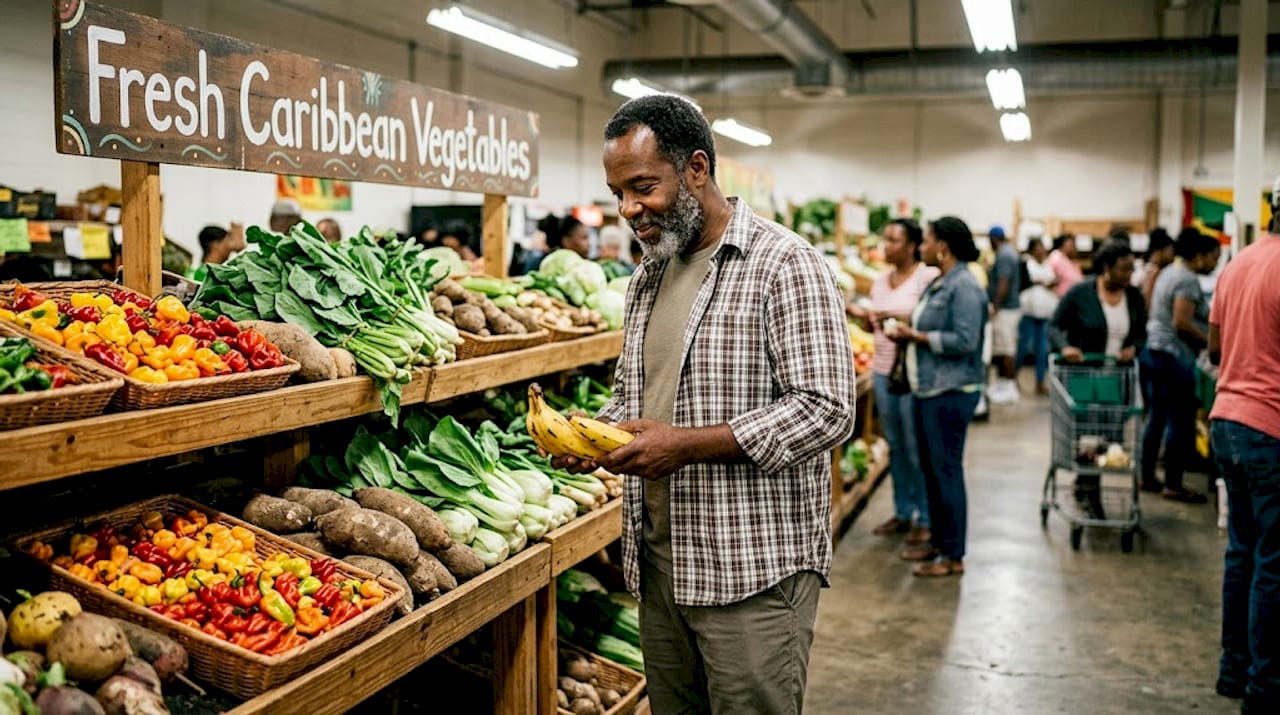
Here’s a quick reference for Atlanta-area Caribbean shopping:
| Store or market | Location | What to buy |
|---|---|---|
| Caribbean Farmers Market | Decatur | Fresh produce, herbs, root vegetables |
| Wadada Healthy Market | Atlanta metro | Organic staples, plant-based options |
| Healthfull Essence | Atlanta | Prepared healthy Caribbean meals |
| International farmers markets | Various suburbs | Plantains, yams, tropical fruits |
Beyond these spots, keep an eye out for:
- Callaloo: Look for fresh bunches or canned versions at West Indian grocery stores
- Sorrel (hibiscus): Dried or fresh at Caribbean and international markets
- Breadfruit: Seasonal at specialty produce shops
- Green plantains: Available year-round at most Latin and Caribbean markets
- Scotch bonnet peppers: Fresh at farmers markets, jarred at specialty stores
Atlanta’s growing appetite for international foods means more stores are stocking Caribbean items than ever before. You can also learn about the advantages of buying local Caribbean foods to support community vendors while getting fresher produce. For a broader overview of Caribbean cuisine in Atlanta, the scene has expanded well beyond just a few specialty shops.
Smart adjustments for special nutrition needs
For special health conditions, a few targeted tweaks can make Caribbean meals safe and enjoyable.
Traditional Caribbean cooking is naturally flavorful, but some staples are high in sodium, potassium, or starchy carbs. For people managing kidney disease or diabetes, this matters a lot. The good news is that most dishes are easy to modify without losing their identity.
For kidney health, managing potassium means boiling plantains and yams before eating them (which leaches out potassium into the water), rinsing salted fish thoroughly, and choosing pineapple over avocado when you want a tropical element. One raw plantain contains around 1,310 mg of potassium, which is significant for anyone on a potassium-restricted diet. Boiling reduces that load considerably.
For diabetes management, the same principles from Section 1 apply: focus on low-glycemic starches, lean proteins, and fiber-rich vegetables. Avoid sweetened beverages like commercial sorrel drinks with added sugar. Make your own with hibiscus, ginger, and a small amount of natural sweetener.
Here’s a quick reference list for diet-conscious ingredient picks:
- Lower potassium: Boiled green plantains, white rice (in small portions), cabbage, pineapple
- Lower sodium: Fresh herbs, citrus juice, homemade spice blends, rinsed canned beans
- Lower glycemic: Brown rice, boiled green banana, lentils, chickpeas
- Heart-healthy fats: Small amounts of avocado (if potassium allows), olive oil, fresh fish
The most important habit is reading labels on packaged Caribbean products. Many seasoning packets and canned goods carry high sodium counts that add up quickly across a day.
A practical approach to sustainable, healthy Caribbean eating
Most people who try to eat healthier fail not because the food is bad but because the plan is too restrictive. Cutting out rice, skipping stews, and avoiding every fried item is not a sustainable strategy. It’s also unnecessary.
What actually works long-term is building enjoyment into the routine. Caribbean food is one of the most adaptable cuisines in the world. The same bold flavors you love in a jerk dish or a curry can exist in a grilled, baked, or slow-cooked version. The culture doesn’t disappear when you swap white rice for brown or bake your plantains instead of frying them.
Meal prepping, shopping at local markets, and knowing which swaps matter most are the three habits that make the biggest difference. You don’t have to overhaul everything at once. Start with one swap per week. Grill instead of fry this week. Try brown rice next week. Batch-cook a stew the week after that.
Atlanta’s growing Caribbean food scene makes this easier than ever. You have access to fresh ingredients, community markets, and health-focused Caribbean eateries that do a lot of the work for you. Use those resources. Healthy eating works best when it feels like a natural extension of your culture, not a departure from it.
Find healthy Caribbean groceries and snacks online
Ready to put these healthy tips into action? Here’s where you can make shopping easy and convenient.
At TOJ EXPRESS, we stock a curated selection of authentic Caribbean and American products so you can cook these recipes without hunting across multiple stores. Whether you need plantains, callaloo, scotch bonnet sauce, or spice blends, we make it easy to get what you need delivered to your door.
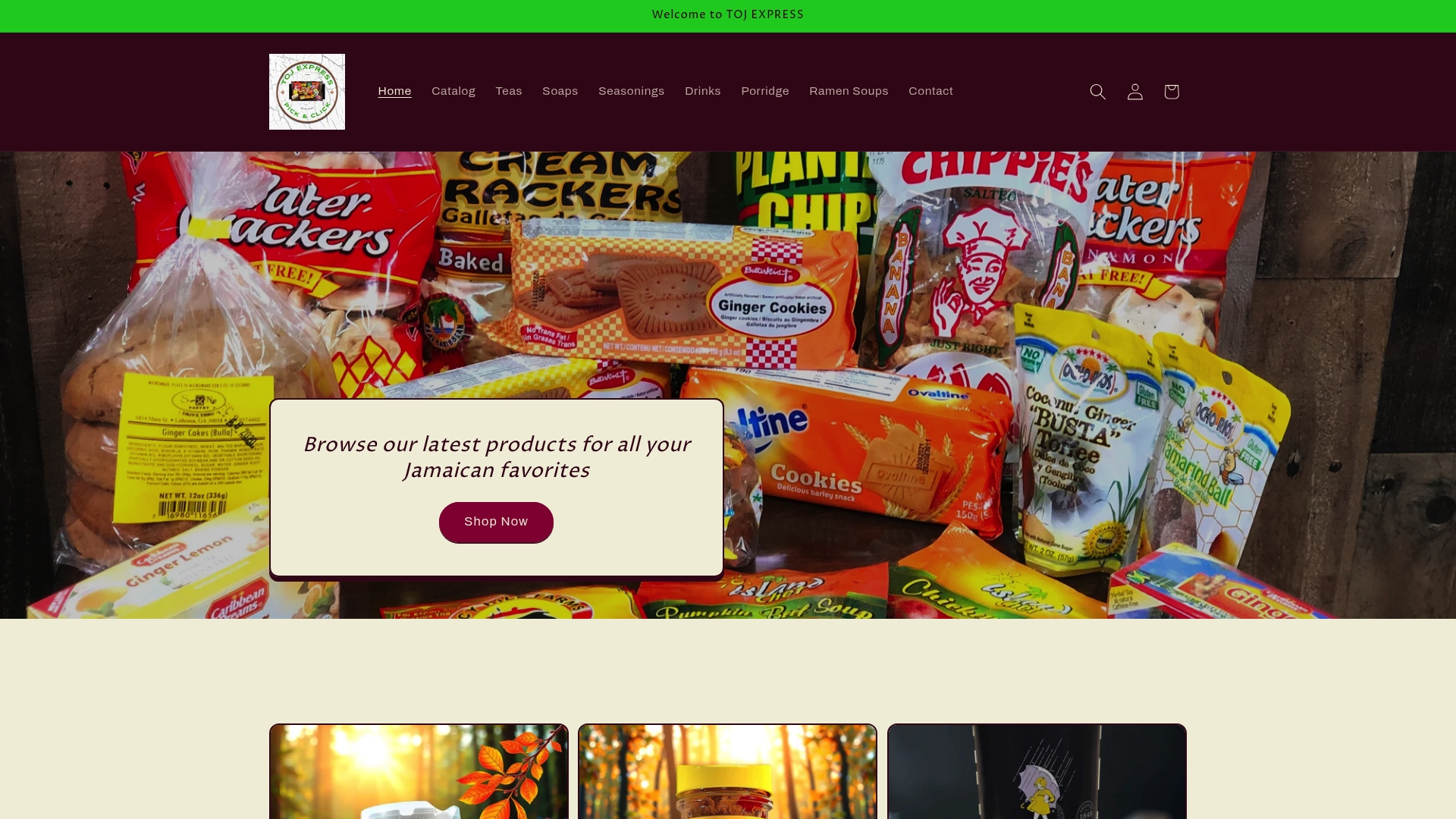
Browse our full range of Caribbean groceries online to stock your pantry with the staples covered in this article. Looking for better-for-you snacking options between meals? Our selection of healthy Caribbean snacks gives you flavorful choices that fit your nutrition goals. Shop from home and cook with confidence.
Frequently asked questions
What is the healthiest traditional Caribbean dish?
Grilled fish with brown rice and steamed leafy greens is one of the healthiest choices due to its lean protein, fiber, and low oil use. Grilling fish and featuring vegetables as mains is one of the top recommendations for healthier island cooking.
How can I make Caribbean food lower in sodium?
Use more herbs and spices instead of salt, rinse salted meats, and skip bouillon cubes to cut sodium in your recipes. Rinsing salted fish and using fresh herbs are two of the most effective sodium-reduction strategies.
Where can I buy healthy Caribbean ingredients in Atlanta?
Shop at stores like Caribbean Farmers Market in Decatur and health-focused markets like Wadada Healthy Market for authentic, fresh options. The Caribbean Farmers Market in Decatur and Wadada Healthy Market both carry fresh produce and specialty staples.
Are there vegan or vegetarian Caribbean recipes?
Yes, dishes like vegan mofongo with bean stew and plantain-black bean salad are both nutritious and plant-based. Vegan mofongo with bean stew and plantain-black bean salad are solid plant-based options with strong fiber and protein profiles.
How do I manage potassium if I have kidney disease but want Caribbean food?
Boil or soak root vegetables like yams and plantains to reduce potassium, and choose pineapple over avocado when possible. Boiling plantains and yams and swapping avocado for pineapple are the two most practical adjustments for a kidney-friendly Caribbean diet.
Recommended
- Ethnic foods in Atlanta: Caribbean cuisine’s growing role – TOJ EXPRESS
- Explore vibrant Caribbean street foods for Atlanta foodies – TOJ EXPRESS
- Master Caribbean Fusion Cuisine: Atlanta’s Guide for Food Lovers – TOJ EXPRESS
- How to Shop Caribbean Groceries Like a Local in Atlanta – TOJ EXPRESS
- What Can I Substitute for Turbinado Sugar? Top Alternatives - US Sweeteners