
How to identify fresh produce: smart shopping tips
TOJEXPRESS.COM-Antonio HenryTL;DR:
- Fresh produce’s true quality depends on color, firmness, weight, and aroma, not just appearance.
- Using senses and understanding seasonal timing helps select the best fruits and vegetables.
- Building consistent shopping habits and engaging with local vendors improves produce quality and freshness.
You’ve done it before. You pick up a gorgeous red tomato at the store, bring it home, slice into it, and find a mealy, flavorless disappointment staring back at you. Or you grab a bag of peaches that look perfect, only to watch them turn soft and mushy before you ever get a chance to enjoy them. For Atlanta shoppers navigating everything from large chain grocery stores to local farmers markets, the gap between a beautiful-looking piece of produce and one that actually delivers on flavor and freshness is real, and it costs you money every single time. The good news is that selecting great fruits and vegetables is a skill you can learn fast, and this guide gives you the step-by-step tools to do it right, every trip.
Table of Contents
- Understand what fresh really means: quality markers explained
- Use your senses: step-by-step guide for fruits and vegetables
- Seasonality and source: when and where to buy for peak freshness in Atlanta
- Edge cases, mistakes, and special tips for tricky produce
- Safety, nutrition, and alternative options: making the healthiest choices
- Why smart produce shopping is more about habits than hacks
- Level up your produce game with TOJ Express
- Frequently asked questions
Key Takeaways
| Point | Details |
|---|---|
| Use all your senses | Check color, firmness, weight, smell, and even sound for the clearest picture of freshness. |
| Shop local and seasonal | Atlanta’s local markets and in-season produce offer the best flavor, value, and shelf life. |
| Don’t fear frozen options | Frozen fruits and vegetables picked at their peak can surpass out-of-season fresh in both taste and nutrition. |
| Know the edge cases | Some produce ripens post-harvest while others do not, so learning these differences prevents common mistakes. |
| Safety comes first | Always wash, store, and handle produce properly, and look for safety certifications where possible. |
Understand what fresh really means: quality markers explained
Fresh produce is not simply produce that was picked recently. True freshness means the fruit or vegetable still holds its peak nutritional content, flavor, and cellular structure. According to extension-agency guidance, identifying fresh produce means checking for vibrant color, firmness, weight relative to size, smooth skin without blemishes, bruises, mold, or soft spots, and a fresh, sweet aroma without off smells. That definition covers a lot of ground, but it gives you a clear framework.
Here is a quick-reference table of universal freshness markers versus warning signs:
| Quality marker | What to look for | What to avoid |
|---|---|---|
| Color | Vibrant, even, true to variety | Dull, faded, or unusual patches |
| Firmness | Firm with slight give (for soft fruits) | Mushy, rock hard, or hollow feeling |
| Skin and surface | Smooth, taut, no breaks | Cuts, soft spots, mold, shriveling |
| Weight | Heavy for its size | Surprisingly light (signals water loss) |
| Smell | Sweet, clean, characteristic scent | Fermented, sour, or no smell at all |
| Cut ends (vegetables) | Moist and fresh looking | Dry, brown, or fibrous |
Key red flags every shopper should recognize before buying:
- Bruising or soft spots: These indicate cellular damage and speed up decay quickly.
- Mold: Even a small patch can mean mold has penetrated deeper into the tissue.
- Off smells: A sour or fermented odor means fermentation has already begun.
- Shriveled skin: Signals moisture loss and aging, especially in peppers, cucumbers, and citrus.
- Yellowing leaves or wilted tops: A clear sign vegetables have been sitting too long.
One common trap shoppers fall into is trusting color alone. Color is a useful starting point, but it is not foolproof. Some green-tinged oranges, for example, are actually fully ripe. The green color can come from re-greening, a process that happens when ripe oranges are exposed to warm, humid conditions after harvest, not because they are underripe. Understanding the benefits of seasonal produce also helps here because in-season fruits and vegetables are more likely to show accurate color cues naturally, without relying on artificial ripening agents used in commercial distribution.
Use your senses: step-by-step guide for fruits and vegetables
You have got the foundational markers. Here is how to put those into practice, whether you are hunting for a juicy melon or crisp greens.
Selecting fruits: a step-by-step approach
- Look first. Check for vibrant color typical of the variety. Look for even skin tone and no cuts or deep blemishes.
- Lift and weigh it in your hand. Heavy for size almost always means more juice and better texture. A lightweight fruit has often lost moisture.
- Smell near the stem end. Ripe fruits smell sweet and characteristic of their variety. A peach with no scent will taste like nothing. A melon with a strong, sweet fragrance at the stem is ready to eat.
- Press gently. Peaches and avocados should yield slightly to gentle pressure without feeling mushy. Avocados offer a useful bonus test: flick off the small stem nub at the top and check the color underneath. Green means ready, brown means overripe.
- Tap melons. A ripe watermelon makes a deep, hollow thump when you knock on it. Also look for a creamy yellow field spot (the patch where the melon rested on the ground) which signals it ripened on the vine.
Selecting vegetables: a step-by-step approach
- Check firmness first. Stalks should be rigid, heads should feel solid, and florets like broccoli should be tightly packed and dark green.
- Inspect cut ends. Moist cut ends on items like celery or leeks mean they were cut recently. Dry, brown ends mean they have been sitting out too long.
- Look at the leaves. Leafy greens and root vegetables with attached tops tell the whole story quickly. Crisp, vibrant leaves mean fresh. Wilted or yellowing greens mean avoid.
- Consider size. Smaller is often better for tenderness. Carrots around half an inch in diameter tend to be more flavorful and tender than oversized ones. Summer squash at about four inches beats those giant ones you sometimes see.
- Smell. Fresh vegetables have a clean, earthy, or slightly sweet smell. Any strong or unusual odor is a pass.
Here is a comparison of the key sensory tests for fruits versus vegetables:
| Sense | Fruits | Vegetables |
|---|---|---|
| Sight | Even color, no bruising or mold | Bright color, tight structure, no yellowing |
| Smell | Sweet, fragrant near stem or base | Clean, fresh, mild earthy scent |
| Touch | Slight give for soft fruits; firm for apples | Firm stalks, crisp leaves, taut skin |
| Sound | Hollow thump for melons | Crisp snap for beans and celery |
| Weight | Heavy for its size (more juice) | Hefty feel signals good water content |
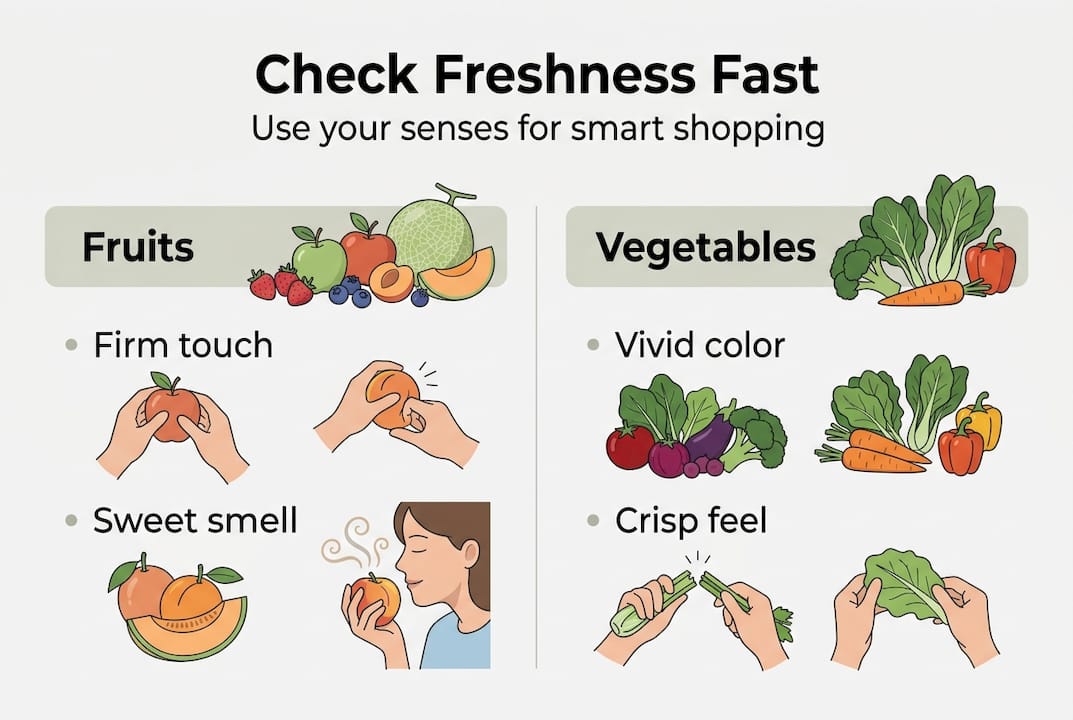
Pro Tip: If you are ever torn between two pieces of produce that look similar, always pick the heavier one. Weight is one of the most reliable freshness indicators for both fruits and vegetables across the board.
A helpful practice is to also think about storing fresh produce correctly as soon as you get home, because the best selection habits in the world cannot save produce that gets tossed in the wrong spot.
Seasonality and source: when and where to buy for peak freshness in Atlanta
Selecting produce with your senses is key, but knowing when and where you shop can make or break quality, especially around Atlanta.
Where you buy matters just as much as what you buy. Here is a breakdown of your best options in the Atlanta area:
- Local farmers markets: These often carry produce that was picked within 24 to 48 hours, which is a significant advantage over grocery store produce that may have traveled days or weeks to reach the shelf.
- Specialty and ethnic grocers: These stores often carry items that are restocked more frequently due to high turnover, especially for Caribbean and international produce.
- Large grocery chains: Convenient and consistent, but produce here has typically been in cold storage or transport longer. Shopping earlier in the week helps because deliveries usually arrive on weekends.
- Community-supported agriculture (CSA) boxes: A great way to get hyper-local, in-season produce on a regular schedule.
Seasonality is the other critical factor. When a fruit or vegetable is in season in your region, it is picked closer to peak ripeness, travels a shorter distance, and tastes noticeably better. Georgia peaches hit their peak in July and early August, and the difference between a July Georgia peach and one shipped from Chile in December is dramatic. Georgia also produces excellent sweet corn, blueberries, and Vidalia onions in spring and early summer.
Check out our seasonal products guide to see how Caribbean seasonal items line up with what you can expect locally, and our holiday produce shopping tips for special occasion planning.
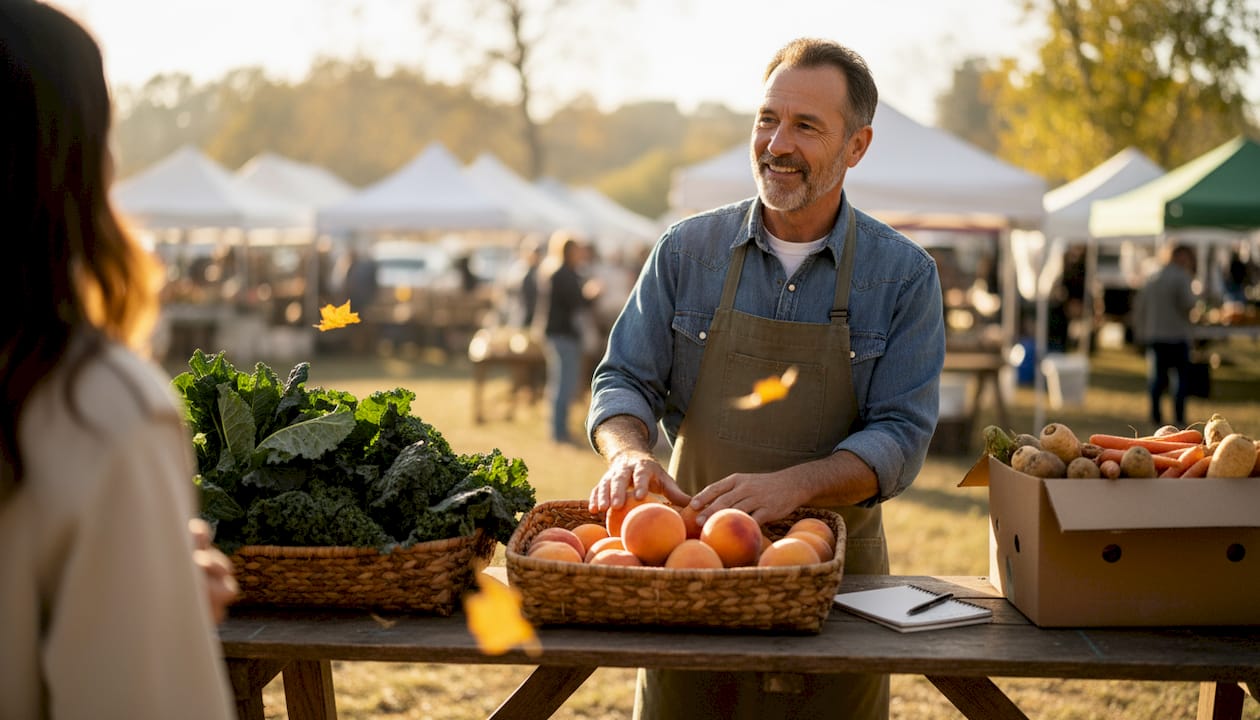
Pro Tip: At a farmers market, do not be shy. Ask vendors directly when the item was picked. Most are happy to tell you, and many will let you taste before you buy. This is the single fastest way to guarantee you are getting genuinely fresh produce.
Edge cases, mistakes, and special tips for tricky produce
You are ready for the easy calls, but what about the produce that looks ripe but is not, or vice versa? Here is how to navigate those gray areas.
One of the most important distinctions in produce shopping is understanding which items continue to ripen after harvest (called climacteric fruits) and which ones do not. Some fruits ripen post-harvest, including peaches, pears, avocados, tomatoes, and bananas. You can buy these slightly firm and let them ripen at room temperature. Others, like berries, grapes, citrus, and melons, stop ripening once picked. What you see and smell at the store is what you get.
Common myths and mistakes to avoid:
- Myth: Green means unripe. Not always. Green-tinged oranges can be fully ripe and sweet. Pears with slight brown russeting on the skin are often better than pure yellow ones.
- Myth: Bigger is better. For many vegetables, smaller sizes are actually more flavorful and tender. This is especially true for zucchini, carrots, and eggplant.
- Mistake: Squeezing avocados too hard. Aggressive squeezing bruises the flesh. Use gentle palm pressure, not fingertip pressure.
- Mistake: Ignoring the stem area. The stem end of most fruits is the most fragrant area and the best place to do your smell test.
- Mistake: Buying melons by color alone. Look for that creamy field spot and tap for the hollow thump. Color varies widely by variety.
Safety reminder: Never rely solely on appearance to judge ripeness or safety. Some produce, especially melons and leafy greens, can carry surface bacteria even when they look perfect. Always wash under cold running water before eating, regardless of how fresh it appears.
One fun trick for melons at outdoor markets: if you spot small insects hovering near a melon, that actually signals sugar content is high and the melon is well-ripened. It is not a reason to avoid it; it is a sign of quality. Looking for grocery shopping savings tips can also help you balance getting the best quality while keeping your budget in check.
Safety, nutrition, and alternative options: making the healthiest choices
Great produce should taste good and be safe to eat. Here is what every Atlanta shopper should know about handling, storing, and sometimes even replacing fresh with smarter choices.
Food safety essentials to practice on every shopping trip:
- Look for vendors and processors with GAP or HACCP certification, which indicates they follow standards for safe growing and handling practices.
- Always wash produce under cold running water before consuming, even if you plan to peel it.
- Do not refrigerate unripe tomatoes or peaches. Cold temperatures damage their texture and stop the ripening process.
- Store ethylene-producing fruits like apples and bananas away from other produce to prevent premature ripening in nearby items.
- Use paper bags instead of plastic for items like mushrooms and fresh herbs, which need airflow to stay fresh.
One insight that surprises many shoppers: frozen produce at peak ripeness often retains nutrients better than fresh produce that was shipped across the country and spent days in refrigerated storage. If you are buying blueberries in January or peas in October, frozen is almost certainly the better nutritional choice.
Pro Tip: Not every piece of conventionally grown produce carries high pesticide risk. Organic matters most for thin-skinned items like strawberries, spinach, grapes, and peaches. For thicker-skinned items like avocados, pineapples, and onions, conventionally grown is generally a lower-risk choice.
Explore our guide to choosing quality frozen produce if you want to make the most of frozen options without sacrificing quality or taste.
Why smart produce shopping is more about habits than hacks
Here is the honest truth that most produce guides skip over: knowing thirty different tricks for testing melons, avocados, and beets will not transform your shopping if you only apply them occasionally. What actually makes the difference is building consistent habits.
Shopping twice a week instead of once changes everything. When you are buying smaller quantities more often, you are always working with fresher stock, and you are wasting less. Knowing which items are in peak season right now, in Georgia, and planning your meals around those items means you are almost always buying something at its natural best. These habits cost you nothing extra.
The biggest myth worth challenging is the idea that fresh always beats everything else. It does not. A conventionally grown supermarket tomato in February, shipped from a greenhouse thousands of miles away, is not better than a well-chosen frozen tomato product from a local Georgia harvest. Atlanta’s food scene, with its mix of local farms, Caribbean specialty stores, and international markets, actually rewards shoppers who are willing to think flexibly about what “fresh” means.
We also believe that the conversation you have with your vendor at a farmers market or specialty store is one of the most underrated tools in produce shopping. Those conversations build relationships, get you samples, and sometimes get you access to items before they hit the general display. That kind of curiosity and consistency, over time, beats any single clever trick you might read online. If you are wondering whether frozen produce works as a regular part of your routine, the answer for busy Atlanta families is often yes.
Level up your produce game with TOJ Express
Knowing how to pick the best produce is just the first step. At TOJ Express, we stock a carefully chosen selection of fresh American and Caribbean products that align with exactly what you have learned here, seasonal, flavorful, and selected for quality.

Whether you are looking to shop fresh and specialty produce or sharpen your skills with our library of shopping and storage guides, we have got the resources and products to support your kitchen. Pair your new selection knowledge with our detailed produce storage tips to make sure everything you bring home stays fresh as long as possible. Stop by or browse online and see what is in season today.
Frequently asked questions
How can I tell if fruit is ripe without cutting it open?
Use your senses: a ripe fruit smells sweet and true to its variety, yields slightly to gentle pressure at the stem end, and feels heavy for its size.
Are bruises or spots on produce always bad?
Minor surface blemishes are often harmless, but deep soft spots or mold indicate spoilage that can affect the entire piece of produce.
What’s the best time to shop for the freshest produce in Atlanta?
Early mornings at farmers markets during peak harvest season give you the widest selection of produce picked within the last day or two.
Is frozen produce as healthy as fresh?
Frozen produce harvested at peak ripeness is often equally nutritious or better than fresh produce shipped out of season, making it a smart alternative in winter months.