
What Is Goya Foods? History, Products, and Culture
TOJEXPRESS.COM-Antonio HenryTL;DR:
- Goya Foods is the largest Hispanic-owned food company in the U.S., offering over 2,500 Latin American products rooted in tradition. Founded in 1936 by Spanish immigrants, it has grown into a cultural institution shaping American and Caribbean cuisine. Its family ownership and community investment maintain authentic ingredients and support diverse culinary practices nationwide.
Goya Foods is defined as the largest Hispanic-owned food company in the United States, with a portfolio of over 2,500 products spanning beans, rice, seasonings, beverages, and frozen foods rooted in Latin American tradition. Founded in 1936 by Spanish immigrants Prudencio Unanue and Carolina Casal, Goya grew from a single Manhattan storefront into a global food powerhouse with 25 manufacturing and distribution facilities worldwide. The brand is not just a grocery label. It is a cultural institution that has shaped how millions of Americans cook, eat, and connect with their heritage.
What is Goya Foods and where did it come from?
Goya Foods started in 1936 in a small Manhattan shop selling imported Spanish and Caribbean products to immigrant communities who could not find familiar ingredients anywhere else. The founders, Prudencio Unanue and Carolina Casal, were Spanish immigrants who recognized a gap in the American food market and filled it with products that tasted like home. That founding instinct, serving underrepresented communities with authentic food, remains the company’s core identity nearly 90 years later.
One of the most fascinating details in Goya’s early story is how the brand name itself was acquired. The name “Goya” was purchased for one dollar during supply chain disruptions caused by the Spanish Civil War. That one-dollar decision became the foundation of a billion-dollar brand. It is a detail that tells you everything about how the Unanue family operated: practical, opportunistic, and always thinking long-term.
The company’s growth followed a clear trajectory tied to American demographic shifts. In 1958, Goya opened its first factory in the Bronx, signaling a transition from importer to manufacturer. By 1974, the company relocated its headquarters to Jersey City, New Jersey, positioning itself closer to the dense Latino communities of the Northeast. The Immigration and Nationality Act of 1965 dramatically expanded Latin American immigration to the U.S., and Goya was perfectly positioned to serve that growing customer base. That demographic wave turned a regional brand into a national one.
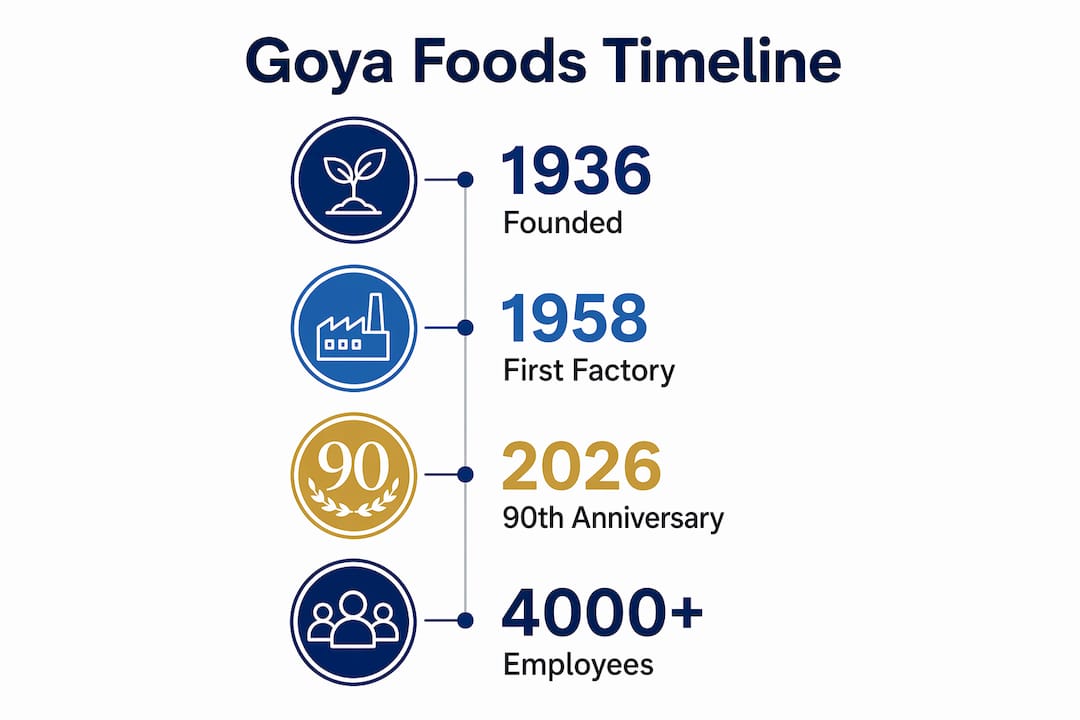
Today, Goya employs over 4,000 people globally and celebrated its 90th anniversary in 2026. That milestone reflects not just longevity but consistent relevance across generations of consumers.
Pro Tip: If you want to understand how Goya built its loyal customer base, look at the communities it served first. Immigrant families who found Goya products in the 1940s and 1950s passed that brand loyalty directly to their children and grandchildren.
What kinds of Goya Foods products are available?
Goya Foods products cover nearly every category a Latin American kitchen requires. The range is wide enough to stock an entire pantry, and the depth within each category is what separates Goya from generic grocery store alternatives.
Here is a breakdown of the major product categories Goya offers:
- Beans and legumes: Black beans, pink beans, chickpeas, pigeon peas, and lentils in canned, dried, and seasoned varieties
- Rice and grains: Long-grain white rice, yellow rice mixes, and grain blends seasoned for specific regional dishes
- Seasonings and spices: Adobo all-purpose seasoning, sazón with coriander and annatto, recaito, and sofrito
- Olive oil and cooking oils: Extra virgin olive oil sourced from Spain, a category where Goya has competed with European brands for decades
- Tropical beverages: Coconut water, nectars, malta, and fruit drinks from Caribbean and Latin American traditions
- Frozen foods: Tostones, yuca fries, empanadas, and other ready-to-cook Latin staples
- Condiments and sauces: Hot sauces, mojo marinades, and vinegar-based dressings
The authenticity of Goya Foods ingredients is not marketing language. Products blend authentic ingredients, robust seasonings, and convenient preparation for diverse palates, which means a Puerto Rican grandmother and a college student making their first rice dish can both find what they need in the same product line. That accessibility is a deliberate product strategy, not an accident.
| Product category | What makes it stand out |
|---|---|
| Adobo seasoning | All-purpose blend used across Caribbean, Mexican, and South American cooking |
| Sazón | Annatto-based seasoning that gives rice and stews their signature golden color |
| Canned beans | Available in 15+ varieties, pre-seasoned or plain, covering regional preferences |
| Tropical beverages | Authentic Caribbean flavors like tamarind, passion fruit, and guava |
| Frozen Latin foods | Ready-to-cook items that preserve traditional textures and flavors |
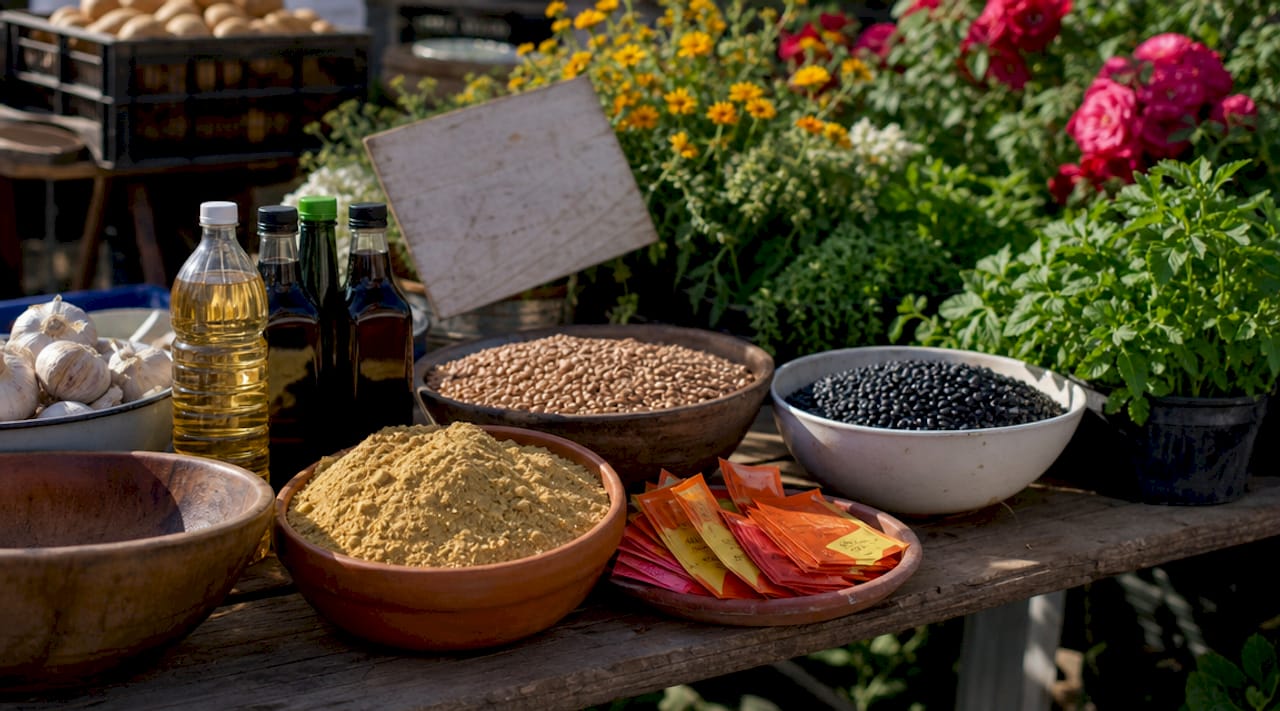
Pro Tip: Goya’s adobo and sazón are the two products most often recommended by Caribbean and Latin American home cooks as non-negotiable pantry staples. If you are new to cooking Latin American food, start there. You can find both at Tojexpress alongside other authentic Caribbean and American products.
How has Goya Foods shaped American and Caribbean cuisines?
Goya’s cultural impact on American food goes well beyond sales figures. The company introduced authentic Latin ingredients into mainstream American grocery stores, making it possible for Latino families to cook traditional dishes without traveling to specialty markets. That access changed the daily cooking habits of millions of households across the country.
The brand’s influence on Caribbean cuisine specifically is deep and structural. In Puerto Rico, Cuba, the Dominican Republic, and across the Caribbean diaspora in the U.S., Goya products are not considered ethnic specialty items. They are standard pantry goods. Goya sofrito, Goya black beans, and Goya rice are as common in Caribbean-American kitchens as salt and olive oil. This normalization of Latin ingredients in everyday cooking is one of Goya’s most significant cultural contributions.
Beyond Latino communities, Goya has attracted a genuinely diverse consumer base. Non-Hispanic shoppers who discovered Goya products through restaurants, neighbors, or food media have made the brand a crossover success. This expansion reflects a broader trend in American food culture, where culinary diversity drives consumer curiosity and purchasing decisions across ethnic lines.
Several specific ways Goya has shaped American and Caribbean food culture include:
- Standardizing Latin seasoning blends like adobo and sazón in non-Latin households
- Making tropical fruits and beverages accessible year-round in continental U.S. grocery stores
- Providing affordable, shelf-stable versions of traditional ingredients that reduce cooking barriers
- Influencing restaurant menus by making authentic Latin flavors familiar to mainstream diners
- Supporting the preservation of regional recipes by keeping traditional ingredients commercially available
The company’s reach into Caribbean products and flavor culture has also helped document and sustain culinary traditions that might otherwise fade as immigrant communities assimilate over generations.
What community initiatives does Goya Foods support?
Goya’s social responsibility record is concrete and measurable, not just a corporate talking point. In 2026, the company donated 1 million pounds of food through its Goya Gives Day initiative, targeting food insecurity across the U.S., Puerto Rico, and Spain. The donation was timed to the 90th day of the year, marking nine decades of community support with a single symbolic act.
The company’s ethos drives this commitment directly. As the brand states:
“If It’s Goya, It Has To Be Good” reflects not just product quality but a standard of service and community responsibility that the Unanue family has maintained across three generations.
Family ownership is the structural reason this commitment has stayed consistent. Six members of the third generation of the Unanue family actively run daily operations, which means decisions about charitable giving and community investment are made by people with a personal stake in the company’s reputation and values. A publicly traded company facing quarterly earnings pressure would likely cut philanthropic programs first. Goya has not faced that pressure because it has resisted acquisition for nearly 90 years.
This family-led model is also why Goya’s community engagement feels genuine rather than performative. The Unanue family’s story is itself an immigrant success story, and their charitable work reflects a direct understanding of the food insecurity and cultural displacement that many of their customers have experienced.
Key takeaways
Goya Foods is the largest Hispanic-owned food company in the U.S., built on authentic Latin American ingredients, family ownership, and nearly 90 years of community-centered growth.
| Point | Details |
|---|---|
| Founded by immigrants in 1936 | Prudencio Unanue and Carolina Casal started Goya in Manhattan to serve underrepresented Latino communities. |
| Over 2,500 products available | The portfolio covers beans, rice, seasonings, beverages, frozen foods, and oils across Latin American regions. |
| Cultural impact beyond Latino communities | Goya introduced authentic Latin ingredients to mainstream American grocery stores, attracting diverse consumers. |
| Family ownership drives quality | Six third-generation Unanue family members run daily operations, preserving original company values. |
| Active community investment | Goya Gives Day donated 1 million pounds of food in 2026, reflecting nine decades of social commitment. |
Why Goya’s story still matters in every kitchen
I have spent years watching food brands come and go, and very few have the staying power that Goya has built. What strikes me most is not the scale. It is the consistency. Goya has never tried to be something it is not. While other food companies chased trends, rebranded every five years, or sold out to conglomerates, Goya kept making the same adobo, the same sazón, the same black beans that their customers’ grandmothers used.
That is not stubbornness. That is a deep understanding of what their customers actually value. Authenticity is not a marketing strategy for Goya. It is the product itself.
What I find genuinely underappreciated is how Goya democratized Latin American cooking in the U.S. Before Goya had national distribution, a Puerto Rican family in Chicago or a Cuban family in Atlanta had to work hard to find the ingredients they needed. Goya changed that equation. The brand is a food brand that shaped community identity in ways that go far beyond grocery aisles.
The one thing I would push back on is the assumption that Goya is only relevant to Latino consumers. Walk into any kitchen where serious home cooking happens, regardless of background, and you will likely find a yellow can of Goya adobo somewhere in the spice cabinet. That crossover is the real measure of the brand’s success.
— ANTONIO
Find authentic Goya Foods products at Tojexpress
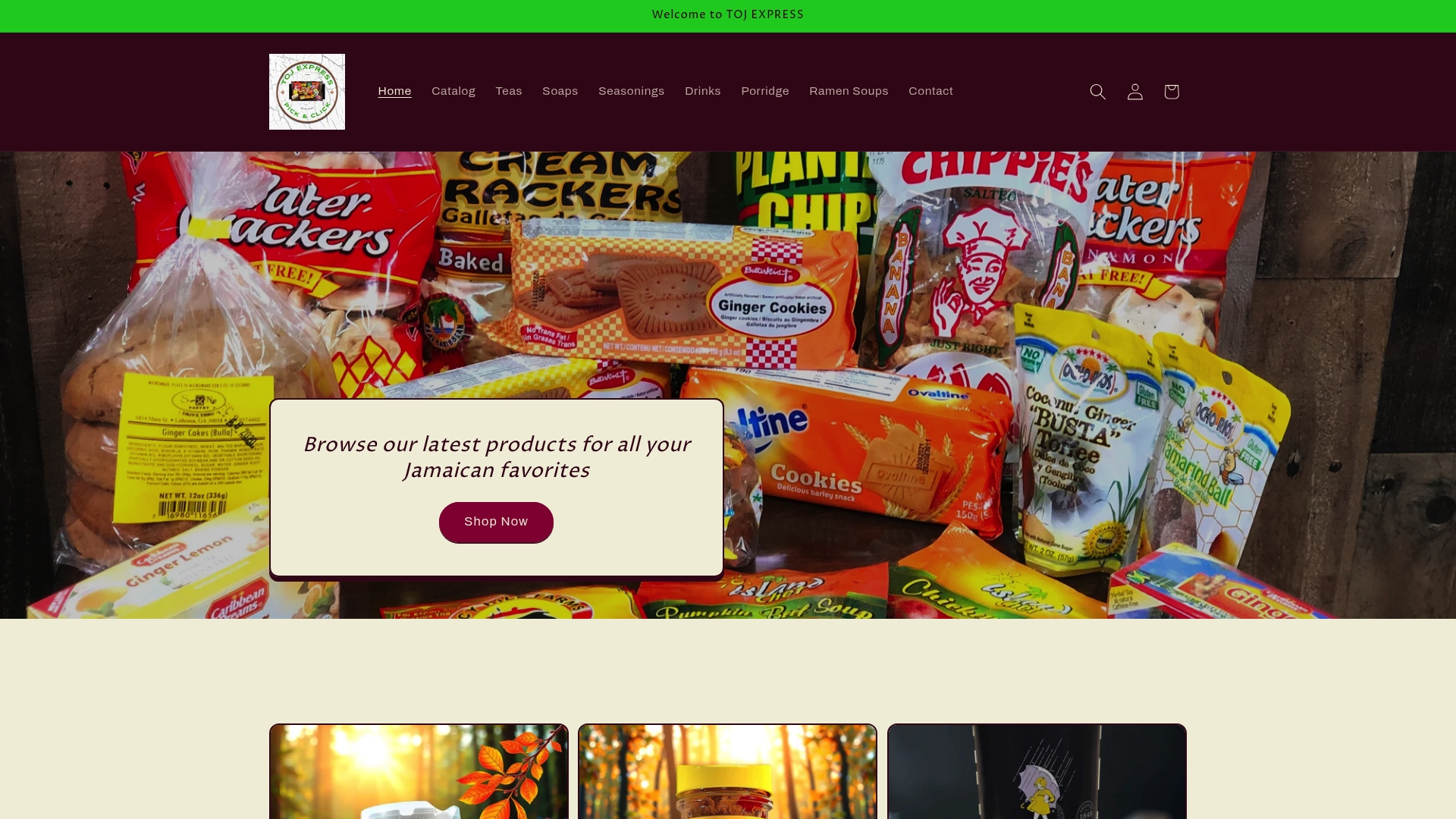
Tojexpress is a convenience store stocked with American and Caribbean products, including the Goya Foods staples that home cooks rely on every day. Whether you are looking for Goya adobo, sazón, canned beans, or tropical beverages, Tojexpress carries the authentic ingredients that make Caribbean and Latin American recipes work the way they are supposed to. You do not need to hunt through multiple stores or settle for generic substitutes. Visit Tojexpress to browse a curated selection of Goya products and other authentic multicultural foods, all in one place. Cooking the real thing starts with the right ingredients.
FAQ
What is Goya Foods known for?
Goya Foods is known as the largest Hispanic-owned food company in the U.S., specializing in authentic Latin American products including beans, rice, adobo seasoning, sazón, and tropical beverages across more than 2,500 product varieties.
When was Goya Foods founded?
Goya Foods was founded in 1936 by Spanish immigrants Prudencio Unanue and Carolina Casal, starting as a small Manhattan storefront before expanding into a global food company.
What does Goya Foods sell?
Goya sells over 2,500 products covering beans, rice, cooking oils, seasonings, condiments, frozen foods, and beverages sourced from Caribbean, Mexican, Spanish, and Central and South American culinary traditions.
Is Goya Foods still family-owned?
Yes. Goya Foods remains a privately held, family-owned company with six third-generation members of the Unanue family actively managing daily operations, making it one of the largest family-owned food businesses in the United States.
Where can I buy Goya Foods products?
Goya products are available in major grocery chains nationwide, as well as specialty multicultural stores like Tojexpress, which carries a focused selection of Goya and other authentic Caribbean and American food products.