
How food brands shape Atlanta's identity and economy
TOJEXPRESS.COM-Antonio HenryTL;DR:
- Atlanta’s food industry contributes between $7 billion and $15.2 billion annually, emphasizing its economic significance. The city’s diverse food brand landscape reflects its cultural heritage, with local, Caribbean, and American brands shaping community identity. Emerging minority-owned brands face structural barriers but benefit from Atlanta’s vibrant demand for authentic, local, and sustainable foods.
Atlanta spends less on food than most American cities, with households allocating just 12% of their budget to eating, below the national average. That might sound like food is a minor story here. It is not. Atlanta’s food brand landscape is a powerful economic engine, a cultural mirror, and an ongoing conversation between generations, communities, and cuisines. From Chick-fil-A’s iconic American roots to the rising wave of Caribbean groceries filling neighborhood store shelves, the brands Atlantans choose say everything about who this city is and where it is going.
Table of Contents
- Understanding Atlanta’s food brand landscape
- Major food brands fueling Atlanta’s growth
- Shifting consumer preferences: local, healthy, and sustainable
- Food brands and Atlanta’s everyday life
- Challenges and opportunities for emerging food brands
- Why Atlanta’s food brand story is more complex than it appears
- Experience Atlanta’s food diversity with TOJ EXPRESS
- Frequently asked questions
Key Takeaways
| Point | Details |
|---|---|
| Diverse brand impact | Both national and local food brands shape Atlanta’s economy and identity. |
| Evolving consumer trends | Atlanta shoppers drive demand for sustainable, healthy, and local food products. |
| Economic significance | Food brands contribute billions to Atlanta’s local GDP each year. |
| Real challenges remain | Emerging brands face hurdles but community support and authenticity open new opportunities. |
| Local stores matter | Specialty and hybrid stores are essential for connecting consumers with authentic American and Caribbean foods. |
Understanding Atlanta’s food brand landscape
Atlanta’s food economy is far bigger than most people realize. The city’s food and beverage industry contributes between $7 billion and $15.2 billion annually, representing roughly 4.2% of the city’s GDP. That is not a side story. That is a core pillar of Atlanta’s economic identity.
The brand landscape itself covers an enormous range. You have global chains with Atlanta origins, regional grocery staples, local craft producers, and a growing tier of Caribbean food importers and specialty brands. Each segment plays a distinct role in how Atlantans eat, shop, and socialize.
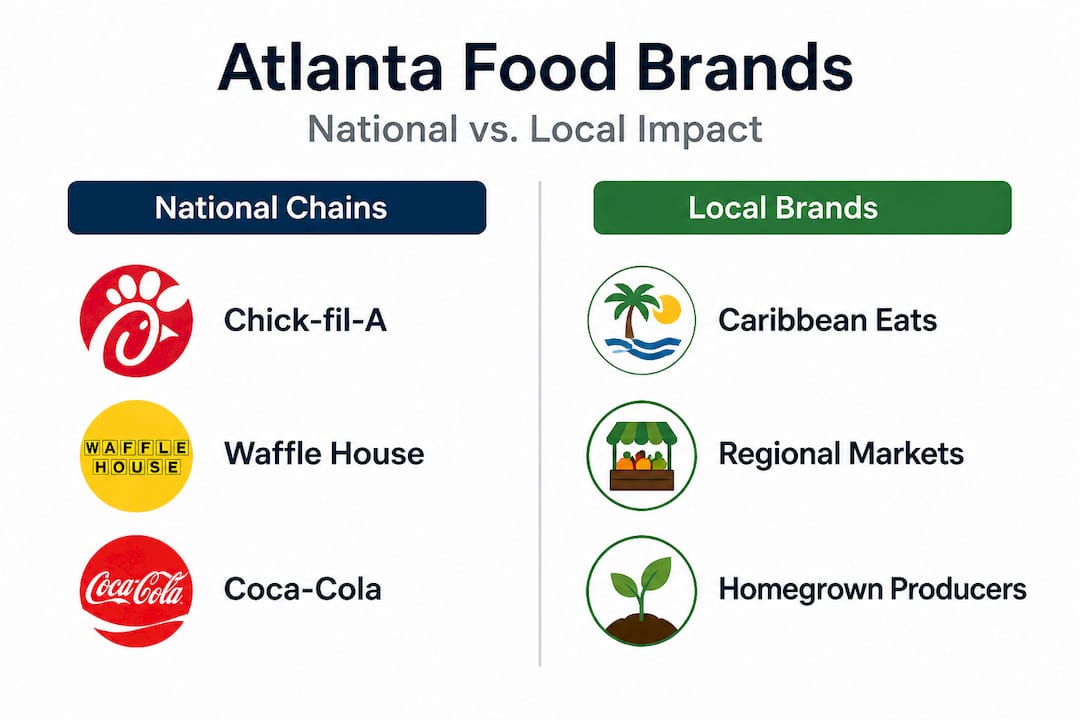
Here is a quick breakdown of the main segments:
| Food brand category | Examples | Primary role |
|---|---|---|
| National fast food chains | Chick-fil-A, Waffle House | High employment, brand identity |
| American grocery brands | Kroger, Publix house brands | Household staples, price anchoring |
| Caribbean specialty brands | Grace Foods, Walkerswood | Cultural representation, flavor variety |
| Local craft producers | Small-batch sauces, local bakeries | Community economy, authenticity |
| Minority-owned food businesses | Various Black and Caribbean brands | Cultural identity, niche markets |
What makes Atlanta unique is not just the size of any one segment. It is how these segments interact. Specialty food stores bridging American and Caribbean products have become community anchors, especially in neighborhoods like Clarkston, Chamblee, and Decatur. These stores do not just sell food. They create cultural touchpoints.
Key economic facts to keep in mind:
- Atlanta’s food sector employs hundreds of thousands of workers across production, retail, and service
- The city’s diverse population drives demand for a wider range of food brands than most comparable American cities
- Food brand investment in Atlanta has grown steadily alongside the city’s population boom over the past decade
The diversity of brands is not random. It reflects Atlanta’s role as a major transportation hub, a destination for domestic and international migration, and a city with deep roots in both Southern American cooking and diasporic Caribbean food traditions.
Major food brands fueling Atlanta’s growth
When people think of Atlanta food brands, Chick-fil-A is usually the first name that comes up. And for good reason. Founded in Atlanta, Chick-fil-A has grown into one of the highest-grossing fast-food chains per unit in the entire country. Its local roots are not just a marketing angle. They represent a genuine success story that emerged from the city’s entrepreneurial culture and Southern hospitality values.
But Chick-fil-A is not the whole story. Not even close.
Caribbean brands have steadily expanded their Atlanta presence over the past 15 years, riding the wave of the city’s growing Caribbean diaspora community. Brands like Grace Foods from Jamaica and Walkerswood bring flavors that connect families to their home countries while introducing new customers to bold, distinctive taste profiles. These brands do not just fill a niche. They build community identity.
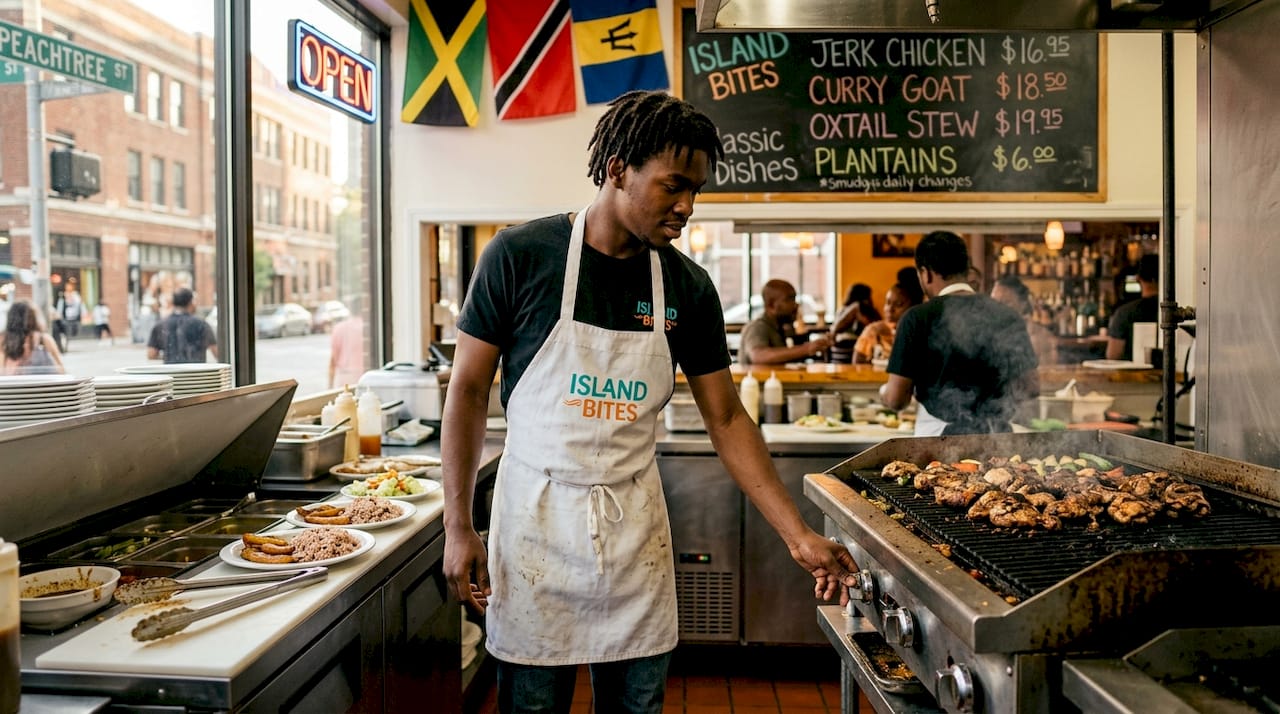
Here is a comparison worth thinking about:
| Brand type | Economic impact | Cultural impact | Employment type |
|---|---|---|---|
| Large American chains | Very high revenue, national reach | Sets mainstream trends | Mostly hourly, high volume |
| Caribbean specialty brands | Growing revenue, loyal base | Deep cultural significance | Small business, community-focused |
| Local independent brands | Modest revenue, strong loyalty | Authentic local identity | Family and community employment |
“The brands that last in Atlanta are the ones that understand the neighborhood, not just the market. Flavor without community connection is just product.” This is something you hear from Atlanta food entrepreneurs over and over again.
Pro Tip: If you want to understand a new Atlanta neighborhood quickly, look at what food brands are stocked in the local convenience and grocery stores. The product mix tells you exactly who lives there and what flavors they consider home.
Exploring American and Caribbean roots in Atlanta’s food culture shows just how intertwined these two traditions have become. Southern cooking borrowed from African and Caribbean culinary techniques for centuries. Today, that exchange continues through the brands Atlantans bring into their kitchens every single week.
Shifting consumer preferences: local, healthy, and sustainable
Atlanta’s food brands are not operating in a vacuum. They are responding to a consumer base that has become more informed, more intentional, and more demanding. The data on Atlanta consumer preferences is striking. Around 45% of Atlanta consumers prefer locally crafted beverages like craft beer. A full 62% of millennials in the city lean toward plant-based food options. And 73% of Atlanta shoppers actively read food labels for health and sourcing information before buying.
These numbers matter because they change what brands have to do to earn loyalty.
A food brand that ignores sustainability messaging, local sourcing, or nutritional transparency is effectively invisible to a growing share of the Atlanta market. This is why you see even national brands reformulating products, launching local partnerships, and overhauling their packaging with cleaner ingredients lists. The consumer is in charge now.
What Atlanta consumers are looking for:
- Local sourcing: Products made in Georgia or the Southeast carry a trust advantage
- Plant-based options: Demand has spiked dramatically, particularly among younger shoppers
- Clean labels: Short ingredient lists, recognizable names, no artificial additives
- Cultural authenticity: Caribbean and Southern American flavors made with traditional methods
- Transparent pricing: Value without compromising on quality or ethics
Understanding why shopping locally matters is something more Atlanta consumers are taking seriously. When you buy a locally made hot sauce or a Caribbean-brand seasoning from an Atlanta store, that money circulates back into the city’s economy in ways that a big-box national purchase simply does not.
For families wanting to cook healthier at home, food education resources can make a real difference in understanding which brands and ingredients support better outcomes. And for a broader perspective on building nutritious meals, a nutritious food guide from Recipe for Success offers practical guidance that complements what Atlanta’s better brands are already trying to deliver.
Pro Tip: When you are choosing between two similar food products at the store, check where the brand was founded and where the product is made. Choosing a brand with Atlanta or Georgia origins keeps local food economies strong and often means fresher ingredients with shorter supply chains.
Food brands and Atlanta’s everyday life
Food brands shape far more than what is on your plate. They shape your budget, your routine, and your sense of belonging in a city. Atlanta households allocate 12% of their budget to food, split almost evenly between grocery spending and dining out. That balance means food brands are competing for attention on two fronts at the same time: the kitchen shelf and the restaurant seat.
Here is how food brands show up in Atlanta everyday life:
- Morning routines shaped by American breakfast brands available at local convenience stores, from trusted cereal names to grab-and-go options
- Lunchtime decisions influenced by whether a workplace neighborhood has accessible Caribbean or Southern food options nearby
- Grocery shopping guided by brand loyalty built through generations of family cooking traditions
- Weekend cooking driven by specialty ingredients from brands that reflect cultural heritage
- Community gatherings where food brands become social currency, where someone brings Grace Foods jerk seasoning to a cookout and it becomes a conversation starter
“Food brands are how Atlanta tells its own story. The brands in our kitchens and on our tables are not just products. They are memories, traditions, and identities.” This reflects what Atlanta food culture advocates regularly emphasize.
Accessibility matters enormously here. For many Atlanta families, having healthy convenience store options that include Caribbean staples alongside American favorites is not a luxury. It is a practical necessity for maintaining both budget and cultural connection. Similarly, understanding the benefits of American groceries helps shoppers navigate which brands offer consistent quality, fair pricing, and reliable sourcing.
The connection between food brands and community health is also worth recognizing. Programs like those highlighted by Atlanta teams cooking success stories show how local food culture and brand access can be tools for community building and health improvement at the neighborhood level.
Challenges and opportunities for emerging food brands
Not every food brand in Atlanta gets to operate from a position of strength. For many emerging brands, especially those owned by Black entrepreneurs or Caribbean founders, the path is filled with real obstacles that are often understated or overlooked.
Atlanta’s reputation as a hub for Black-owned restaurants is genuine in some ways, but the data shows that minority food businesses still face significant structural barriers. Access to startup capital is harder. Shelf space in major grocery chains is competitive and often requires expensive slotting fees. Building brand awareness without a large marketing budget demands creativity and persistence that most established brands never had to develop.
The main barriers for emerging Atlanta food brands include:
- Funding gaps: Minority-owned food businesses receive less venture capital and fewer small business loans on average
- Supply chain access: Sourcing quality ingredients at scale is expensive for small operators without established supplier relationships
- Retail entry: Major grocery stores require minimum volumes and fees that newer brands cannot always meet
- Awareness building: Without marketing budgets, brands rely heavily on word-of-mouth and community relationships
- Regulatory navigation: Food safety licensing and labeling compliance require time and expertise that small teams often lack
The opportunities are equally real, though. Farm-to-table movement growth, demand for authentic Caribbean flavors, and the rise of specialty grocery retail all create openings for brands that know their community and tell their story well. Local stores rooted in food heritage have become launch platforms for small brands that might never get traditional distribution deals.
Food accessibility work across Atlanta also creates visibility opportunities. Brands that participate in community food programs, farmers markets, and neighborhood pop-ups build genuine loyalty that no advertising budget can manufacture.
Pro Tip: If you are launching a food brand in Atlanta, start with your story. Where do your ingredients come from? What cultural tradition does your product honor? Atlanta consumers reward authenticity over polish. A handwritten label with a compelling origin story often outsells a glossy package with nothing to say behind it.
Why Atlanta’s food brand story is more complex than it appears
Most articles about Atlanta’s food scene focus on either the glittering restaurant awards or the fast-food giants. We think both angles miss the most interesting part of the story.
What we see on the ground, working with Atlanta’s American and Caribbean food community every day, is that the real power in this food landscape belongs to the middle tier. Not the Chick-fil-As and not the invisible micro-producers either. The stores, brands, and products that sit at the intersection of American convenience and Caribbean authenticity are driving the actual texture of Atlanta’s daily food life.
Think about snack culture in Atlanta. It is a perfect example. American snack brands dominate the shelves in most stores, but Caribbean snack products, plantain chips, bake and shark seasonings, island-style beverages, are steadily carving out loyal customer bases in the same spaces. That coexistence is not accidental. It reflects Atlanta’s genuinely hybrid identity.
National brands set broad trends, but they cannot replicate the specific emotional pull of a product that tastes like home. That is where local, specialty, and Caribbean brands win every single time. Our perspective is that Atlanta’s food future belongs to the hybrid store, the place where you can grab a Coca-Cola and a bottle of Scotch Bonnet pepper sauce in the same visit. That combination tells the real Atlanta story better than any single brand ever could.
Experience Atlanta’s food diversity with TOJ EXPRESS
Atlanta’s food brand landscape is rich, layered, and constantly evolving. Whether you are looking for trusted American grocery staples or authentic Caribbean flavors that bring tradition to your table, having the right store in your corner matters.
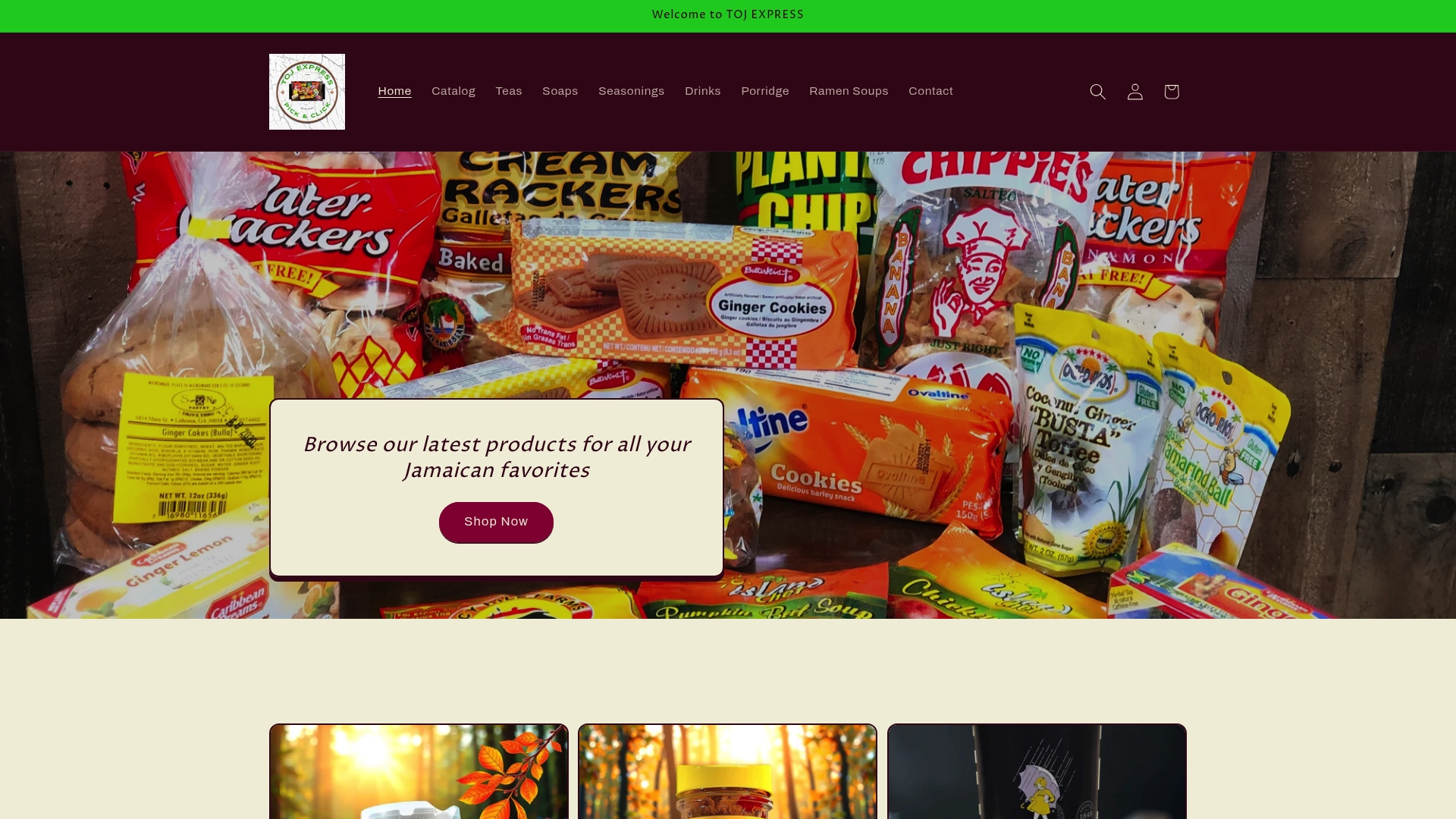
At TOJ EXPRESS, we bring both worlds together in one place. We stock American products you already know alongside Caribbean brands that introduce new flavors and cooking traditions to your routine. Shopping with us means supporting local food culture while accessing the authentic products that make Atlanta’s food scene genuinely one of a kind. Browse our selection online and discover how easy it is to bring the full spectrum of Atlanta’s food identity into your kitchen.
Frequently asked questions
What is the economic value of Atlanta’s food and beverage industry?
Atlanta’s food and beverage industry contributes between $7 billion and $15.2 billion annually, representing approximately 4.2% of the city’s GDP.
Which major food brands are headquartered in Atlanta?
Chick-fil-A is the most prominent Atlanta-headquartered food brand, known for its local founding story and its position as one of the highest-revenue fast-food chains per location in the US.
How do Atlanta consumers influence food brand trends?
Atlanta shoppers increasingly favor local and sustainable products, pushing brands to reformulate recipes, highlight sourcing transparency, and expand plant-based options across all price points.
Do Atlanta households spend more or less on food than the US average?
Atlanta households spend about 12% of their budget on food, which is below the national average, with spending split relatively evenly between home cooking and dining out.
What barriers do minority food brands face in Atlanta?
Minority-owned food brands in Atlanta face real structural challenges including limited access to funding, competitive retail shelf placement requirements, and the ongoing difficulty of building brand awareness without large marketing budgets.
Recommended
- How local Atlanta stores support food heritage: 5,500+ served – TOJ EXPRESS
- How specialty stores enhance Atlanta’s food scene – TOJ EXPRESS
- How food culture shapes Atlanta: American and Caribbean roots – TOJ EXPRESS
- Why shop locally in Atlanta: support community & flavors – TOJ EXPRESS
- 20 Reasons Atlanta Teams Are Cooking Up Success (From Your Favorite Chef at Recipe for Success) - Recipe For Success