
Why Diverse Convenience Options Matter in Atlanta
TOJEXPRESS.COM-Antonio HenryTL;DR:
- Diverse convenience options reduce decision fatigue by offering curated product selections that reflect cultural diversity.
- Such options increase loyalty among multicultural shoppers by providing familiar products during routine trips.
- Implementing multi-format shopping and culturally relevant assortments improves the overall convenience experience in Atlanta.
Diverse convenience options are defined as curated product and service selections that reduce friction, cognitive effort, and decision fatigue while reflecting the cultural variety of a community. Greater Atlanta’s multicultural population makes this definition especially relevant. The US convenience store foodservice market is projected to reach $78.1 billion in 2026. That number signals one clear truth: consumers are not just buying products. They are buying relief from the mental load of daily life. For Atlanta shoppers, why diverse convenience options matter comes down to two things: cognitive ease and cultural recognition.
Why diverse convenience options reduce decision fatigue
Decision fatigue is the mental exhaustion that sets in when a person faces too many choices in a short period. Mintel defines convenience in 2026 as relief from friction, effort, and decision fatigue, with value coming from fewer steps and fewer decisions, not just time savings. That shift changes everything about how retailers should think about their shelves.
The problem with unlimited variety is real. Over 50% of US consumers find too many menu or product options overwhelming. That means more than half your fellow shoppers walk away from a store feeling worse, not better, when the selection is too broad and unguided.
Science backs this up. A 2026 study published in Nature Scientific Reports found that perceived busyness shapes assortment preferences, with stressed consumers actively preferring smaller, curated selections that reduce cognitive load. Busy Atlanta commuters, parents managing school pickups, and professionals grabbing lunch on a tight schedule all fall into this category.
The solution is not less variety. The solution is curated variety. A curated assortment means a retailer has done the filtering work for you, presenting the most relevant options across cultural preferences without burying you in choices. Think of it as a knowledgeable friend who knows your background and your schedule, and has already narrowed the shelf down to what actually fits your life.
- Curated assortments limit SKU counts while spanning multiple cultural preferences
- Guided formats like meal bundles or “grab and go” sections reduce the number of decisions per trip
- Consistent availability of familiar products builds habit and reduces re-evaluation on every visit
Pro Tip: When you walk into a convenience store and feel immediately oriented, that is curation at work. Look for stores that group products by occasion or cultural origin rather than just category.
Does cultural relevance actually build loyalty?
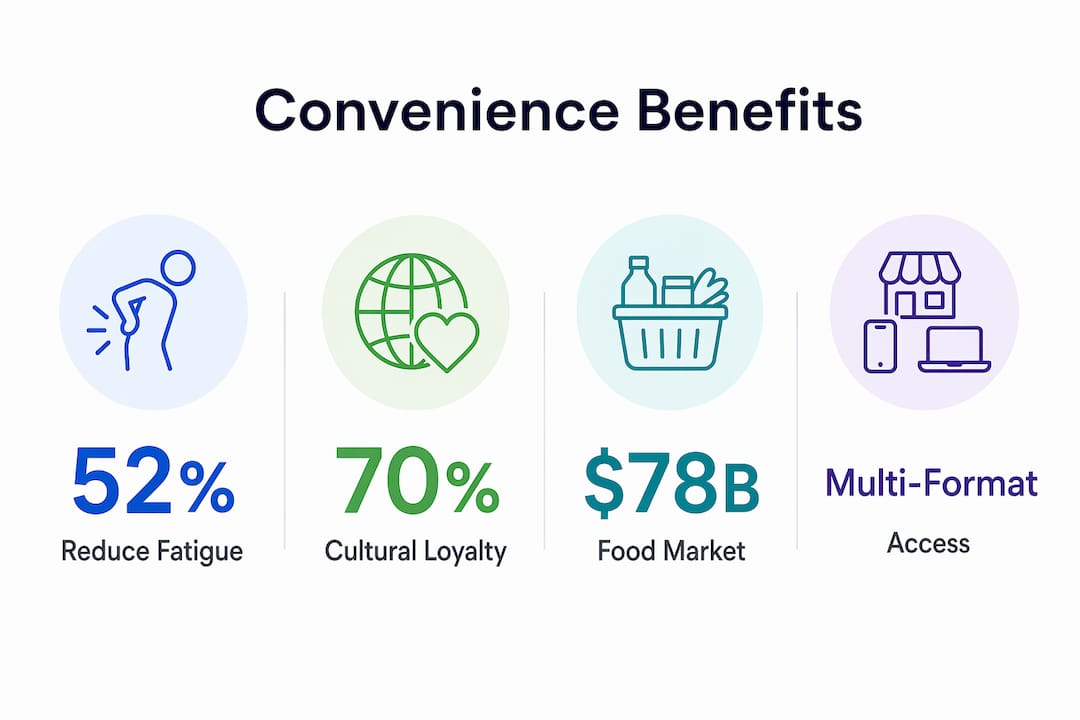
The short answer is yes, and the data is specific. The 2026 Multicultural Shopper Report confirms that cultural relevance strongly influences trust, loyalty, and brand choice at the shelf for multicultural consumers. Seeing your culture represented during a routine convenience trip is not a luxury. It is a signal that a retailer understands who you are.
For Greater Atlanta shoppers, this matters at a practical level. The metro area does not have a single centralized cultural district the way cities like San Francisco or New York do. Instead, Atlanta’s multicultural communities are spread across dispersed strip mall corridors. Atlanta’s Asian-American communities, for example, use strip malls as practical cultural hubs that offer convenience with cultural variety accessible locally, without requiring long travel.
That model works because it integrates cultural relevance into the everyday trip, not a special occasion. The 2026 Multicultural Shopper Report specifically notes that multicultural shoppers want representation integrated into everyday trips to avoid the extra cognitive effort of making separate cultural shopping runs. Every time a shopper finds a familiar product during a regular stop, that store earns a repeat visit.
“Representation in convenience offerings means integrating culturally relevant items alongside general household needs to avoid special trips, reducing cognitive load and increasing loyalty.” — 2026 Multicultural Shopper Report
Here is how cultural relevance translates into measurable shopping behavior:
| Cultural Relevance Factor | Impact on Shopper Behavior |
|---|---|
| Familiar products on shelf | Reduces trip planning effort and cognitive load |
| Cultural food and beverage options | Increases basket size and visit frequency |
| Staff or signage reflecting community | Builds trust and brand affinity |
| Proximity to cultural community clusters | Reduces travel time and special trip frequency |
What types of convenience options match different lifestyle needs?
Not every trip to a convenience store serves the same purpose. A parent grabbing breakfast for two kids has different needs than a professional picking up a quick lunch or a neighbor restocking a few pantry staples. The importance of convenience options lies in matching the right format to the right moment.
Prepared foods, snacks, and beverages
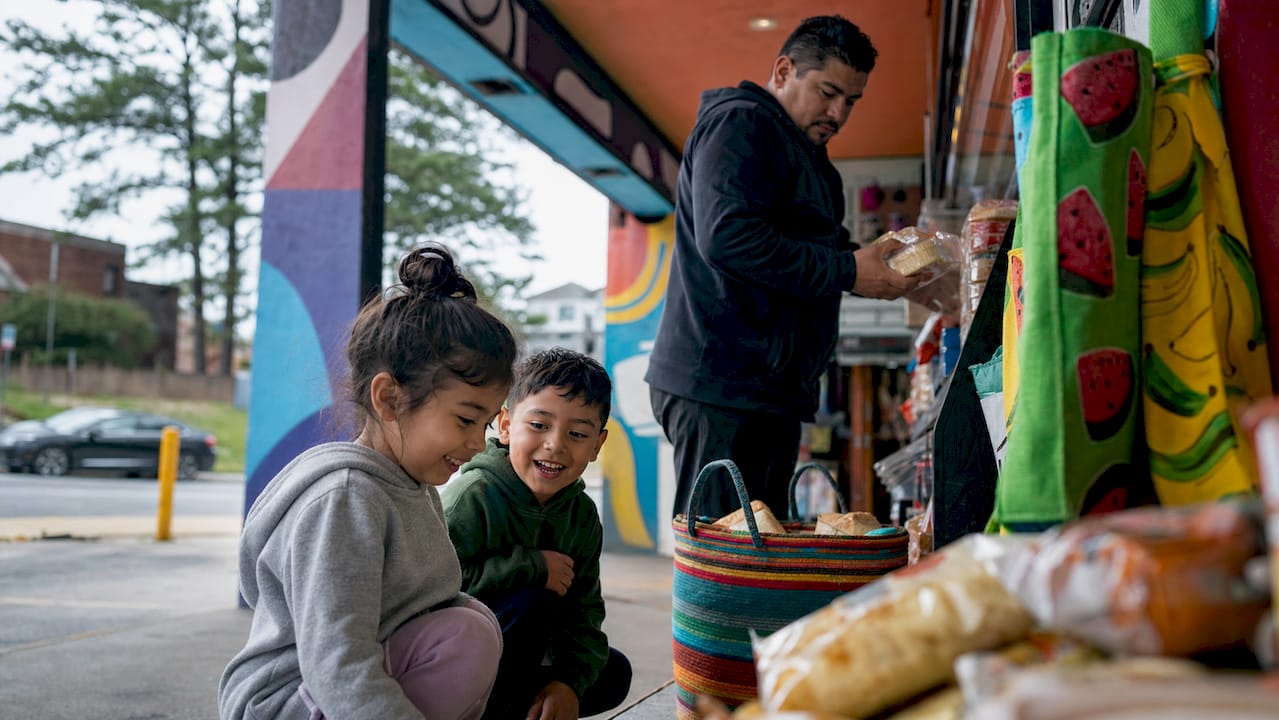
The $78.1 billion US convenience store foodservice market is built on multi-format offerings. Prepared foods earn repeat visits when they are consistently available and fast to grab. Snack products fill the gap between meals and serve both health-conscious and indulgent preferences. Beverages anchor almost every convenience trip regardless of purpose.
The combination of all three formats in one stop is what separates a genuinely convenient store from one that simply has a lot of products. When you can grab a hot meal, a culturally familiar snack, and a drink you actually want in under five minutes, the store has done its job.
Omnichannel access and multi-format shopping
The benefits of diverse services extend beyond the physical shelf. Omnichannel approaches that offer multiple easy-to-use shopping formats reduce mental friction and improve consumer satisfaction. Delivery, click-and-collect, in-store pickup, and subscription options each serve a different schedule and lifestyle.
For Atlanta shoppers, this means a store that offers both a physical location near your commute and a digital ordering option for busy evenings is genuinely more convenient than one that forces a single path. The mental load drops when you know you have options without having to think hard about which one to use.
Pro Tip: If a store offers click-and-collect or delivery alongside in-store shopping, use whichever format matches your day. Switching between formats at the same trusted retailer costs you nothing and saves real time.
| Shopping Format | Best For | Key Benefit |
|---|---|---|
| In-store | Browsing, impulse, cultural discovery | Immediate access, sensory experience |
| Click-and-collect | Planned trips, time-sensitive schedules | Reduces in-store decision time |
| Delivery | Evenings, bad weather, mobility limits | Zero travel effort |
| Subscription | Regularly used staples | Eliminates repeat decision-making |
How do diverse options strengthen atlanta’s local communities?
The advantages of diverse convenience choices go beyond individual shopping trips. They shape how communities function on a daily basis. In Greater Atlanta, where strip malls serve as accessible cultural hubs with convenient parking and walkable layouts, a well-stocked convenience store becomes a community anchor.
The impact of variety on customer satisfaction is most visible when a store eliminates the need for a separate cultural shopping trip. When Caribbean, American, and other cultural products share the same shelf, shoppers from different backgrounds complete their routine errands in one stop. That efficiency compounds over time. Fewer special trips means less fuel spent, less time lost, and less mental energy used on logistics.
Here is what that looks like in practice for Greater Atlanta shoppers:
- A Jamaican-American family finds scotch bonnet hot sauce and American breakfast cereal in the same store, completing one trip instead of two
- A Korean-American professional grabs a familiar snack alongside a quick American-style meal prep item without driving to a specialty market
- A busy parent from any background finds quick meals for Georgia families that include both culturally familiar and mainstream options in a single visit
The mosaic model of convenience, where multiple cultures are represented without any single one dominating the experience, works because it mirrors how Greater Atlanta actually lives. The city is not a melting pot where everything blends together. It is a collection of distinct communities that share the same roads, the same strip malls, and the same need for a fast, reliable, culturally respectful shopping experience.
Stores that recognize this reality build loyalty that generic big-box retailers cannot replicate. The impact of variety on customer satisfaction is not just about having more products. It is about having the right products for the people who actually live nearby.
Key takeaways
Diverse convenience options work because they reduce cognitive load, reflect cultural identity, and match the multi-format needs of Greater Atlanta’s multicultural shoppers.
| Point | Details |
|---|---|
| Curated variety beats unlimited choice | Smaller, well-selected assortments reduce decision fatigue for over 50% of overwhelmed US consumers. |
| Cultural relevance drives loyalty | Shoppers who see their culture represented during routine trips return more often and trust the brand more. |
| Multi-format access reduces friction | Offering in-store, delivery, and click-and-collect options lowers mental effort across different schedules. |
| Strip malls are Atlanta’s cultural hubs | Greater Atlanta’s dispersed strip mall corridors serve multicultural communities without requiring special trips. |
| Convenience is cognitive, not just physical | Mintel defines true convenience as relief from mental overload, making curated selection a core retail strategy. |
Atlanta’s convenience landscape deserves a smarter standard
I have spent years watching convenience retail evolve, and the most consistent mistake I see is retailers confusing more with better. Greater Atlanta is one of the most culturally layered metro areas in the South, and yet most convenience stores here still stock shelves as if every shopper has the same background and the same Tuesday afternoon.
The stores that get it right are not the ones with the longest aisles. They are the ones where a Haitian-American shopper and a Georgia-born shopper both find something familiar without either one feeling like an afterthought. That balance is harder to achieve than it looks, and most retailers do not even try.
What I find genuinely encouraging is the strip mall model that Atlanta’s multicultural communities have built organically. It proves that cultural relevance and everyday convenience are not competing goals. They reinforce each other. A store that stocks Caribbean seasonings next to American pantry staples is not making a political statement. It is making a practical one: the people who live here have real needs, and meeting those needs efficiently is good retail.
My advice to Atlanta shoppers is direct: seek out stores that have clearly thought about who their customers are, not just what they sell. The difference shows up immediately. You feel less friction, spend less time deciding, and leave with more of what you actually needed. That is what convenience is supposed to feel like.
— ANTONIO
Tojexpress brings curated variety to greater atlanta
Tojexpress is a Greater Atlanta convenience store built around exactly this idea: American and Caribbean products under one roof, curated to match the real lives of the people who shop here.
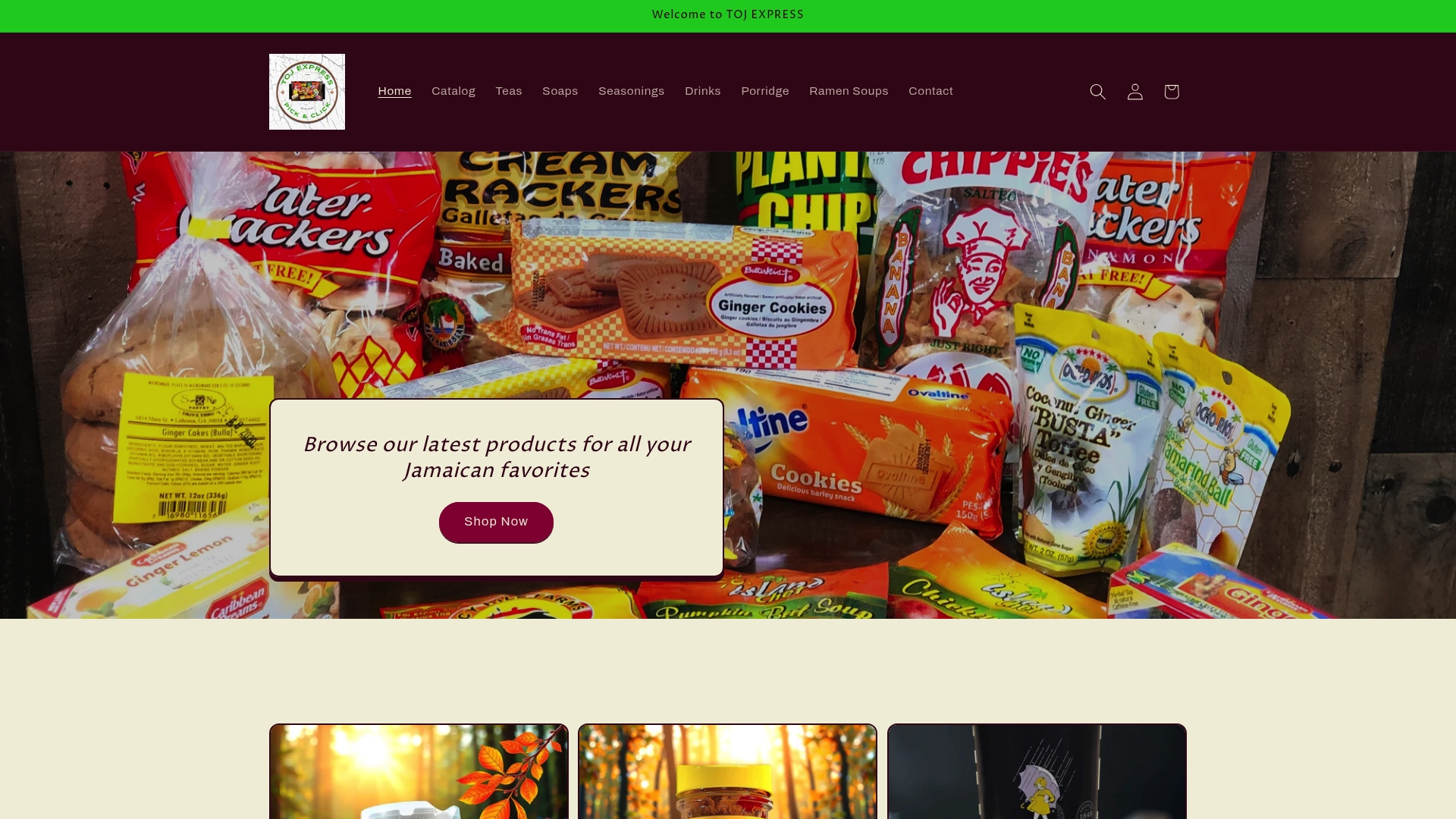
At Tojexpress, you will find prepared foods, snacks, and beverages that span both American staples and Caribbean favorites, so your routine stop covers more ground without extra effort. Whether you prefer to shop in person or explore options online, Tojexpress makes the experience straightforward. Stop making two trips when one will do. Visit Tojexpress and discover a convenience store that actually reflects your community.
FAQ
What does “diverse convenience options” mean for shoppers?
Diverse convenience options refer to curated product selections that span multiple cultural preferences and shopping formats, reducing the effort and decisions required per trip. The goal is fewer steps and less mental load, not simply more products on the shelf.
Why does cultural relevance matter at a convenience store?
The 2026 Multicultural Shopper Report confirms that cultural relevance at the shelf directly influences trust, loyalty, and purchase decisions for multicultural consumers. Shoppers who find familiar cultural products during routine trips avoid the cognitive cost of making separate specialty store runs.
How do convenience stores reduce decision fatigue?
Curated assortments with limited but well-chosen SKUs reduce the number of decisions a shopper must make per visit. Mintel research shows that convenience now means reducing mental overload, not just saving time.
Are omnichannel options really more convenient for atlanta shoppers?
Yes. Research shows that multi-format shopping access reduces mental friction and improves satisfaction by letting shoppers choose the path that fits their schedule. In-store, delivery, and click-and-collect each serve a different moment in the week.
Does Tojexpress carry both american and caribbean products?
Tojexpress stocks American staples alongside Caribbean products, giving Greater Atlanta shoppers a single stop for culturally relevant convenience. You can learn more about Atlanta’s daily convenience needs and how Tojexpress fits into your routine.