
Why Families Buy Caribbean Products: Culture and Health
TOJEXPRESS.COM-Antonio HenryTL;DR:
- Families buy Caribbean products to preserve cultural identity, support family bonds, and access nutritious foods.
- They rely on community recommendations and generational loyalty that sustain their purchasing habits across borders.
Families buy Caribbean products to preserve cultural identity, maintain family bonds, and access foods with genuine nutritional value. This is not a simple grocery decision. It spans generations, continents, and deeply personal traditions. 73% of first-generation Caribbean immigrants purchase at least one Caribbean-origin food product weekly, reflecting a level of brand loyalty that most food categories never achieve. The US Caribbean nostalgia food market sits at an estimated $2.8 billion annually. That number tells you these purchases are not occasional. They are a sustained, deliberate part of family life.
Why families buy Caribbean products: culture, identity, and belonging
Food is the most portable form of culture. For Caribbean families living abroad, a bottle of Scotch bonnet pepper sauce or a bag of dried pigeon peas carries the same emotional weight as a photograph from home. These products do not just feed a family. They anchor it to a place, a history, and a set of values passed down through kitchens and Sunday meals.
Community recommendations drive much of this purchasing behavior. 42% of consumers buy Caribbean products based on recommendations from family abroad. That figure reveals how tightly these buying decisions are woven into family communication. A cousin in Trinidad mentions a specific seasoning. A grandmother in Jamaica insists on a particular brand of condensed milk. Those recommendations carry more weight than any advertisement.
Older generations act as what researchers call “cultural gatekeepers.” They maintain strong brand loyalty around staples like rice, seasonings, and beverages, and they pass that loyalty down to younger family members. This cultural gatekeeping behavior shapes household purchasing in ways that marketing teams rarely anticipate. A brand trusted by a grandmother in Barbados in 1985 is often still the brand her grandchildren reach for in Atlanta in 2026.
“When a family cooks with the same green seasoning their grandmother used, they are not just making dinner. They are performing an act of cultural continuity that no other product can replicate.”
The emotional stakes of these purchases explain why Caribbean families rarely switch brands on core staples. Substituting a familiar product feels like a small betrayal of family tradition. That emotional resistance is not irrational. It is the mechanism by which culture survives migration.
How do health and nutritional benefits shape family preferences?
Caribbean families do not separate food from medicine. This is a foundational difference between Caribbean food culture and mainstream American grocery habits. Traditional ingredients are selected for both flavor and function, and families pass this knowledge across generations as practical wisdom.
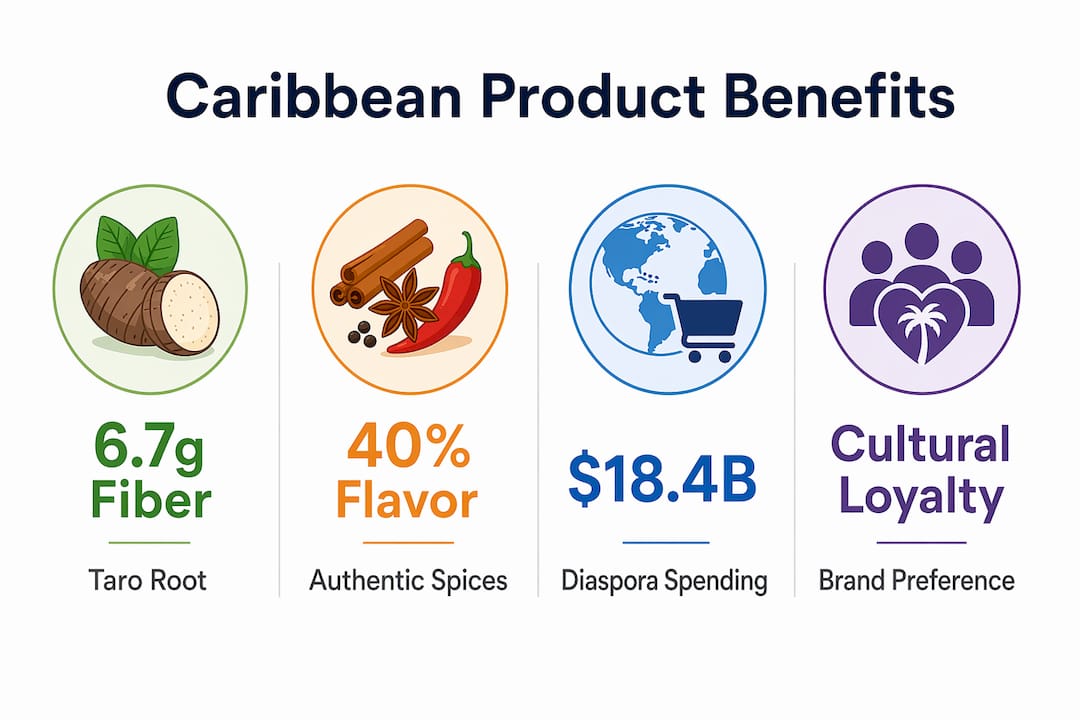
Taro root, known in the Caribbean as dasheen, contains 6.7 grams of fiber per cup, and research links every 10 grams of daily fiber to a 17% reduced risk of heart disease. That is a meaningful nutritional advantage built into a staple that Caribbean families have eaten for centuries. Yams, breadfruit, and callaloo carry similarly strong nutritional profiles that processed convenience foods cannot match.
Spices are where the health story gets especially compelling. Caribbean families select turmeric, allspice, and clove specifically for their anti-inflammatory and antioxidant properties. Chef Ayana notes that families often prepare Caribbean foods as holistic wellness practices, blending nutrition with cultural healing traditions. This is not folk medicine. It is a sophisticated, experience-tested approach to food as preventive care.
| Ingredient | Key health benefit | Common use |
|---|---|---|
| Taro root (dasheen) | High fiber, supports heart health | Soups, stews, boiled sides |
| Turmeric | Anti-inflammatory, antioxidant | Seasonings, rice dishes, teas |
| Allspice | Digestive support, antimicrobial | Jerk marinades, stews |
| Callaloo | Iron, calcium, vitamins A and C | Soups, side dishes |
| Yam | Complex carbohydrates, potassium | Boiled, roasted, in stews |
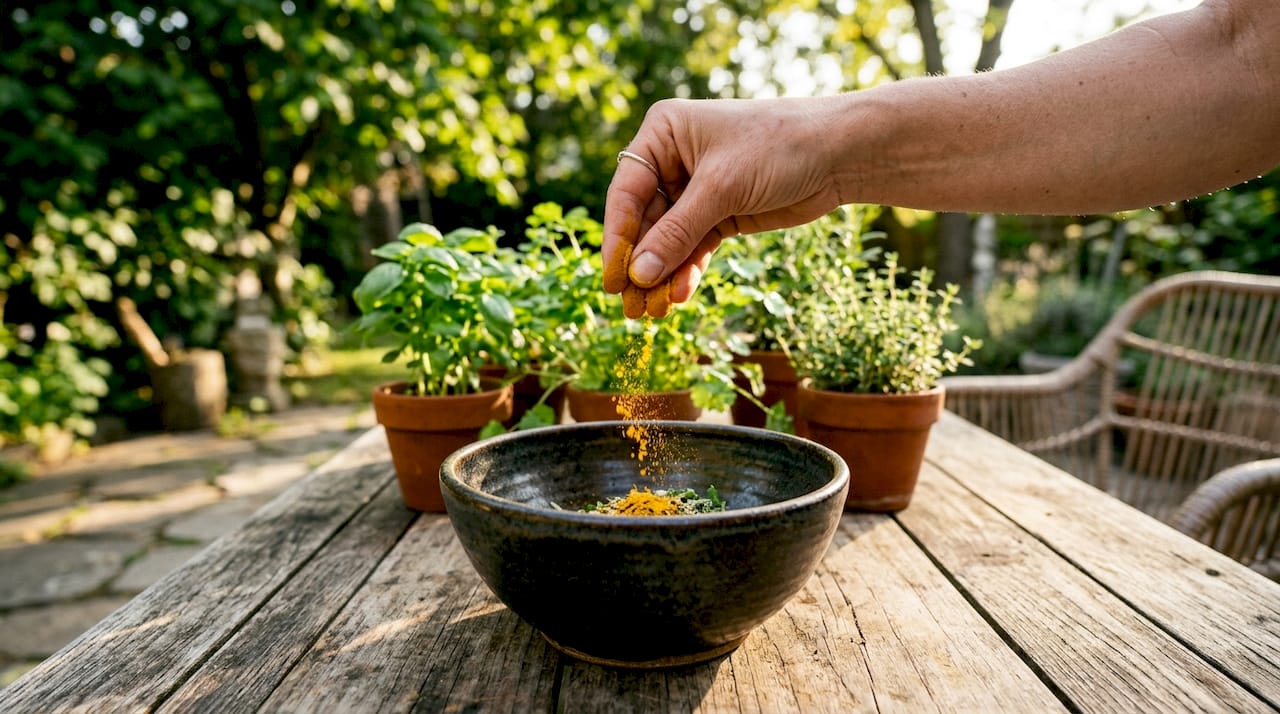
Pro Tip: When building a Caribbean pantry for family health, start with dried spices like turmeric and allspice. They have long shelf lives, cost very little, and deliver the flavor and wellness benefits that make Caribbean cooking distinct. Tojexpress carries a wide selection of these staples year-round.
Authentic Caribbean spices also deliver a 40% flavor enhancement compared to non-specialized alternatives. Flavor and health are not competing priorities in Caribbean cooking. They reinforce each other, which is a key reason families prefer authentic Caribbean goods over generic substitutes. You can read more about the nutritional case for Caribbean groceries to understand the full picture.
What economic and community factors drive these purchasing decisions?
Caribbean families do not shop in isolation. Their purchasing decisions are embedded in a web of economic relationships that stretch from Brooklyn to Bridgetown. Diaspora families actively participate in both home and host economies, using purchases to support extended family and maintain cultural ties across borders. Nicole Grimes describes these purchases as strategic investments that support family networks economically and culturally at the same time.
The numbers behind this are striking. Caribbean diaspora communities send approximately $18.4 billion annually in remittances to home countries. That flow of money reflects a deep commitment to family support that extends naturally into purchasing behavior. Buying a Caribbean brand is, for many families, a small but meaningful act of economic solidarity with the people they left behind.
Specialty Caribbean retail stores play a role that goes well beyond groceries. These stores serve as community hubs and social spaces where diaspora families exchange news, recommendations, and cultural knowledge. Shopping becomes a social ritual. Families learn which products are newly available, which brands have changed their recipes, and which items are worth stocking up on. That social layer makes the physical store irreplaceable even as e-commerce grows.
Key economic and community drivers behind family purchasing include:
- Supporting Caribbean-owned businesses in the diaspora community
- Maintaining economic ties to family members still living in the Caribbean
- Participating in community networks that share product knowledge and recommendations
- Choosing products that signal cultural identity and group membership
- Prioritizing brands that reflect shared values around food quality and tradition
How do generational habits shape the Caribbean product market?
Caribbean families do not all shop the same way. Generational differences create distinct patterns that shape what products reach store shelves and which brands survive in diaspora markets.
- Grandparents and first-generation immigrants anchor household purchasing. They identify the “correct” brands for core staples and resist substitution. Their preferences set the baseline for the entire household.
- Second-generation adults balance their parents’ brand loyalty with their own exposure to mainstream American products. They often maintain the staple purchases while adding new items that reflect their dual identity.
- Younger generations show more flexibility in shopping channels, moving between specialty Caribbean stores, mainstream supermarkets, and online retailers. They are more likely to try new Caribbean brands they discover through social media.
- Brand loyalty patterns reflect this layering. Local Caribbean brands hold 55% market share in food and beverage categories within these communities, even as aspirational international brands compete for attention.
The cultural gatekeeping phenomenon creates a stabilizing force in the market. Senior family members enforce consistency in brand choice, which preserves culinary heritage and gives established Caribbean brands a durable customer base. For families, this consistency is a feature, not a limitation. It means the food tastes the way it is supposed to taste, every time.
What practical strategies help families find authentic Caribbean products?
Finding authentic Caribbean products outside the Caribbean requires knowing where to look and who to ask. The good news is that the diaspora community has built reliable networks for exactly this purpose.
- Start with specialty Caribbean grocery stores. These stores carry products that mainstream supermarkets do not stock, and the staff typically know the products well. Stores like Tojexpress carry both American and Caribbean goods, making them a practical one-stop option for families managing both food traditions.
- Use family and community recommendations. The 42% of buyers who rely on family recommendations abroad are tapping into the most reliable product knowledge available. Ask relatives which brands they trust and which products are worth seeking out.
- Build a core pantry of staples. A well-stocked Caribbean pantry reduces the need for frequent specialty shopping. The Caribbean food pantry checklist at Tojexpress covers the essentials that most Caribbean families rely on weekly.
- Explore e-commerce options for hard-to-find items. Online Caribbean specialty retailers have expanded significantly, making it possible to order products that local stores may not carry.
- Pay attention to product origin labels. Authentic Caribbean products list their country of origin clearly. This matters for both flavor and the economic support families want to provide to Caribbean producers.
Pro Tip: When shopping for Caribbean spices online or in-store, buy whole spices when possible and grind them fresh. Whole allspice berries and dried turmeric root retain their potency far longer than pre-ground versions, and the flavor difference is immediately noticeable. For family-friendly Caribbean beverage ideas, kid-friendly drink options can round out any gathering.
Key Takeaways
Families buy Caribbean products because these goods fulfill cultural, nutritional, economic, and social needs that no generic alternative can replicate.
| Point | Details |
|---|---|
| Cultural identity drives loyalty | Caribbean families buy specific brands to preserve heritage and honor family traditions across generations. |
| Health benefits are built in | Staples like dasheen and spices like turmeric deliver measurable nutritional advantages that families recognize and rely on. |
| Community shapes purchasing | Diaspora stores and family recommendations abroad are the primary channels through which families discover and stay loyal to Caribbean products. |
| Generational gatekeeping stabilizes the market | Older family members enforce brand consistency, giving established Caribbean brands a durable, loyal customer base. |
| Economic solidarity matters | Buying Caribbean products is a way for diaspora families to support both local Caribbean businesses and extended family networks back home. |
What I have learned watching Caribbean families shop
I have spent years observing how Caribbean families approach grocery shopping, and the thing that consistently surprises outsiders is how deliberate these purchases are. This is not impulse buying. Every item in the cart has a reason behind it, often a reason that goes back decades.
The families I have seen shop at Caribbean specialty stores are not just buying food. They are maintaining a relationship with a place they love. The grandmother who insists on a specific brand of coconut milk is not being stubborn. She is protecting something. That product connects her kitchen in Atlanta to her mother’s kitchen in St. Lucia, and no cheaper substitute is worth breaking that chain.
What strikes me most is the economic dimension that most people overlook. These families understand, often intuitively, that buying Caribbean products supports Caribbean producers, Caribbean-owned stores, and Caribbean communities both here and abroad. It is a form of economic loyalty that runs parallel to cultural loyalty. The two reinforce each other in ways that make these purchasing habits extraordinarily durable.
The shift I see in younger generations is not a rejection of tradition. It is an adaptation. They shop online, they discover new Caribbean brands through social media, and they bring those finds back to the family table. The core commitment to authentic Caribbean food remains. The channels just expand.
— ANTONIO
Tojexpress: your source for authentic Caribbean goods
Families who want authentic Caribbean products without the search effort have a direct option at Tojexpress. The store carries a wide range of Caribbean staples alongside American products, making it practical for families who navigate both food traditions daily.
Tojexpress stocks the spices, seasonings, and pantry staples that Caribbean families rely on, from whole allspice to authentic hot sauces and traditional beverages. The selection reflects the real purchasing habits of diaspora families, not a curated tourist version of Caribbean food. Families can browse the full Caribbean product range and find the items that matter most to their household. Whether you are stocking a pantry from scratch or tracking down a specific brand your family has used for years, Tojexpress is built for exactly that need.
FAQ
Why do Caribbean families buy the same brands for generations?
Older family members act as cultural gatekeepers who enforce brand loyalty around core staples like rice, seasonings, and beverages. This consistency preserves culinary heritage and ensures food tastes the way family tradition requires.
What health benefits do Caribbean staple foods provide?
Taro root delivers 6.7 grams of fiber per cup, linked to reduced heart disease risk, while spices like turmeric and allspice provide anti-inflammatory and antioxidant benefits that Caribbean families have relied on for generations.
How do diaspora communities influence Caribbean product purchasing?
Specialty Caribbean stores function as community hubs where families exchange product recommendations and cultural knowledge. Family recommendations from relatives abroad drive purchasing decisions for 42% of Caribbean diaspora consumers.
Are Caribbean products available outside specialty stores?
Yes. E-commerce options have expanded significantly, and stores like Tojexpress carry authentic Caribbean products alongside American goods. The healthy Caribbean food guide at Tojexpress helps families identify which staples to prioritize.
How large is the Caribbean diaspora food market in the US?
The US Caribbean nostalgia food market is estimated at $2.8 billion annually as of 2024. That scale reflects sustained, weekly purchasing by a community with strong cultural and economic ties to Caribbean food traditions.