
How to Locate Specialty Products: A Practical Guide
TOJEXPRESS.COM-Antonio HenryTL;DR:
- Locating specialty products requires using community directories, local markets, and store locators with verification features. These tools offer more accurate and current inventory information than general search engines. Building relationships with store staff and maintaining a personal sourcing list enhances access to niche and culturally specific goods.
Specialty product sourcing is the practice of finding niche, culturally specific, or limited-distribution goods through targeted channels rather than general retail. Knowing how to locate specialty products saves you time, money, and frustration. The most reliable method combines local community directories, mapped store locators, and direct outreach to specialty retailers. Shopping locally keeps 73% of your money within your community, where it circulates four times to strengthen local economies. That multiplier effect makes every specialty purchase at a neighborhood store a small act of community investment. Places like Peddler’s Village, where over 90% of 60+ shops are locally owned, show exactly what concentrated specialty retail looks like in practice.
How to locate specialty products: tools and resources
The right tools separate a productive search from a wasted afternoon. Local directories, farmers markets, and ethnic shopping hubs consistently outperform general search engines for finding niche food products. General search engines miss the local inventory management systems that most specialty shops use. That gap is why a Google search for “Caribbean snacks near me” often returns chain grocery stores instead of the independent shop two miles away that stocks exactly what you need.
Local and community-based discovery tools
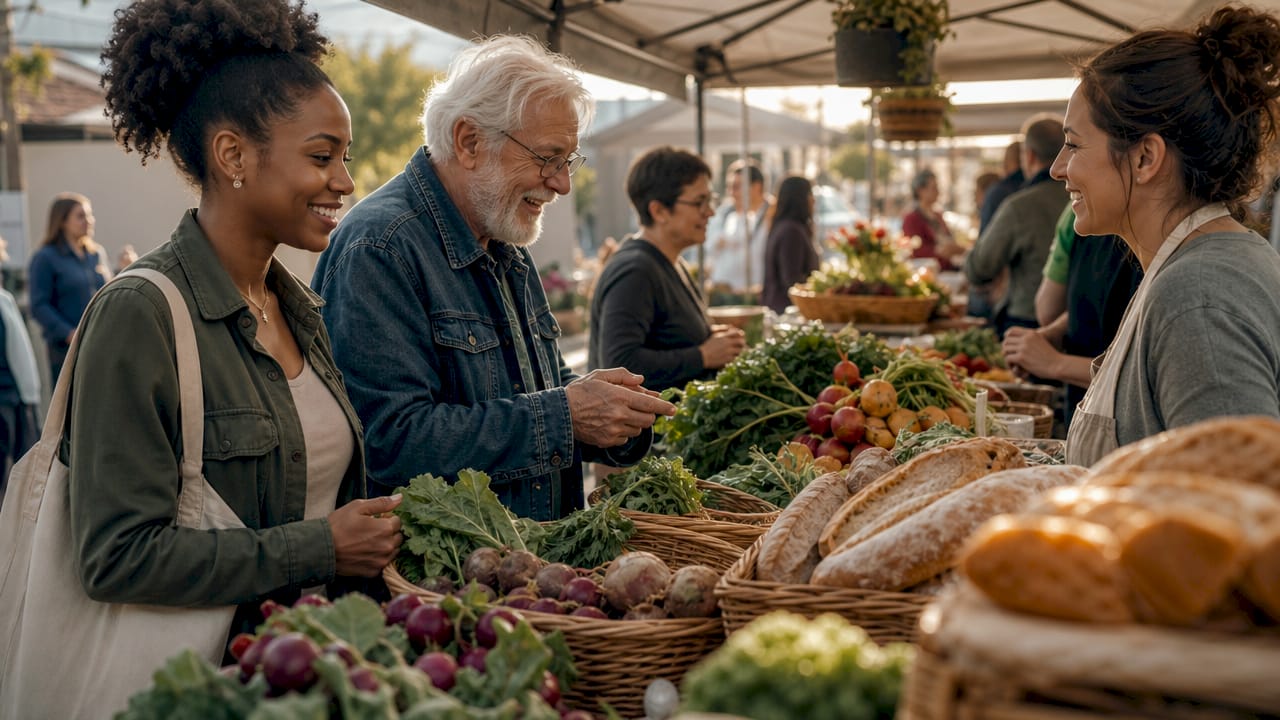
Community-driven resources are the most reliable starting point for locating niche products. Farmers markets, ethnic food fairs, and neighborhood business associations maintain current listings that reflect actual stock. These sources update faster than any centralized database because the sellers themselves manage the information.
Local business directories built around geographic communities also perform well. Tools that incorporate community verification improve data reliability because shoppers flag outdated listings and confirm active inventory. That peer-review layer is something no automated database replicates.
Specialized online marketplaces and store locators
Specialized store locators built for niche retail solve a problem that general platforms ignore. Specialty items often lack centralized retail APIs, which means inventory freshness depends on community-driven updates and timestamped verification. A locator that shows a “last verified” date gives you real confidence before you make the trip.
For supplier-level sourcing, global aggregation tools pull from 100+ supplier directories covering over 200 million registered companies. That scale matters when you are trying to verify whether a small importer of Caribbean goods is legitimate before placing a bulk order.
| Tool category | Best for | Coverage | Freshness indicator |
|---|---|---|---|
| Local business directories | Neighborhood specialty shops | City or zip code level | Community verified |
| Farmers markets and food fairs | Artisanal and seasonal goods | Event-based, regional | Vendor-managed |
| Ethnic shopping hubs | Cultural and imported products | Neighborhood clusters | In-person confirmed |
| Specialized store locators | Niche retail with mapped inventory | Regional to national | Timestamped updates |
| Global supplier aggregators | Wholesale and import sourcing | International | Directory-synced |
Pro Tip: Before visiting any store found through an online locator, check the “last verified” date on the listing. A listing updated within 30 days is far more reliable than one that has not been touched in six months.
What is the step-by-step process for finding specialty products?
A structured search process cuts wasted time significantly. Starting with product category and then filtering by geography is the method expert shoppers use to avoid dead ends. Jumping straight to a general search without defining what you want first leads to irrelevant results and frustration.
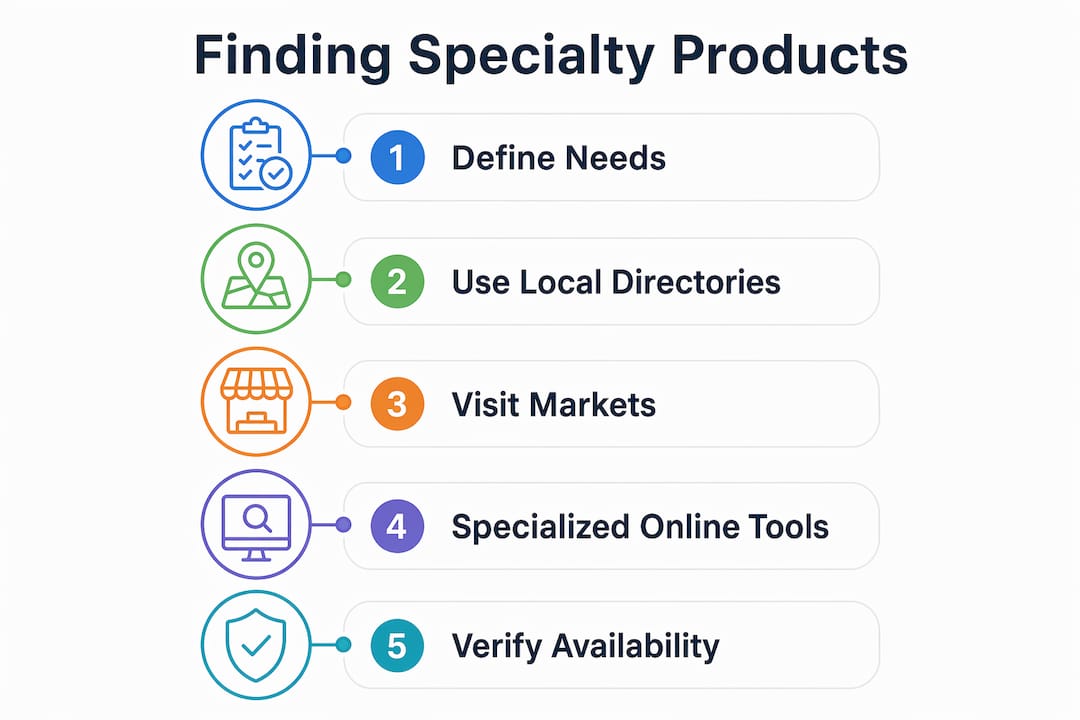
Follow this sequence for the most efficient search:
-
Define the product precisely. Name the category, origin, and format. “Caribbean snacks” is a start. “Jamaican hard dough bread” or “Trinidad pepper sauce” is better. Specific terms return specific results.
-
Set your geographic filter first. Enter your zip code or neighborhood before anything else. Applying location early removes listings that cannot serve you, regardless of how good their inventory is.
-
Search local community directories and mapped store locators. These tools index shops that general search engines miss. Look for locators that show last-verified timestamps and customer reviews alongside the listing.
-
Check inventory freshness indicators. A store listed as carrying Caribbean beverages six months ago may have changed its stock. Look for recent reviews mentioning specific products, or call ahead.
-
Read customer reviews for product-specific mentions. Reviews that name actual items (“they had Grace coconut water and Ting”) confirm active inventory far better than a store’s general category description.
-
Contact the store directly. Specialty store staff carry deep product knowledge that no website replicates. A two-minute phone call can confirm stock, suggest alternatives, and sometimes lead to a special order.
-
Save your best finds. Build a personal reference list of reliable sellers with notes on what they carry and when you last visited. That list becomes your personal specialty product sourcing guide over time.
Pro Tip: Create a simple note on your phone with your top three to five specialty stores, what each one carries, and their hours. Updating it after each visit takes 30 seconds and saves hours of re-searching later.
What are the common challenges when locating specialty products?
Locating niche products comes with real obstacles. The biggest is inventory accuracy. Specialty items lack the centralized retail APIs that keep mainstream retail listings current. That means a store locator showing a product in stock may be working from data that is weeks or months old.
Inventory and availability issues
Outdated listings waste your time and erode trust in discovery tools. The fix is to prioritize locators that display timestamped verification and allow community members to flag stale data. Trust-building features in reliable platforms include clear last-stock dates, community feedback sections, and direct store contact information. When those three elements appear together, the listing is worth acting on.
Practical troubleshooting tips
Use these steps when your initial search comes up short:
- Expand your search radius gradually. Start with your zip code, then expand to your city, then your metro area. Many specialty shops serve a wider area than their neighborhood address suggests.
- Try alternate product names. Caribbean products often have regional names. “Sorrel drink” in one community is “hibiscus tea” in another. Searching both terms doubles your results.
- Ask staff for alternatives. Specialty store employees know their suppliers and can often point you to a comparable product or tell you when a specific item is expected back in stock.
- Use postal and ethnic markets as backup. Caribbean and international postal markets often stock specialty food items alongside shipping supplies. They are underused discovery points.
- Check community social media groups. Neighborhood Facebook groups and local food forums frequently surface specialty shop recommendations that no directory has indexed yet.
- Filter by logistics early. Filtering by local pickup or shipping zones upfront prevents the disappointment of finding a perfect product that cannot reach you.
Where can you find American and Caribbean specialty products?
American and Caribbean specialty goods require specific venues. General grocery chains rarely stock items like Jamaican festival mix, Guyanese black cake ingredients, or American regional snacks with limited distribution. The stores and venues below are the most reliable sources.
Multicultural stores in cities like Atlanta carry Caribbean and American niche products that standard supermarkets skip entirely. These stores source directly from importers and often rotate stock based on community demand. That direct importer relationship is why their shelves look different from any chain grocery aisle.
Concentrated specialty retail destinations, like Peddler’s Village with its 60+ locally owned shops, give you multiple specialty retailers in one location. Visiting one destination and browsing several stores at once is far more efficient than driving across a city to individual addresses.
Here are the best venue types for finding American and Caribbean specialty products:
- Independent Caribbean grocery stores. These carry imported goods, regional snacks, and beverages not found in mainstream retail. Staff typically know the products personally and can guide your selection.
- Ethnic food markets and international grocery stores. These stock goods from multiple Caribbean islands and American regional producers under one roof.
- Specialty convenience stores. Stores like Tojexpress focus specifically on American and Caribbean products, making them a reliable single stop for niche snacks, drinks, and pantry items.
- Farmers markets with international vendor sections. Urban farmers markets increasingly include Caribbean and international food vendors alongside local produce sellers.
- Curated online specialty stores. Stores that focus on Caribbean snacks, drinks, and teas allow you to find authentic Caribbean beverages without leaving home. Look for stores with clear product origin information and recent customer reviews.
Specialty stores enhance local food scenes by preserving cultural food heritage and offering products that reflect real community demand. That cultural dimension is something no big-box chain can replicate, regardless of how large its ethnic foods aisle grows.
Key Takeaways
The most effective way to find specialty products is to combine precise product definitions, geographic filters, and community-verified locators rather than relying on general search engines alone.
| Point | Details |
|---|---|
| Define before you search | Name the exact product, origin, and format before opening any search tool. |
| Filter by location first | Apply zip code or neighborhood filters early to remove irrelevant results. |
| Prioritize community-verified tools | Use locators with timestamped updates and community feedback for accurate inventory data. |
| Contact stores directly | Specialty staff offer sourcing knowledge and alternatives that no website provides. |
| Build a personal sourcing list | Save reliable sellers with notes on inventory to avoid re-searching the same ground. |
Why specialty shopping is worth the extra effort
I have spent years watching people give up on finding specialty products after one failed Google search. That is the wrong approach, and it costs them access to some of the best food available.
The real insight I have picked up is this: specialty stores are not just retail outlets. They are community archives. A Caribbean grocery that has been in a neighborhood for 15 years carries institutional knowledge about what that community eats, celebrates, and misses from home. Specialty stores preserve cultural food heritage in a way that no chain ever will. That is not sentiment. It is a practical reason to seek them out.
The shoppers who find the best products consistently are the ones who build relationships with store owners and staff. A quick conversation about what you are looking for often leads to a product you did not know existed, a heads-up about a new shipment, or a referral to another store. That network of knowledge is invisible to anyone who only shops online.
The economic argument is just as strong. Keeping money in local specialty stores means that money circulates through your community four times before it leaves. Every dollar you spend at an independent Caribbean grocery or American specialty shop does more work than the same dollar spent at a national chain.
My honest advice: treat your first few specialty store visits as research trips. Ask questions. Take notes. You will build a sourcing network faster than any app can build it for you.
— ANTONIO
Tojexpress: your source for American and Caribbean specialty goods
Finding the right specialty products should not require hours of searching across multiple directories and unreliable listings.
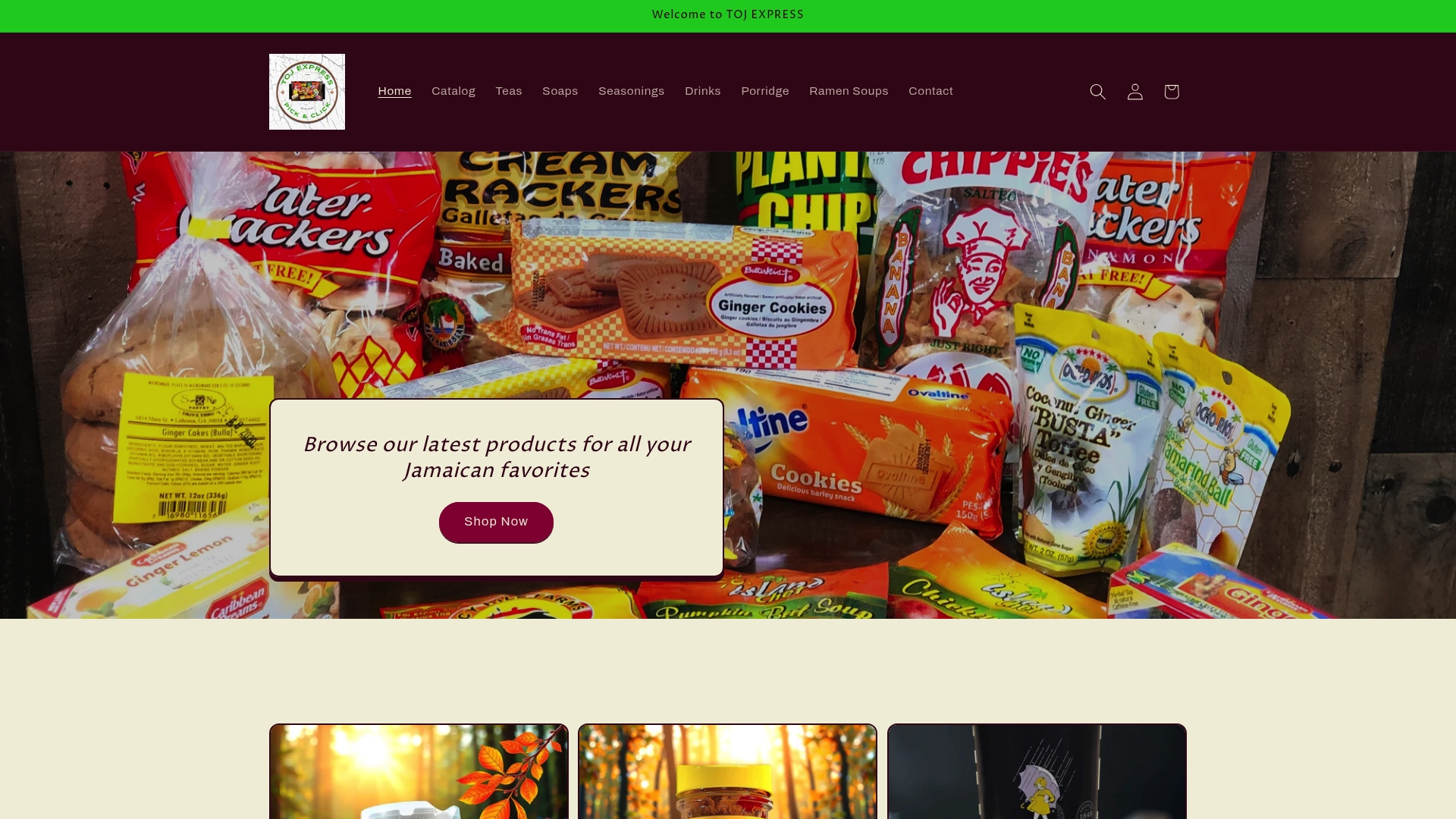
Tojexpress is a convenience store focused entirely on American and Caribbean specialty products, including snacks, beverages, and teas that general grocery stores do not carry. The store’s curated selection means you spend less time searching and more time enjoying products that reflect real Caribbean and American food culture. Browse the specialty snacks collection for Caribbean and American favorites, or check the drinks selection for niche beverages sourced specifically for this community. For tea drinkers seeking something beyond standard supermarket options, the teas collection covers Caribbean and specialty blends worth knowing.
FAQ
What does “specialty product” mean in retail?
A specialty product is a niche or limited-distribution item with a specific cultural, regional, or artisanal origin that general retailers do not stock. Caribbean snacks, American regional condiments, and imported beverages are common examples.
Why don’t general search engines find specialty products well?
Most specialty food products are indexed only by local inventory systems, not by global search engines. Local directories and mapped store locators access these systems directly and return more accurate results.
How do I know if a specialty store’s online listing is current?
Look for a “last verified” timestamp on the listing and recent customer reviews that mention specific products. Community-verified locators with timestamped updates are the most reliable indicator of active inventory.
Where is the best place to find Caribbean specialty products locally?
Independent Caribbean grocery stores, multicultural markets, and specialty convenience stores like Tojexpress are the most reliable local sources. These stores source directly from importers and carry products that standard supermarkets skip.
Is it worth calling a specialty store before visiting?
Yes. Specialty store staff carry deep product knowledge and can confirm stock, suggest alternatives, and sometimes place special orders. A two-minute call prevents a wasted trip and often surfaces products you would not have found otherwise.