
How to Shop for Imported Foods: a Practical Guide
TOJEXPRESS.COM-Antonio HenryTL;DR:
- Understanding country-of-origin labeling, certification authenticity, and proper cold-chain handling is essential for sourcing quality imported foods. Choosing reputable retailers with transparent sourcing and consistent logistics ensures product authenticity and reduces the risk of disappointment. Building a familiar staples list and engaging with knowledgeable staff enhance your confidence and enjoyment in international grocery shopping.
Walking into an international grocery store for the first time feels exciting and overwhelming at once. Knowing how to shop for imported foods makes the difference between discovering a transformative ingredient and bringing home something that tastes nothing like you expected. The challenges are real: labels in unfamiliar languages, prices that seem either too good or suspiciously high, and no easy way to tell which products are genuinely authentic. This guide cuts through that confusion by walking you through what to look for, where to buy, and how to avoid the mistakes most shoppers make.
Table of Contents
- Key takeaways
- How to shop for imported foods: what you need to know first
- How to identify authentic imported foods in stores and online
- Avoiding common pitfalls when buying imported foods
- Making the most of imported ingredients at home
- My honest take on shopping for imported foods
- Discover imported foods at Tojexpress
- FAQ
Key takeaways
| Point | Details |
|---|---|
| Label compliance matters | FDA-required labels include ingredients, allergens, and country-of-origin. Missing any of these is a red flag. |
| Cold chain affects quality | Perishables like cheese and butter require temperature-controlled shipping between 2–8°C to arrive safely. |
| Start with a staples list | Building a cuisine backbone list before shopping prevents duplicate buys and helps you navigate unfamiliar aisles confidently. |
| Government labels beat third-party claims | USDA Organic and similar government-backed certifications carry more weight than most front-of-pack marketing language. |
| Retailer reputation is non-negotiable | Choose stores and online sellers with transparent sourcing and reliable logistics over those competing purely on price. |
How to shop for imported foods: what you need to know first
Before you pick a single product off the shelf, you need a working understanding of what separates a quality imported food from a disappointing one. Authenticity, labeling compliance, and retailer reliability all feed into that answer.
Country of origin and producer transparency
The first thing to check on any imported product is where it actually comes from. Country-of-origin labeling is not optional for U.S. markets. FDA labeling requirements mandate that every imported food product carry a statement of identity, net quantity, full ingredient list, nutrition facts, allergen declarations, and a conspicuous, permanent country-of-origin marking. If a product is missing any of these, it either failed compliance or was never officially cleared for U.S. sale.
Beyond the country, look for the region and producer name when possible. A bottle of hot sauce labeled “Made in Jamaica” tells you something. A bottle that says “Caribbean-inspired” or “Island style” tells you almost nothing about where it came from or who made it.
Understanding government labels vs. marketing claims
This distinction trips up even experienced shoppers. Government-backed certifications like USDA Organic are regulated and audited. Third-party certifications vary widely in their rigor and are not federally enforced. Front-of-pack claims like “natural,” “artisan,” or “traditional recipe” carry no legal definition in U.S. food law whatsoever.
If you are shopping for imported goods that carry specialty certifications, look for the agency backing it. A certified organic grain from a government-regulated program is a fundamentally different claim than a logo a producer designed themselves.
Why retailer logistics matter more than you think
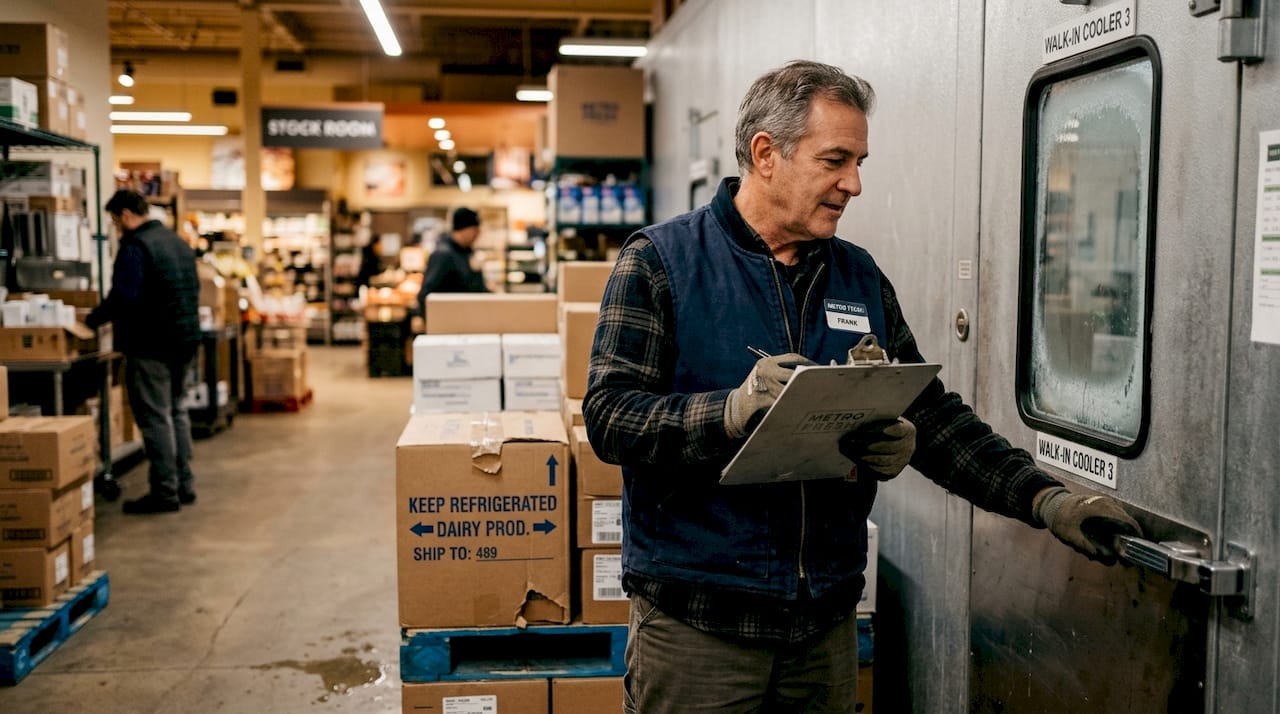
Cold-chain handling is something most shoppers never think about, but it directly affects what ends up on your plate. Proper chilled shipping requires temperatures between 2 and 8°C, while frozen products must stay at or below negative 18°C throughout transit. A retailer that does not size their insulation and coolant to the specific route and season is gambling with your food quality. Ask about shipping methods for online orders, and pay attention to how in-store products are stored and displayed.
Pro Tip: Before your first visit to a new international grocery store, build a simple list of five to ten staples from the cuisine you want to explore. A cuisine backbone list prevents duplicate purchases and helps you navigate unfamiliar aisles with a clear purpose instead of wandering.
How to identify authentic imported foods in stores and online
Once you know what to look for in principle, you need a practical method for evaluating products in the moment. Here is a step-by-step approach that works whether you are standing in an aisle or browsing an online store.
-
Read the label past the front panel. Flip the product over. The back label carries the real information: ingredients, allergens, producer name, and country of origin. Marketing copy on the front is not regulated the same way. If the back label is incomplete, vague, or printed in a way that makes it hard to read, treat that as a warning sign.
-
Check the ingredient list for red flags. Authentic imported products from established producers tend to have shorter, cleaner ingredient lists. A hot pepper sauce from Trinidad should list peppers, vinegar, salt, and perhaps garlic. If you see a long list of fillers, stabilizers, and artificial colors on what is supposed to be a traditional product, the authenticity claim weakens considerably.
-
Verify the country and region marking. Some products use geographic names as style descriptors without actually originating there. “Jamaican-style” jerk seasoning and “Product of Jamaica” jerk seasoning are completely different things. Country and region markings must be conspicuous and permanent under U.S. rules, so a genuine import will display this clearly.
-
Evaluate the retailer before the product. For online orders, read the shipping policy carefully. Look for references to insulated packaging, gel packs, or temperature-controlled transit for perishables. Extreme low prices on imported foods often signal compromised quality, origin substitution, or poor logistics. High price alone does not guarantee quality either. Research the seller’s reputation through reviews focused on product condition at arrival.
-
Use cuisine-organized aisles strategically. Specialty international markets often organize imported goods by cuisine or region, which is a genuine advantage. It allows you to find complementary ingredients together and discover items you would not have known to search for individually.
-
Compare prices with context. A jar of genuine Scotch bonnet pepper sauce imported from the Caribbean will cost more than a domestic imitation. Understanding why helps you spend smarter. Import costs, compliance fees, and cold-chain logistics all affect the final price. When a price seems unreasonably low for an imported product, ask why.
-
Check return policies before you commit. A reliable retailer stands behind their products, especially for perishables. If an online seller has no clear return or refund policy for damaged or spoiled goods, shop elsewhere.
Pro Tip: On your first visit to an international market, give yourself extra time and talk to the staff. Shopping ethnic stores in Atlanta or any well-curated multicultural market is easier when you ask questions. Staff often know which products are genuine imports versus domestic imitations.
| Evaluation Factor | What to Check | Green Flag | Red Flag |
|---|---|---|---|
| Country of origin | Back label, permanent marking | Specific country and producer listed | “Inspired by” or style language only |
| Ingredient list | Back label ingredients | Short, clean, recognizable items | Long list of fillers and artificial additives |
| Price vs. category | Market comparison | Reasonable premium for import costs | Unusually low for an authenticated product |
| Retailer logistics | Shipping policy for online orders | Insulated packaging, temperature specs | No mention of temperature control |
| Certifications | Label claims vs. issuing agency | USDA or federally regulated label | Vague “natural” or homemade-looking logo |
Avoiding common pitfalls when buying imported foods
Most imported food shopping mistakes fall into predictable categories. Knowing them in advance saves you money and frustration.
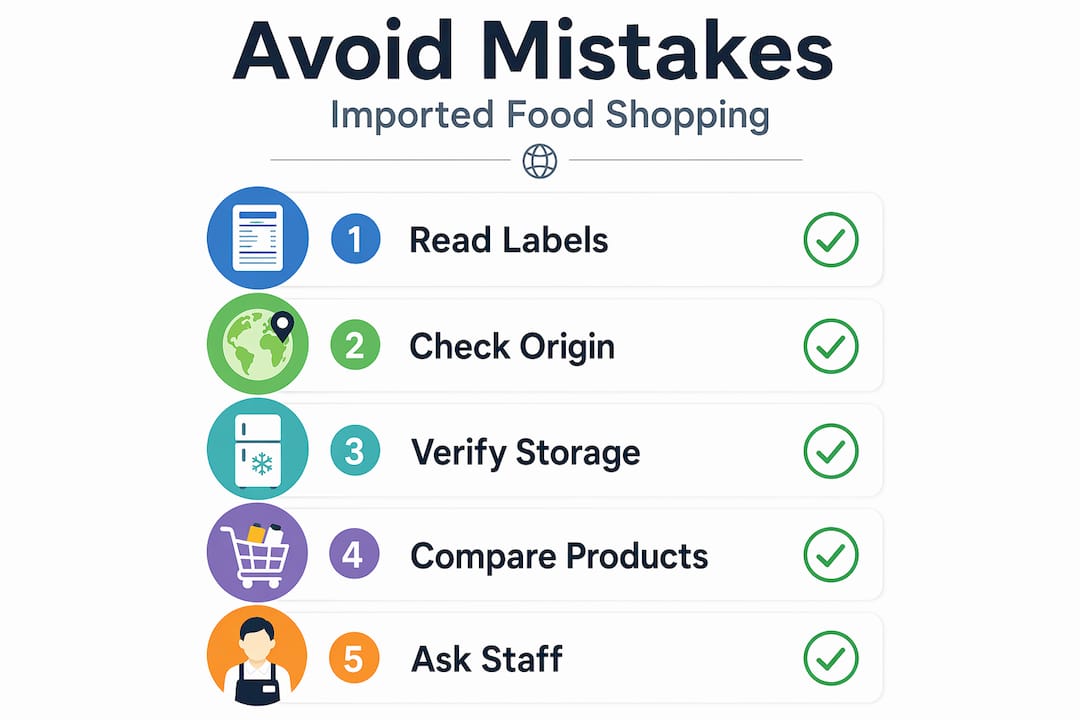
The biggest mistake is treating all similar products as interchangeable. Caribbean scotch bonnet sauce and Mexican salsa share the “hot sauce” category, but they are completely different in flavor, heat level, and culinary purpose. Buying the wrong one for a specific dish does not mean you got a bad product. It means you grabbed the wrong one.
Price-focused shopping without considering origin or storage is another frequent error. Products at extreme low prices often reflect shortcuts in sourcing or handling that directly affect what you taste. This is especially true for cheeses, cured meats, chocolates, and fermented products.
Temperature mishandling during shipping is a serious and often invisible problem. Last-mile delivery is where most temperature excursions happen. A product that left the warehouse properly frozen can arrive partially thawed if the final delivery leg lacked adequate coolant. Look for retailers who use route-specific packaging rather than a one-size approach for all orders.
“Retail cold-chain logistics are often opaque but materially affect product quality. Prioritize retailers with strong temperature control even when it is not explicitly highlighted in their marketing.” Western Magazine
When shopping online for items you plan to personally bring into the U.S., be aware of customs rules. The FDA requires Prior Notice filing before any food shipment arrives in the country, with different lead times depending on the shipping method. This applies to commercial importers, but it is useful context for understanding why some specialty items may not be available for direct international shipping.
For handling products once they are home: keep chilled goods refrigerated immediately, transfer frozen items to your freezer without delay, and store shelf-stable imports away from heat and moisture. A premium imported product handled poorly at home produces a disappointing meal regardless of its origin.
Making the most of imported ingredients at home
Getting the product home is only half the work. What you do next determines whether that purchase becomes a staple in your kitchen or a jar that sits unused.
Start with a sensory check when you first open a new product. Authentic imported foods have distinctive tastes, textures, and aromas that reflect their origin and production method. If a product tastes flat, overly sweet, or chemically off compared to what you expected, take note. That feedback helps you refine your choices for next time.
Here are a few practices that make a real difference:
- Store correctly from day one. Imported cheeses need proper wrapping and refrigeration. Dried spices and grains from international markets lose potency faster if stored near heat or in direct light.
- Start cooking with single-ingredient applications. Use an imported hot sauce as a condiment first before cooking with it. This lets you understand its flavor profile before you commit it to a full recipe.
- Connect with food communities. Online forums, social media groups focused on Caribbean or American cuisine, and local cooking classes are excellent ways to learn how to use unfamiliar ingredients properly.
- Track what you buy. A simple note on your phone listing what you bought, where, and how it performed saves you from repeating mistakes and helps you build a reliable shopping list over time.
- Plan return orders around your experience. If an online retailer delivered a product in perfect condition with accurate labeling, they have earned your repeat business. Loyalty to reliable sellers matters more than hunting for the lowest price on each order.
Pro Tip: Look for imported Caribbean items from retailers who specialize in the cuisine. Specialists understand which products are genuine, how to store them, and which ones complement each other in actual cooking.
My honest take on shopping for imported foods
I have made almost every mistake described in this article at some point. I bought products because the packaging looked authentic, only to find generic ingredients on the back label. I ordered perishables from an online seller with no stated cold-chain policy and received something soft and discolored. I picked up products that were “Caribbean style” without realizing they were made domestically with no actual connection to the Caribbean.
What changed my approach was learning to read labels the way a skeptic reads a contract. Every word on that label is either a regulated claim or a marketing choice. Knowing which is which completely changes how you evaluate products. I stopped trusting front-panel designs and started going straight to the ingredient list and the country-of-origin marking.
I have also learned that the retailer often matters more than the specific product. A store that knows its supply chain, handles its cold items properly, and stocks products from verified producers will consistently outperform a cheaper competitor who treats imported goods like any other shelf item.
The part of this process I genuinely enjoy is the exploration. Shopping at multicultural stores is not just a sourcing task. It is a way to encounter ingredients and flavors that broaden how you cook. Patience in those aisles pays off. You will find things you did not know you needed, and some of them will become permanent parts of how you eat.
— ANTONIO
Discover imported foods at Tojexpress
If you are ready to put this imported food shopping guide into practice, Tojexpress makes it straightforward. We stock a curated selection of authentic American and Caribbean products with clear country-of-origin labeling and reliable handling standards. You do not have to guess about sourcing or wonder whether a product is the real thing.
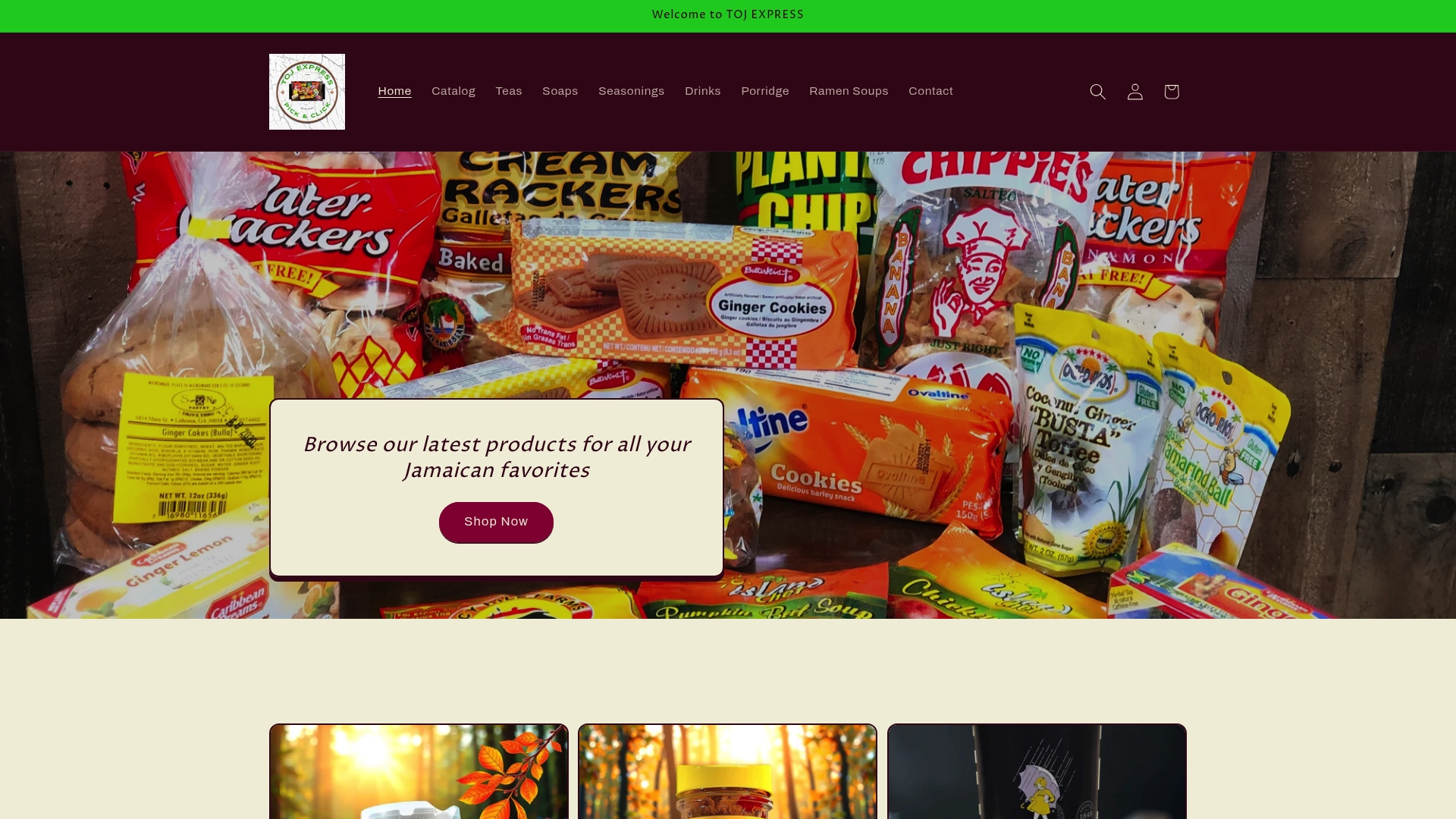
Browse our full selection of imported groceries and discover Caribbean staples, American favorites, and specialty items that are hard to find elsewhere. Every product in our store reflects the same standard we described in this article: transparency about origin, proper storage, and genuine product integrity. Whether you are building your first Caribbean pantry or restocking trusted favorites, Tojexpress has what you need.
FAQ
What should I look for on imported food labels?
Check for country-of-origin marking, full ingredient list, allergen declarations, and nutrition facts. FDA-required labeling mandates all of these elements, and missing any of them is a sign the product may not be compliant.
Where are the best places for imported foods?
Specialty international markets and curated multicultural grocery stores offer the strongest selection of genuine imported products, organized by cuisine or region for easier browsing.
How do I know if an imported product is authentic?
Check the country-of-origin marking, read the ingredient list for clean and recognizable components, and verify that the producer name appears on the label. Words like “inspired by” or “style” indicate a domestic imitation rather than a genuine import.
Are expensive imported foods always better quality?
Not automatically. Price reflects logistics, origin, and authenticity factors, but high price alone does not guarantee quality. Evaluate the label, the retailer, and the cold-chain handling alongside the price.
How should I store imported perishables at home?
Refrigerate chilled imports immediately upon arrival and transfer frozen products to the freezer without delay. Maintain manufacturer-recommended storage temperatures to preserve the flavor and texture that make these products worth buying in the first place.