
The Real Role of Community Food Stores in Georgia
TOJEXPRESS.COM-Antonio HenryTL;DR:
- Community food stores circulate more money locally by sourcing from nearby suppliers. They also improve nutrition by offering affordable, organic, and Fair Trade products. These stores foster social ties through community programs, helping reduce isolation and build trust.
Community food stores are locally owned markets that deliver affordable, healthy food while strengthening local economies and building social ties. In Georgia, where food deserts affect both rural counties and urban neighborhoods, the role of community food stores goes far beyond selling groceries. These stores act as economic anchors, nutrition hubs, and social centers all at once. Food co-ops, community groceries, and neighborhood markets each fill gaps that traditional supermarket chains consistently leave open. Understanding what these stores actually do gives activists and community members a sharper tool for advocacy.
How do community food stores impact local economies compared to traditional grocery chains?
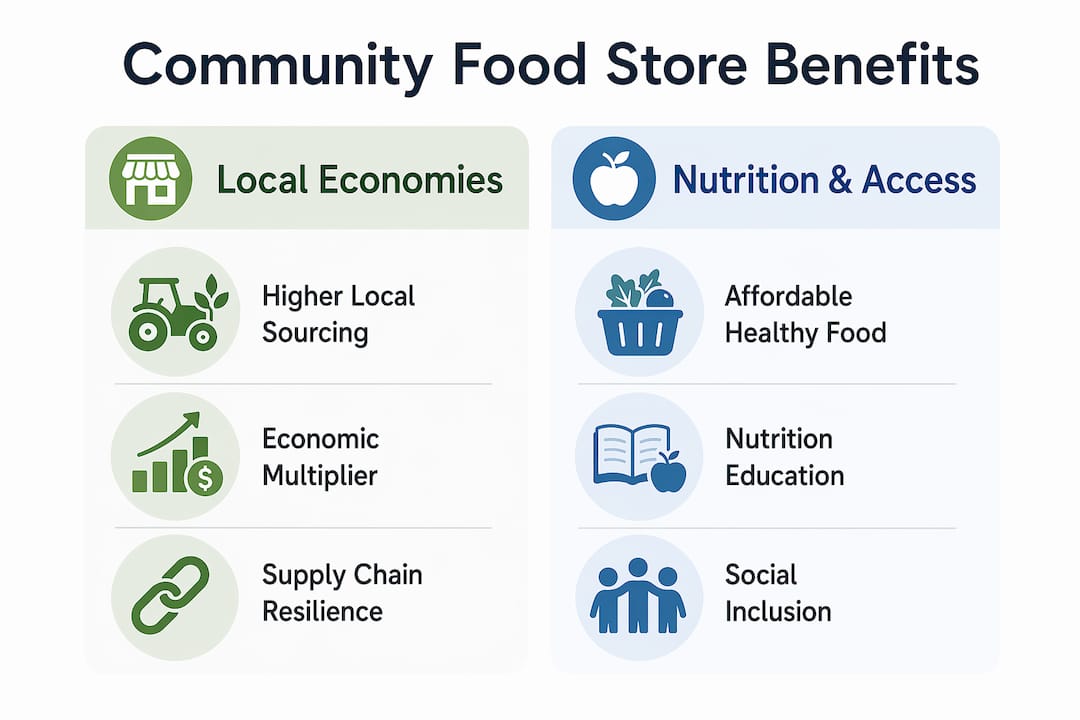
Locally owned food stores return far more money to their communities than corporate chains do. Food co-ops source locally at a rate of 23% of total sales, compared to just 2% at traditional grocery chains. That gap is not a minor difference. It means co-ops purchased from an average of 187 local suppliers, while chains route most spending to distant distribution centers.
The economic multiplier effect explains why this matters so much. When a dollar spent at a community grocery stays in the local economy, it gets spent again at a nearby farm, a local delivery service, or a neighborhood business. That cycle builds wealth inside the community rather than extracting it. For Georgia activists pushing for economic resilience, this is one of the strongest arguments for supporting local food retail.
| Store Type | Local Sourcing Rate | Local Supplier Relationships |
|---|---|---|
| Food co-ops | 23% of sales | ~187 local suppliers on average |
| Traditional grocery chains | 2% of sales | Minimal direct local sourcing |
The contrast is stark. A Kroger or Publix in Atlanta routes purchasing decisions through corporate headquarters, not through local farmers in Valdosta or Savannah. A community grocery or food co-op in the same neighborhood builds direct relationships with Georgia growers, keeping supply chains short and dollars local.
Pro Tip: When advocating for a new community store in your area, present the local sourcing data to city council members. Economic multiplier arguments land harder than nutrition arguments in budget conversations.
Community food stores also generate local economic resilience by reducing dependence on national supply chains. When a corporate chain closes a store due to low profit margins, the neighborhood loses its only food source. A community-owned store answers to its members, not to shareholders.
How do community food stores improve food access and nutrition?
Community food stores make healthy food affordable in ways that traditional retail cannot match. Families shopping at community stores save roughly $250 monthly by accessing goods at 30%–70% of standard supermarket prices. That level of savings changes a household budget in a real, immediate way.
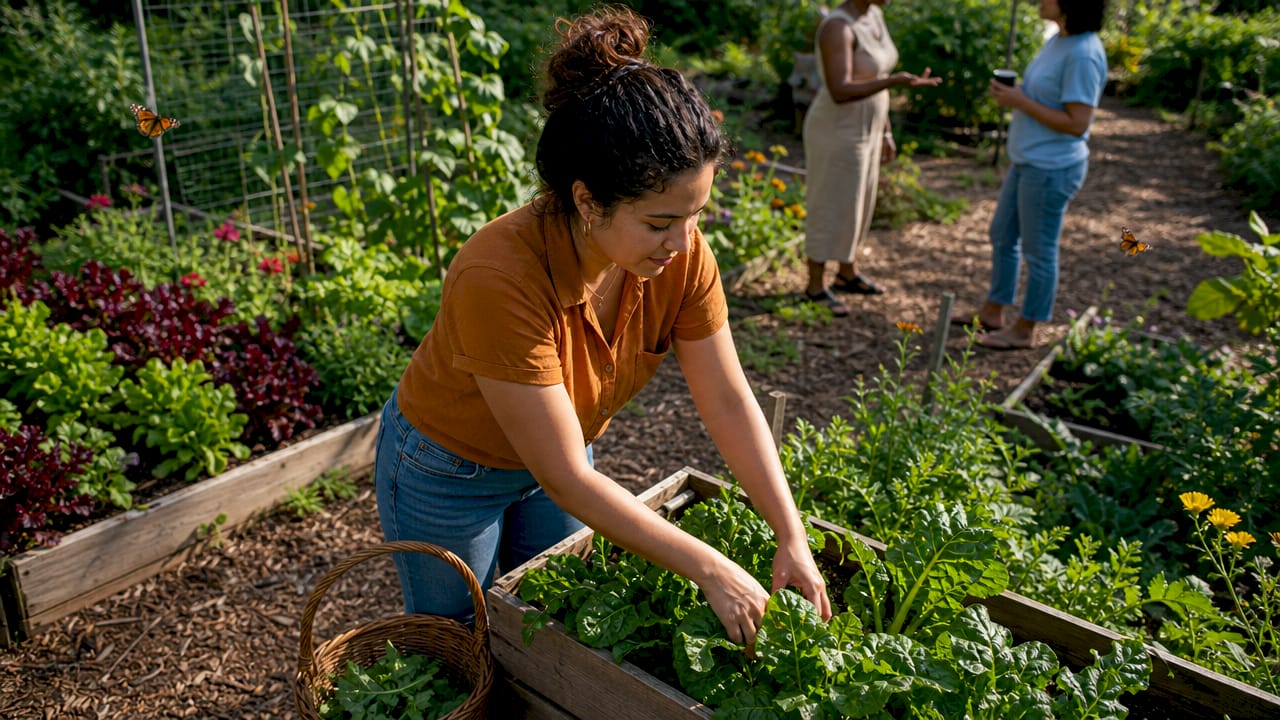
The nutrition benefits go beyond price. Many community stores and food co-ops stock significantly higher shares of certified organic and Fair Trade products. Co-ops sell 38% certified organic products compared to 25% at traditional grocers. Shoppers in lower-income Georgia neighborhoods gain access to food quality that was previously out of reach financially.
Programs that extend community food access include:
- SNAP acceptance at reduced-price community markets, making fresh produce available to families on federal assistance
- Needs-based sliding scale pricing, where households pay according to income rather than a fixed retail price
- Nutrition workshops and cooking demonstrations paired directly with fresh food sales, as promoted by Cornell Cooperative Extension in its healthy community store programs
- Community kitchens that let residents prepare and share meals, turning a grocery trip into a health education experience
- Partnerships with local growers that bring seasonal Georgia produce into stores at prices competitive with processed food
The education component is what separates a community grocery from a simple discount store. Pairing fresh food with nutrition education produces lasting behavior change, not just a cheaper shopping trip. Residents who learn to cook with fresh collard greens or sweet potatoes keep buying them long after a one-time discount expires.
Pro Tip: If your community store does not yet offer cooking demonstrations, partner with a local extension office or community college culinary program. The cost is low and the health impact is measurable.
For Georgia communities dealing with high rates of diet-related illness, including diabetes and hypertension, neighborhood stores that boost food access represent a public health intervention as much as a retail solution.
How do community food stores foster social inclusion and community ties?
Community food stores function as social infrastructure, not just retail spaces. 95% of Community Shop members reported that their store helped them connect with others socially. That figure reflects something deeper than customer satisfaction. It shows that these stores fill a social gap that neither food banks nor supermarkets address.
The “third space” model explains how this works in practice. A third space is any place that is not home and not work, where people gather voluntarily. Community food stores build this into their design through:
- Cooking clubs that meet weekly and share recipes from local food traditions
- Community events tied to seasonal produce, such as harvest festivals or canning workshops
- Volunteer programs that give members a stake in the store’s success and a reason to return
- Shared meal programs where prepared food is available alongside raw ingredients
The dignity factor matters as much as the social one. Traditional food aid, including food banks and charity pantries, often requires recipients to accept whatever is available. Community food stores and social supermarkets allow customers to choose and pay for their food, even at reduced prices. That choice-based model preserves autonomy and reduces the stigma that keeps many families from seeking food assistance at all.
“Social supermarkets allow customers to select and pay for food, enhancing dignity and autonomy.” This shift from charity to commerce changes how people feel about asking for help.
For Georgia activists, the social inclusion argument is a powerful one. A community grocery in a historically underserved neighborhood signals investment and belonging. It tells residents that their neighborhood is worth building in, not just passing through.
What challenges do community food stores face, and how do they stay sustainable?
Sustainability is the hardest problem community food stores face. The challenges are structural, not just financial. Key obstacles include:
- Wholesale produce access: Small stores cannot always meet the minimum order volumes that large distributors require, which drives up per-unit costs
- Property instability: Leased spaces in gentrifying Georgia neighborhoods face rent increases that can force a store to close after years of community service
- Competition from corporate chains: A new Walmart Neighborhood Market or Aldi can undercut community store prices simply through scale, not through better sourcing
- Volunteer and staff burnout: Many community stores rely heavily on volunteer labor, which is not sustainable without strong organizational support
- Limited access to capital: Community-owned stores often cannot access the same financing terms that corporate chains negotiate with banks
Networked procurement is the most effective response to the sourcing problem. Small retailers coordinate orders to access wholesale produce affordably through partnerships with local growers and regional distribution hubs. The Wichita Healthy Corner Store Initiative demonstrated this model by connecting small neighborhood stores to shared supply chains, reducing costs without sacrificing local sourcing.
Property ownership is the most effective response to displacement risk. Community ownership of physical property allows a store to serve its neighborhood for decades without fear of rent increases or corporate buyouts. Municipal support, including land trusts and city-owned property leased at below-market rates, gives community stores the stability they need to plan long-term. Georgia activists should push local governments to treat community food stores as public infrastructure, not just private businesses.
Key Takeaways
Community food stores are the most direct tool available to Georgia activists for improving local nutrition, building economic resilience, and creating social inclusion simultaneously.
| Point | Details |
|---|---|
| Economic multiplier effect | Food co-ops source 23% locally vs. 2% for chains, keeping far more money in Georgia communities. |
| Significant household savings | Families save roughly $250 monthly by shopping at community stores instead of standard supermarkets. |
| Social connection at scale | 95% of community store members report stronger social ties after participating in store programs. |
| Education drives lasting change | Pairing fresh food with nutrition workshops produces behavior change that outlasts any single discount. |
| Property ownership ensures survival | Community-owned buildings protect stores from displacement in gentrifying neighborhoods for decades. |
Why I think community food stores are Georgia’s most underused tool
I have watched Georgia communities spend years debating food deserts while the most direct solution sits right in front of them. A community grocery or food co-op does not require a federal grant or a corporate partner. It requires organized neighbors, a clear sourcing plan, and a building they control.
The mistake I see most often is treating community food stores as charity projects. They are not. The evidence shows they are economic engines for Atlanta and comparable Georgia communities, generating local supplier relationships, keeping dollars circulating locally, and building the kind of social trust that no government program can manufacture. When a store hosts a cooking club on Tuesday nights and sells fresh Georgia peaches on Saturday mornings, it is doing community development work that a food bank simply cannot replicate.
The activists who succeed are the ones who lead with the economic argument first and the nutrition argument second. City councils respond to multiplier effects and job creation. Once the store exists, the health outcomes follow. Start with the numbers, build the coalition, and fight for the building before you fight for the inventory.
— ANTONIO
Tojexpress and community food access in Georgia
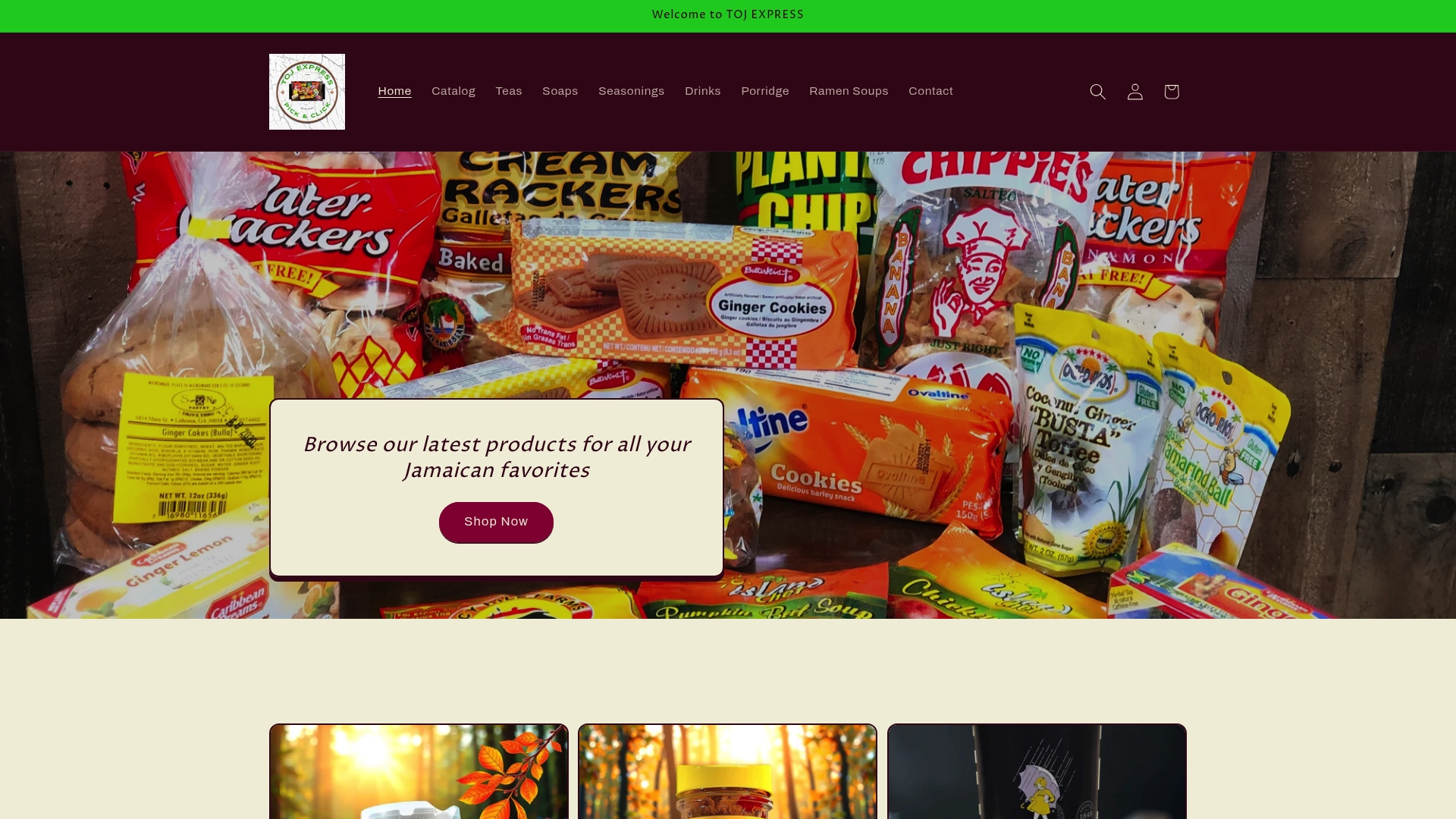
Tojexpress operates as a community-oriented convenience store carrying American and Caribbean products, serving Georgia residents who want quality food that reflects their culture and their neighborhood. The store stocks products that larger chains overlook, from Caribbean staples to American pantry favorites, at prices that respect the community it serves. Tojexpress understands that food access is not just about calories. It is about identity, affordability, and belonging. Residents looking for a store that treats them as neighbors rather than transactions can visit Tojexpress online to explore what is available and connect with a store built for the community.
FAQ
What is the role of community food stores in local economies?
Community food stores keep money circulating locally by sourcing from nearby producers. Food co-ops source 23% of sales from local suppliers, compared to just 2% at traditional grocery chains.
How do community groceries improve nutrition for low-income families?
Community stores offer goods at 30%–70% of standard retail prices, saving families roughly $250 monthly. Many also pair affordable food with nutrition workshops and cooking programs that build long-term healthy habits.
What makes food co-ops different from regular supermarkets?
Food co-ops are member-owned and prioritize local sourcing, certified organic products, and Fair Trade goods. They answer to their members rather than shareholders, which aligns their decisions with community needs.
How do community food stores reduce social isolation?
Research shows 95% of community store members report increased social connection after participating in store programs. Stores that host cooking clubs, community events, and volunteer programs function as social hubs, not just retail spaces.
What is the biggest threat to community food store sustainability in Georgia?
Property instability is the primary risk. Stores operating in leased spaces face displacement from rent increases, especially in gentrifying Georgia neighborhoods. Community ownership of the building is the most reliable protection against closure.