
The Role of Lithonia Grocery Options for Residents
TOJEXPRESS.COM-Antonio HenryTL;DR:
- Lithonia’s grocery scene includes national chains, discount stores, and specialty markets that shape food access and cultural representation. Residents struggle with walkable access to fresh food, relying on community programs like farmers markets and CSAs to fill gaps. Supporting local and specialty food sources is essential for building a more inclusive and food-secure community.
Lithonia grocery options are defined by a mix of national supermarket chains, discount retailers, and specialty markets that together shape food access and cultural representation for local residents. The role of Lithonia grocery options goes beyond convenience. It determines whether residents can find fresh produce, culturally specific ingredients, and affordable staples within a reasonable distance. Kroger and Walmart Supercenter anchor the local food scene, while Caribbean markets, farmers markets, and community-supported agriculture programs fill critical gaps. Understanding how these options work together helps residents make smarter choices about where and how they shop.
What are the main types of grocery stores in Lithonia?
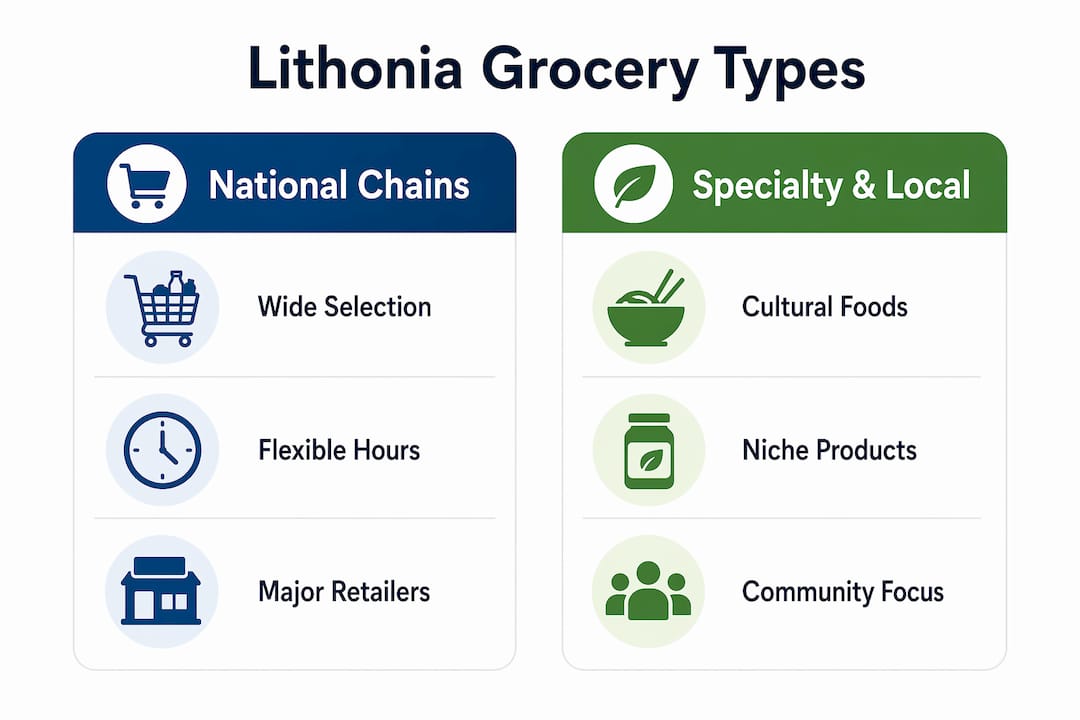
Lithonia’s grocery scene divides into three clear categories: national chains, discount grocers, and specialty or local food sources. Each serves a different need, and knowing the difference helps you plan your shopping week more effectively.
National chains provide the broadest selection and the most flexible hours. Kroger operates daily from 6:00 AM to 1:00 AM, and Walmart Supercenter runs from 6:00 AM to 12:00 AM every day. Those extended hours matter for residents who work irregular shifts or need a late-night grocery run. Both stores carry produce, meat, dairy, household goods, and pharmacy items under one roof.
Discount grocers serve residents focused on stretching their food budget. ALDI keeps hours of 9:00 AM to 8:00 PM Sunday through Friday, with shorter Saturday hours of 9:00 AM to 4:00 PM. ALDI’s model relies on a smaller product selection and private-label brands to keep prices low. That trade-off works well for staples but limits variety.
Specialty and local food sources round out the picture. These include:
- Caribbean and ethnic grocery markets that stock ingredients absent from national chains
- Farmers markets offering seasonal, locally grown produce
- Community-supported agriculture programs, known as CSAs, that deliver fresh produce boxes directly to members
- Local food co-ops that prioritize regional sourcing and community ownership
Each of these specialty sources addresses a need that large chains simply do not meet. A resident looking for scotch bonnet peppers, fresh callaloo, or heirloom tomatoes will not find them at a standard supermarket. The specialty grocery scene in the broader Atlanta area reflects this same pattern of chain stores leaving cultural food gaps that smaller markets fill.
| Store Type | Example | Key Strength |
|---|---|---|
| National chain | Kroger, Walmart Supercenter | Wide selection, extended hours |
| Discount grocer | ALDI | Low prices, budget-friendly staples |
| Specialty market | Caribbean grocers, ethnic markets | Cultural ingredients, authentic products |
| Farmers market | Local seasonal vendors | Fresh, peak-ripeness produce |
| CSA program | Local farm subscriptions | Weekly fresh produce delivery |
How do Lithonia’s grocery options affect food accessibility?
Food accessibility in Lithonia is more complicated than the presence of large stores suggests. Residents widely describe Lithonia as a food desert, citing limited walkable fresh food options and a high density of fast-food restaurants relative to full-service grocery stores. That perception matters because food deserts are defined not just by the absence of stores but by the difficulty of reaching them without a car.
Kroger and Walmart’s extended hours improve convenience for residents who drive, but they do not solve the problem for those without reliable transportation. A store open until 1:00 AM is not accessible if you cannot get there. This gap between store availability and physical access is the defining challenge for food security in Lithonia.
Community programs step in where chains fall short. CSA memberships and farmers markets bring fresh, seasonal produce directly into neighborhoods. Local produce harvested at peak ripeness delivers better flavor and more nutrients than mass-distributed produce that travels hundreds of miles before reaching a shelf. That nutritional difference is real and measurable.
- Walkability barriers limit access for residents without cars
- Fast-food density creates a default option that crowds out healthier choices
- CSAs and farmers markets provide fresh produce closer to where residents live
- Specialty markets serve cultural food needs that chains ignore
Pro Tip: If you rely on public transit, check whether local CSA programs offer pickup locations near bus or MARTA stops. Some programs coordinate drop points specifically for transit-dependent residents.
What role do specialty and local food sources play?
Specialty markets and local food sources carry cultural weight that national chains cannot replicate. Residents rely on smaller ethnic markets for authentic cultural foods that simply do not appear on chain store shelves. For Lithonia’s Caribbean and African American communities, these markets are not optional extras. They are where you find the ingredients that make a meal feel like home.
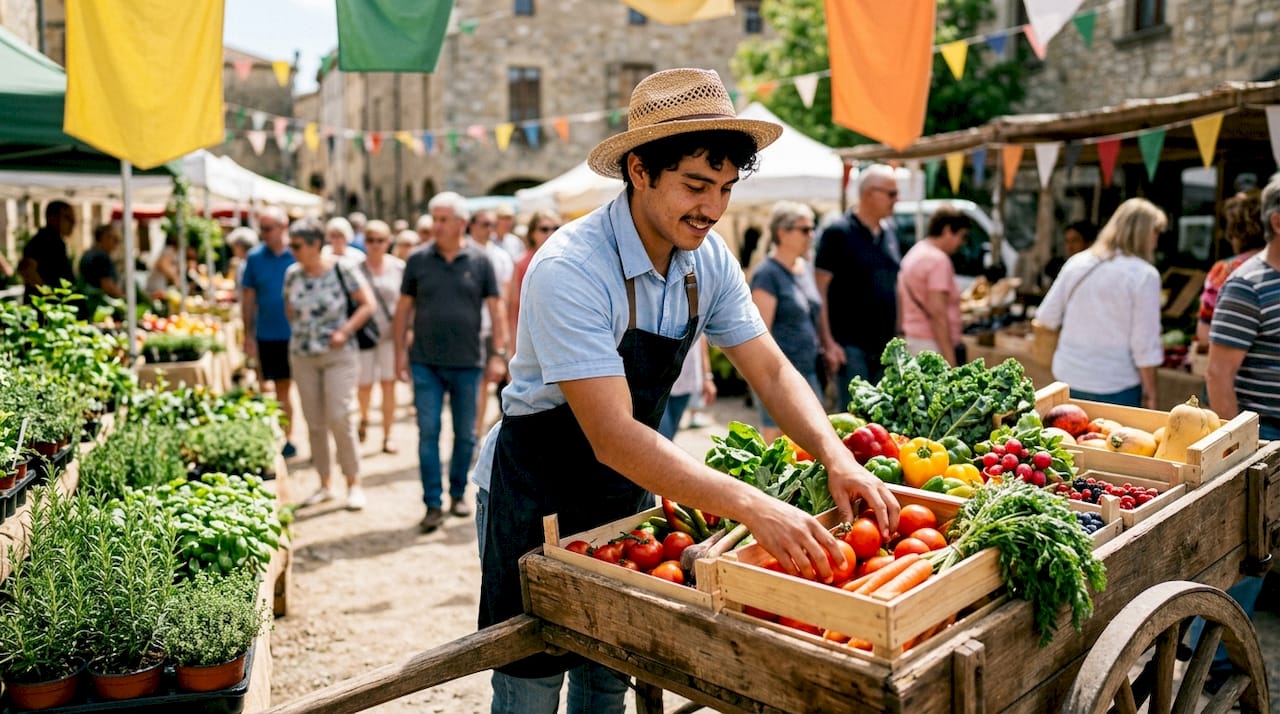
The benefits of local food sourcing extend beyond cultural representation. Buying from local farmers and markets keeps money circulating within the regional economy. It also reduces the supply chain distance between farm and table, which directly improves freshness and reduces food waste.
Here is why specialty and local food sources matter most for Lithonia residents:
- Cultural representation. Caribbean markets stock plantains, ackee, jerk seasoning, and other ingredients that define Caribbean cooking. Without them, residents must travel significantly farther or substitute inferior products.
- Nutritional quality. Seasonal produce from a local farm contains more vitamins and minerals than produce picked early and ripened in transit. Seasonal eating improves nutrition in ways that year-round supermarket produce cannot match.
- Economic impact. Every dollar spent at a local market or CSA stays closer to home, supporting local farmers and food entrepreneurs rather than corporate supply chains.
- Community connection. Farmers markets create social spaces where residents meet growers, learn about food, and build relationships that strengthen neighborhood identity.
“Supporting local food through farmers markets and CSA memberships strengthens community ties and the regional agricultural economy. When residents choose local sources, they invest in both their own nutrition and their neighbors’ livelihoods.”
Tojexpress recognizes this cultural dimension directly. As a store that carries both American and Caribbean products, it reflects the same principle that specialty markets embody: food access means access to your food, not just generic staples.
How are residents shaping the future of grocery options in Lithonia?
Residents are not passive observers of Lithonia’s food scene. Community feedback consistently calls for more varied, non-fast-food dining and shopping options within city limits. That demand is driving real change through local initiatives, advocacy, and new food business development.
The contrast between chain convenience and specialty quality creates a clear opportunity. Neighborhood stores that boost food access in the Atlanta area show that smaller, community-focused retailers can thrive when residents actively support them. Lithonia’s path forward likely involves a combination of expanded farmers markets, more CSA programs, and new specialty retailers filling cultural food gaps.
Current community-driven efforts include:
- Advocacy for more farmers market locations within walkable distance of residential areas
- CSA membership drives that make fresh produce subscriptions more affordable through group pricing
- Food co-op organizing that gives residents collective ownership of a grocery outlet
- Resident-led reviews and local business promotion that direct spending toward specialty markets
Pro Tip: Join a local CSA with a neighbor and split the weekly box. You get fresh produce at half the cost, reduce food waste, and try ingredients you might not buy individually.
The grocery diversity role in Atlanta shows that communities with active resident engagement see faster growth in specialty food options. Lithonia residents who vote with their wallets and their voices accelerate that process locally.
Key Takeaways
Lithonia’s grocery options serve residents best when national chains, discount stores, and specialty markets work together to cover convenience, affordability, and cultural food needs.
| Point | Details |
|---|---|
| National chains anchor access | Kroger and Walmart provide broad selection and extended hours but do not solve walkability gaps. |
| Discount grocers serve budgets | ALDI offers affordable staples with limited hours, best for planned weekly shopping. |
| Specialty markets fill cultural gaps | Caribbean and ethnic grocers stock ingredients that national chains consistently overlook. |
| CSAs and farmers markets improve nutrition | Locally harvested produce delivers better flavor and nutrients than mass-distributed alternatives. |
| Community action drives change | Resident feedback and local initiatives are the primary force expanding grocery variety in Lithonia. |
What I’ve learned about food access in Lithonia
The food access conversation in Lithonia often gets stuck on the presence of big stores as proof that the problem is solved. It is not. Having a Kroger and a Walmart within driving distance does not make a community food-secure. It makes it convenient for people who own cars and have time to shop during standard hours.
What actually moves the needle is the combination of those anchor stores with active specialty markets, functioning CSA programs, and farmers markets that put fresh food within reach of residents who cannot or do not drive. I have seen this pattern play out across communities similar to Lithonia. The chains provide the floor. The specialty markets and local food programs provide the ceiling.
The Caribbean grocery dimension is one that gets underreported. For residents whose culinary traditions depend on specific ingredients, a store that does not carry those ingredients is not a full grocery option. It is a partial one. Tojexpress exists precisely because that gap is real and worth filling. Selling both American and Caribbean products in one place is not a niche play. It is a direct response to what residents actually need.
My honest take: Lithonia’s grocery future depends on residents supporting specialty and local food sources with the same regularity they give to national chains. Every dollar spent at a farmers market or Caribbean grocer makes that option more viable long-term.
— ANTONIO
Tojexpress: Caribbean and American groceries for Lithonia residents
Lithonia residents deserve grocery access that reflects their actual food culture, not just the national average.
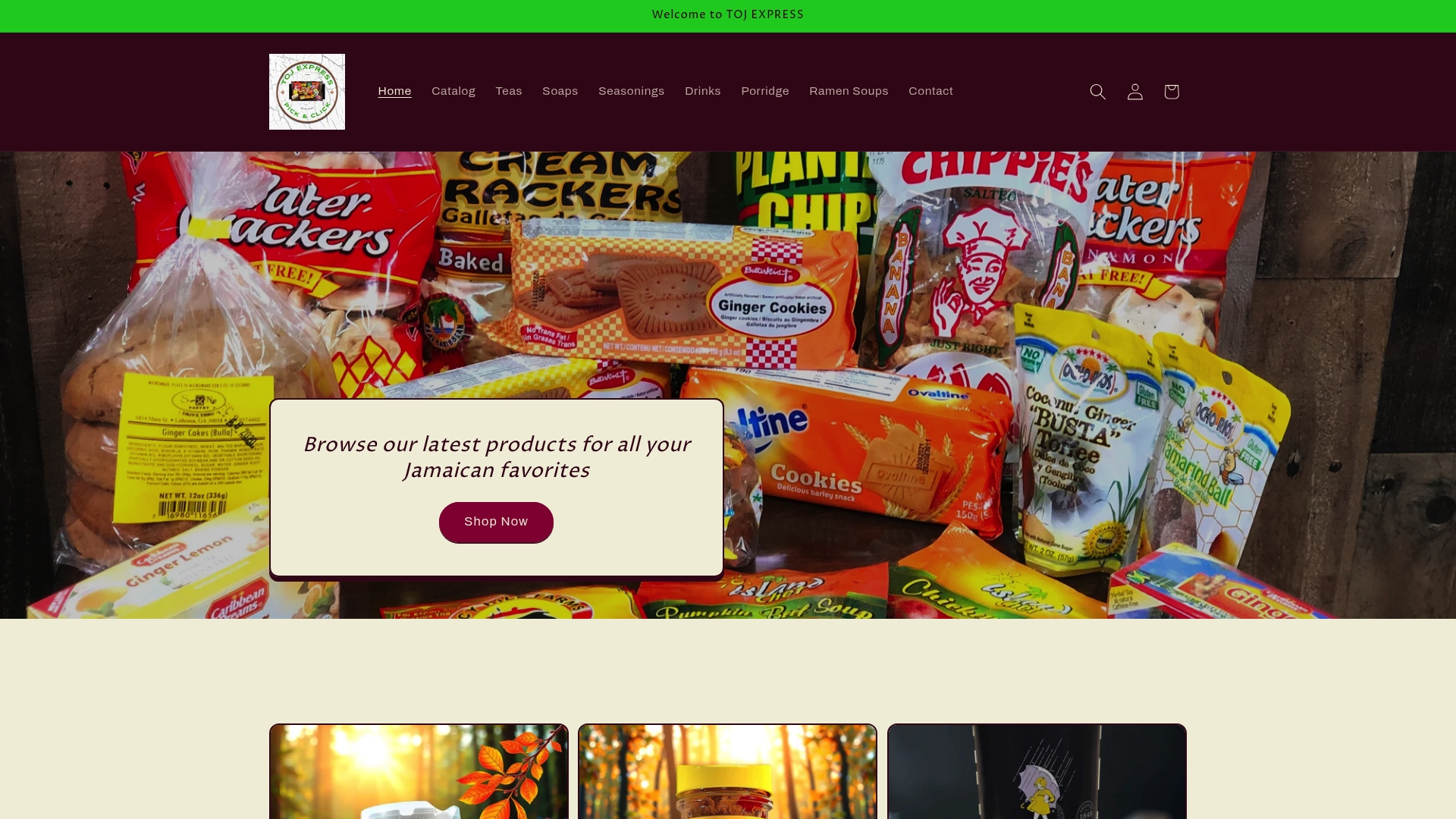
Tojexpress carries both American staples and Caribbean specialty products, making it a practical option for residents who want authentic ingredients without driving across the metro area. Whether you need everyday pantry items or culturally specific products like Caribbean fruits and specialty picks, Tojexpress stocks what the big chains miss. Visit Tojexpress online to browse available products and find out how to get them delivered to your door in the Lithonia area.
FAQ
What grocery stores are in Lithonia, GA?
Lithonia’s main grocery stores include Kroger, Walmart Supercenter, and ALDI. Specialty options include Caribbean markets, farmers markets, and CSA programs for fresh and culturally specific foods.
Is Lithonia considered a food desert?
Residents and community reviewers frequently describe Lithonia as a food desert due to limited walkable fresh food access and high fast-food density, despite the presence of national grocery chains.
Where can I find Caribbean groceries in Lithonia?
Smaller ethnic and Caribbean specialty markets serve residents looking for authentic cultural ingredients. Tojexpress also carries Caribbean products and offers an online option for residents in the Lithonia area.
What are the best grocery deals in Lithonia?
ALDI offers the most consistent budget-friendly pricing on staples, operating from 9:00 AM to 8:00 PM most days. National chains like Kroger and Walmart run weekly sales that reward planned shopping.
How can I access fresh local produce in Lithonia?
CSA program memberships and local farmers markets provide fresh, seasonally harvested produce. Local produce is harvested at peak ripeness, delivering better nutrition and flavor than standard supermarket alternatives.