
The Role of Family Grocery Shopping for Atlanta Families
TOJEXPRESS.COM-Antonio HenryTL;DR:
- Family grocery shopping enhances children’s development of planning, impulse control, and food literacy skills. It also promotes household budget management and strengthens cultural bonds through shared food traditions.
Family grocery shopping is a purposeful activity that combines nutrition education, household budgeting, and genuine family connection into a single weekly routine. The role of family grocery shopping extends far beyond filling a cart. It shapes what your family eats, how your children understand money, and how strongly your household operates as a team. With 73% of the U.S. food supply consisting of ultra-processed items, intentional shopping decisions made together as a family carry real health consequences. Johns Hopkins Medicine and FMI both confirm that shared grocery habits build lifelong skills in children and strengthen family bonds in ways that few other routines can match.
How does involving children in grocery shopping shape their eating habits?
Children who actively participate in grocery shopping develop stronger executive function skills including planning, impulse control, and decision making. These are the same skills that predict success in managing health and finances later in life. That connection makes the grocery store one of the most underrated classrooms available to Atlanta parents.
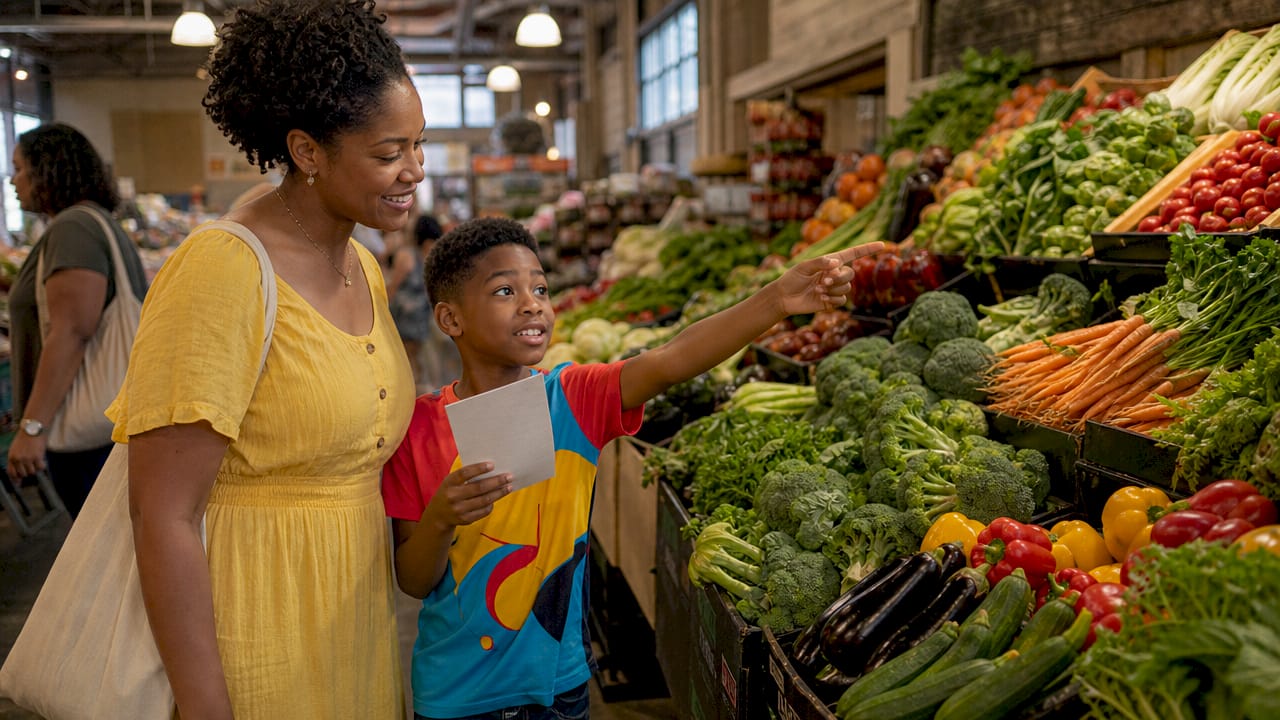
Food literacy is the practical ability to understand, select, and prepare nutritious food. Children build food literacy by touching, smelling, and choosing ingredients in the store. A child who picks out bell peppers for a stir fry is far more likely to eat them at dinner than one who had no say in the matter.
The grocery store is also where parents model positive eating habits, teaching kids about nutrients and cooking techniques in real time. Clinical dietitian Jaclyn Rose of Johns Hopkins Medicine notes that this kind of modeling during shopping directly improves the quality of family meals at home. The lesson sticks because it is tied to a physical, sensory experience.
Practical ways to involve children in the produce aisle include:
- Letting them choose one new fruit or vegetable each trip
- Asking them to compare unit prices on two similar items
- Having them cross items off the list as you shop
- Encouraging them to smell herbs and ask what dish they might go in
- Letting older kids weigh produce and calculate the cost
Pro Tip: Assign each child a “job” before you enter the store. One child holds the list, another watches the budget on a small notepad. Clear roles reduce chaos and keep kids engaged from start to finish.
The food education benefits children gain from regular shopping trips compound over time. A child who shops with parents through elementary school arrives at adulthood knowing how to read a nutrition label, compare prices, and cook a basic meal.
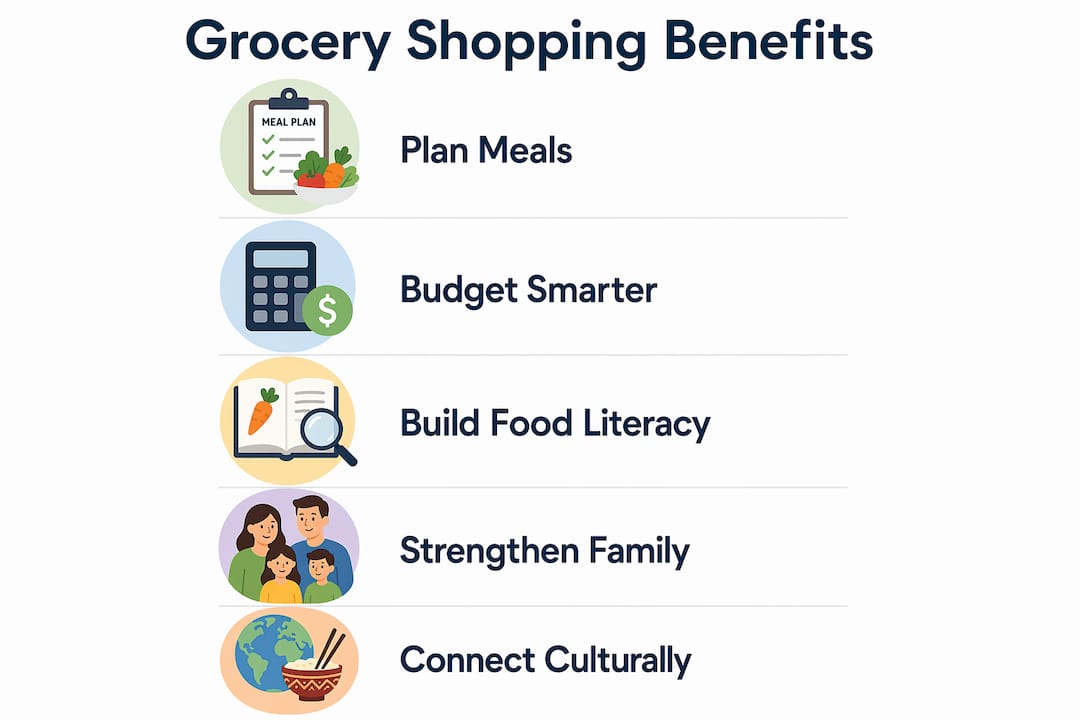
What budgeting advantages does family grocery shopping offer?
The average primary shopper in a multi-person household spends 63 hours and 24 minutes annually on grocery shopping. That is a significant time investment. Families who treat shopping as a shared responsibility spread that load and build better financial habits in the process.
Shared grocery tasks reduce money conflicts at home. When both partners understand what food costs and why certain items are on the list, surprise charges and impulse buys become less common. Transparency in spending is one of the most effective tools for avoiding household budget friction.
A repeatable building blocks approach to grocery lists cuts decision fatigue and food waste. This means choosing a core set of ingredients that combine into multiple meals, such as rice, beans, chicken, and seasonal vegetables, and rotating them weekly. Families who shop this way spend less time deciding what to buy and throw away less food at the end of the week.
Here is a simple framework for building a family grocery budget routine:
- Set a weekly budget cap before writing the list. Agree on the number as a household.
- Build the list around meals, not cravings. Plan five dinners, then work backward to ingredients.
- Categorize by store section. Group produce, proteins, dairy, and pantry items separately to avoid backtracking and impulse grabs.
- Assign a price limit per category. For example, $30 for proteins, $20 for produce, $15 for pantry staples.
- Review the receipt together. Spend two minutes after shopping comparing actual spend to the plan.
| Budgeting habit | Practical benefit |
|---|---|
| Weekly meal planning | Reduces unplanned purchases and food waste |
| Category spending caps | Keeps total spend predictable each week |
| Shared list building | Prevents duplicate purchases and missed items |
| Receipt review as a family | Builds financial awareness in children and adults |
Combining in-store shopping with occasional online orders for pantry staples also saves time without sacrificing the hands-on quality control that fresh food requires. Atlanta families can use pre-packed grocery options for shelf-stable items while reserving in-person trips for produce and proteins.
Why does in-person shopping matter for food quality and cultural connection?
48% of consumers say they miss being able to personally select fresh produce and meats when they skip in-store shopping. That number reflects something real. Squeezing an avocado, checking the color of salmon, or smelling a bunch of cilantro are quality checks no algorithm can replicate.
FMI’s Steve Markenson describes grocery shopping as a social and purposeful experience that connects consumers to culture and household responsibilities beyond the transaction itself. For Atlanta families with Caribbean or Southern roots, the grocery store is where food traditions get passed down. A grandmother teaching a grandchild how to pick a ripe mango is a cultural lesson wrapped in a practical skill.
Signs of quality to look for during in-person shopping:
- Produce: Firm texture, vibrant color, no soft spots or mold
- Meat and fish: Bright color, no strong odor, tight packaging with no excess liquid
- Bread and baked goods: Soft to the touch, no mold, intact packaging
- Canned goods: No dents, rust, or bulging lids
For more detail on selecting the best fresh items, the guide on identifying fresh produce covers what to look for aisle by aisle. Atlanta shoppers can also reference buying fresh produce locally for tips specific to the region’s seasonal availability.
The cultural significance of shared food selection is especially strong in diverse cities like Atlanta. Shopping together reinforces family identity, passes down culinary traditions, and gives children a sense of where their food comes from and why it matters.
What challenges and best practices exist for shopping with children?
Children’s emotional regulation during grocery trips is the most common obstacle parents face. Hunger, overstimulation, and boredom all contribute to meltdowns in the cereal aisle. The solution is preparation, not avoidance.
Alternating trips with and without children is one of the most effective strategies for avoiding burnout. Not every trip needs to be a teaching moment. When you need speed and efficiency, shop alone. When you have time and energy, bring the kids and make it educational.
Short lists, clear expectations, and defined boundaries before entering the store reduce conflict significantly. Tell children exactly what the trip is for, how long it will take, and what they are allowed to ask for. Ambiguity is where tantrums grow.
Allowing children to handle payment at checkout builds independence and a genuine sense of accomplishment. Letting a nine-year-old hand over cash or tap a card teaches them that transactions have real weight. That lesson carries into how they handle money as teenagers and adults.
Pro Tip: Create a small “shopping ritual” your kids look forward to, such as letting them pick one item from the bulk bin or choose the checkout lane. Predictable small rewards reduce negotiation and make the trip feel like a shared adventure rather than an errand.
Key Takeaways
Family grocery shopping builds health, financial literacy, and cultural connection simultaneously. No other weekly routine delivers that combination of benefits for Atlanta families.
| Point | Details |
|---|---|
| Children’s development | Kids who shop with parents build executive function, food literacy, and money skills. |
| Budget control | Shared lists and category spending caps keep household grocery costs predictable. |
| In-person quality | 48% of shoppers value selecting fresh produce in person. Physical trips protect food quality. |
| Cultural connection | Grocery shopping passes down food traditions and reinforces family identity. |
| Managing kids on trips | Alternating trips with and without children prevents burnout and keeps outings productive. |
Atlanta grocery trips: what I’ve learned after years of shopping with kids
The conventional advice says to always bring your children to the grocery store so they learn responsibility. I disagree with the “always” part. The families I see thriving in Atlanta are the ones who treat grocery trips as a tool, not a rule. Some weeks you need a fast, efficient run through the store. Other weeks you have the bandwidth to turn it into a lesson on reading labels or comparing prices on two brands of black beans.
What I have found actually works is building a short, consistent routine around the trips that include kids. Same day of the week, same general store layout, same assigned roles. Routine removes the friction. When children know what to expect, they show up ready to participate instead of ready to negotiate.
Atlanta’s food scene is genuinely diverse, and that is an asset for families who use grocery shopping as a cultural activity. Caribbean ingredients, Southern staples, and international produce are all accessible here. That variety gives parents real material to work with when teaching kids about food origins and cooking traditions. A trip through the plantain section or the spice aisle can spark conversations that a worksheet never could.
The families who get the most out of grocery shopping together are not the ones who do it perfectly. They are the ones who show up consistently, adjust when it gets hard, and treat the cart as a classroom when the moment is right.
— ANTONIO
Tojexpress snacks and drinks for busy Atlanta families
Atlanta families who shop with purpose deserve products that match that standard.
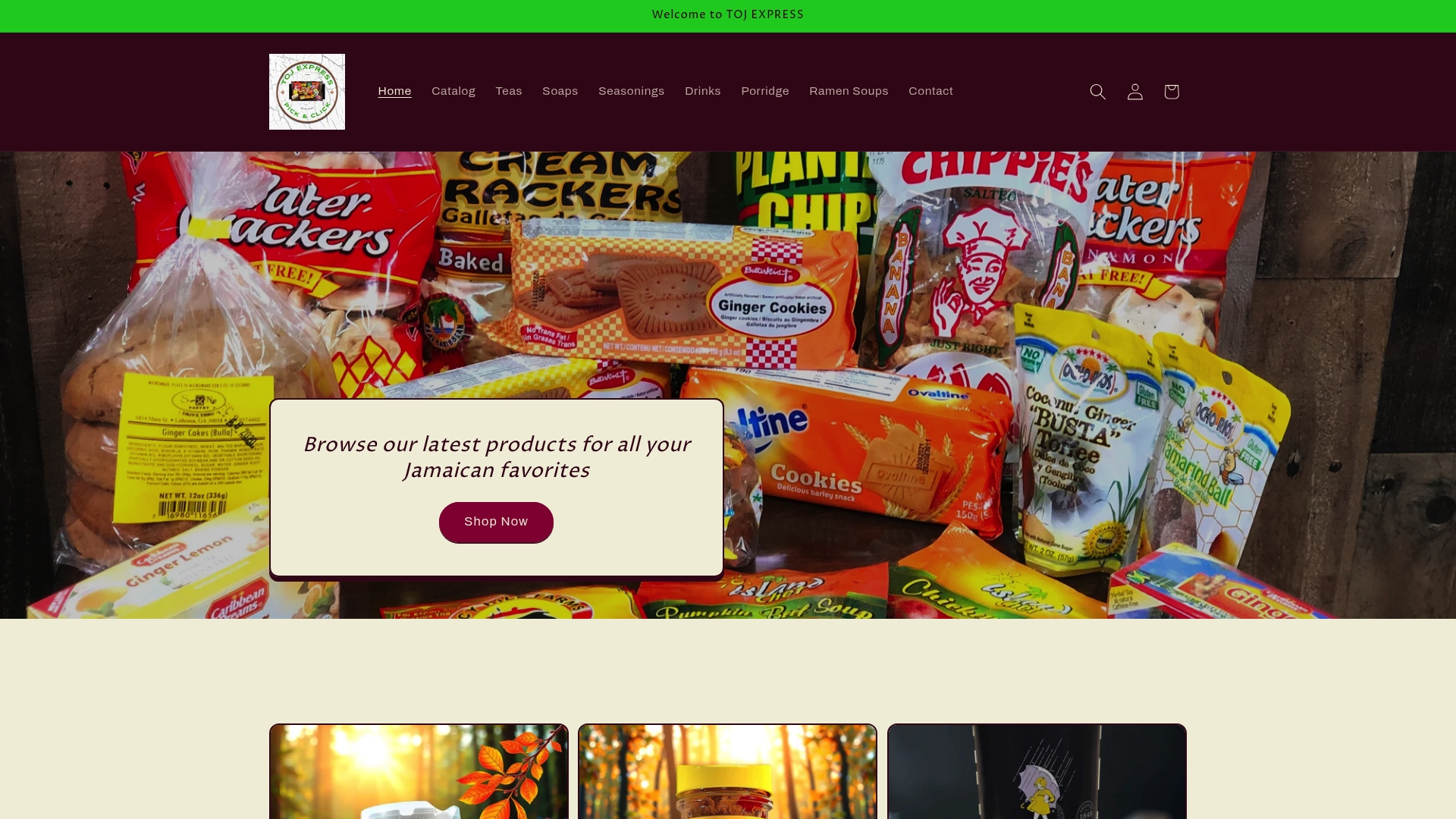
Tojexpress carries a curated selection of American and Caribbean snacks and drinks designed for families who care about what goes in the cart. Whether you need a quick after-school option or a beverage that fits a family dinner, the Tojexpress snack collection offers quality choices without the guesswork of a big-box aisle. Pair them with something from the Tojexpress drinks selection for a complete, family-friendly addition to your weekly grocery routine. Good shopping habits start with good products.
FAQ
What is the role of family grocery shopping in child development?
Family grocery shopping builds executive function skills in children, including planning, impulse control, and decision making. These skills predict long-term success in both health management and personal finance.
How can families stick to a grocery budget?
Building a weekly list around planned meals, setting category spending caps, and reviewing the receipt together as a family are the most effective methods for staying on budget consistently.
Why is in-person grocery shopping still important in 2026?
48% of shoppers say they miss selecting fresh produce and meats in person. Physical store visits allow quality checks that online ordering cannot replicate.
How do I involve kids in grocery shopping without it becoming stressful?
Assign children clear roles before entering the store, keep the list short, and alternate trips with and without kids to balance education and efficiency.
How does grocery shopping connect families to their culture?
Selecting ingredients together, especially culturally specific produce and spices, passes down food traditions and gives children a direct connection to their family’s culinary identity.