

Why Taste Diversity Matters for Culture and Health
TOJEXPRESS.COM-Antonio HenryTL;DR:
- Taste diversity involves the wide range of flavors, ingredients, and cultural food traditions that influence eating habits. It improves gut health, boosts immunity, and preserves cultural heritage by encouraging varied plant consumption and traditional recipes. Access to diverse flavors can be limited by income, but affordable pantry staples help promote equitable culinary diversity.
Taste diversity is defined as the full range of flavors, ingredients, and food traditions that shape how people eat, connect, and stay healthy. Why taste diversity matters goes far beyond personal preference. Research links eating a wide variety of plants and flavors to stronger gut health, better immunity, and reduced inflammation. Cultural food traditions from the Caribbean, West Africa, South Asia, and Latin America carry centuries of culinary knowledge that no single cuisine can replace. Tojexpress exists at exactly this intersection, where American convenience meets Caribbean flavor richness, making diverse tastes accessible every day.
Why taste diversity matters for your gut and overall health
Eating a wider range of plants directly builds a more resilient gut microbiome. Plant variety increases microbial species diversity rather than just intake volume, improving metabolic and immune health. That distinction matters. You do not need to eat more food. You need to eat more kinds of food.
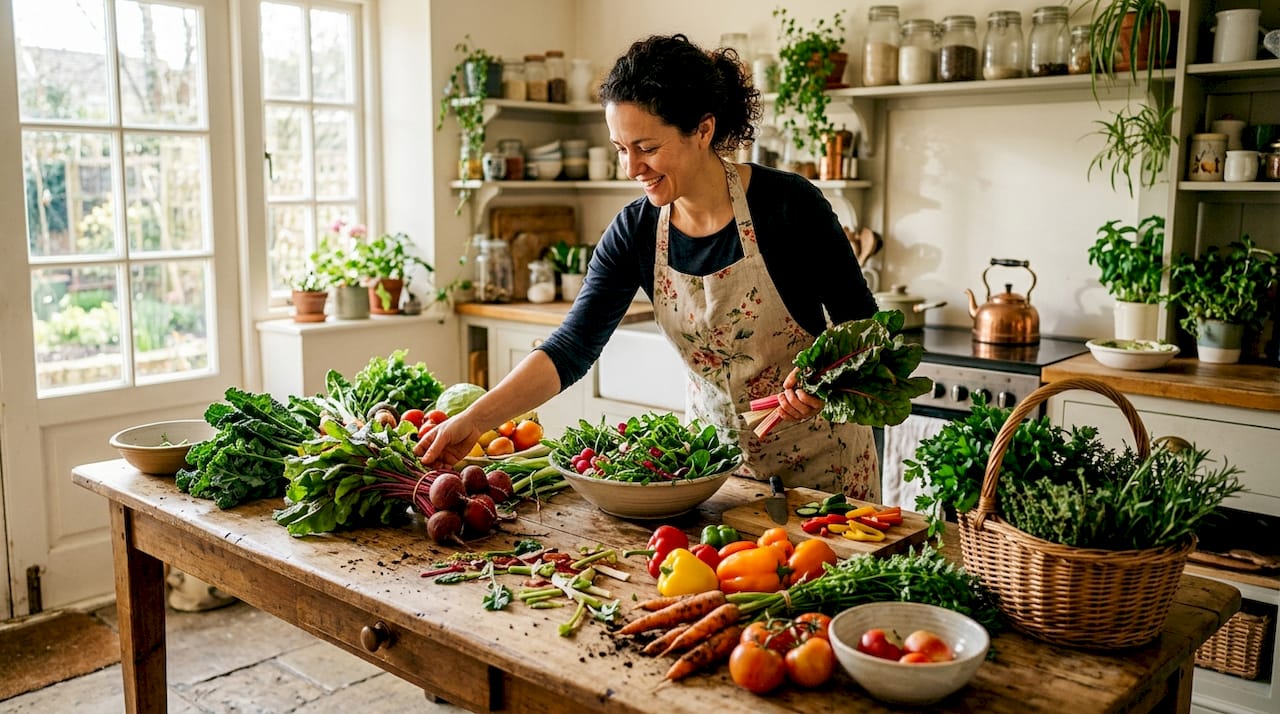
The target most nutrition researchers point to is 30 different plant types per week. That number sounds large until you count herbs, spices, legumes, grains, fruits, and vegetables together. A single meal with brown rice, black beans, cilantro, garlic, and scotch bonnet pepper already covers five plant types. Different fibers feed different gut microbes, so diverse plants create a healthier gut ecosystem balance overall.
The downstream effects of gut microbiome diversity are significant. A well-fed microbiome reduces chronic inflammation, supports mood regulation through the gut-brain axis, and strengthens immune response. Eating the same five foods every week, even healthy ones, starves the microbial species those foods do not feed.
| Gut health benefit | How flavor diversity drives it |
|---|---|
| Microbial species richness | Varied plants introduce different fibers and polyphenols |
| Reduced inflammation | Diverse phytonutrients suppress inflammatory pathways |
| Improved immunity | Robust microbiome trains immune cells more effectively |
| Better mood regulation | Gut-brain axis benefits from microbial balance |
| Metabolic health | Varied fiber types improve blood sugar and lipid profiles |
Pro Tip: Add one new herb or spice to your cooking each week. Turmeric, sumac, allspice, and fenugreek each feed different gut bacteria and cost very little per use.
How diverse flavors preserve cultural identity
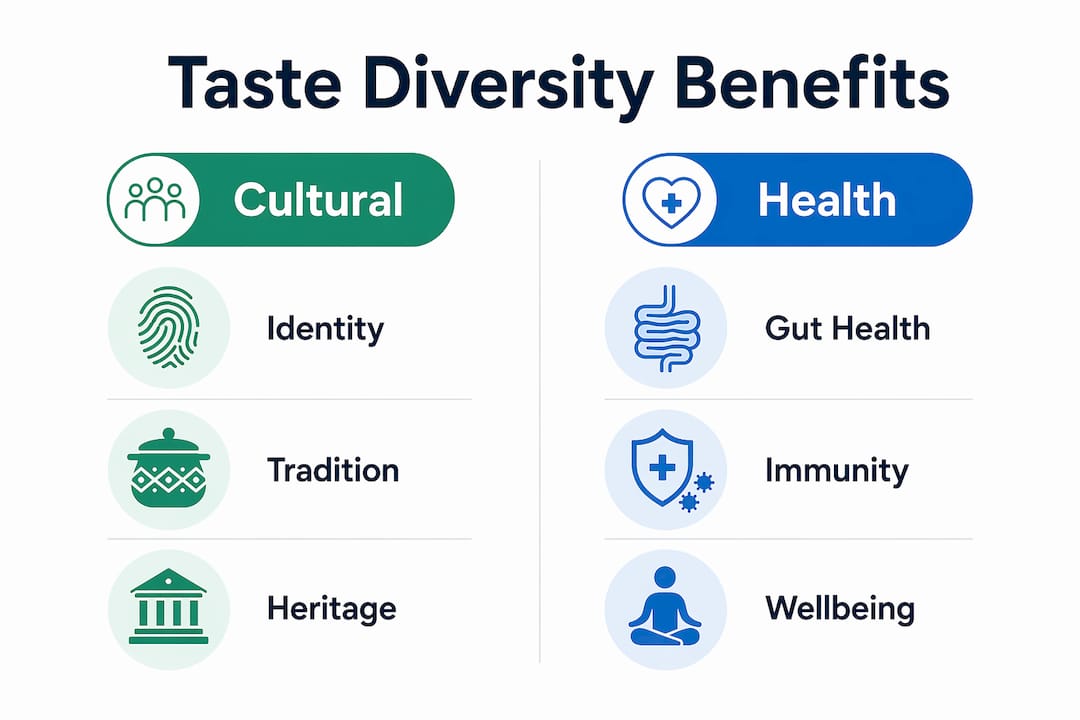
Culinary greatness must honor cultural histories to fully appreciate diverse cuisines. That principle challenges the narrow frameworks that have historically defined fine dining. When Michelin stars and culinary school curricula center French technique as the universal standard, they erase the complexity of Haitian griot, Jamaican jerk, or Guyanese pepperpot.
True culinary authenticity lives in home kitchens through memory and oral tradition, not formal institutions. A grandmother’s sofrito recipe, passed down without measurements, carries more cultural information than any written cookbook. That knowledge is fragile. When communities stop cooking their traditional dishes, the flavors and the histories behind them disappear together.
Expanded definitions of culinary excellence preserve cultural heritage and foster mutual understanding across cuisines. Flavor variety counters cultural simplification. It signals that no single tradition owns the definition of good food.
Diverse flavors build cultural bridges in concrete ways:
- Caribbean spices like allspice, scotch bonnet, and thyme carry the influence of African, Indigenous, and European culinary traditions in a single dish
- American soul food reflects West African cooking techniques adapted through generations of resilience
- Fusion cuisines create new shared identities without erasing the originals
- Family recipes passed between generations anchor cultural memory in sensory experience
- Community food markets and convenience stores stocking international products make diverse flavors physically accessible
The culinary diversity significance of these traditions extends beyond nostalgia. They represent living, evolving knowledge systems that feed communities and define belonging.
Does income affect access to diverse flavors?
Economic constraints significantly limit dietary diversity, forcing prioritization of affordability over variety. This is a structural problem, not a personal failing. Taste preferences are shaped by income and access, linking individual flavor choices directly to inequality.
Neighborhoods with limited grocery options often stock fewer international ingredients. Families managing tight budgets buy familiar staples because they cannot afford to experiment with unfamiliar ingredients that might go to waste. The result is a narrowing of flavor exposure that compounds over time, especially for children developing their palates.
Taste should be harnessed as a tool for promoting sustainable dietary transitions, not treated as a barrier. Stores that stock affordable Caribbean, African, and Asian pantry staples alongside American products directly address this gap. Access to diverse flavors is a food justice issue.
Pro Tip: Dried spices, canned legumes, and frozen vegetables are the most affordable way to add plant variety to your diet. A $2 bag of dried lentils and a $1 jar of cumin can transform a basic rice dish into a microbiome-supporting meal.
What is sensory-specific satiety and why does it matter?
Sensory-specific satiety is the decline in enjoyment of a food as you continue eating it. Your brain signals satisfaction with a specific flavor, then seeks something different. This mechanism is the biological reason why flavor variety is essential at every meal.
Increased flavor variety leads to increased food intake in children due to sensory-specific satiety, where liking for a food declines as it is eaten. That finding has practical implications for anyone cooking for picky eaters or trying to improve their own meal variety. Variety does not just make meals more enjoyable. It encourages broader nutritional intake.
Sensory-specific satiety encourages consumers to eat more varied foods, preventing boredom and promoting balanced nutrition. The decline in liking for one specific food leads naturally to seeking different tastes within a meal.
Practical ways to use variety to enhance meals:
- Serve two or three distinct flavor profiles in one meal, such as something savory, something acidic, and something mildly spicy
- Vary textures alongside flavors, combining crunchy, soft, and chewy elements
- Introduce one unfamiliar ingredient per week to gradually expand your palate
- Use fresh herbs as a finishing element to add brightness without changing the core dish
- Rotate your grain base weekly between rice, quinoa, farro, and cornmeal to shift both flavor and fiber type
Practical ways to embrace flavor diversity in your cooking
Multisensory cooking is the most direct path to expanding your flavor range. Multisensory exposure to taste, including sight, smell, and touch, teaches and stabilizes healthy taste behaviors over time. The TASTE-MED framework treats taste competence as a teachable skill, not a fixed trait. That means your palate can grow at any age.
Industrialized agriculture narrows flavor availability. Heirloom varieties enhance ecosystem health and flavor complexity. Seeking out heirloom tomatoes, heritage grain flours, or traditional Caribbean pepper varieties at specialty stores and markets directly supports both biodiversity and your cooking.
Agricultural biodiversity and traditional knowledge are critical to sustaining food diversity and culinary traditions. Biological diversity has no value without the community knowledge of how to use it. When you cook a traditional recipe, you participate in preserving that knowledge.
| Practices that expand flavor diversity | Practices that limit flavor diversity |
|---|---|
| Cooking with heirloom and heritage ingredients | Relying on the same five pantry staples weekly |
| Exploring regional spice blends from different cultures | Using only salt and pepper as seasoning |
| Shopping at international or Caribbean specialty stores | Buying only from mainstream supermarket chains |
| Learning traditional recipes from family or community | Cooking exclusively from standardized recipe apps |
| Growing herbs at home | Avoiding unfamiliar ingredients entirely |
Key Takeaways
Taste diversity strengthens gut health, preserves cultural identity, and expands culinary enjoyment through consistent exposure to varied plants, spices, and food traditions.
| Point | Details |
|---|---|
| Gut health requires plant variety | Eating 30 different plant types weekly builds microbial diversity and reduces inflammation. |
| Cultural identity lives in flavor | Traditional recipes carry historical knowledge that disappears when communities stop cooking them. |
| Access is a structural issue | Economic constraints limit flavor diversity; affordable pantry staples are a practical solution. |
| Sensory-specific satiety drives variety | Your brain naturally seeks new flavors mid-meal, making variety both enjoyable and nutritionally beneficial. |
| Taste competence is learnable | Multisensory cooking exposure builds a broader palate at any age, according to the TASTE-MED framework. |
The uncomfortable truth about how we define good food
I have spent years eating across cultures, from Trinidadian doubles at roadside stalls to Haitian legume at family tables in Brooklyn. The most consistent thing I have noticed is that the foods with the deepest flavor complexity are almost never the ones that get celebrated in mainstream food media.
The culinary world still defaults to a narrow definition of excellence. That default costs us. When we treat French technique as the universal benchmark, we dismiss the fermentation traditions of Korea, the spice layering of the Caribbean, and the grain diversity of West Africa. Those traditions carry nutritional and cultural intelligence that no tasting menu can replicate.
What gives me real optimism is the shift happening at the community level. Convenience stores and specialty markets stocking authentic Caribbean and American products are doing more for culinary diversity than most food festivals. They make diverse flavors a daily reality, not a special occasion. The value of diverse food experiences is not measured in Michelin stars. It is measured in what ends up on your table every night.
— ANTONIO
Tojexpress brings global flavors to your everyday table
Tojexpress stocks American and Caribbean products specifically because flavor diversity should not require a trip to a specialty district or a premium price tag.

From scotch bonnet hot sauces and Caribbean spice blends to American snack staples, Tojexpress carries the ingredients that make diverse cooking practical and affordable. The American and Caribbean flavors available at Tojexpress reflect exactly the kind of pantry variety that supports gut health, cultural connection, and great meals. Browse the full selection at Tojexpress and add something new to your rotation this week.
FAQ
What is taste diversity in food?
Taste diversity refers to the range of flavors, ingredients, and food traditions a person regularly eats. It includes variety in plant types, spices, cooking methods, and cultural cuisines.
How does flavor variety benefit gut health?
Eating 30 different plant types weekly increases microbial species diversity in the gut, which improves immunity, reduces inflammation, and supports mood regulation.
Why does culinary diversity significance matter culturally?
Diverse food traditions carry historical knowledge and cultural identity. When communities stop cooking traditional dishes, that knowledge and those flavors are permanently lost.
What is sensory-specific satiety?
Sensory-specific satiety is the natural decline in enjoyment of a food as you keep eating it. It drives the brain to seek new flavors, which is why variety increases both enjoyment and nutritional intake.
How can I add more flavor variety on a budget?
Dried spices, canned legumes, and frozen vegetables are the most affordable tools for expanding plant diversity. Stores like Tojexpress that carry Caribbean and American pantry staples make diverse cooking accessible without high costs.