
Why Variety Beats Standard Grocery Stores in Atlanta
TOJEXPRESS.COM-Antonio HenryTL;DR:
- Variety in grocery shopping offers culturally authentic and specialty products that standard chains do not stock.
- Shoppers can reduce costs by shifting 30% of their grocery list to ethnic markets, saving over 40%.
Variety in grocery shopping is defined as access to culturally authentic, specialty, and independently curated products that standard chains do not stock. This is exactly why variety beats standard grocery stores for Atlanta shoppers who want more than a predictable aisle of national brands. Consumers now send 37 cents of every grocery dollar to independent or specialty stores, driven by unique products and a desire to support local entrepreneurs. Stores like H-Mart and Trader Joe’s have proven that curation and cultural authenticity build loyalty that big-box chains cannot match. Atlanta’s population is one of the most culturally rich in the South, and its grocery needs reflect that reality.
Why variety beats standard grocery stores for Atlanta shoppers
Atlanta is home to a fast-growing population of Caribbean, West African, Latin American, and Asian communities. Standard grocery chains stock products for the broadest possible audience. That approach leaves entire communities without the ingredients they actually cook with.
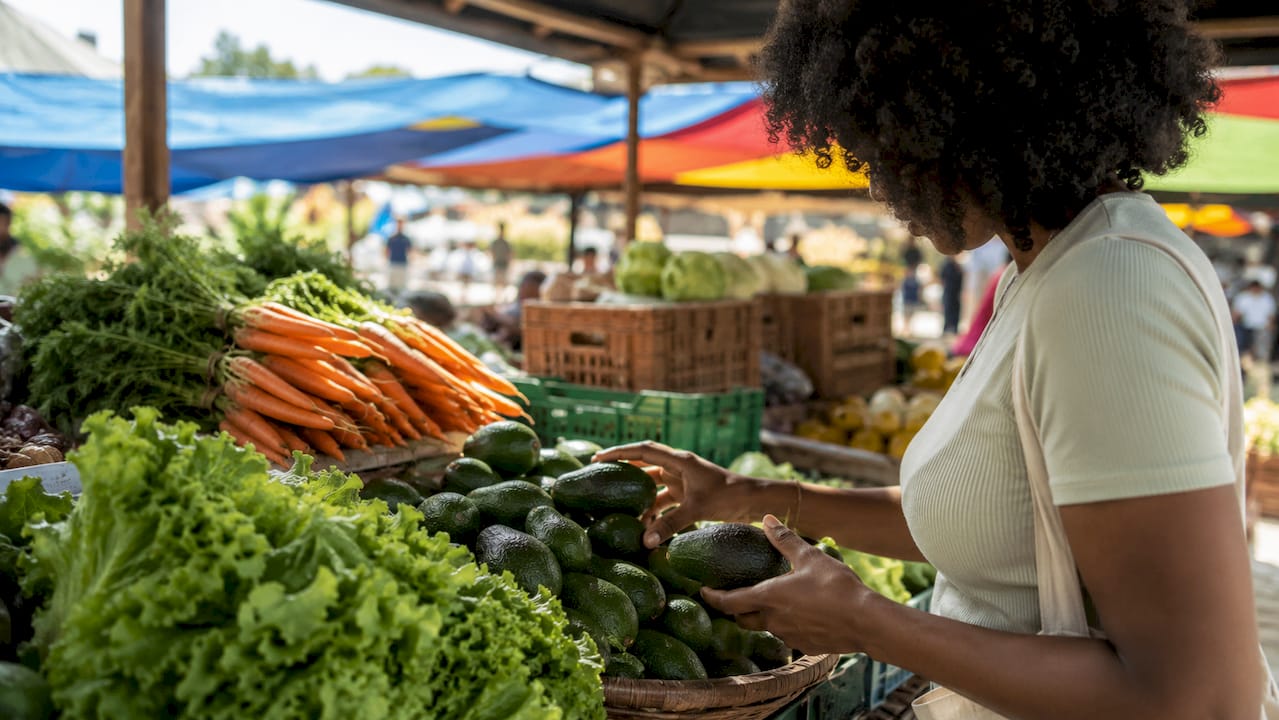
Multicultural grocery stores fill that gap directly. They carry fresh plantains, scotch bonnet peppers, jerk seasoning blends, cassava, and specialty cuts of meat that mainstream chains rarely stock. These are not novelty items. They are weekly staples for hundreds of thousands of Atlanta residents.
The benefits of diverse grocery options are to go beyond convenience. They connect shoppers to food traditions, reduce substitution compromises, and make cooking authentic dishes possible without ordering online. For Atlanta’s Caribbean and African communities especially, finding the right ingredient at a local store is a matter of cultural identity, not just preference.
Multicultural grocery formats are shifting from novelty to permanent retail staples, particularly with younger generations who actively seek bold, global flavors. That shift is visible in Atlanta’s grocery scene right now.
Pro Tip: When shopping at a multicultural or specialty store for the first time, ask staff about their most popular items. You will often find ingredients and flavor combinations that no standard chain carries at all.
Here is what Atlanta shoppers consistently find at specialty and ethnic markets that standard chains do not offer:
- Fresh whole fish and specialty seafood cuts prepared on-site
- Authentic Caribbean seasonings and marinades not available in mainstream aisles
- Tropical produce like breadfruit, ackee, and green bananas
- Halal and kosher meats processed to community standards
- Bulk grains, dried legumes, and spices at lower per-unit prices
Do specialty stores actually cost less than standard supermarkets?
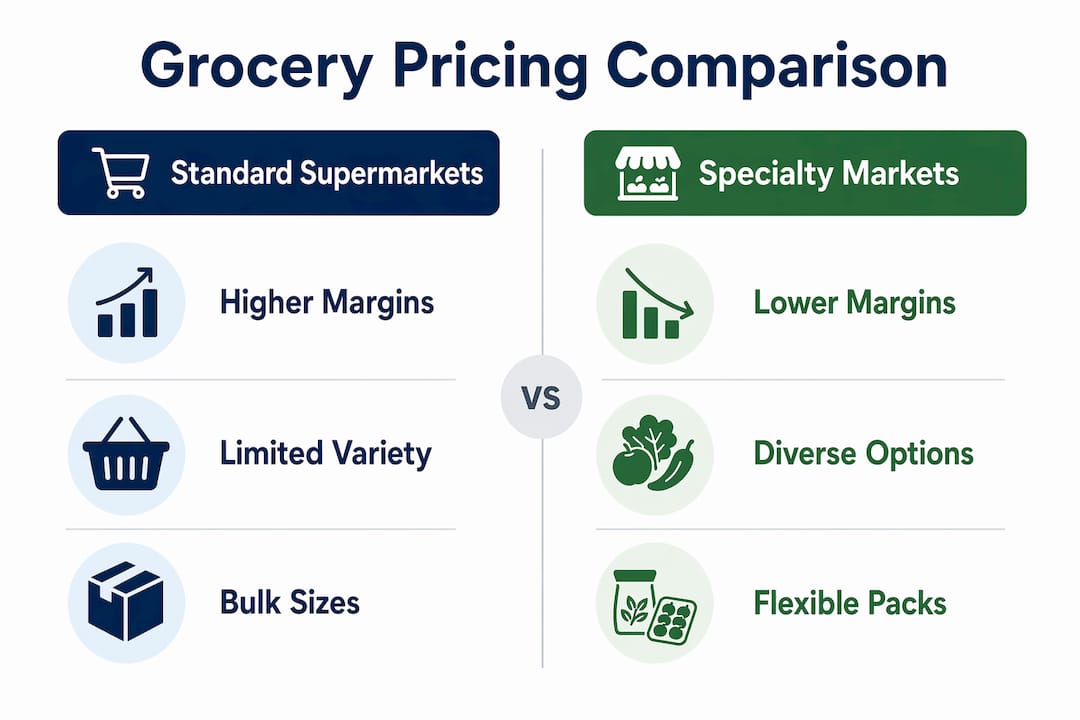
The short answer is yes, on the categories that matter most. Specialty grocers operate on a high-volume, lower-margin model for fresh produce, which means faster inventory turnover and fresher product at lower prices. Standard chains mark up produce heavily because their supply chains are longer and their shrinkage rates are higher.
Shoppers who shift 30% of their grocery list to ethnic or local markets can reduce monthly costs by over 40% on high-margin categories like produce and proteins. That is a meaningful number for any household budget. It also means you are getting better quality at the same time, not just a cheaper version of the same product.
Specialty grocers are outperforming traditional supermarkets in spending growth, with increases of 0.4% among high-income shoppers and 0.3% among middle-income shoppers as of early 2026. That growth signals a permanent shift, not a trend. Shoppers across income levels are choosing specialty stores more often.
| Category | Standard Supermarket | Specialty or Ethnic Market |
|---|---|---|
| Fresh produce pricing | Higher margins, longer supply chain | Lower margins, faster turnover |
| Meat quality | Standardized cuts, convenience markup | On-site butchers, specialty cuts |
| Product selection | Broad but generic SKU count | Focused, culturally specific items |
| Staff knowledge | General product training | Category-specific expertise |
| Pack sizes | Fixed, large format | Flexible sizes, bulk options |
Pro Tip: Buy your produce, fresh herbs, and proteins at specialty or ethnic markets. Use your standard supermarket for shelf-stable staples like canned goods, paper products, and cleaning supplies. That split alone covers most of the savings gap.
Specialty stores also carry exclusive SKUs and flexible pack sizes that big-box retailers cannot replicate at scale. A standard chain cannot offer a half-pound of dried ackee or a single scotch bonnet pepper. A specialty store can and does.
How does curation reduce decision fatigue at specialty stores?
Specialty stores act as trusted editors. They choose fewer products, but every product on the shelf earned its place. That is the opposite of a supercenter with thousands of SKUs across every category, where shoppers spend more time comparing labels than actually shopping.
Erewhon, the California-based specialty grocer, generates roughly $900,000 per week across just 11 stores. That number reflects what happens when a store commits fully to curation. Shoppers trust the selection and spend more per visit because the store has already done the filtering work.
Independent and specialty stores succeed by offering transparency, education, and authentic products, including tastings and knowledgeable staff. That staff knowledge is a real advantage. When a store employee can explain the difference between two varieties of dried chili or recommend the right cut of goat for a curry, the shopping experience becomes genuinely useful.
“The best grocery stores don’t give you everything. They give you exactly what you need, chosen by people who know the difference.”
The practical benefits of curation for Atlanta shoppers include:
- Shorter shopping trips because fewer irrelevant options compete for attention
- Higher confidence in product quality because the store has already vetted the selection
- Discovery of new ingredients through staff recommendations and in-store tastings
- Stronger connection to the store’s identity and community focus
Standard chains cannot replicate this. Their buying decisions are made at a corporate level, optimized for national distribution, not for the specific tastes of Atlanta’s Westside or Buford Highway corridor.
Practical tips for Atlanta shoppers to get the most from specialty stores
A hybrid shopping strategy is the most effective approach for most Atlanta households. Use a standard supermarket for staples like rice, pasta, canned tomatoes, and household supplies. Use specialty and ethnic markets for produce, proteins, cultural ingredients, and anything you want to be genuinely fresh.
- Shift 30% of your grocery list to specialty stores. Start with produce and proteins. Those two categories carry the highest margins at standard chains and the best quality at specialty markets.
- Build a relationship with a local butcher. Specialty stores with on-site butchers offer cuts and preparation styles that standard chains do not carry. Ask for the specific cut you need rather than accepting what is pre-packaged.
- Shop Buford Highway for the widest ethnic variety in Atlanta. The corridor is home to H-Mart, Dekalb Farmers Market, and dozens of Latin American, Asian, and Caribbean specialty stores within a short drive.
- Use neighborhood independent stores for weekly convenience. Stores like Tojexpress carry American and Caribbean products in a convenient format, so you do not need to drive across the city for everyday Caribbean staples.
- Ask about local sourcing relationships. Independent grocers build direct ties with local producers, which means fresher product and better supply chain reliability than large chains can offer.
The advantages of specialty food stores compound over time. Once you know which stores carry what, your weekly shopping becomes faster, cheaper on key categories, and far more satisfying. The goal is not to abandon standard supermarkets entirely. The goal is to stop defaulting to them for everything.
Key Takeaways
Variety beats standard grocery stores because specialty and multicultural stores deliver better quality, lower prices on key categories, and culturally authentic products that no national chain can match at scale.
| Point | Details |
|---|---|
| Spending is shifting | Consumers send 37% of grocery dollars to independent stores, driven by unique products and local support. |
| Specialty stores cost less on key items | Shifting 30% of your list to ethnic markets can cut costs by over 40% on produce and proteins. |
| Curation builds trust | Specialty stores stock fewer SKUs but vet every product, reducing decision fatigue and improving satisfaction. |
| Atlanta has strong specialty options | Buford Highway, H-Mart, and stores like Tojexpress give Atlanta shoppers real multicultural access. |
| Hybrid shopping works best | Use standard chains for staples and specialty stores for fresh produce, proteins, and cultural ingredients. |
Atlanta’s grocery scene deserves more than the default aisle
I have spent years watching Atlanta shoppers walk past some of the best food options in the South because they defaulted to the nearest big-box chain out of habit. The Buford Highway corridor alone has more culinary depth than most cities twice Atlanta’s size. Yet most residents have never set foot in a Korean grocery, a West African market, or a Caribbean convenience store stocked with the real thing.
The argument for variety is not just about saving money, though the savings are real. It is about what you actually eat. Standard chains sell a version of food designed for the widest possible audience. Specialty and multicultural stores sell food designed for people who actually cook it. That difference shows up in the flavor, the freshness, and the satisfaction of a meal made with the right ingredients.
What I find most compelling is the community dimension. When you shop at an independent store, you are supporting a local entrepreneur who knows their customers by name. That relationship does not exist at a national chain. Independent grocers build direct relationships with local producers, which means the money you spend stays closer to home and the product you receive is genuinely better.
Atlanta shoppers who have made the shift consistently say the same thing: they cannot imagine going back to a single-store routine. The variety is not overwhelming once you know where to look. It is clarifying.
— ANTONIO
Tojexpress brings authentic variety to Atlanta shoppers
Atlanta shoppers looking for American and Caribbean products in one place do not need to search across the city.
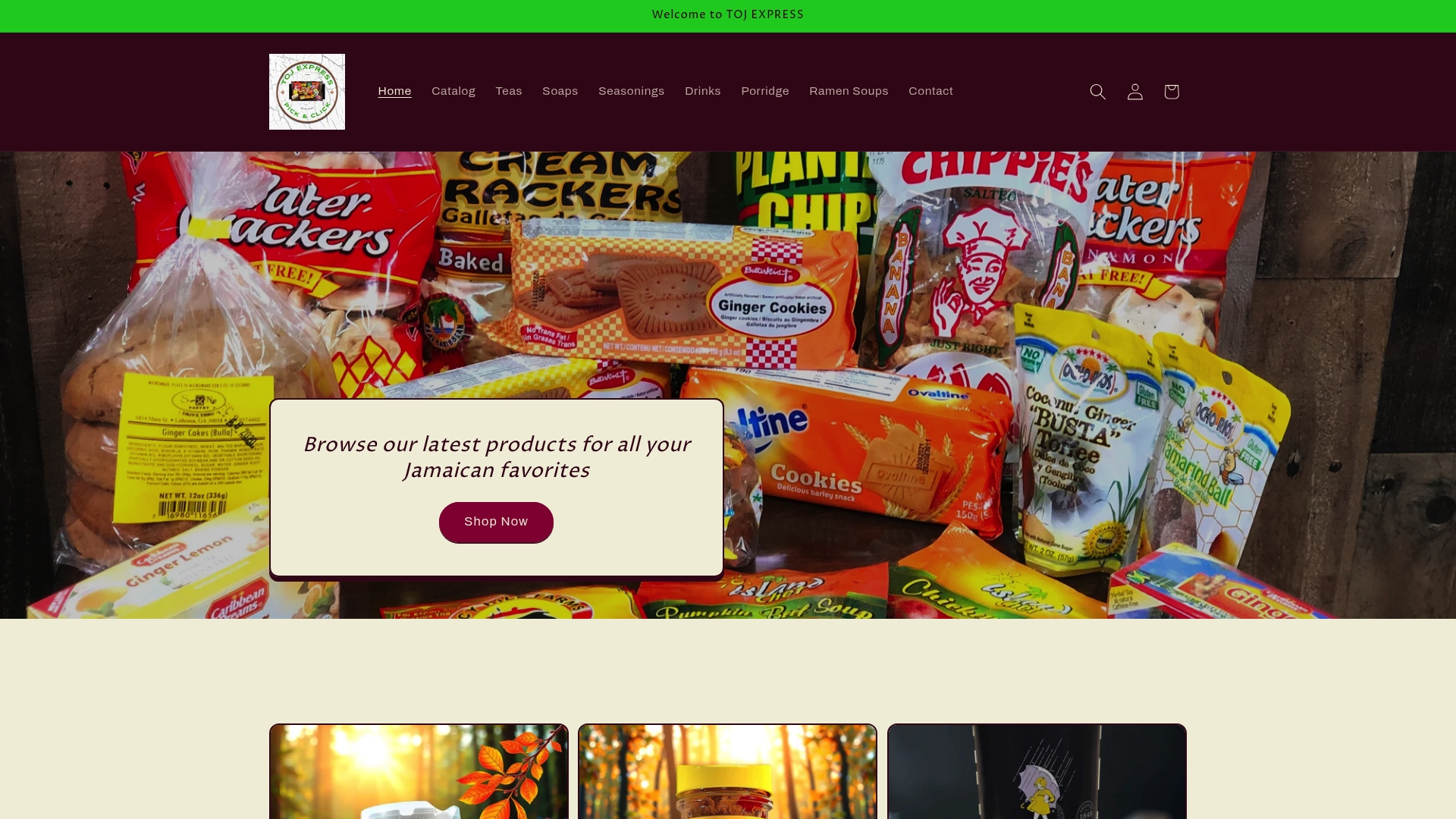
Tojexpress is a convenience store built for Atlanta’s multicultural community, stocking authentic Caribbean staples alongside American products in a format that fits your weekly routine. From jerk seasonings and tropical produce to everyday pantry items, Tojexpress curates its selection around what Atlanta’s Caribbean and American communities actually cook. You get the authentic cultural flavors of a specialty market without the long drive. Visit Tojexpress to see what is in stock and start shopping with real variety.
FAQ
Why do specialty stores often have better produce than standard chains?
Specialty stores operate on a high-volume, lower-margin model with faster inventory turnover. That means produce moves off shelves quickly and arrives fresher than at standard chains with longer supply chains.
Can shopping at ethnic markets actually save money?
Yes. Shifting 30% of your grocery list to ethnic or local markets can reduce costs by over 40% on high-margin categories like produce and proteins compared to mainstream stores.
What makes multicultural grocery stores different from standard supermarkets?
Multicultural stores carry culturally specific ingredients, flexible pack sizes, and specialty cuts of meat that national chains do not stock. They serve communities whose daily cooking needs go beyond what a standard chain offers.
Is a hybrid shopping strategy worth the extra effort?
A hybrid approach combining standard supermarkets for staples and specialty stores for fresh and cultural items is the most effective strategy for quality and savings. Most Atlanta shoppers find the routine becomes natural within a few weeks.
Where can Atlanta shoppers find Caribbean grocery products locally?
Stores like Tojexpress carry American and Caribbean products in a convenient Atlanta location. Buford Highway also hosts a wide range of multicultural markets covering Caribbean, Asian, Latin American, and African food traditions.