

Grocery Essentials List 2026: Save 30% Blending American & Caribbean
TOJEXPRESS.COM-Antonio HenrySuburban Georgian shoppers juggle a tough balancing act: stocking American staples their families expect while also sourcing authentic Caribbean ingredients that honor cultural roots. Rising grocery costs in 2026 compound the challenge, with average monthly spending reaching $370 per person. This curated list simplifies your shopping, saves money, and meets both nutritional and cultural demands without sacrificing flavor or budget.
Table of Contents
- How To Choose Your Grocery Essentials: Selection Criteria
- American Grocery Essentials: Staples For Your Pantry And Fridge
- Caribbean Grocery Essentials: Core Ingredients For Authentic Flavors
- Comparing Essentials: Cost, Availability, And Best Use Cases
- Shopping Tips For Convenience Store Buyers In Suburban Georgia
- Summary Comparison Table Of Key Grocery Essentials
- Situational Recommendations: Tailoring Your Grocery Essentials List
- Find Your Caribbean & American Grocery Essentials At Tojexpress
Key Takeaways
| Point | Details |
|---|---|
| Budget and culture balance | Combine American staples with Caribbean essentials to honor tradition and meet nutritional needs affordably. |
| Cost awareness matters | Average individual grocery spending hits $370 monthly in 2026, requiring careful prioritization. |
| Shelf life strategy | Mix fresh produce with pantry staples to reduce waste and minimize shopping trips. |
| Convenience store limits | Research local stock at stores like Tojexpress before shopping to avoid wasted trips. |
| Tailor your list | Adjust selections based on family size, meal frequency, and cultural preferences. |
How to Choose Your Grocery Essentials: Selection Criteria
Building a balanced grocery list in 2026 requires strategic thinking. The average U.S. household spends about $504 monthly on groceries, with individual spending approximating $370 per month. Location affects these figures significantly, especially in suburban Georgia where convenience stores dominate.
Balance fresh produce with long shelf life pantry items. This approach reduces waste while ensuring you have ingredients on hand for spontaneous meals. Consider availability at local convenience stores like Tojexpress when planning your list. Stock varies by location, so research what’s typically available before committing to recipes.
Include culturally relevant Caribbean staples alongside American basics. Plantains, beans, and special spices maintain authentic flavor profiles without breaking your budget. The Dietary Guidelines for Americans 2025-2030 emphasize nutrient-dense whole foods, which align perfectly with both American and Caribbean culinary traditions.
Prioritize items with longer shelf life to minimize shopping frequency. Canned goods, dried beans, and root vegetables store well and reduce spoilage risks. This strategy works especially well for convenience store shoppers who may not have access to weekly farmers markets.
Key selection factors include:
- Budget constraints and cost per serving
- Shelf life and storage requirements
- Nutritional value per dollar spent
- Cultural significance and meal versatility
- Local availability at nearby stores
Pro Tip: Create a master list of items your local convenience store reliably stocks, then build meal plans around those ingredients to avoid disappointment and wasted trips.
Learn to shop Caribbean groceries like a local by understanding seasonal availability and pricing patterns. Follow essential Caribbean grocery shopping tips to stretch your budget further. Discover how to save 15% on Caribbean foods through strategic purchasing. Understand why consumers increasingly prefer Caribbean groceries for health and cultural reasons.
American Grocery Essentials: Staples for Your Pantry and Fridge
American grocery staples form the foundation of most suburban households. Affordable American protein staples for a $100 grocery trip include ground beef (2 lbs), chicken breasts (3-4 lbs), and a dozen eggs, amounting to about $30 of the budget. These proteins offer versatility for everything from quick breakfasts to family dinners.
Produce choices balance nutrition with affordability. Apples, bananas, carrots, onions, potatoes, and lettuce appear consistently in budget-conscious carts. They provide essential vitamins and fiber while remaining accessible year-round at most convenience stores.
Pantry staples maximize meal variety on limited budgets. Whole wheat bread, white rice, pasta, marinara sauce, cereal, and peanut butter deliver filling calories and nutritional value. These items store well and serve as base ingredients for countless recipes.
Dairy staples complete the nutritional picture:
- Milk for calcium and vitamin D
- Butter for cooking and flavor
- Cheese for protein and versatility
- Yogurt for probiotics and snacks
Pro Tip: Buying whole wheat options and prioritizing fresh produce supports the nutritional goals outlined in federal dietary guidelines while keeping your family satisfied.
Protein allocation typically consumes about 30% of a grocery budget. The remaining 70% splits between produce, pantry staples, and dairy products. This distribution ensures balanced nutrition without overspending on premium cuts of meat.
Ground beef stretches further than steak in casseroles, tacos, and pasta dishes. Chicken breasts adapt to grilling, baking, or stir-frying with minimal prep. Eggs provide the ultimate budget protein, working for breakfast, lunch, dinner, or baking.
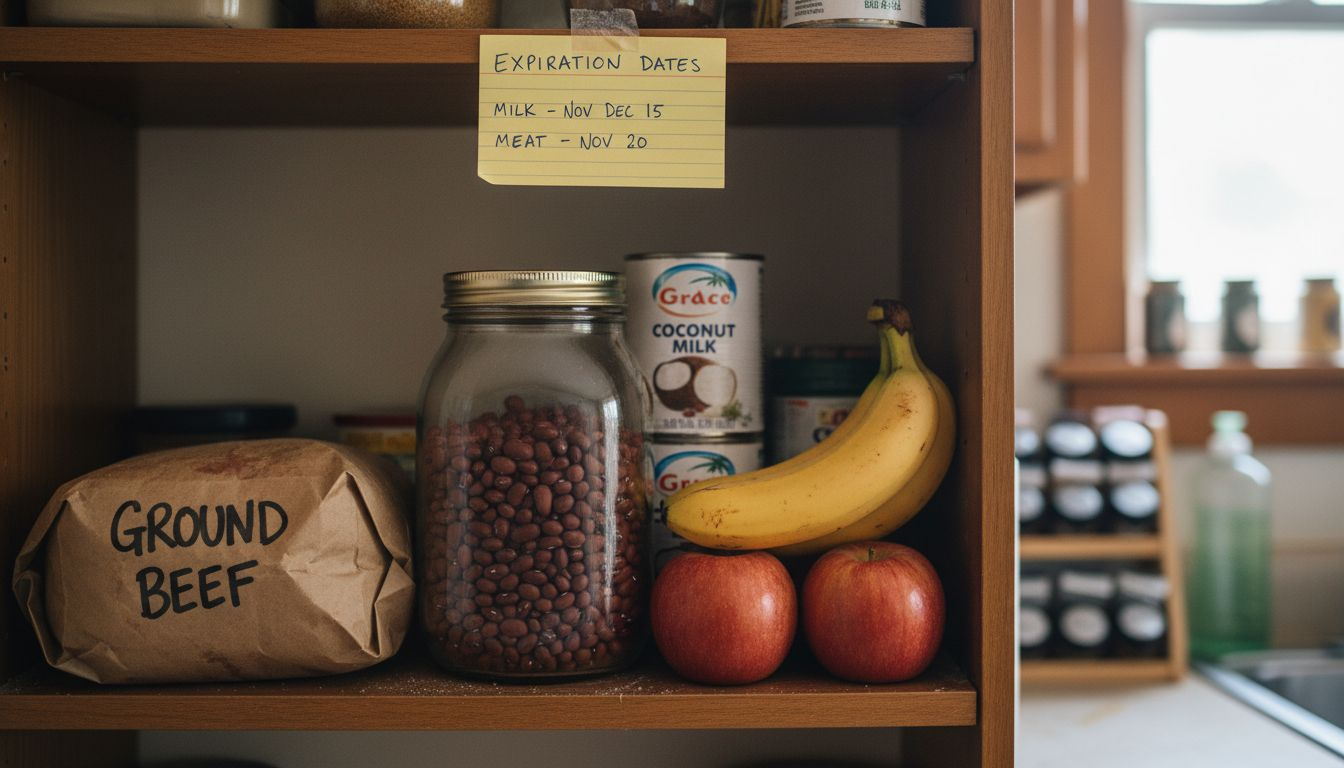
Apply shopping tips for American and Caribbean groceries when building your pantry. Understand Caribbean grocery needs to see how American staples complement traditional island cooking.
Caribbean Grocery Essentials: Core Ingredients for Authentic Flavors
Caribbean grocery essentials include rice and peas (black or kidney beans), all-purpose seasoning, plantains, coconut milk, scotch bonnet peppers, cassava, and yams. These ingredients create authentic flavor profiles that connect suburban Georgian families to Caribbean heritage.
Rice varieties matter for traditional dishes. Long grain white rice works for everyday meals, while Jasmine or Basmati rice adds fragrant authenticity to special preparations. Black beans and kidney beans form the foundation of rice and peas, a cornerstone Caribbean side dish.
Spices deliver signature Caribbean flavor without requiring fresh ingredients:
- All-purpose seasoning blends multiple spices efficiently
- Scotch bonnet peppers provide authentic heat
- Dried thyme and bay leaves add depth
- Curry powder enables quick flavor building
Produce choices center on starchy vegetables and tropical fruits. Plantains offer versatility from sweet to savory preparations depending on ripeness. Cassava and yams provide authentic textures that potatoes cannot replicate in traditional Caribbean recipes.
Shelf life advantages emerge from canned and dried options. Canned coconut milk stores indefinitely and costs less than fresh coconuts. Dried beans require soaking but cost 40-60% less than canned versions. Root vegetables last weeks in cool, dark storage.
Pricing varies by season and supplier. Many Caribbean staples remain affordable year-round, especially dried goods and canned items. Fresh produce like plantains may fluctuate based on import availability, but convenience stores with Caribbean focus typically maintain consistent stock.
Canned coconut milk and dried beans offer budget-friendly, long-lasting options that deliver authentic flavor. These items let you prepare traditional meals without frequent shopping trips or premium prices.
Explore Caribbean grocery authenticity and health benefits to understand why these ingredients matter nutritionally. Discover why Caribbean products are trending among health-conscious suburban shoppers.
Comparing Essentials: Cost, Availability, and Best Use Cases
Smart shoppers compare options before committing to purchases. Rice choices illustrate this clearly: white long grain rice is 20-50% cheaper than Jasmine/Basmati rice, but the aromatic varieties deliver authentic Caribbean flavor. Budget determines which option makes sense for your household.
Bean comparisons reveal similar tradeoffs. Dried beans cost significantly less but require overnight soaking and extended cooking. Canned beans offer convenience at higher prices, perfect for weeknight meals when time matters more than pennies.
| Item Category | Budget Option | Premium Option | Best Use Case |
|---|---|---|---|
| Rice | White long grain ($2-3/lb) | Jasmine/Basmati ($4-6/lb) | Everyday vs special meals |
| Beans | Dried ($1-2/lb) | Canned ($1-2/can) | Planned vs quick cooking |
| Protein | Eggs ($3-5/dozen) | Chicken breasts ($4-7/lb) | Breakfast vs dinner entrees |
| Produce | Potatoes ($2-4/5lb) | Plantains ($0.50-1.50/each) | American vs Caribbean sides |
Protein sources split between cost-effective and premium options. Eggs deliver unbeatable value at $0.25-0.42 per serving. Ground chicken costs less than chicken breasts while offering similar versatility. Beef prices climb highest but satisfy specific recipe requirements.
Fresh produce requires more frequent shopping than canned or dried alternatives. Lettuce wilts within days, while canned tomatoes last years. This impacts shopping frequency and waste levels significantly for convenience store shoppers without daily access to fresh options.
Convenience store availability limits specialty Caribbean items compared to American staples. Most suburban Georgia stores stock eggs, bread, and milk reliably. Plantains, scotch bonnet peppers, and cassava appear less consistently, requiring flexibility or multiple store visits.
Best use scenarios by shopper type:
- Budget-conscious families: dried beans, eggs, white rice, seasonal produce
- Convenience seekers: canned beans, pre-cut vegetables, chicken breasts, quick-cook rice
- Caribbean recipe focus: plantains, specialty rice, authentic spices, root vegetables
- Health-focused shoppers: fresh produce, whole grains, lean proteins, minimal processing
Apply tips for finding Caribbean groceries when sourcing harder-to-find items. Understand how grocery supply chains in Atlanta affect product availability at your local convenience store.
Shopping Tips for Convenience Store Buyers in Suburban Georgia
Convenience stores in suburban Georgia typically stock a mix of American staples and a limited range of Caribbean specialty products. Understanding these limitations helps you shop efficiently without disappointment. Core American basics like bread, milk, and eggs appear universally, while Caribbean staples depend on store size and customer demographics.
Prioritize must-have items you know the store reliably stocks. Building meal plans around confirmed availability prevents wasted trips and backup purchases at higher prices. Call ahead or check online inventories when possible, especially for specialty Caribbean ingredients.
Stretch budgets through strategic purchasing:
- Choose store brands for staples like rice, beans, and canned goods
- Buy larger quantities of non-perishables when prices drop
- Compare unit prices rather than package prices
- Substitute fresh with frozen or canned when appropriate
Learn to identify quality Caribbean products locally. Fresh plantains should feel firm with minimal black spots for cooking, or heavily spotted for sweet preparations. Root vegetables should feel dense and show no soft spots or sprouting.
Balance fresh produce purchases with shelf-stable items. Buy only what you’ll use within 3-5 days for leafy greens and soft fruits. Stock up on canned tomatoes, dried beans, and frozen vegetables for backup meal options.
Pro Tip: Visit multiple convenience stores or specialized markets if your primary store lacks Caribbean selection. The extra trip often pays off in authenticity and variety.
Seasonal deals and restock patterns vary by store. Many convenience stores receive deliveries on specific weekdays. Shopping shortly after delivery ensures freshest produce and fullest selection. Ask staff about delivery schedules to optimize your timing.
Store loyalty programs and digital coupons reduce costs without extra effort. Sign up for email lists or download apps from your preferred convenience stores. These tools often provide exclusive discounts on both American and Caribbean essentials.
Follow proven strategies for shopping Caribbean groceries in Atlanta. Learn how grocery stores support Atlanta’s role in diversity and cultural food access. Apply tips for Caribbean grocery shopping to maximize value and authenticity.
Summary Comparison Table of Key Grocery Essentials
| Item | Category | Approx Cost | Shelf Life | Main Uses | Convenience Store Availability | Nutrition Highlights |
|---|---|---|---|---|---|---|
| Eggs | American Protein | $3-5/dozen | 3-5 weeks | Breakfast, baking, quick meals | Universal | Complete protein, vitamin D |
| Chicken breasts | American Protein | $4-7/lb | 1-2 days fresh | Grilling, baking, stir-fry | Universal | Lean protein, B vitamins |
| White rice | American Pantry | $2-3/lb | 2+ years | Side dishes, casseroles | Universal | Energy, iron fortified |
| Canned beans | Both | $1-2/can | 2-5 years | Sides, soups, salads | Universal | Fiber, plant protein |
| Dried beans | Caribbean Pantry | $1-2/lb | 1-2 years | Traditional rice and peas | Common | High fiber, iron |
| Plantains | Caribbean Produce | $0.50-1.50/each | 5-7 days | Fried, boiled, baked sides | Variable | Potassium, vitamin C |
| Jasmine rice | Caribbean Pantry | $4-6/lb | 2+ years | Authentic Caribbean dishes | Common | Aromatic, energy |
| Coconut milk | Caribbean Pantry | $2-4/can | 1-2 years | Curries, soups, desserts | Variable | Healthy fats, iron |
| Cassava | Caribbean Produce | $2-4/lb | 1-2 weeks | Boiled, fried traditional sides | Rare | Complex carbs, vitamin C |
| All-purpose seasoning | Caribbean Pantry | $3-6/bottle | 1-2 years | Universal Caribbean flavoring | Common | Sodium, mixed herbs |
This comparison highlights the accessibility difference between American staples and Caribbean essentials. Universal items like eggs and white rice appear in virtually every convenience store. Caribbean produce and specialty seasonings require more selective shopping or online ordering.
Situational Recommendations: Tailoring Your Grocery Essentials List
Your grocery list should reflect your household’s unique needs. Generic recommendations miss the mark when family size, dietary preferences, and cultural priorities vary widely. These situational guides help you customize effectively.
-
Budget-conscious small families (1-2 people) should focus on eggs, ground chicken, white rice, and canned beans. These items minimize waste through long shelf life while delivering complete nutrition. Avoid bulk purchases of fresh produce that spoil before consumption.
-
Caribbean recipe preparation requires specific ingredients for authentic results. Stock Jasmine or Basmati rice, black or kidney beans, plantains at varying ripeness, all-purpose seasoning, and scotch bonnet peppers. Canned coconut milk and dried thyme complete most traditional recipes.
-
Quick American weeknight dinners benefit from convenience-focused selections. Chicken breasts, eggs, pre-cut vegetables, pasta, and marinara sauce enable 20-30 minute meals. Frozen vegetables substitute for fresh when time matters more than texture.
-
Health-focused shoppers prioritize fresh produce, whole grains, lean proteins, and minimal processed foods per federal dietary guidelines. Choose whole wheat bread over white, fresh vegetables over canned when possible, and limit sodium-heavy seasonings. Read labels carefully on packaged goods.
-
Adjust lists seasonally and by store availability to maintain variety without frustration. Summer offers better fresh produce prices and selection. Winter favors canned and frozen options. Track your local convenience store’s stocking patterns over several months to identify reliable items.
Pro Tip: Flexibility helps you adapt to seasonal changes or stock variations without compromising dietary goals. Having backup options for key ingredients prevents meal plan failures.
Family size dramatically impacts purchasing strategy. Singles and couples should buy smallest available packages to reduce waste. Families of four or more benefit from bulk purchasing and batch cooking. Calculate serving sizes before committing to large quantities.
Dietary restrictions require careful label reading. Gluten-free households substitute rice-based products for wheat items. Lactose-intolerant families skip dairy or choose lactose-free alternatives. Vegetarians emphasize bean-based proteins over meat options.
Explore health benefits of Caribbean groceries to understand nutritional advantages. Caribbean staples often provide superior fiber, vitamins, and minerals compared to heavily processed American alternatives.
Find Your Caribbean & American Grocery Essentials at Tojexpress
Tojexpress simplifies grocery shopping for suburban Georgian families seeking both American staples and authentic Caribbean ingredients. Our curated selection eliminates the frustration of visiting multiple stores or settling for substitutes that compromise flavor. Competitive pricing means your budget stretches further without sacrificing quality or cultural authenticity.

Shop online for convenient home delivery or visit our location for hands-on selection. Our knowledgeable staff understands both American and Caribbean culinary traditions, offering recommendations tailored to your cooking style and dietary needs. Browse expert guides on meal planning, ingredient substitutions, and cultural cooking techniques.
Explore general grocery essentials at Tojexpress to build your complete shopping list. Follow our local Caribbean grocery shopping tips for insider knowledge on finding the best products. Discover how Caribbean products boost flavor and culture in everyday meals while maintaining nutritional standards.
Our inventory includes everything from everyday American proteins and produce to specialty Caribbean spices and root vegetables. Seasonal promotions and loyalty rewards reduce costs on items you purchase regularly. Join our community of suburban Georgian shoppers who refuse to choose between cultural authenticity and budget consciousness.
FAQ
What are the most affordable protein options on a 2026 grocery budget?
Eggs deliver unbeatable value at $3-5 per dozen, providing 12 servings of complete protein. Ground chicken costs less per pound than chicken breasts while offering similar versatility for tacos, pasta, and casseroles. Combining these proteins with pantry staples like beans and rice creates filling, economical meals that satisfy both American and Caribbean palates.
How can I find authentic Caribbean ingredients in suburban Georgia convenience stores?
Look for canned beans, dried spices, and root vegetables which have longer shelf lives and appear more consistently in convenience store inventory. Plantains, all-purpose seasoning, and coconut milk typically stock at stores serving diverse communities. Visiting multiple convenience stores or using online resources like Tojexpress increases your chances of finding specialty products without driving across town repeatedly.
What strategies help reduce food waste when shopping for both American and Caribbean staples?
Balance fresh produce purchases with canned and dried items to extend usability across weeks rather than days. Plan meals around shelf life, using fresh ingredients early in the week and shelf-stable options later. Buy only what you’ll realistically consume within the storage window for each item, avoiding bulk purchases of perishables that seem economical but end up spoiling.
Are there budget-friendly substitutes for hard-to-find Caribbean ingredients?
Use locally available spices and canned beans as substitutes when specialty items are unavailable. Regular long grain rice replaces Jasmine or Basmati in most recipes without drastically altering flavor. Dried or frozen produce substitutes for fresh specialty items when scarcity drives prices too high. Canned coconut milk costs less than fresh coconuts while delivering comparable results in curries and soups.