

Discover Authentic Caribbean Soup: Flavors and Recipes
TOJEXPRESS.COM-Antonio HenryTL;DR:
- Caribbean soups are diverse, hearty meals with regional ingredients and cultural significance.
- Authentic recipes involve layered flavors, slow simmering, and specific regional ingredients.
- They are practical, satisfying everyday dishes suited for home cooking in Atlanta.
Caribbean soup is one of the most misunderstood food traditions in the world. Most people picture a single steaming bowl with a vague island vibe, but the reality is far richer. The Caribbean region’s soup tradition spans dozens of distinct recipes rooted in African, Indigenous, and European culinary histories, each shaped by the land and people of a specific island or country. For Atlanta food lovers curious about bold flavors and deeply satisfying meals, understanding this tradition opens a door to some of the most rewarding cooking you’ll ever do at home.
Table of Contents
- What defines Caribbean soup?
- Iconic Caribbean soups by island
- Common ingredients and where to find them in Atlanta
- Cooking techniques and serving traditions
- Why Caribbean soups deserve a spotlight in every Atlanta kitchen
- Explore, cook, and enjoy authentic Caribbean soups today
- Frequently asked questions
Key Takeaways
| Point | Details |
|---|---|
| Diverse traditions | Caribbean soups are regionally diverse, each island bringing unique flavors and ingredients. |
| Hearty and flavorful | These soups are complete meals, with bold seasonings and nourishing staples like ground provisions. |
| Accessible cooking | With the right ingredients, making authentic Caribbean soups in Atlanta is achievable for any home cook. |
| Cultural connection | Each soup tells a story, connecting you to Caribbean history and celebration through every bowl. |
What defines Caribbean soup?
At its heart, Caribbean soup is not a single recipe. It’s a framework built around a handful of core ingredients that shift depending on where you are in the region. Learning that framework is the first step to cooking anything authentic.
The key building blocks include:
- Ground provisions: Yams, cassava, dasheen, green bananas, and potatoes form the starchy backbone of most recipes.
- Peas and beans: Red kidney beans, black-eyed peas, and pigeon peas appear across many island variations.
- Meat and seafood: Goat, beef, chicken, salted pigtail, oxtail, and fresh fish all feature prominently depending on the island.
- Pumpkin: A staple thickening agent that adds color, sweetness, and body to the broth.
- Dumplings: Spinners (long thin dumplings) or flat dumplings show up in Jamaican and Eastern Caribbean recipes as a filling addition.
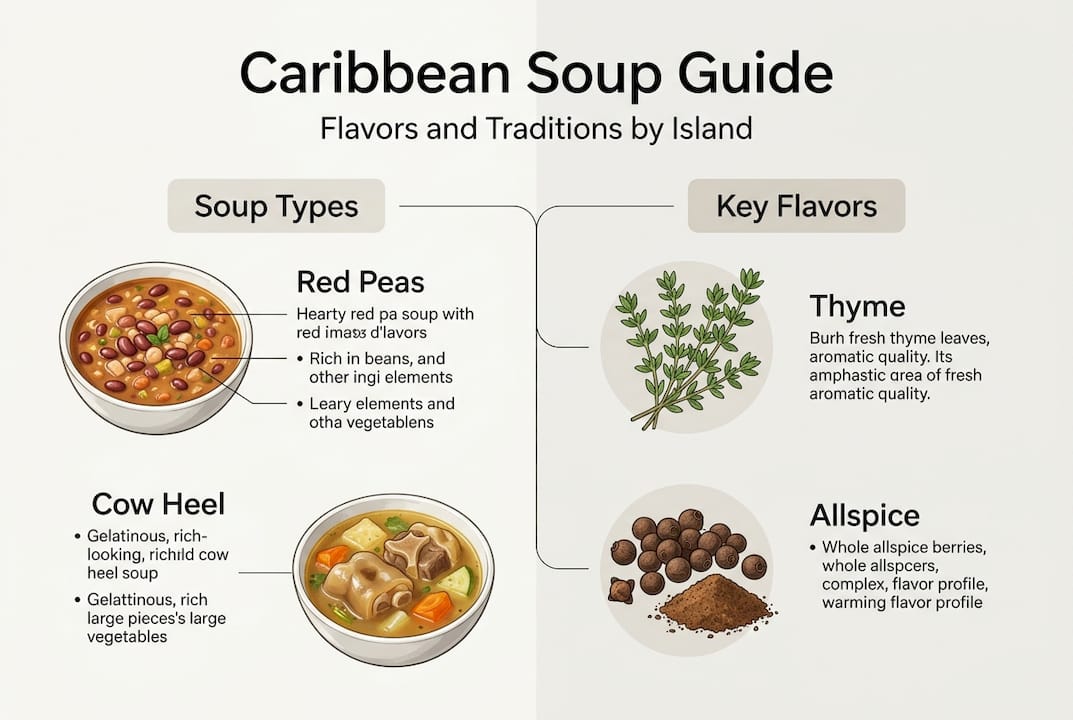
The herbs and spices are just as important. Thyme, scallion, pimento (allspice), and Scotch bonnet pepper are the classic quartet. Mastering Caribbean spice basics early on will dramatically improve your results.
What separates Caribbean soup from, say, a French onion or an Asian broth soup is its intention. Most Caribbean soups are full meals. They’re designed to satisfy and sustain, not simply to start a dinner. This connects to the Caribbean stew traditions that evolved out of necessity and community cooking across centuries.
A common misconception is that every Caribbean soup is fiery hot. Many are mild or only gently spiced. The Scotch bonnet adds heat in some recipes but is sometimes added whole and removed before serving, giving aroma without intense spice.
“The best Caribbean soups are built in layers. You can’t rush the pot and expect depth.”
Pro Tip: Start by mastering one base before trying to recreate an entire regional recipe. Pumpkin broth or red peas soup are ideal starting points because their flavor profiles teach you how layering works in Caribbean cooking.
Iconic Caribbean soups by island
Building on the basics, it’s time to explore how each island adds its local twist to soup. The regional variety across islands is genuinely stunning, with over a dozen signature styles documented across the region.
Here are five of the most celebrated examples:
- Jamaican red peas soup: Rich, hearty, and made with kidney beans, salted pig tails, yam, dumplings, and coconut milk. Saturday is soup day in Jamaica, and this is the dish most families make.
- Trinidad corn soup: A street food staple made with split peas, corn on the cob, dumplings, and bold seasonings. It’s thick, bold, and sold from roadside stalls across the island.
- Haitian joumou: A pumpkin-based soup eaten every January 1st to commemorate Haiti’s independence. It carries enormous national significance and is deeply tied to Caribbean holiday specialties.
- Guyanese pepperpot: A dark, intensely flavored stew-soup made with cassareep (a thick cassava-based sauce) and various meats. It’s a Christmas tradition in Guyana.
- Dominican sancocho: A multi-meat soup with root vegetables and a savory broth, common across the Dominican Republic and wider Latin Caribbean.
| Soup | Country | Base | Key Occasion |
|---|---|---|---|
| Red peas soup | Jamaica | Kidney beans, coconut milk | Saturday ritual |
| Corn soup | Trinidad | Split peas, corn | Everyday street food |
| Joumou | Haiti | Pumpkin | New Year’s Day |
| Pepperpot | Guyana | Cassareep, mixed meats | Christmas |
| Sancocho | Dominican Republic | Mixed meats, root veg | Family gatherings |
Each of these soups tells a story about the influences on Caribbean cuisine, from Indigenous root vegetables to African cooking methods and European seasoning traditions. No two islands cook the same pot.
Common ingredients and where to find them in Atlanta
Now that you know what goes into these soups, let’s make sourcing authentic ingredients easier, especially for Atlanta cooks. The good news is that Atlanta’s diverse food scene makes it one of the best cities outside the Caribbean to find specialty ingredients.
The key local ingredients like ground provisions, pimento, and Scotch bonnet peppers are increasingly available if you know where to look.
| Ingredient | Where to find in Atlanta | Substitute if unavailable |
|---|---|---|
| Scotch bonnet pepper | Caribbean grocers, Buford Highway farmers market | Habanero (similar heat) |
| Dasheen/taro root | International supermarkets | Russet potato (mild flavor) |
| Salted pigtail or beef | Caribbean specialty stores | Smoked ham hock |
| Caribbean pumpkin (calabaza) | Latin or Caribbean grocery stores | Butternut squash |
| Dried kidney beans | Most major grocery stores | Canned kidney beans |
| Pimento seeds (allspice) | Whole Foods, international grocers | Ground allspice |
For Atlanta cooks building their pantry, shopping for Caribbean groceries at dedicated Caribbean stores is the most reliable approach. Many of these shops carry hard-to-find items like cassareep, dried pimento berries, and authentic Caribbean seasonings in bulk.
Knowing your Caribbean seasonings in Atlanta helps you avoid generic substitutes that flatten the flavor. The seasoning blends used in Caribbean cooking are specific, and pre-mixed options designed for these soups can save time without sacrificing authenticity.
- Buy whole Scotch bonnets and freeze extras. They hold heat and aroma well.
- Purchase salted meats from a Caribbean store rather than substituting fresh cuts without soaking.
- Learn your essential Caribbean spices list so you’re never missing a critical ingredient mid-cook.
Pro Tip: International grocery stores along Buford Highway in Atlanta are gold mines for roots, spices, and specialty meats. Many Caribbean ingredients are also found in Latin American grocery sections since the flavor profiles overlap significantly.
Cooking techniques and serving traditions
With your pantry stocked, learning core cooking and serving techniques is the next step to authentic soup mastery. Caribbean soups reward patience. The techniques are simple but the timing and layering are everything.
Here’s a step-by-step breakdown of how authentic Caribbean soup typically comes together:
- Season the pot: Heat oil and bloom your aromatics, scallion, thyme, pimento, and garlic, before adding anything else.
- Brown the meat: If using goat, oxtail, or beef, brown it first to build a deep base flavor. Salted meats should be soaked overnight to reduce salt before going into the pot.
- Build the broth: Add water or coconut milk depending on the recipe. Bring to a boil, then drop to a steady simmer.
- Add ground provisions: Roots and tubers go in next since they need the most time. Yam, cassava, and dasheen typically take 30 to 45 minutes to fully soften.
- Layer in peas and pumpkin: Pumpkin breaks down and thickens the broth naturally. Add it when provisions are halfway cooked.
- Drop dumplings last: Spinners or flat dumplings cook quickly and should be added in the final 15 to 20 minutes.
The preparation techniques of slow simmering and layering flavors are what give authentic Caribbean soup its character. Rushing the process produces thin, one-dimensional results.
“In Caribbean homes, soup is not just food. It’s the reason the family comes together on a Saturday morning.”
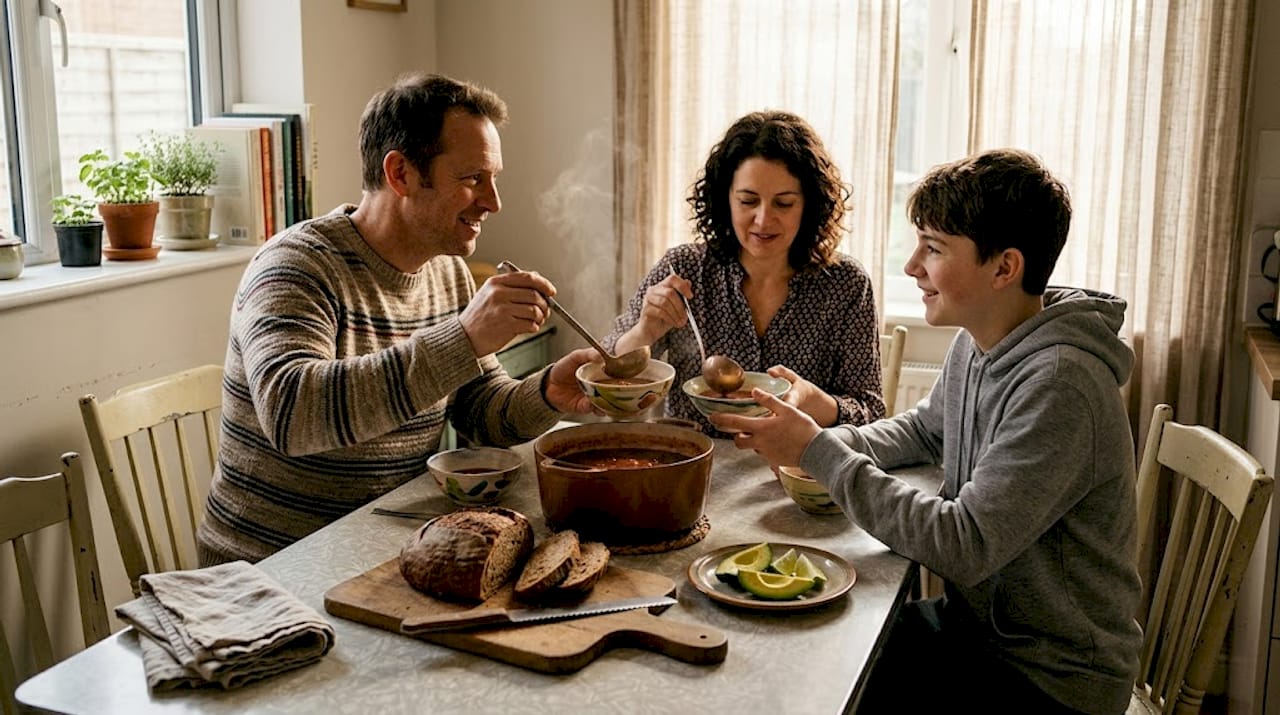
Serving customs vary by island but always carry cultural weight. Jamaican red peas soup is a Saturday morning ritual. Joumou is served on New Year’s Day as both a meal and a symbol of freedom. Pepperpot stretches across Christmas week in Guyana, often simmering on the stove for days.
For easy weeknight versions, Caribbean frozen foods and packaged Caribbean foods can help you get started without a full Sunday of cooking.
Why Caribbean soups deserve a spotlight in every Atlanta kitchen
Here’s the perspective most guides skip: Caribbean soups are not exotic weekend projects. They’re some of the most practical, adaptable, and deeply satisfying everyday meals you can make.
The conventional view treats these soups as occasion food or restaurant-only experiences. That undersells them completely. A pot of Jamaican chicken soup costs less to make than a takeout order, feeds more people, and tastes better the next day. These soups reheat beautifully, adapt to whatever proteins and roots you have on hand, and scale up effortlessly for gatherings.
Atlanta’s food culture is already adventurous. The city embraces global flavors, and Caribbean soups fit that energy perfectly. Starting a “Soup Saturday” tradition at home, inspired by Caribbean culture, is not just a fun idea. It’s a way to build connection through food. Check out Caribbean seasonal products to find the freshest ingredients for your next pot. Try one new Caribbean soup this season and you’ll understand why these recipes have survived for generations.
Explore, cook, and enjoy authentic Caribbean soups today
If you’re ready to put all this knowledge into practice, here’s how you can take the next step.

At TOJ Express, we carry a wide selection of authentic Caribbean and American products that make cooking these soups at home easier than ever. From shop Caribbean ingredients and recipes to specialty seasonings and hard-to-find pantry staples, everything you need is in one place. Whether you’re making your first pot of red peas soup or experimenting with a Trinidadian corn soup recipe, we’ve got you covered. Explore our product selection, browse recipes and cultural guides, and bring the bold, comforting flavors of the Caribbean straight to your Atlanta kitchen.
Frequently asked questions
What are the most popular Caribbean soups?
Jamaican chicken or red peas soup, Trinidad corn soup, Haitian joumou, and Guyanese pepperpot are among the best-known, each with its own unique ingredients and history.
Are Caribbean soups always spicy?
Not all Caribbean soups are spicy. The variation in spice level depends on the island and recipe, with some mild and others featuring Scotch bonnet peppers for added kick.
Where can I buy Caribbean soup ingredients in Atlanta?
Specialty Caribbean grocers and larger international supermarkets in Atlanta stock essentials like yams, pumpkins, salted meats, and spices. Buford Highway is a great starting point.
What makes Caribbean soup different from other world soups?
Caribbean soups are hearty full meals loaded with ground provisions, dumplings, and bold herbs, blending influences from African, Indigenous, and European culinary traditions in ways that are truly unlike anything else.