
Food education for healthier Atlanta cooking in 2026
TOJEXPRESS.COM-Antonio HenryTL;DR:
- Food education combines hands-on culinary skills, food literacy, and cultural relevance to improve healthy eating behaviors. Programs show significant increases in fruit and vegetable intake, confidence, and food safety knowledge. Culturally adapted, group-based workshops are most effective, especially when focusing on community support and familiar traditions.
Most people know they should eat more vegetables and cook at home more often. But knowing and doing are very different things. Food literacy interventions like hands-on cooking workshops drive real increases in fruit and vegetable intake, cut down ultra-processed food consumption, and build better food safety habits. In Atlanta, where Caribbean flavors mix with Southern traditions and fast food is everywhere, food education is the practical bridge between good intentions and genuine change. This guide breaks down what food education really is, what the research shows, and how you can put it to work in your own kitchen.
Table of Contents
- What is food education and why does it matter?
- How food education changes your kitchen habits
- Best approaches to food education: hands-on, cultural, and group-driven
- Cultural adaptation in food education: Why it matters for Atlanta and Caribbean cuisine
- Applying food education: Actionable steps for Atlanta home cooks
- Food education in Atlanta: Our experience and the missing piece
- Ready to elevate your Atlanta food journey?
- Frequently asked questions
Key Takeaways
| Point | Details |
|---|---|
| Hands-on learning works | Skill-based food education drives real improvements in cooking habits and dietary choices. |
| Cultural relevance boosts engagement | Programs tailored to Caribbean and local traditions are more likely to be embraced and sustained. |
| Change happens quickly | Many participants report noticeable results in confidence and eating habits within 4–12 weeks. |
| Action beats awareness | Practical steps—like joining local classes or using online tools—matter more than general nutrition advice. |
| Atlanta resources abound | Numerous local programs, shops, and online guides make food education accessible for health-focused home cooks. |
What is food education and why does it matter?
Food education is not a lecture about the food pyramid. It is hands-on culinary learning, food literacy, and real skill-building that actually changes what ends up on your plate. Think knife skills, reading nutrition labels, shopping smart at a multicultural market, and understanding how to store food safely. It goes far deeper than being told to “eat more greens.”
Here is what food education actually covers:
- Culinary skills: Cooking techniques, recipe adaptation, and building confidence in the kitchen
- Food literacy: Understanding labels, ingredients, and where food comes from
- Smart shopping: Knowing how to stretch your grocery budget without sacrificing nutrition
- Kitchen safety: Safe food handling, storage, and prep practices
- Cultural connection: Reviving heritage recipes and understanding how traditional ingredients support health
For Atlanta home cooks, this is especially powerful. The city is full of Caribbean grocery stores, international markets, and diverse food communities. But without the skills to navigate them confidently, many shoppers stick to what is familiar, even if it is not what is healthiest. Culinary workshops improve not just knowledge but actual behavior, including better food choices at home.
“Food education fills the gap between awareness and action. You can know every nutritional fact and still not know how to cook a balanced meal from scratch.”
For anyone curious about putting Caribbean-inspired meals to work for their health, exploring healthy Caribbean food tips is a great starting point. The combination of fresh produce, legumes, and bold spices makes Caribbean cooking a natural fit for health-focused home cooks.
How food education changes your kitchen habits
The results from food education programs are not subtle. In structured workshops, over 90% of participants increase their fruit, vegetable, and whole grain intake. Eighty-one percent report greater confidence in making healthy meals. These are not small numbers.
Here is a snapshot of what the data shows:
| Outcome measured | Typical improvement |
|---|---|
| Fruit and vegetable servings | +0.5 to +1.5 servings per day |
| Healthy Eating Index (HEI) score | Measurable increase after 4 to 12 weeks |
| Confidence in healthy cooking | 81% of participants report improvement |
| Reduction in ultra-processed food | Significant drop in high-frequency users |
| Food safety knowledge | Consistently improves across all age groups |
For an Atlanta home cook, the improvement usually follows a recognizable pattern:
- Week 1 to 2: You learn one new technique, like batch cooking rice and legumes, and start using it weekly
- Week 3 to 4: You begin reading labels and start swapping one processed item per shopping trip
- Week 5 to 8: Meal prep becomes a habit, and you notice fewer last-minute fast food runs
- Week 9 to 12: You feel confident modifying recipes and cooking without following every instruction literally
Pro Tip: Focus on three micro-skills first, batch cooking, basic knife skills, and label reading. These three alone can transform your weekly eating habits faster than any diet plan.
Strong food accessibility in your neighborhood matters too. Understanding where to shop, what to look for, and how to cook what you find creates a compounding effect that no single nutrition tip can replicate.
Best approaches to food education: hands-on, cultural, and group-driven
Not all food education is created equal. Experiential and multicomponent programs are the most effective, but fragmented curricula with no social support or cultural relevance consistently fall short. The format matters almost as much as the content.
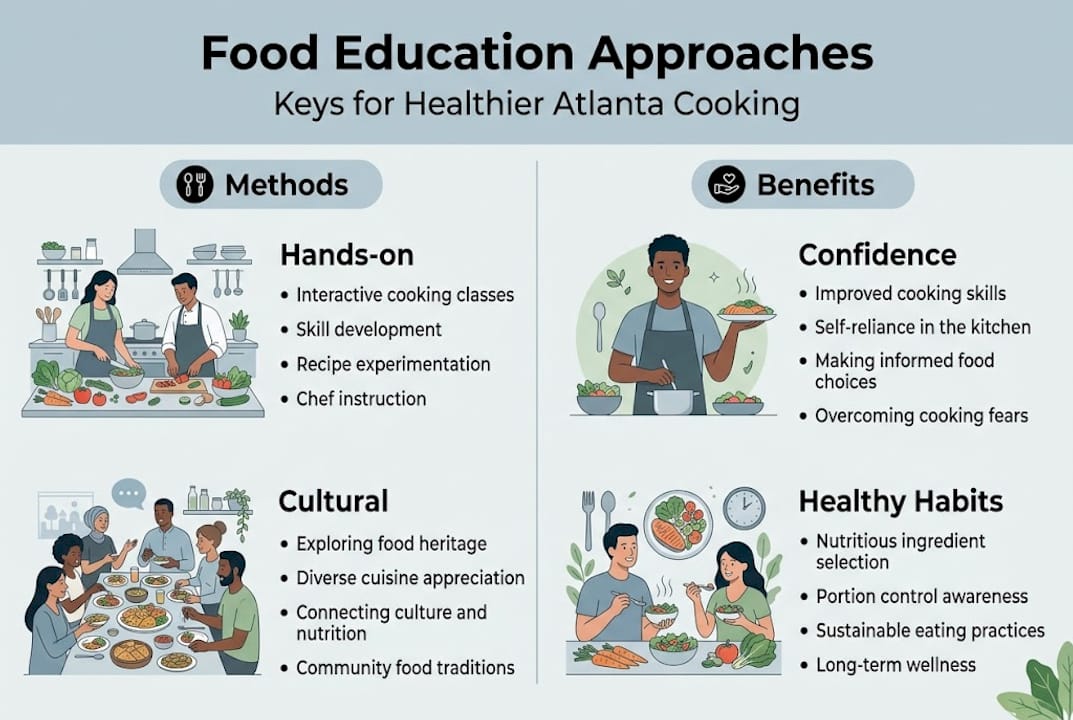
Here is how common formats compare:
| Format | Skill impact | Cultural fit | Accessibility |
|---|---|---|---|
| Hands-on cooking workshops | High | High when adapted | Moderate |
| Online video modules | Moderate | Low without curation | High |
| Classroom-only instruction | Low | Low | High |
| Group community cooking | High | High | Moderate |
Atlanta has real options worth exploring:
- Morehouse Healthcare offers hands-on, plant-based cooking classes designed for diverse communities
- Cook’s Warehouse runs skills-based workshops that are open to all experience levels
- Cozymeal connects local home cooks with professional chefs for cultural and technique-focused classes
- YG Urban Café blends community food education with real culinary experiences
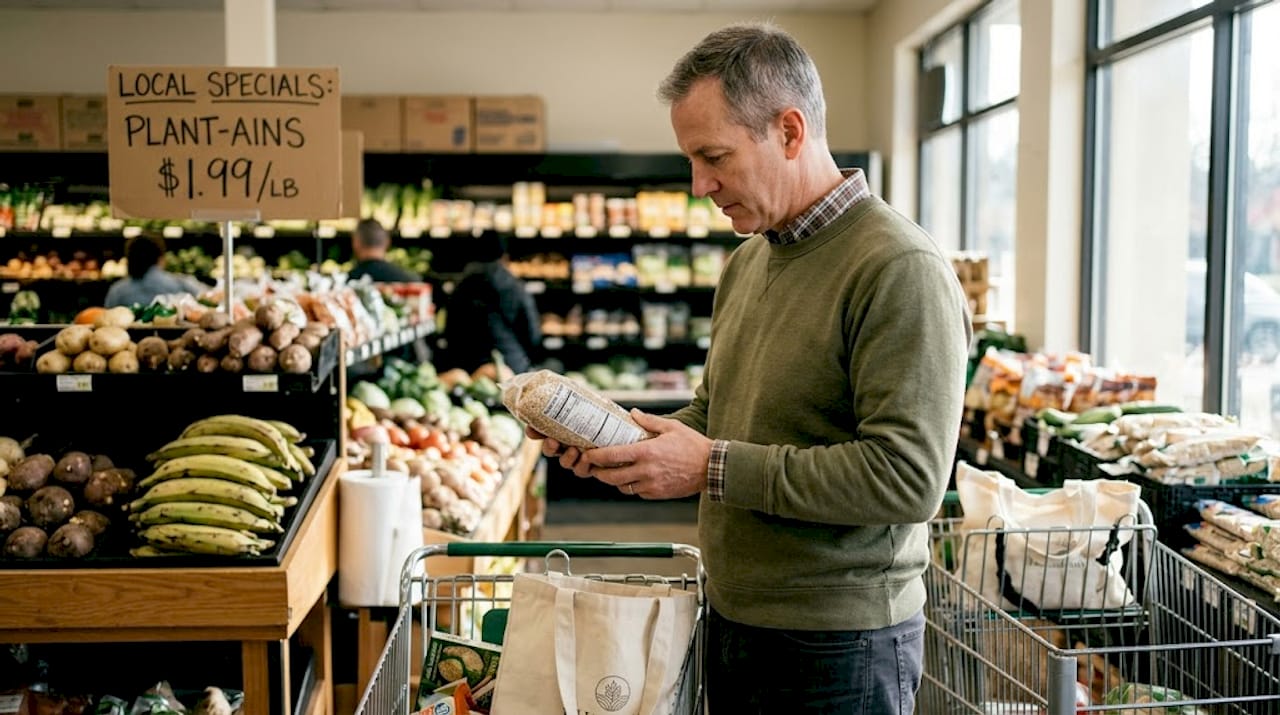
The Caribbean cuisine influence in Atlanta adds another layer of opportunity. Classes that work with plantains, callaloo, jerk seasoning, and black-eyed peas tap into a culinary tradition that is already rich in health benefits.
Pro Tip: When choosing a program, look for ones that set SMART goals (Specific, Measurable, Achievable, Relevant, Time-bound) and include a social or group component. Both features are linked to sustained behavior change. Multicultural grocery options also make it easier to put workshop knowledge into practice right away.
Cultural adaptation in food education: Why it matters for Atlanta and Caribbean cuisine
Culturally adapted programs do not just feel better. They actually produce better results. Culturally relevant programs drive stronger outcomes, especially for disadvantaged groups who may not see themselves represented in standard nutrition curricula.
In Atlanta, this is not a side issue. The city is home to large Caribbean, West African, Latin American, and Southern communities, each with distinct food traditions. A food education program built entirely around Mediterranean diets or standard American plate models is going to miss the mark for many local families.
“Programs that incorporate traditional recipes, local ingredients, and culturally familiar celebrations create a learning environment where participants feel respected, not corrected.”
Practical ways to make food education culturally relevant at home and in group settings include:
- Cook traditional dishes alongside health-conscious modifications, not instead of them
- Shop at diverse Atlanta stores to find authentic ingredients that connect learning to real meals
- Join or start a cooking group with neighbors or family members who share a cultural background
- Use local stores that support food heritage as learning environments, not just shopping destinations
- Explore ethnic stores in Atlanta to find ingredients that make culturally adapted recipes actually work
Affordability and curriculum integration remain real barriers. Not every family can afford a six-week cooking class, and not every school or community center has the infrastructure to run one well. Acknowledging this is part of having an honest conversation about food education in Atlanta.
Applying food education: Actionable steps for Atlanta home cooks
Research is useful, but action is what changes your kitchen. Empirical benchmarks suggest that home cooks who apply food education principles see HEI score increases and add at least 0.5 servings of fruits or vegetables daily. Programs work especially well for low-income and diverse communities when they are paired with practical resources.
Here is how to get started right now:
- Pick one skill to focus on this week: Choose batch cooking, spice blending, or meal planning and practice it until it feels automatic
- Set a SMART goal for your cooking: For example, “I will cook three dinners at home this week using at least two vegetables per meal”
- Find one local or online class: Check Cozymeal, Cook’s Warehouse, or your local community center for upcoming sessions
- Track your wins: Keep a simple note on your phone about meals you cooked and how you felt afterward. Patterns reveal themselves quickly
- Use a food cost calculator: Tools like the food cost calculator help you plan meals that are nutritious and budget-friendly
- Build a culturally relevant ingredient list: Incorporate staples from Caribbean culinary traditions into your weekly shopping to connect education with real cooking
The goal is not perfection. The goal is progress you can sustain past the first two weeks.
Food education in Atlanta: Our experience and the missing piece
Most food education guides stop at recipes and nutrient breakdowns. They hand you a meal plan and a list of superfoods and call it a day. But that approach misses the most important factor: community.
At TOJ Express, we work with Atlanta-area customers who bring incredibly diverse food traditions into their kitchens every day. Caribbean home cooks, Southern family cooks, and health-focused newcomers all share one common challenge. They have the desire to eat better, but they lack consistent support to sustain new habits when life gets busy.
The real missing piece is not more information. It is ongoing peer accountability and culturally grounded practice. A cooking class that ends after six weeks and sends you home alone rarely creates lasting change. What works is a community, whether that is a family group, a neighborhood potluck crew, or a social media cooking challenge, where food education stays alive through connection.
Seek out programs and groups that keep you engaged after the class ends. That follow-through is where real habit change actually lives.
Ready to elevate your Atlanta food journey?
If reading this has sparked some motivation to cook more intentionally, you are in the right place. At TOJ Express, we stock American and Caribbean products specifically chosen to support the kind of cooking this guide is all about. From traditional spices to hard-to-find Caribbean staples, we make it easier to put food education into real practice.
Explore our healthy Caribbean food tips for recipe ideas, smart ingredient swaps, and inspiration grounded in the flavors Atlanta home cooks actually love. Whether you are just starting your food education journey or looking to go deeper, we are here to support every step.
Frequently asked questions
What are the most effective food education methods for Atlanta home cooks?
Hands-on, culturally relevant, and group-based cooking experiences lead to the best results, especially when aligned with family traditions. Experiential and group-based programs produce lasting changes in skills and habits.
How quickly can you see results from food education programs?
Benefits like increased confidence and healthier eating patterns often appear within 4 to 12 weeks of consistent participation. Workshops lasting 4 to 12 weeks are most effective for lasting gains.
Is there a difference between food education and regular nutrition advice?
Yes, food education focuses on hands-on skills and practical behaviors, not just dietary knowledge or recommendations. Food education emphasizes skill-building for real behavior change, not just awareness.
Where can I find local food education classes focused on Caribbean cooking?
Look for options like Morehouse Healthcare, Cook’s Warehouse, Cozymeal, and YG Urban Café in Atlanta, plus online resources listed in this guide.
How do I know if a food education program is culturally relevant?
Choose programs that incorporate traditional recipes, local ingredients, and cultural celebrations into hands-on learning. Culturally adapted programs produce better results than generic models across diverse communities.