
Why Local Stores Serve Diaspora Needs in Atlanta
TOJEXPRESS.COM-Antonio HenryTL;DR:
- Local Caribbean stores serve diaspora communities by offering authentic products, cultural familiarity, and community support. They build trust and resilience while boosting local economies through ownership and personalized relationships. Their presence sustains cultural identity and provides vital social and economic benefits unavailable at mainstream retailers.
Local stores serve diaspora needs by functioning as cultural anchors, economic engines, and social safe spaces that mainstream retailers simply cannot replicate. For the Caribbean diaspora in Greater Atlanta, these stores go far beyond selling groceries. They carry the flavors, languages, and traditions that keep cultural identity alive thousands of miles from home. Tojexpress is one such store, stocking both American and Caribbean products to meet the real, daily needs of this community. Understanding why local stores serve diaspora needs so effectively starts with recognizing what they actually provide.
Why local stores serve diaspora needs better than mainstream retailers
Local diaspora stores are defined as community-owned retail spaces that stock culturally specific goods, provide familiar social environments, and serve immigrant populations whose needs mainstream supermarkets do not address. The distinction matters. A mainstream grocery chain stocks what sells at scale. A local Caribbean store stocks what your grandmother actually cooked with.
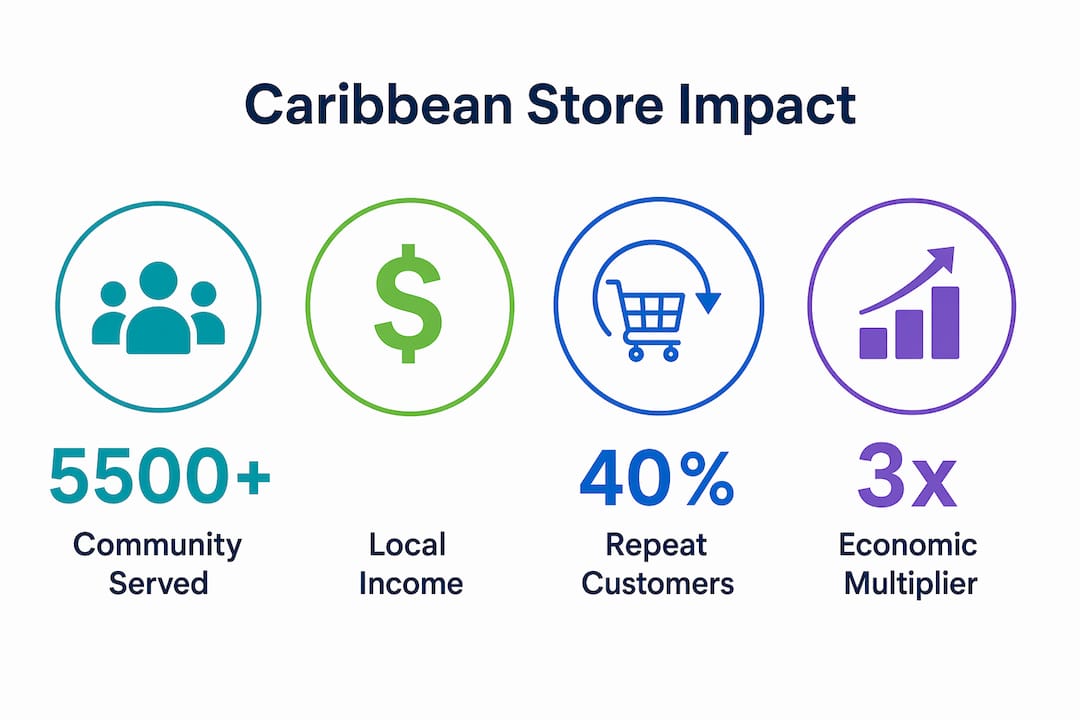
Local stores in Atlanta serve over 5,500 community members, supplying authentic Caribbean foods, crafts, and cultural goods while hosting community events. That number reflects real demand, not niche interest. Diaspora-focused stores stock culturally specific staples not carried by mainstream retailers, offering a “home away from home” experience that no big-box chain can manufacture.
The Brookings Institution identifies diaspora trust-building and cross-sector collaboration as core to building resilient social communities. Local stores are where that trust gets built, one transaction at a time.
What cultural needs do Caribbean diaspora stores fulfill?
The Caribbean diaspora in Atlanta has specific food and cultural requirements that mainstream retailers consistently fail to meet. These are not preferences. They are the building blocks of cultural practice, family tradition, and daily life.
A local Caribbean store carries products that make authentic cooking possible:
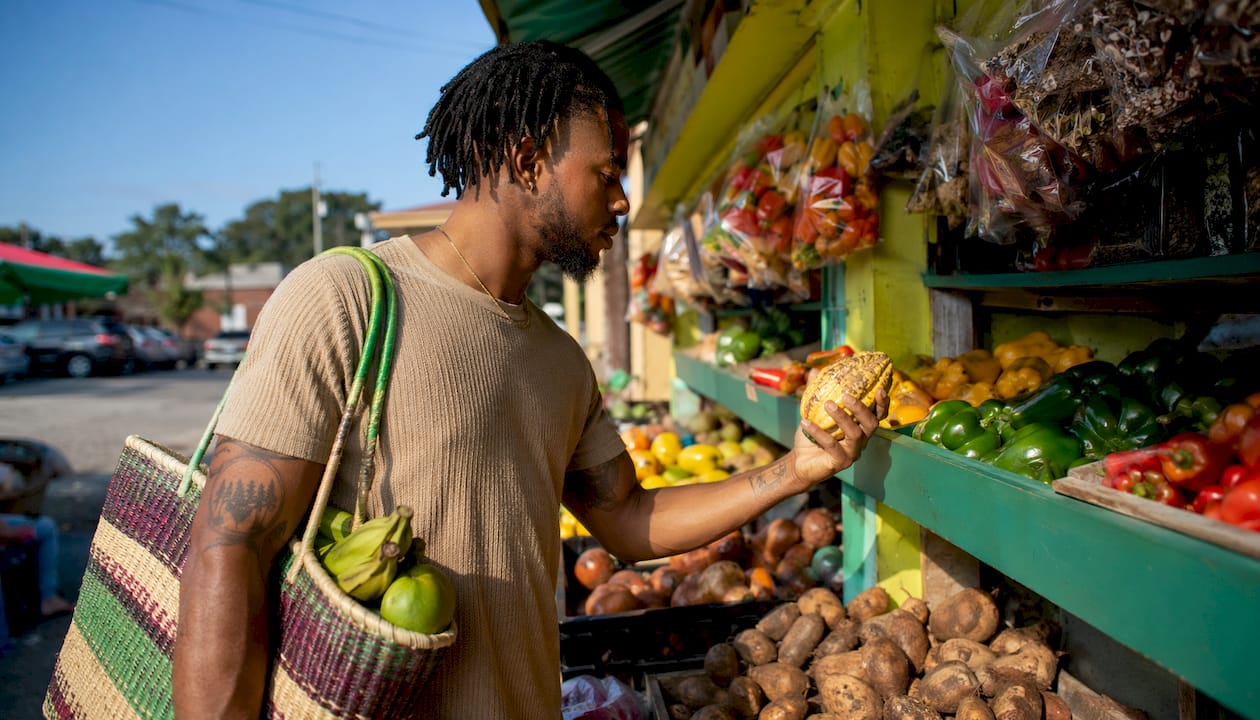
- Traditional staples: Scotch bonnet peppers, green bananas, dasheen, and ackee are rarely stocked in mainstream supermarkets but are foundational to Jamaican, Trinidadian, and Barbadian cooking.
- Authentic beverages: Sorrel, mauby, and sea moss drinks carry deep cultural significance and are hard to find outside specialty stores.
- Branded goods from home: Specific brands of seasoning, hot sauce, and canned goods that Caribbean families grew up with are unavailable in general grocery chains.
- Snacks and sweets: Items like bulla cake, tamarind balls, and plantain chips connect shoppers to childhood memories and cultural celebrations.
- Household and personal care items: Products formulated for Caribbean skin and hair types, or imported from the region, fill gaps that mainstream beauty aisles leave wide open.
Food heritage is not a luxury. It is how culture survives migration. When you can cook the same Sunday dinner your mother made in Kingston or Port of Spain, you maintain a living connection to home.
Pro Tip: Ask your local Caribbean store owner about seasonal or rotating stock. Many stores bring in limited supplies of regional specialties around holidays like Carnival or Independence Day celebrations, so timing your visit matters.
How do local stores act as community hubs for Caribbean diaspora?
The social function of a local diaspora store is as important as its retail function. These stores create spaces where Caribbean identity is not just tolerated but celebrated. Professor Nancy Quintanilla notes that diaspora stores offer familiarity and safety, which are crucial for immigrant well-being. That observation applies directly to Caribbean communities in Atlanta, where navigating a new city while maintaining cultural roots is a daily reality.
Local stores build community in ways that go beyond selling products. Here is how that plays out in practice:
- Language and cultural comfort: Store owners and staff often speak Patois, Creole, or Caribbean-accented English. That familiarity reduces the social friction immigrants face daily and makes shopping feel like a conversation, not a transaction.
- Cultural celebrations: Many local Caribbean stores organize or participate in events tied to Emancipation Day, Crop Over, or Caribbean Heritage Month, turning the store into a gathering point for the broader community.
- Educational visits: Stores like J&S African Center in Milwaukee host school field trips to teach students about cultural garments, food traditions, and heritage. Caribbean stores in Atlanta serve a similar educational role for local schools and community organizations.
- Support during hardship: Local stores provide critical social spaces during periods of societal pressure, offering unity and safety to vulnerable populations. For Caribbean communities facing immigration enforcement stress or economic hardship, that presence is not trivial.
- Informal networks: Store owners connect customers to housing leads, job opportunities, and community services. The store becomes an information hub that no app or website has replicated.
The role of ethnic grocery stores in suburban areas extends this community function beyond city centers, reaching Caribbean families who have settled across Greater Atlanta’s suburbs and still need a cultural anchor close to home.
What economic benefits do Caribbean diaspora stores bring to Atlanta?
Local diaspora stores are wealth-building engines, not just retail outlets. Local ownership drives long-term economic participation, family support, and educational funding within the community. That is a fundamentally different economic model than shopping at a national chain, where profits leave the neighborhood immediately.
| Economic function | Community impact |
|---|---|
| Income circulation | Money spent at local Caribbean stores flows back to local suppliers, staff, and owners rather than corporate headquarters |
| Employment creation | These stores hire from within the community, giving Caribbean immigrants entry points into the formal economy |
| Supplier support | Many stores source from Caribbean immigrant food producers and distributors, strengthening the broader diaspora supply chain |
| Educational funding | Owner profits often fund children’s education and family support, keeping wealth inside the community across generations |
| Entrepreneurship modeling | Successful local stores inspire other diaspora members to start businesses, multiplying economic activity |
The spaza shop model from South Africa demonstrates this principle clearly. When local ownership is replaced by external ownership, community wealth drains out. The same logic applies in Atlanta. A Caribbean-owned store in Clarkston or Stone Mountain keeps economic value inside the diaspora network.
Pro Tip: When you shop at a locally owned Caribbean store, ask whether they source from Caribbean-owned suppliers or distributors. Choosing stores with local supply chains multiplies your economic impact.
Why do Caribbean diaspora members prefer local shops over mainstream retailers?
The preference for local Caribbean stores over mainstream retailers is driven by a combination of practical necessity, emotional connection, and cultural identity. These are not interchangeable motivations. Each one reinforces the others.
- Authenticity that cannot be faked: Mainstream retailers sometimes stock “Caribbean-inspired” products that bear little resemblance to the real thing. Local stores carry the actual brands and recipes that Caribbean families recognize.
- A sense of home: Diaspora stores meet more than material needs. They embody safety, identity, and belonging, which are vital for immigrant community thriving. Walking into a store where the music, the smells, and the faces feel familiar is a form of emotional restoration.
- Personalized relationships: Local store owners know their customers by name. They remember your preferences, hold items for you, and sometimes extend informal credit based on trust. This hyper-local intimacy is the defining feature of diaspora retail and the reason customer loyalty runs deep.
- Resistance to cultural erasure: Shopping at a local Caribbean store is a deliberate act of cultural affirmation. It says that your food, your traditions, and your identity have value and deserve a dedicated space.
- Community sustainability: Caribbean diaspora shoppers understand that their spending keeps these stores alive. Supporting local retail is also supporting the community infrastructure that benefits everyone.
The importance of local stores in Georgia goes beyond convenience. These stores are the connective tissue of Caribbean community life in Atlanta, and diaspora shoppers recognize that intuitively.
Key Takeaways
Local stores serve Caribbean diaspora needs by combining cultural authenticity, community belonging, and economic empowerment in a single neighborhood space that mainstream retail cannot replicate.
| Point | Details |
|---|---|
| Cultural product access | Local stores stock authentic Caribbean staples, brands, and beverages unavailable in mainstream supermarkets. |
| Community hub function | These stores host cultural events, provide language comfort, and connect members to jobs and services. |
| Economic circulation | Locally owned stores keep spending within the diaspora community, funding families and local suppliers. |
| Emotional belonging | Shoppers experience safety, identity affirmation, and a sense of home that no chain store can provide. |
| Hyper-local trust | Personal relationships and informal credit systems build loyalty and resilience unique to diaspora retail. |
What I’ve learned watching Atlanta’s Caribbean stores work
The conventional wisdom says that convenience and price drive retail decisions. After years of watching Caribbean stores in Greater Atlanta operate, I disagree. The stores that thrive are not the cheapest or the most convenient. They are the ones where the owner knows your name and stocks the exact brand of seasoning your family uses.
What strikes me most is the trust economy these stores run on. A customer walks in, picks up $80 worth of groceries, and the owner says, “Pay me next week.” No app, no credit check, no paperwork. That kind of relationship is not a business strategy. It is a community value that happens to make good business sense. Cross-sector diaspora collaborations built on this kind of trust produce more resilient communities than any formal program can.
My honest observation is that Caribbean diaspora members in Atlanta underestimate their collective purchasing power. When that power concentrates in locally owned stores, it funds education, creates jobs, and keeps cultural traditions alive. Spreading it across national chains does none of those things. The choice of where you shop is also a choice about what kind of community you want to live in.
— ANTONIO
Tojexpress: authentic Caribbean and American products in Greater Atlanta
Tojexpress stocks both American and Caribbean products specifically for the Greater Atlanta diaspora community. Whether you need traditional Caribbean cooking staples, authentic beverages, or culturally specific household goods, Tojexpress brings those products together in one place.
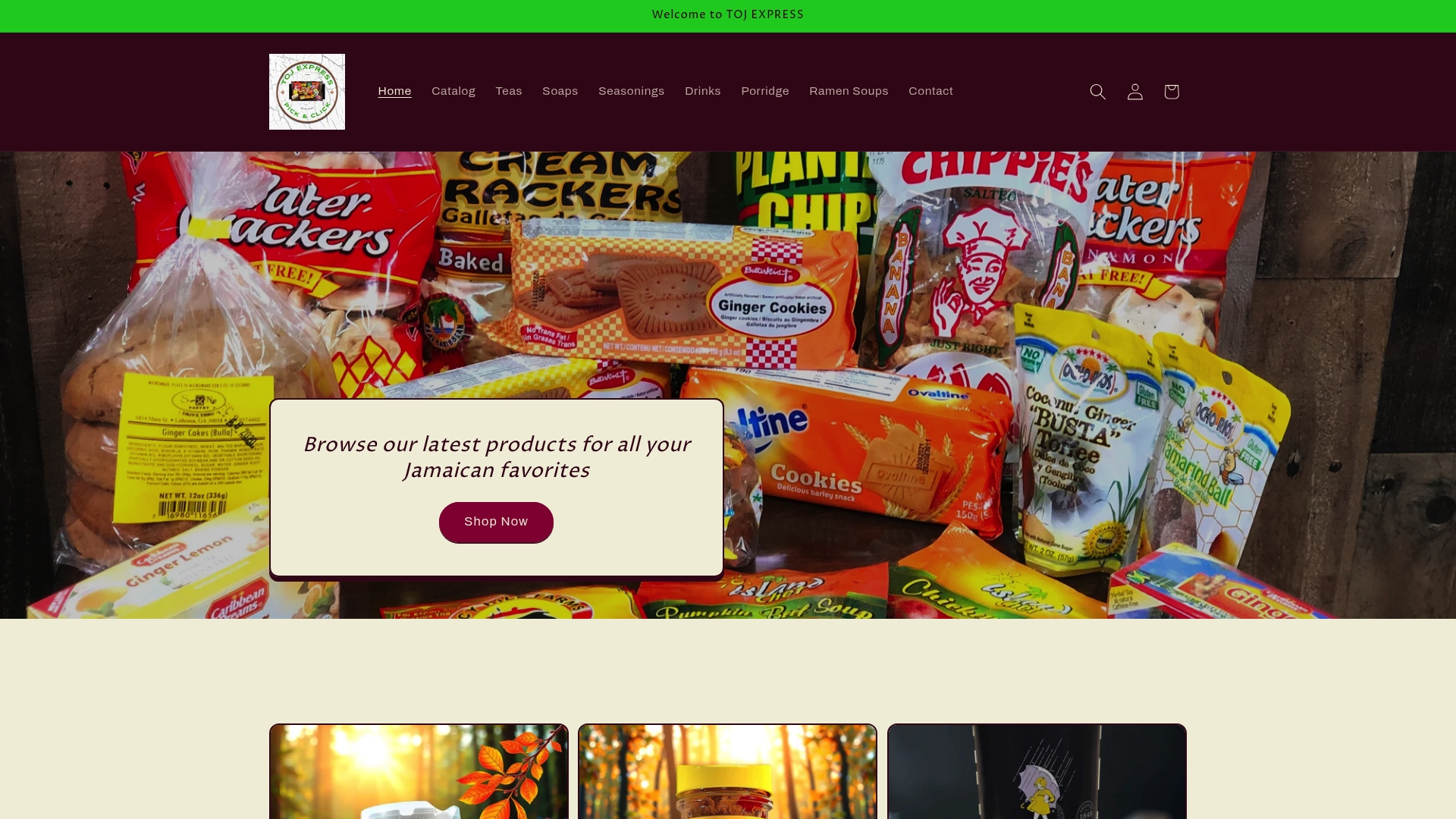
The store understands that authentic multicultural flavors are not a trend. They are a daily necessity for Caribbean families who refuse to compromise on the quality and authenticity of what they cook and eat. Tojexpress exists to make sure you never have to. Visit Tojexpress to find the Caribbean and American products your household depends on.
FAQ
Why do local stores serve diaspora needs better than supermarkets?
Local diaspora stores stock culturally specific products, provide familiar social environments, and build personal relationships that mainstream supermarkets cannot replicate. They function as cultural anchors, not just retail spaces.
What Caribbean products are hard to find in mainstream Atlanta stores?
Items like scotch bonnet peppers, ackee, dasheen, sorrel drinks, mauby, and specific Caribbean seasoning brands are rarely stocked by mainstream retailers. Local Caribbean stores carry these staples as core inventory.
How do local Caribbean stores support the Atlanta economy?
Locally owned Caribbean stores circulate income within the diaspora community by hiring local staff, sourcing from Caribbean suppliers, and reinvesting profits into family education and community support rather than sending revenue to corporate headquarters.
Are local diaspora stores safe spaces for Caribbean immigrants?
Local diaspora stores provide language comfort, cultural familiarity, and community networks that reduce the social stress of immigrant life. Research confirms these stores offer safety and belonging critical to immigrant well-being.
How can I support local Caribbean stores in Greater Atlanta?
Shop regularly at locally owned Caribbean stores, ask about their supplier networks, and attend community events they host or sponsor. Your consistent spending keeps these cultural and economic hubs operating for the whole community.