
Why Multicultural Grocery Demand Rises in the U.S.
TOJEXPRESS.COM-Antonio HenryDemand for multicultural groceries is rising because demographic shifts, younger consumers’ taste expectations, and mainstream retail adoption converge at the same time. Immigration is reshaping which products stores need to carry. Second-generation households want the foods they grew up with, available without a long drive. And younger shoppers who discovered jerk seasoning on TikTok or Korean BBQ at a restaurant now expect those flavors at their regular grocery store. According to IGD, SPINS, and PDG Insights, this is no longer a niche trend. Retailers from specialty shops like Tojexpress to national chains respond with expanded assortments, integrated international sections, and private-label global products.
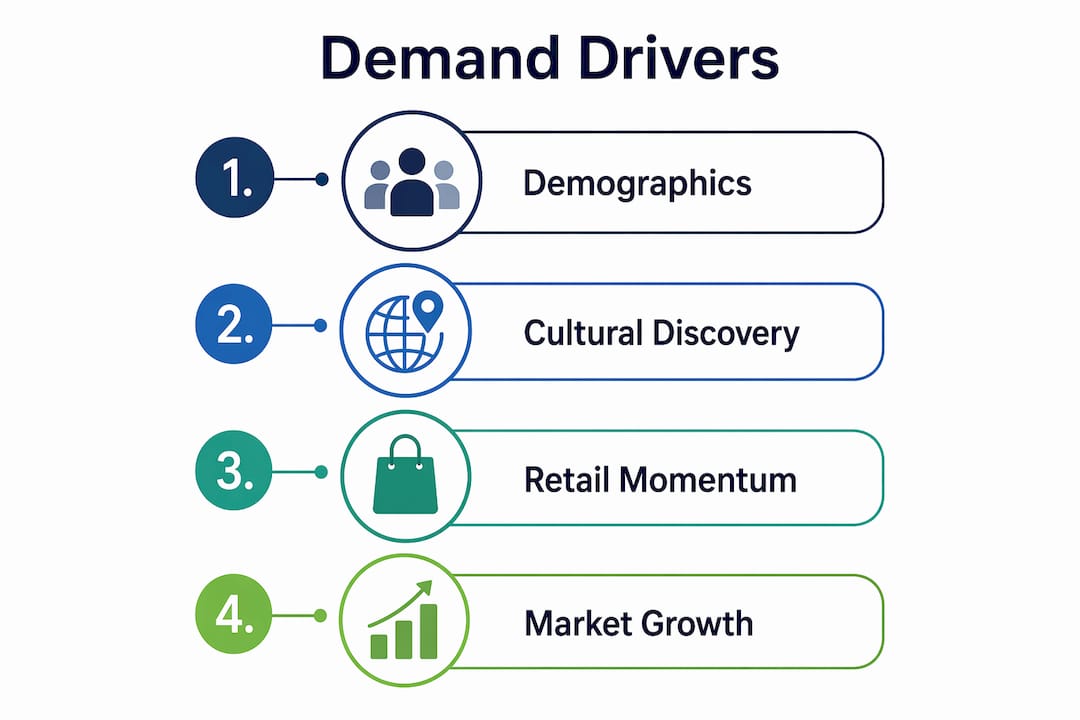
The four headline drivers:
- Demographics: Rising immigration and growth in multicultural households
- Culture and media: Social platforms, streaming, and restaurants accelerating taste discovery
- Retail strategy: Grocers integrating global flavors across the whole store, not just one aisle
- Product innovation: Private-label global items and specialty imports reaching mainstream shelves
Pro Tip: Walk straight past the “international” aisle label. Authentic multicultural products are increasingly placed throughout the store — in frozen, fresh produce, and condiment sections. If you only check one aisle, you’ll miss most of what’s there.
Table of Contents
- Why does multicultural grocery demand keep growing?
- How are grocers actually changing their stores?
- What does this mean for you as a shopper?
- How to shop for multicultural and Caribbean groceries
- How Tojexpress applies these trends in Atlanta
- Key Takeaways
- The multicultural grocery shift is bigger than a trend
- Sources and further reading
Why does multicultural grocery demand keep growing?
Three forces are driving the growing demand for multicultural foods simultaneously, and they reinforce each other.
Demographics come first. IGD reports that rising immigration and the expansion of multicultural and second-generation households are the primary engine. These shoppers aren’t looking for novelty. They want the specific brands, ingredients, and preparations that define their home cooking, and they’ll travel to find them. Cambridge University Press research on immigrant shopping patterns found that cultural identity often takes priority over convenience, with shoppers traveling significantly further to reach stores carrying trusted, authentic products.
Cultural discovery is the accelerant. Food Trade News describes global flavors moving from a niche category to a central operational focus for supermarkets, pushed by social platforms, restaurant exposure, and streaming. A younger shopper who tries Scotch bonnet hot sauce at a Caribbean restaurant on Friday wants to buy it at a grocery store on Saturday. That cycle now moves fast. The role of flavor variety in everyday eating has shifted from occasional treat to regular expectation.
Commercial momentum locks it in. Private-label global products, expanded distribution networks, and supplier innovation are pushing international flavors into center store and prepared foods. Once a mainstream grocer adds a Caribbean seasoning blend to its private-label line, that product doesn’t disappear when the trend cycle moves on.
The U.S. Asian food market illustrates the scale: Circana data cited by CNBC shows sales in one Asian food segment climbing significantly in recent years, with the broader U.S. Asian food market projected to continue strong growth. Caribbean and Latin categories are tracking similar trajectories.
How are grocers actually changing their stores?
The shift away from a single ethnic aisle is the most visible change. Mainstream grocers are distributing international products across frozen, fresh, and center store rather than concentrating them in one corner. A Caribbean hot sauce sits next to American condiments. Jamaican patties appear in the prepared-foods case. That placement signals mainstream acceptance, not just tolerance.
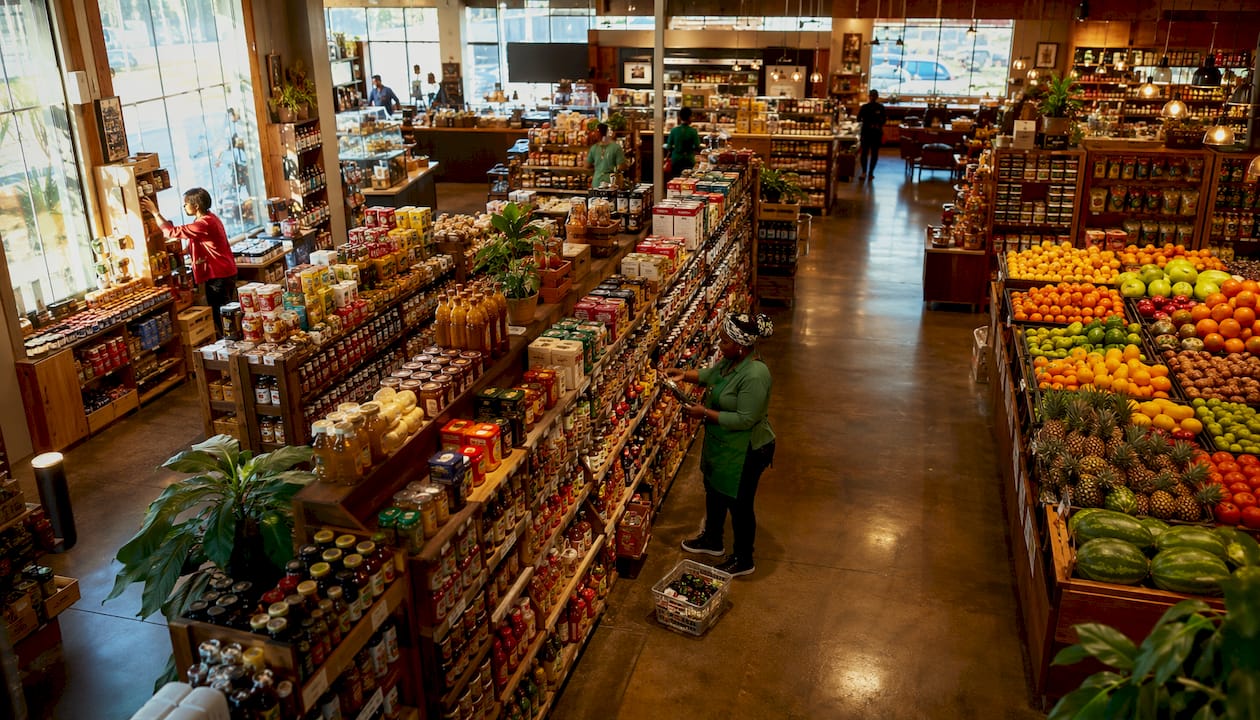
IGD’s cultural relevance research shows the most effective retailers go further, building micro-localized assortments that mirror the actual shopping habits of nearby communities. Signage in multiple languages, staff who know the products, and stocking decisions based on neighborhood demographics rather than national planograms.
What this looks like in practice:
- Localized assortments: Stores in Atlanta’s Stone Mountain corridor stock different Caribbean items than stores in suburban Ohio
- Private-label international products: Mainstream chains launching their own versions of global staples to capture demand at lower price points
- Experiential formats: Food halls and expanded prepared-food programs that let shoppers try before they buy, which drives repeat purchase of packaged versions
- AI-driven planning: Some larger chains using data tools to predict which international SKUs to add based on local demographic shifts
Specialty multicultural grocers are also expanding their footprints, betting that shoppers who want authenticity will seek them out even when a mainstream option exists nearby.
What does this mean for you as a shopper?
Availability is improving, but unevenly. Urban markets and diverse suburban corridors like Decatur, Stone Mountain, and Lithonia in Georgia now have genuine access to authentic Caribbean and American specialty items. Smaller towns still lag. If you’re in a gap area, online specialty stores fill it without requiring a long drive.
Pricing is a mixed picture. Imported specialty items carry a premium, and that’s unlikely to change for niche products with small distribution runs. But as mainstream grocers add private-label versions of popular global items, prices on the most common products are coming down. Authenticity still costs more than a mass-market approximation, and for many shoppers, that’s a trade-off worth making.
Where to buy depends on what you need. For everyday Caribbean staples, a local multicultural grocer typically offers better selection, fresher stock, and staff who actually know the products. For convenience items and pantry basics, integrated mainstream aisles work fine. For specialty or hard-to-find items, shopping online from a store that specializes in Caribbean groceries often beats both.
Practical signals that a product is genuinely authentic:
- Country of origin listed on the label (Jamaica, Trinidad, Barbados, etc.)
- Importer name and address on the packaging
- Halal or kosher certification where relevant to the product type
- Packaging in the product’s home-country language alongside English
SPINS market data confirms that consumers are increasingly intentional about these markers, with growing willingness to pay a premium for verified authenticity.
Pro Tip: Search Instagram and Google Maps for Caribbean grocery stores near you, then check their tagged photos. Real shoppers post pictures of specific products. If you see the exact brand you’re looking for in someone’s haul photo, that store has it.
How to shop for multicultural and Caribbean groceries
- Research product names before you go. Caribbean brands often have different names than their American equivalents. Knowing “Grace,” “Walkerswood,” or “Pickapeppa” before you walk in saves time and prevents substituting the wrong thing.
- Read origin and ingredient labels carefully. “Caribbean-style” is not the same as made in Jamaica. Check the country of origin and the importer name.
- Check expiration dates and storage requirements. Specialty imports sometimes sit longer in distribution. Fresh is always better for seasonings and sauces.
- Compare store vs. online prices. For non-perishables, online specialty stores often match or beat in-store pricing once you factor in the time cost of travel.
- Use specific search terms online. “Jamaican grocery online,” “Caribbean seasoning delivery Atlanta,” or “Grace coconut water” returns better results than generic “ethnic food near me.”
- In-store, ask staff directly. Multicultural grocery staff usually know their inventory well. If a product isn’t on the shelf, they often know when it’s coming in.
- Use prepared foods as an authenticity test. A store that makes authentic Caribbean patties or rice and peas from scratch is sourcing real ingredients. That’s a reliable signal for the packaged goods too.
Pro Tip: Order online from a local multicultural store and choose in-store pickup. You skip shipping costs, guarantee freshness on perishables, and can grab anything extra you spot in the store.
How Tojexpress applies these trends in Atlanta
Tojexpress operates as both an online and in-store convenience retailer in Atlanta, stocking American and Caribbean groceries with a specific focus on Jamaican and Caribbean specialty foods. The store’s model reflects exactly what the industry research describes: a curated assortment built around what multicultural shoppers actually need, not a generic “ethnic aisle” tacked onto a mainstream layout.
Shoppers in Stone Mountain, Decatur, Lithonia, Conyers, Tucker, Snellville, and Rockdale can find authentic Caribbean flavors without driving to a distant specialty district. The online store extends that reach further, letting shoppers order for pickup or delivery.
Product categories available at Tojexpress:
- Seasonings and spices: Jamaican jerk blends, curry powders, allspice, scotch bonnet-based sauces
- Beverages: Caribbean sodas, coconut water, Jamaican ginger beer, imported fruit drinks
- Sweets and snacks: Jamaican patties, bulla cake, plantain chips, hard dough bread
- Health and beauty: Caribbean-origin personal care and household products
- Pantry staples: Grace brand products, Walkerswood condiments, ackee, callaloo, and other Jamaican canned goods
That finding describes exactly the shopper Tojexpress serves. The store’s blog also covers multicultural foods in Atlanta in depth, giving shoppers a practical resource for navigating local options.
Key Takeaways
Multicultural grocery demand rises because demographics, cultural discovery, and retail adoption are all moving in the same direction at once, making global flavors a permanent part of U.S. grocery shopping rather than a passing trend.
| Point | Details |
|---|---|
| Demographics drive demand | Rising immigration and multicultural households are the primary engine behind growing demand for multicultural foods. |
| Authenticity signals matter | Check country of origin, importer name, and certifications like halal or kosher to verify a product is genuine. |
| Asian food segment growth | Circana data shows one Asian food segment grew from $1.57B in 2021 to $2.31B in 2026, reflecting broader multicultural category momentum. |
| Specialty stores beat mainstream aisles | For Caribbean staples, local multicultural grocers offer better selection and fresher stock than integrated mainstream sections. |
| Tojexpress serves Atlanta shoppers | Tojexpress stocks Jamaican and Caribbean specialty groceries online and in-store across Stone Mountain, Decatur, Lithonia, and surrounding cities. |
The multicultural grocery shift is bigger than a trend
The conventional framing treats multicultural grocery demand as a “trend” that retailers are “responding to.” That framing undersells what’s actually happening. This isn’t a wave that peaks and recedes. It’s a structural change in who lives in the U.S., what they cook, and what they expect to find at a grocery store. The shopper who grew up eating ackee and saltfish for breakfast isn’t going to stop wanting it because a trend cycle moves on.
What I find underappreciated is the role of specialty stores in this shift. National chains get the headlines when they add an international section, but the stores that actually serve multicultural communities well are the independent and specialty retailers who built their entire model around authenticity. They stocked Grace coconut water before it appeared in Walmart. They knew which Jamaican hot sauce brand was worth carrying before any algorithm flagged it. That institutional knowledge is hard to replicate at scale, and it’s why shoppers travel for it.
For Atlanta shoppers, Tojexpress represents exactly this kind of store. The assortment reflects real community knowledge, not a planogram decision made in a corporate office. If you’re looking for Caribbean groceries in the Atlanta area, visit the store or order online at tojexpress.com and explore the blog for deeper local shopping guidance.
Sources and further reading
- IGD: The rise of World Foods — winning with cultural relevance
- Grocery Dive: Multicultural grocery expansion and private label
- Food Trade News: Why global flavors are reshaping U.S. grocery retail
- Food Trade News: Beyond the ethnic aisle
- CNBC: Asian foods evolving beyond the ethnic aisle
- Cambridge University Press: Immigrant food shopping behavior research
- Tojexpress blog: Why shop multicultural stores in Atlanta
- Tojexpress blog: Multicultural foods in Atlanta