

Multicultural Foods in Atlanta: Benefits Worth Exploring
TOJEXPRESS.COM-Antonio HenryTL;DR:
- Nearly 29% of Atlanta consumers seek out ethnic cuisine when dining out.
- Multicultural foods in Atlanta support community, health, and cultural identity.
- Exploring and incorporating diverse ingredients and recipes enhances culinary diversity and connection.
Nearly 29% of Atlanta consumers actively seek out ethnic cuisine when dining out, which tells a much bigger story than most people realize. Atlanta’s culinary identity has always been more layered than biscuits and sweet tea. Walk through neighborhoods like Clarkston, Stone Mountain, or Chamblee, and you’ll smell jerk seasoning, roti dough, and plantains frying right alongside classic Southern staples. This article breaks down exactly why multicultural foods, especially the American and Caribbean blend, matter for your health, your community, and your everyday meals.
Table of Contents
- Atlanta’s diverse food landscape: Why it matters
- Community, culture, and the American-Caribbean food experience
- Health benefits of multicultural eating: What the evidence says
- Overcoming myths and challenges: Embracing diversity on your plate
- Getting started: Your everyday guide to multicultural meals
- The real value of Atlanta’s multicultural food scene: Our take
- Explore, taste, and shop: Your next step toward multicultural flavors
- Frequently asked questions
Key Takeaways
| Point | Details |
|---|---|
| Atlanta embraces flavor | A diverse population and strong Caribbean presence make multicultural foods essential to Atlanta’s dining culture. |
| Fresh health benefits | Incorporating multicultural foods supports heart health, combats chronic disease, and adds nutritional variety. |
| Home cooking made easy | Local markets and fusion recipes make it simple to enjoy new dishes and flavors at home. |
| Fusion drives connection | Blending American and Caribbean traditions fosters stronger community and exciting culinary innovation. |
| Explore and adapt | Don’t fear mixing traditions—authenticity and adaptation can go hand-in-hand in your kitchen. |
Atlanta’s diverse food landscape: Why it matters
Atlanta is not a one-cuisine city, and the numbers prove it. The Atlanta Regional Commission reports that the Atlanta region hosts 93,029 Caribbean-born residents across 11 counties, a population large enough to sustain dedicated markets, bakeries, and restaurants that stock authentic ingredients you simply cannot find at a mainstream supermarket. These communities have quietly built a food infrastructure that benefits everyone in the region, not just those with Caribbean roots.
The demand for multicultural groceries and restaurant experiences reflects something deeper than trend chasing. Research shows the ethnic food market’s Southern share sits at 22.1%, fueled by the growing multicultural population in cities like Atlanta. That figure places the South as one of the country’s most active markets for Caribbean and Latin products. When demographics shift, food follows, and Atlanta’s neighborhoods are living proof.
Understanding the food culture in Atlanta requires recognizing that Caribbean communities are not concentrated in a single pocket of the city. Here’s a breakdown of where you’re likely to find the strongest multicultural food presence:
| Area | Notable Community | Common Foods Available |
|---|---|---|
| Stone Mountain | Jamaican, Trinidadian | Jerk, roti, plantains |
| Chamblee | Haitian, Cuban | Rice and beans, pastelitos |
| Clarkston | Pan-Caribbean, West African | Scotch bonnet peppers, yams |
| Decatur | Mixed Caribbean | Curry goat, oxtail, codfish |
| Johns Creek | South Asian, Caribbean blend | Curry, doubles, coconut water |
Shoppers and home cooks are drawn to multicultural stores for a range of reasons that go beyond novelty. Here’s what actually drives people through those doors:
- Reconnecting with family heritage and traditional recipes
- Finding specialty ingredients unavailable at mainstream grocery chains
- Exploring new flavors and expanding their cooking skills
- Supporting local immigrant-owned businesses
- Accessing affordable, nutrient-dense staple foods
If you want to understand what Caribbean diaspora foods look like in practice across Atlanta, the variety will genuinely surprise you, from Trinidadian doubles to Guyanese pepperpot.
Community, culture, and the American-Caribbean food experience
Food is one of the fastest ways cultures communicate with each other, and Atlanta’s American-Caribbean food experience shows exactly how that happens. Dishes like jerk chicken tacos, plantain-based sliders, or coconut-infused collard greens are not accidents. They’re the result of everyday people in shared neighborhoods borrowing ingredients, swapping recipes, and building something new together.
Research confirms that multicultural food choices are driven by health benefits, cultural connection, and the genuine joy of trying something different. That combination is powerful because it means people are not just eating for fuel. They’re eating for meaning.
To see how traditional and modern approaches compare, consider this breakdown:
| Category | Traditional Dish | Key Ingredients | Modern Fusion Version |
|---|---|---|---|
| Main protein | Oxtail stew | Oxtail, allspice, scotch bonnet | Oxtail flatbread with jerk aioli |
| Sides | Rice and peas | Kidney beans, coconut milk, thyme | Coconut rice bowl with mango salsa |
| Snacks | Fried plantains | Ripe plantains, oil | Plantain chips with avocado dip |
| Greens | Callaloo | Dasheen leaves, okra, crab | Callaloo pasta with smoked turkey |
| Drinks | Sorrel | Hibiscus, ginger, cloves | Sorrel lemonade spritzer |
Fusion is not about erasing tradition. It’s about making it more accessible while keeping the core flavors alive.
If you’re ready to experience this food culture in person, a few Atlanta spots stand out. Chef Rob’s Jamaican in Decatur serves intensely flavored traditional dishes that feel like a direct connection to Kingston. Culture Foods in Johns Creek specializes in Caribbean staples and often has knowledgeable staff who can walk you through unfamiliar ingredients. These kinds of experiences are also what makes finding Caribbean groceries and learning how to shop Caribbean groceries in Atlanta so rewarding.
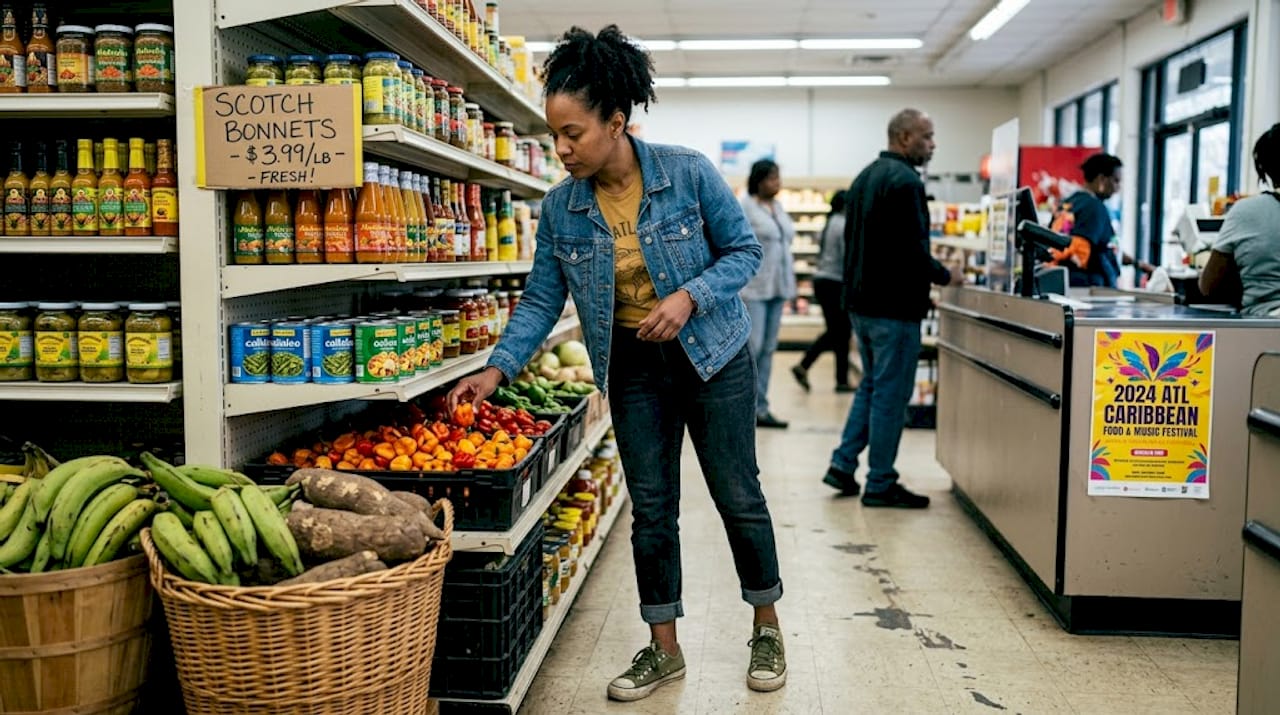
Pro Tip: When you visit a multicultural market for the first time, ask a staff member what’s most popular that week. You’ll often walk out with an ingredient you’d never have noticed on your own, plus a recipe idea you can actually use.
If you’re craving street food energy, exploring Caribbean street foods across Atlanta is one of the most fun ways to start your multicultural food journey without committing to a full cooking project.
Health benefits of multicultural eating: What the evidence says
Here’s where multicultural eating gets really interesting from a health perspective. The American-Caribbean diet draws heavily from plant-based ingredients, legumes, and root vegetables that are both filling and nutrient-rich. We’re talking sweet potatoes, black-eyed peas, callaloo, plantains, lentils, and leafy greens cooked with herbs and spices instead of excess salt.
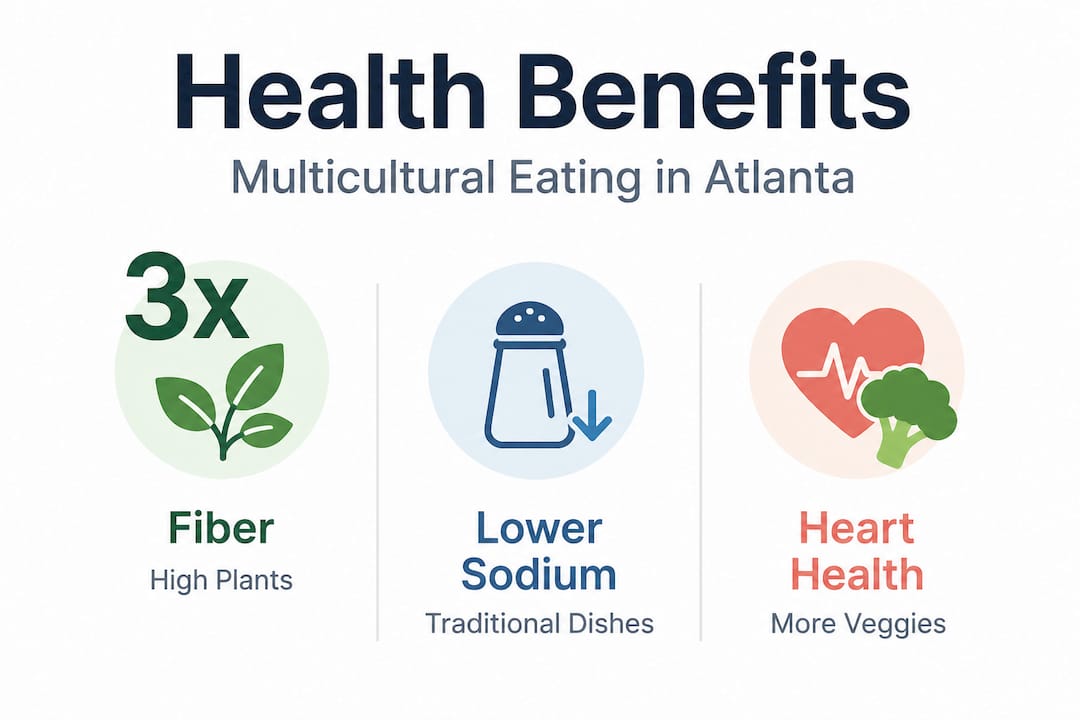
The African Heritage Diet Pyramid, which directly incorporates foods from the American South and Caribbean, was designed specifically to address high rates of obesity, hypertension, and heart disease in Black communities. It emphasizes plant-forward eating, healthy fats, and low-sodium preparation methods. This is not a trend diet. It’s a research-backed framework built on cultural food traditions that have existed for centuries.
Here are the top five health benefits you can expect when you regularly incorporate American-Caribbean foods into your meals:
- Better heart health: Legumes like kidney beans and lentils reduce LDL cholesterol and support cardiovascular function.
- Lower sodium intake: Caribbean cooking relies on fresh herbs, allspice, and scotch bonnet peppers for flavor instead of heavy salt.
- Reduced obesity risk: High-fiber foods like plantains, sweet potatoes, and callaloo keep you fuller longer with fewer empty calories.
- Anti-inflammatory effects: Turmeric, ginger, and thyme used heavily in Caribbean cooking all carry documented anti-inflammatory properties.
- Improved gut health: The variety of legumes, whole grains, and fermented foods in multicultural diets supports a diverse gut microbiome.
“Eating in alignment with the African Heritage Diet means drawing from foods that are culturally meaningful and scientifically supported for reducing the chronic disease burden in underserved communities.”
Pro Tip: If you’re cooking collard greens or mustard greens, try swapping smoked pork for smoked turkey. You keep the deep, savory flavor while cutting saturated fat significantly. It’s one of the easiest substitutions in the multicultural cooking toolkit.
Food access is also a real conversation in Atlanta. Underserved communities face barriers to healthy food due to both affordability and physical proximity to stores. Multicultural convenience stores and Caribbean groceries play a meaningful role in closing that gap by stocking culturally appropriate, nutritious options at accessible price points. Learning more about food access in Atlanta reveals just how critical these small stores are to neighborhood health. For a broader look at making nutritious choices, the nutritious food guide from Recipe for Success is a practical starting point.
Overcoming myths and challenges: Embracing diversity on your plate
A lot of people talk themselves out of trying multicultural foods before they even start. The most common myths deserve a direct response.
Myth 1: It’s too spicy. Caribbean cooking uses spice for flavor and depth, not just heat. Allspice, thyme, and cinnamon are just as central as scotch bonnet peppers, and you can always scale the heat to your preference.
Myth 2: The ingredients are impossible to find. This might have been true a decade ago, but Atlanta now has enough multicultural markets, online stores, and culturally focused convenience stores to make most Caribbean pantry staples easy to access.
Myth 3: These foods aren’t for everyone. Food traditions evolve through sharing. The best discussions around diasporic food authenticity focus on respecting origins and sourcing ethically, not gatekeeping flavors from curious home cooks.
Here’s a practical list to help you start exploring multicultural foods without feeling overwhelmed:
- Pick one unfamiliar ingredient per grocery run and look up one simple recipe for it
- Cook with a friend or neighbor from a different cultural background and learn their approach firsthand
- Start with universally approachable dishes like rice and peas, fried plantains, or jerk chicken before moving to more complex preparations
- Watch cooking videos from Caribbean creators who explain both technique and cultural context
- Taste before you cook: visit a Caribbean restaurant or food market and eat the dish before you try to replicate it at home
Adaptation is not failure. When you substitute an ingredient for something local or more affordable, you’re participating in the same creative process that shaped Caribbean cooking historically. Culinary diversity is strengthened by experimentation, not weakened by it. Staying curious about imported Caribbean items also helps you understand which ingredients genuinely need to be authentic and which ones have solid local alternatives.
Pro Tip: For Caribbean braises and stews, slow cooking is your best friend. Low and slow heat allows spices like allspice berries, bay leaves, and scotch bonnet to fully bloom into the liquid, giving you depth of flavor that fast cooking can’t match.
Getting started: Your everyday guide to multicultural meals
Incorporating multicultural foods into your weekly routine doesn’t require a complete pantry overhaul. Small, intentional steps make the biggest difference over time.
Evidence shows that exposure to multicultural experiences including diverse food traditions increases openness to new ingredients and cuisines, driven largely by globalization, immigration patterns, and travel. Atlanta gives you access to all of that within a single metro area.
Here are five straightforward steps to start building multicultural meals into your week:
- Stock two or three Caribbean pantry staples. Start with coconut milk, allspice, and dried thyme. These three ingredients open up dozens of Caribbean recipes immediately.
- Plan one new cultural dish per week. Commit to cooking one unfamiliar recipe weekly, even if it’s a simple side dish like fried plantains or callaloo.
- Visit a local multicultural market instead of a chain store for at least one shopping trip per month. The selection and guidance you get from knowledgeable staff is worth the detour.
- Invite someone to share a meal. Cooking and eating multicultural food with others is how the experience becomes genuinely meaningful rather than just an experiment.
- Document what you try. Keep a simple food journal or phone photo album of new dishes. Looking back at what you’ve explored is a strong motivator to keep going.
For detailed Caribbean grocery shopping tips specific to Atlanta, there’s practical guidance on what to look for, how to read labels on imported products, and which stores carry the widest range of fresh and packaged Caribbean staples.
The real value of Atlanta’s multicultural food scene: Our take
Most food articles frame multicultural eating as a form of cultural preservation, but that framing misses the bigger picture. Atlanta’s food scene is not a museum. It’s a working, changing system where traditions collide, adapt, and produce something genuinely new every year.
The uncomfortable truth is that authenticity is always in motion. Jerk chicken was not always the jerk chicken you find today. Curry traveled from South Asia to the Caribbean through colonial trade routes and became something entirely its own over generations. Every dish you think of as “traditional” is actually the result of constant reinvention by people who adapted to new environments, available ingredients, and changing tastes.
What makes Atlanta’s multicultural food culture especially valuable is that everyday people are the primary agents of that change. Not celebrity chefs. Not food writers. The shopper who picks up a bottle of browning sauce at a Caribbean convenience store and experiments with it in a Sunday pot roast is contributing to Atlanta’s food identity just as much as any restaurant opening.
We believe the strongest case for exploring diaspora food insights is not nostalgia or health statistics alone. It’s the recognition that food is one of the most democratic forms of cultural exchange. Anyone with access to a kitchen and a good grocery store can participate. In Atlanta, that access is growing, and the Caribbean cuisine’s role in shaping the city’s food identity is only becoming more central.
Explore, taste, and shop: Your next step toward multicultural flavors
Ready to put these ideas into practice? TOJ EXPRESS makes it simple to find the Caribbean and American multicultural essentials you need without searching through multiple stores.
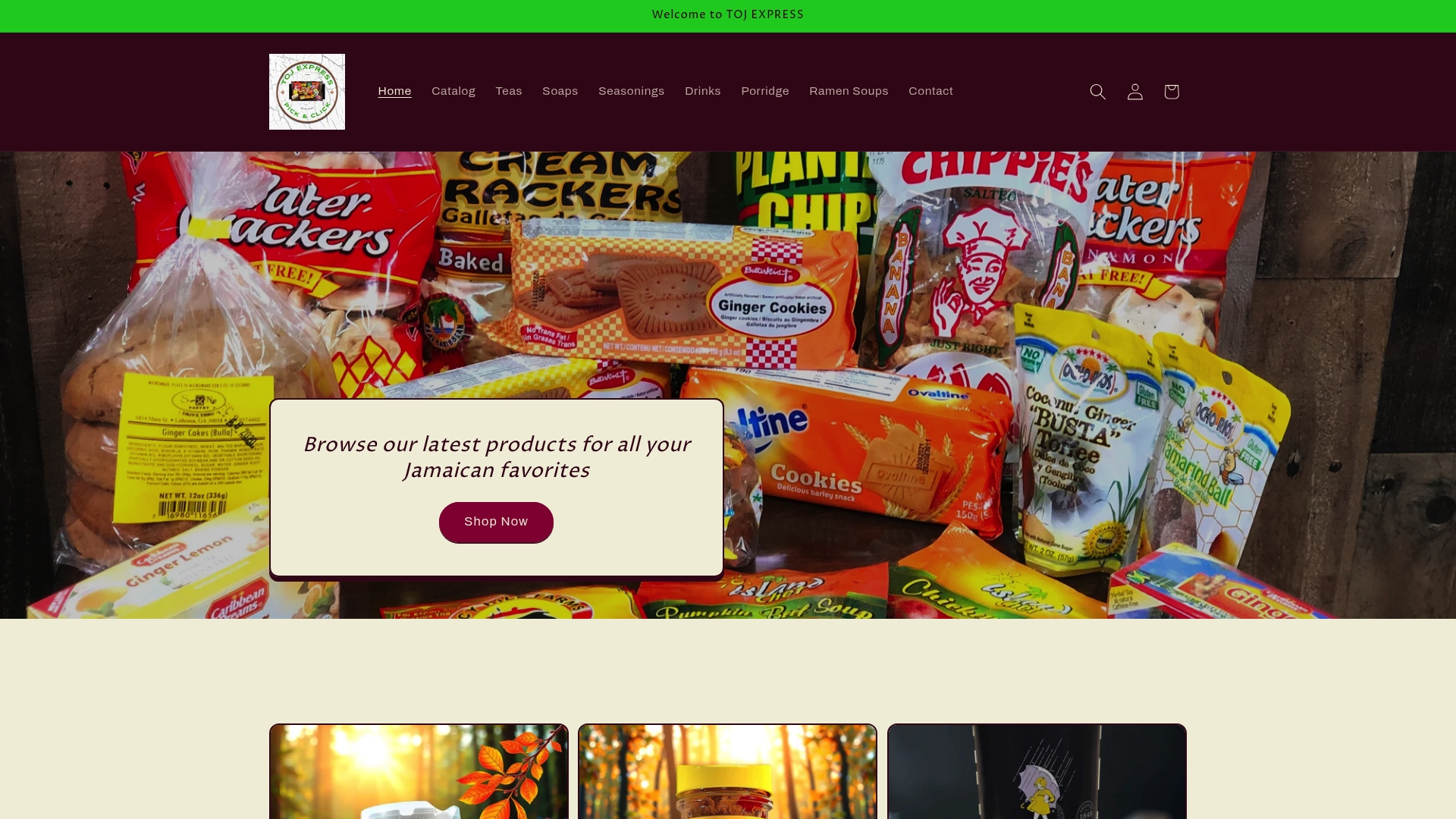
Whether you’re stocking your pantry with authentic staples or looking for something new to try, you can shop general groceries across a wide range of American and Caribbean products from the convenience of home. If you’re building a complete meal experience, don’t overlook beverages. You can also discover multicultural drinks like sorrel, coconut water, and Caribbean sodas that bring the full flavor of the culture to your table. Use the shopping tips and meal ideas from this article as your starting point and let the ingredients do the rest.
Frequently asked questions
Why are multicultural foods popular in Atlanta?
A large, diverse population, including 93,029 Caribbean-born residents in the Atlanta region, drives consistent demand for multicultural foods and makes Atlanta a natural hub for unique culinary experiences.
How do multicultural foods benefit your health?
Many American-Caribbean foods are nutrient-dense, support heart health, and encourage the kind of plant-based, lower-sodium eating patterns promoted by the African Heritage Diet Pyramid.
Are multicultural foods affordable and easy to find in Atlanta?
Culturally specific stores and Caribbean markets improve access significantly, but affordability and availability still vary depending on which Atlanta neighborhood you live in.
How can you start cooking with multicultural ingredients at home?
Begin by visiting a multicultural market, asking staff for guidance, and committing to one new ingredient or recipe per week. Atlanta consumers who try new foods through multicultural exposure consistently report increased openness to further culinary exploration.
Do multicultural foods help build community?
Yes. Shared meals and traditional dishes are among the most effective ways to foster genuine connection and strengthen social bonds within Atlanta’s diverse neighborhoods.