

Caribbean spices: flavor, health, and culture for Georgia cooks
TOJEXPRESS.COM-Antonio HenryTL;DR:
- Caribbean spices enhance flavor and offer antioxidant, anti-inflammatory, and metabolic health benefits when used regularly. Incorporating these spices into cooking can reduce salt reliance and support a vibrant, healthful diet rooted in cultural tradition. Embracing authentic Caribbean ingredients encourages flavorful experimentation and promotes a healthier relationship with food.
Georgia cooks already know how to build a meal with soul, but too many kitchens are still sleeping on the bold, layered magic of Caribbean spices. These ingredients are not just flavor boosters. They carry centuries of tradition, a growing body of nutritional science, and a remarkable ability to transform everyday dishes into something genuinely memorable. Whether you are grilling on a Saturday afternoon, prepping a weeknight stew, or just looking for a way to cut back on salt without losing flavor, Caribbean spices offer a path worth exploring.
Table of Contents
- How Caribbean spices boost health
- Flavor profiles and signature spices
- Comparing Caribbean spices: Health, flavor, and practical use
- Mistakes and pro tips for Georgia home cooks
- A fresh perspective: The real impact of Caribbean spices in Georgia kitchens
- Explore Caribbean flavors with TOJ EXPRESS
- Frequently asked questions
Key Takeaways
| Point | Details |
|---|---|
| Antioxidant-rich | Caribbean spices contribute antioxidants and anti-inflammatory compounds, supporting your health. |
| Flavor and culture | These spices add unique flavors and connect you with Caribbean culinary traditions. |
| Moderation matters | Some spices may cause discomfort when overused, so start low and adjust to taste. |
| Culinary polyphenols | Even moderate spice use boosts dietary polyphenols, which are often underestimated. |
| Practical cooking tips | Mix Caribbean spices thoughtfully, pair with fresh foods, and avoid excess processed ingredients for optimal benefits. |
How Caribbean spices boost health
Having set the stage for vibrant cultural and flavor experiences, let’s drill into how Caribbean spices actually promote health and nutrition.
Most people reach for spices because they want a dish to taste better. What many Georgia home cooks do not realize is that the same spices delivering incredible flavor are also working at a cellular level. Cooking with herbs and spices is associated with antioxidant, anti-inflammatory, and metabolic health benefits, and using them generously can reduce your reliance on added salt for flavor. That is a double win: your food tastes richer and your health profile improves.
The science behind this is surprisingly concrete. Spices contain polyphenols, which are plant compounds that protect your body from oxidative stress and chronic inflammation. A 212-adult dietary study found that researchers underestimate total dietary polyphenol intake by 3 to 12 percent when herbs and spices are not counted. That might sound like a small number, but it means real people are getting meaningful nutrition from their spice racks every single day without even knowing it.
Here is what Caribbean spices can contribute to your daily diet:
- Antioxidant protection: Compounds in spices like allspice, cloves, and cinnamon neutralize free radicals that damage cells.
- Anti-inflammatory effects: Regular use of spice-forward cooking patterns is linked to lower markers of systemic inflammation.
- Metabolic support: Certain spices may help regulate blood sugar responses after meals.
- Sodium reduction: When your food is already full of complex spice flavor, you simply do not need as much salt to feel satisfied.
- Polyphenol contribution: Even small culinary amounts of spices add up to meaningful polyphenol intake across a week of meals.
The key takeaway is that you do not need to take supplements or follow a strict program to benefit. Just cooking more with authentic Caribbean spices and embracing the authenticity and health benefits of genuine Caribbean ingredients makes a real difference over time.
Flavor profiles and signature spices
With the health science established, let’s explore specific spices and their flavor-driven roles in Caribbean cuisine.
Caribbean cooking is not a single flavor. It is a conversation between heat, sweetness, earthiness, and depth, all happening at once in the same pot. Understanding the individual spices is how you learn to participate in that conversation rather than just listen to it.
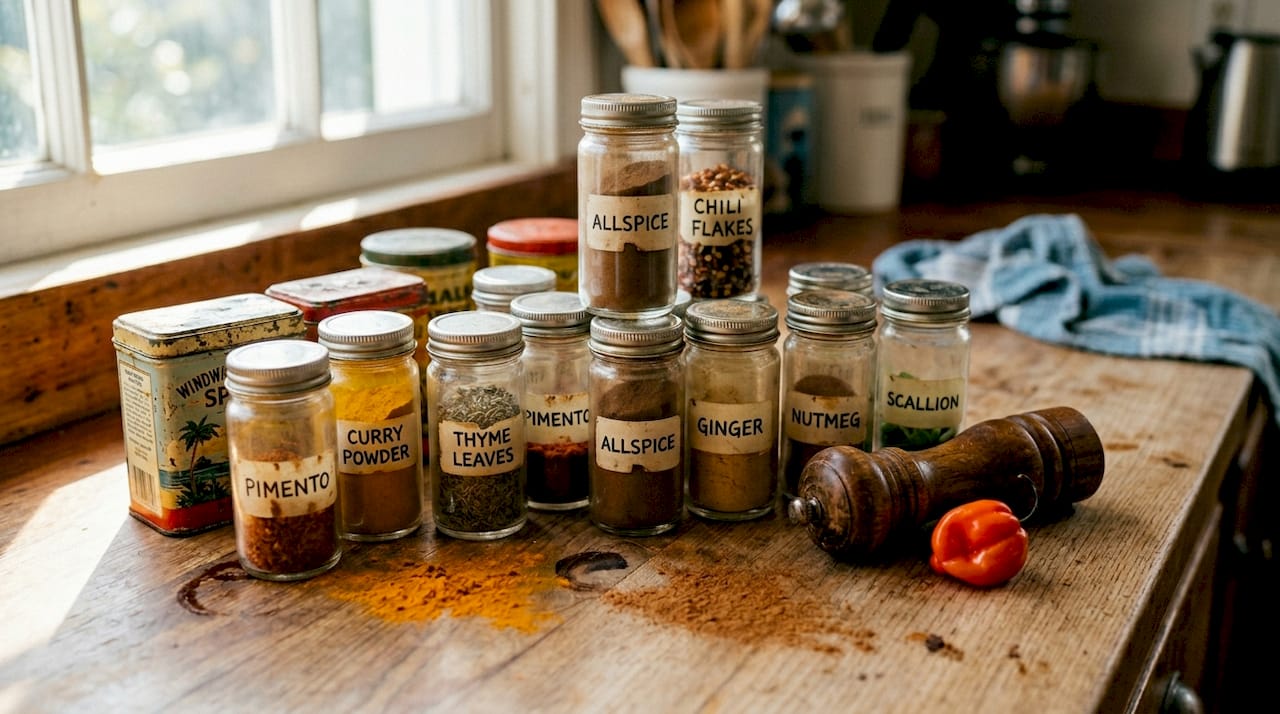
Allspice (pimento) is arguably the most important spice in Caribbean cooking. Its flavor sits at the crossroads of clove, cinnamon, and nutmeg, which is how it earned the name. It is the backbone of Jamaican jerk seasoning and shows up in everything from stews to holiday baked goods. Allspice has antioxidant and antimicrobial activity shown in lab studies, though clinical trials in humans are still limited. One important caution: the active compound eugenol can be toxic at very high doses and may irritate mucous membranes. Culinary amounts are generally safe, but avoid overloading any single dish.
Scotch bonnet pepper is the fire at the heart of Caribbean cooking. It delivers a fruity, citrus-forward heat that is distinctly different from jalapeños or cayenne. The health discussion around Scotch bonnet centers on its high capsaicin content. Capsaicin from chili compounds has well-documented properties related to metabolism and pain response, but excessive intake can cause gastrointestinal discomfort. For most Georgia home cooks, the goal is building heat slowly and tasting as you go.
Thyme, nutmeg, and cinnamon round out the foundational Caribbean pantry. Thyme is heavily used in Trinidadian and Jamaican cooking, particularly in stewed meats and rice dishes. Nutmeg appears in everything from pepper sauces to rum drinks, carrying a warm, slightly sweet edge. Cinnamon shows up in savory applications far more often in Caribbean cooking than most Americans expect, especially in spice rubs and braises.
“Caribbean spice traditions reflect centuries of cultural fusion, from West African cooking techniques to Indian indentured labor influences to indigenous Taino ingredients. Every pinch of allspice and Scotch bonnet carries that layered history.”
Knowing which spices to reach for and when is the real skill. Checking out seasonings for Atlanta cooking can give Georgia cooks a grounded starting point, and understanding the principles behind selecting spices for authentic flavor makes every dish more intentional.
Pro Tip: Start with half the Scotch bonnet you think you need. You can always add more heat, but you cannot take it away. Build your tolerance over a few weeks of cooking, and you will quickly find your personal sweet spot.
The flavor and culture behind these ingredients is just as important as the technical knowledge. Caribbean cooking is about joy and generosity, and that spirit should guide every experiment in your Georgia kitchen.
Comparing Caribbean spices: Health, flavor, and practical use
Knowing which spices deliver which benefits, here’s how they stack up and how to choose wisely for your own Georgia kitchen.
| Spice | Flavor profile | Common use | Health potential | Cautions |
|---|---|---|---|---|
| Allspice | Warm, clove-like, sweet | Jerk seasoning, stews, baking | Antioxidant, antimicrobial (lab evidence) | Eugenol toxicity at high doses |
| Scotch bonnet | Fruity, fiery, citrusy | Pepper sauce, marinades, rice | Capsaicin metabolism support | GI irritation in sensitive individuals |
| Thyme | Earthy, herbal, slightly floral | Stewed meats, rice, soups | Anti-inflammatory polyphenols | Generally well tolerated |
| Cinnamon | Sweet, warm, woody | Spice rubs, braises, drinks | Glycemic support (mixed evidence) | Excess coumarin in cassia variety |
| Nutmeg | Warm, sweet, slightly nutty | Sauces, drinks, baked goods | Antimicrobial activity | Toxic in very large amounts |
| Cloves | Intense, peppery, sweet | Rice, marinades, chutneys | Antioxidant, eugenol content | Strong flavor, use sparingly |
The evidence for some of these health benefits is promising but nuanced. Capsaicinoid research on blood pressure shows mixed results overall, with some short-term reductions and small effects on heart rate, but no dramatic clinical conclusions yet. Similarly, spices for glycemic control show accumulating evidence from human trials, but quality varies widely and supplement use is not the same as culinary use. The bottom line is that eating spices as part of real food is different from taking extract capsules, and the former is where the consistent benefits show up.
Here is a simple numbered guide for Georgia home cooks choosing Caribbean spices by dish type:
- For grilling and jerk-style cooking: Start with allspice and thyme as your base. Add Scotch bonnet slowly based on your heat tolerance.
- For stews and braises: Layer in cloves, cinnamon, and thyme early in the cooking process so the flavors have time to develop.
- For rice and grain dishes: Thyme, allspice, and a small amount of scotch bonnet sauce work beautifully as aromatics added to the cooking liquid.
- For marinades and rubs: Combine allspice, nutmeg, thyme, garlic, and a touch of cinnamon for a well-rounded base.
- For dips and sauces: Build around Scotch bonnet and fresh herbs, balancing heat with sweetness from fruit or coconut.
Getting familiar with a home cook’s spice guide makes these choices easier, and sourcing from stores that carry local Caribbean foods in Atlanta ensures you are working with genuine, fresh ingredients rather than stale grocery-store alternatives.
Mistakes and pro tips for Georgia home cooks
To help you avoid common pitfalls and get more from your Caribbean spice experiments, here are practical tips and mistakes to watch for.
Even experienced cooks make avoidable mistakes when they are new to Caribbean flavors. The most common one is heat overload. Someone adds too much Scotch bonnet in one go, the dish becomes inedible, and they swear off Caribbean cooking for months. That is a real shame, because patience with heat is the entire key.
Here are the most common mistakes Georgia cooks make with Caribbean spices:
- Overusing allspice: Its flavor is strong and distinctive. Too much turns a savory dish into something that tastes more like a holiday cookie. Start with a quarter teaspoon and adjust.
- Ignoring freshness: Pre-ground spices lose potency fast. Buying whole allspice berries or grinding fresh nutmeg makes a genuinely noticeable difference in flavor.
- Skipping the bloom: Many Caribbean spices release their flavor best when briefly toasted in a dry pan or warmed in oil before adding other ingredients. Skipping this step flattens the final dish.
- Mispairing spices with processed foods: Allspice can irritate mucosa and chili peppers may trigger GI discomfort at large quantities, particularly when combined with fatty, processed foods that already stress digestion.
- Treating spices as isolated health supplements: The real benefit comes from flavor-driven incorporation and diet pattern pairing, not from loading up on one spice hoping for a cure.
Pro Tip: Pair your Caribbean spices with fresh, whole ingredients whenever possible. Fresh garlic, ginger, scallions, and citrus juice are natural flavor partners that amplify spice complexity while adding their own nutritional value. The combination of fresh aromatics and dried spices is where Caribbean cooking really shines.
A good starting strategy is to pick one spice each week and cook with it intentionally. Make a jerk-spiced chicken. Stir allspice into a pot of black bean soup. Blend a Scotch bonnet pepper sauce and use it as a condiment. Building familiarity one spice at a time gives your palate a real education. Dive into cooking swaps and healthy tips for practical ideas on blending Caribbean flavors into everyday Georgia meals.
A fresh perspective: The real impact of Caribbean spices in Georgia kitchens
Here is what we genuinely believe after years of connecting Georgia customers with Caribbean ingredients: most articles about Caribbean spices get the emphasis backward. They lead with health claims, list antioxidant values, and leave readers thinking that eating allspice is something like taking a vitamin. That framing misses the point completely.
The real power of Caribbean spices in a Georgia kitchen is the way they change your relationship with cooking. When your jerk chicken smells like something from a Port of Spain street market, when your pepper sauce makes your family stop mid-conversation to ask what you put in it, that is when the habit sticks. Enjoyment drives repetition. Repetition drives dietary patterns. Dietary patterns are where actual health outcomes live.
The contrarian truth is this: the specific antioxidant value of any single spice matters far less than whether you actually keep cooking with real ingredients instead of processed convenience foods. A kitchen full of vibrant Caribbean spices naturally pushes you toward fresh meats, vegetables, beans, and grains, because that is what these spices are designed to work with. They do not belong in a frozen dinner. They belong on a properly marinated piece of chicken or stirred into a slow pot of rice and peas.
Georgia cooks are well positioned to embrace this shift. The state has incredible produce, great access to meat and seafood, and a food culture that already values depth and soul in cooking. Adding flavor boost and cultural impact from Caribbean spices does not require reinventing your kitchen. It requires stocking a few key ingredients and having the curiosity to experiment.
Moderation and macro diet quality matter as much as spice selection. A tablespoon of allspice in an otherwise healthy meal is a contribution. A tablespoon of allspice in an otherwise unhealthy diet is a garnish. Build the foundation with good food, then let Caribbean spices do what they do best: make that food sing.
Explore Caribbean flavors with TOJ EXPRESS
Ready to bring these flavors into your kitchen for real? At TOJ EXPRESS, we stock genuine Caribbean ingredients and snacks sourced for quality and authenticity, so Georgia cooks can experiment with confidence.

Browse our Caribbean snacks collection for a flavorful starting point, whether you are new to Caribbean cooking or looking to deepen a collection you already love. From jerk seasonings to hot sauces to authentic dried spices, we carry what your kitchen needs. Visit TOJ EXPRESS to explore our full range of American and Caribbean products, and take the first step toward building meals that are as good for your health as they are for your appetite.
Frequently asked questions
Are Caribbean spices good for metabolic health?
Herbs and spices support metabolic health and may help reduce dietary salt needs when used consistently as flavor builders in everyday cooking.
How much Caribbean spices should I use for health benefits?
Start with culinary amounts, even moderate use adds up. A study on dietary polyphenols found that herbs and spices account for 3 to 12 percent of total polyphenol intake that researchers often miss in dietary assessments.
Can Caribbean spices cause side effects?
Yes, in excessive amounts. Allspice can irritate mucosa and the capsaicin in Scotch bonnet may cause gastrointestinal discomfort, especially for sensitive individuals, so start small and build gradually.
What is the cultural significance of Caribbean spices?
Allspice, pimento, and Scotch bonnet are cornerstones of Caribbean culinary identity, connecting communities to West African, Taino, and South Asian food traditions through iconic dishes like jerk and pepper sauce.
Recommended
- Why Caribbean Spices Matter for Flavor and Culture – TOJ EXPRESS
- How to select Caribbean spices for authentic flavor – TOJ EXPRESS
- Top Caribbean seasonings to transform your Atlanta cooking – TOJ EXPRESS
- Caribbean Products: 35% Flavor Boost & Culture 2026 – TOJ EXPRESS
- Indian flavours: Authentic tastes and culinary secrets - Desi Galli